Belgrade Identity: Yugoslavia, Tesla, Turbo-Folk & the New Serbia
Understand the city that has been destroyed and rebuilt 44 times—8,000 years of settlement from Neolithic to NATO bombs, Yugoslavia's rise and violent dissolution, Nikola Tesla's electrical genius celebrated on the banknotes, and the cultural contradictions of a country that gave the world turbo-folk and is now applying to join the EU.
- 1
The 1990s & Yugoslavia's Dissolution
Belgrade was the capital of Socialist Federal Yugoslavia (1945–1992) and then of the Federal Republic of Yugoslavia during the 1990s wars. The Milošević era, the NATO bombing of 1999, the 2000 Bulldozer Revolution that ousted Milošević, and Kosovo's declaration of independence in 2008 (still not recognised by Serbia) have all profoundly shaped modern Belgrade. The city processes this recent history with a complicated mix of mourning, pride, and pragmatism.
- 2
Old Belgrade – The White City's 8,000-Year History
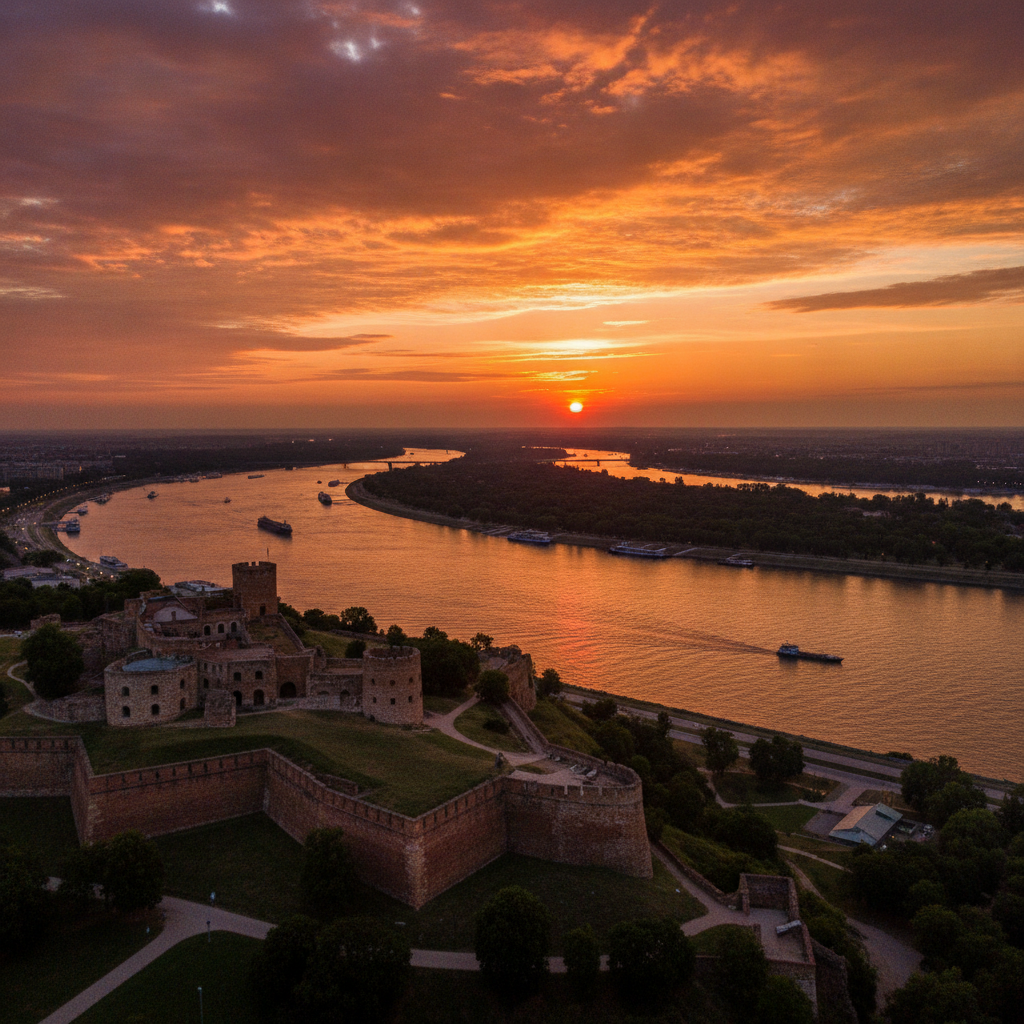
Beograd means 'White City' in Serbian—named for the white limestone walls of Kalemegdan. The site has been continuously inhabited for 8,000 years: Neolithic Vinča culture (5500 BC), Celtic Singidunum, Roman Singidunum (provincial capital of Moesia Superior), Byzantine, medieval Serbian, Ottoman, and modern Serbian capitals. The Military Museum's collections trace this entire arc from the first stone tools to the 1990s wars.
- 3
Serbian Orthodox Church & Religious Identity
The Serbian Orthodox Church—autocephalous since 1219, founded by Saint Sava—is central to Serbian national identity. The Temple of Saint Sava on Vračar hill is the largest church under construction in the world; the Patriarchate of the Serbian Orthodox Church is based in Belgrade's Terazije district. The monastery of Žiča (200 km south) and Studenica (UNESCO) are the most important medieval Serbian ecclesiastical monuments.
- 4
Nikola Tesla – Serbia's Greatest Genius
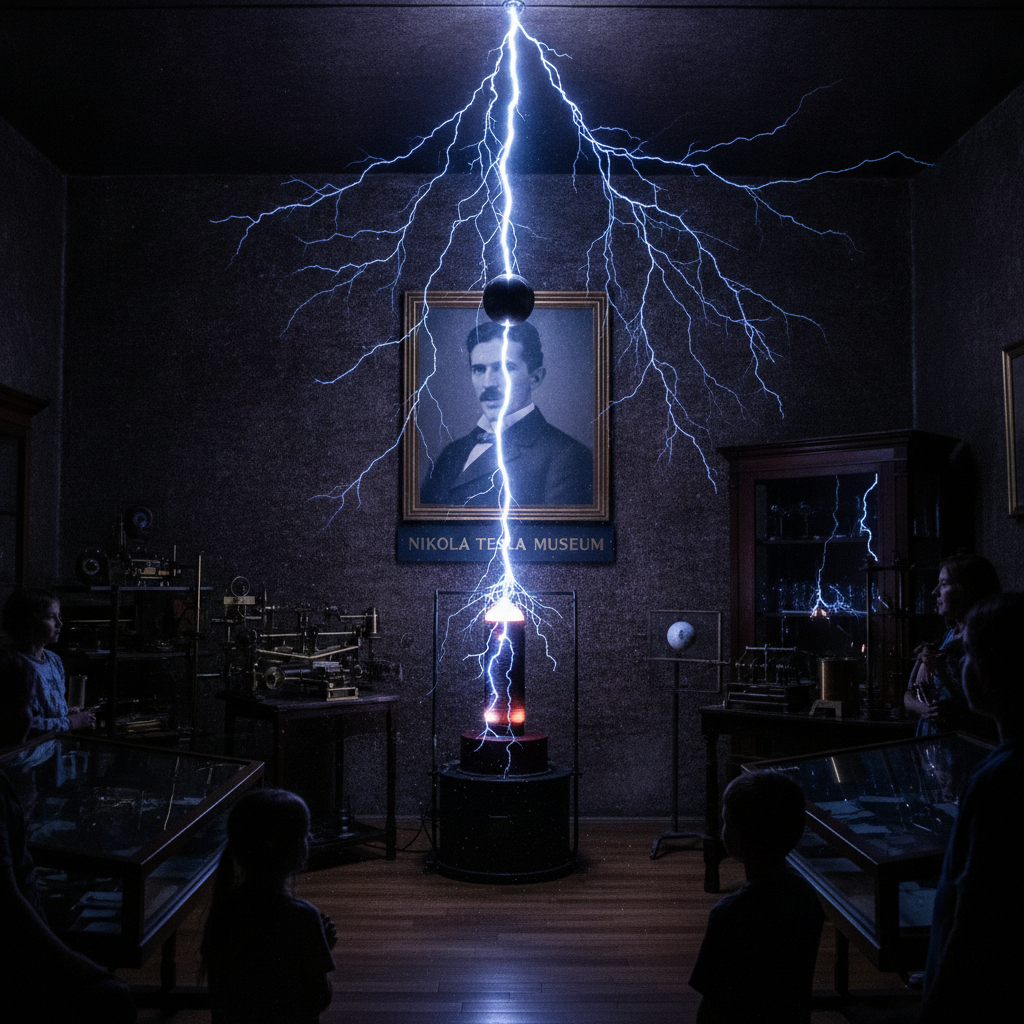
Nikola Tesla (1856–1943) is the most celebrated Serbian in history—the inventor of the alternating current electrical system, the induction motor, radio (contested with Marconi), and over 300 patents that form the basis of modern electrical technology. Born in Smiljan (now Croatia) to a Serbian priest, Tesla emigrated to America in 1884. Serbia celebrates him as its greatest son; his image appears on the 100-dinar banknote.
- 5
Belgrade Pride & the New Serbia
Belgrade Pride—first held in 2010 (and immediately attacked by far-right mobs)—has grown with police protection into an annual September event reflecting Serbia's fraught journey towards European integration. The country is an EU candidate; the paradox of a socially conservative Orthodox society implementing EU-mandated equality legislation in order to join the bloc is played out publicly in Belgrade's streets every September.
- 6
Srpska Kafana Music – Turbo-Folk & Brass Bands
Serbia's unique pop music genre—turbo-folk—blends traditional Serbian folk melodies with electronic beats, synthesisers, and glamorous imagery. Pioneered by Lepa Brena in the 1980s and reaching its controversial peak with singers like Ceca (ex-wife of war criminal Arkan) in the 1990s, turbo-folk remains enormously popular and is played in splavovi clubs and kafanas across Serbia. The Guča Trumpet Festival each August celebrates traditional Balkan brass band music.
Walk this route with audio
Stories play automatically as you reach each stop — no tapping needed.
More in Belgrade
Belgrade Nightlife, EXIT Festival & Yugoslav Legacy
Belgrade Essentials: Kalemegdan, Skadarlija & the River Beaches

Belgrade Practical Guide: Budget, Transport & Balkan Hub

Belgrade on a Plate: Roštilj, Kafanas & Serbian Rakija