Belgrade Practical Guide: Budget, Transport & Balkan Hub
Navigate Belgrade efficiently—cheap Wizz Air flights, the A1 bus from the airport, €0.80 public transport, one of Europe's best-value nightlife scenes at €3 a drink, the bohemian Dorćol neighbourhood for café culture, and why Belgrade's central position makes it the ideal launch pad for a wider Balkans itinerary.
- 1
Belgrade Airport & Arriving by Air
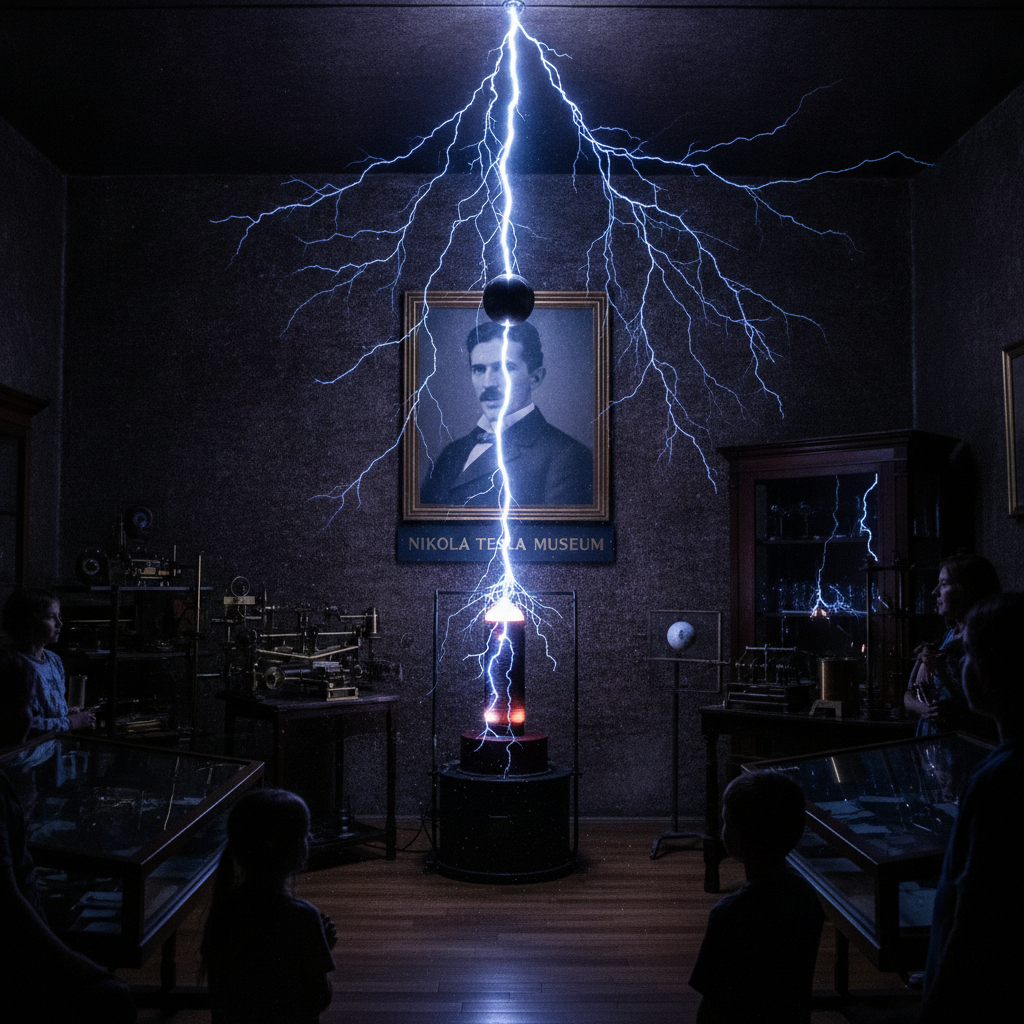
Nikola Tesla Airport (BEG), 18 km west of the city centre, connects Belgrade to most European capitals via Air Serbia, Ryanair, Wizz Air, and easyJet. The A1 express bus runs to the main bus station (Lasta) in 30–40 minutes; taxis should be booked via the CarGo app to get official metered rates. The airport is being expanded significantly with new terminal capacity expected by 2027.
- 2
Public Transport – Trams, Buses & Night Lines
Belgrade's public transport network covers the city comprehensively with trams, trolleybuses, and buses—single tickets cost around €0.80. BusPlus contactless cards offer better value for multi-day visitors. Taxis are cheap by western standards but use the CarGo or Car:Go app rather than street hailing; Uber operates at similar prices. The city has no metro—plans for a Belgrade metro have been proposed since the 1970s but construction began in 2023.
- 3
Budget Belgrade – Cheapest EU-Adjacent Capital
Belgrade rivals Bucharest and Sofia for affordability. A restaurant meal costs €5–10; a craft beer €2; a hostel bed €12–18; a hotel double €30–55. The city's nightlife is famously cheap—entry to many clubs is free, drinks are €3–4. The three-day BelgradeCard covers all public transport and museum entry. A long weekend in Belgrade including flights, accommodation, food, and nightlife is achievable for €200–300 from most European cities.
- 4
Strahinjića Bana Street & Dorćol
The tree-lined Strahinjića Bana Street (known locally as 'the Silicon Valley of cafés') in the Dorćol neighbourhood is where Belgrade's intellectual and creative class gather—lined with bookshop-cafés, independent music venues, and wine bars in inter-war apartment buildings. The adjacent Dorćol area has been Belgrade's most dynamic neighbourhood since the late 2000s, with a strong arts and startup culture.
- 5
Best Times & Belgrade's Energy
Belgrade rewards visits at any time of year but spring (April–June) and early autumn (September–October) are ideal—temperatures pleasant, terraces open, festival season either beginning or ending. Summer heat (35°C+) is intense but Ada Ciganlija beach and the river clubs operate at full capacity. Winter Belgrade is lively despite cold—the kafanas fill up, New Year's Eve is enormous, and St Sava Day (January 27) is the biggest national celebration of the year.
- 6
Belgrade as a Balkan Hub
Belgrade's central position in the Balkans makes it an excellent hub for wider regional travel. Sarajevo is 5 hours by bus; Skopje 5 hours; Budapest 7 hours; Sofia 8 hours; Zagreb 6 hours. The new Belgrade–Budapest high-speed railway (under construction, first section complete 2025) will reduce the journey to 3 hours. The Serbian rail network is slow but scenic; the bus network to neighbouring capitals is fast, comfortable, and extremely cheap.
Walk this route with audio
Stories play automatically as you reach each stop — no tapping needed.
More in Belgrade
Belgrade Nightlife, EXIT Festival & Yugoslav Legacy

Belgrade Identity: Yugoslavia, Tesla, Turbo-Folk & the New Serbia
Belgrade Essentials: Kalemegdan, Skadarlija & the River Beaches

Belgrade on a Plate: Roštilj, Kafanas & Serbian Rakija