Belgrade Nightlife, EXIT Festival & Yugoslav Legacy
Experience Belgrade's legendary party scene—river boat clubs that close at dawn, the revitalised Savamala creative district, EXIT Festival on Petrovaradin Fortress, a day trip to multicultural Novi Sad, and a visit to Tito's House of Flowers mausoleum where Yugoslavia's complex legacy is preserved in a former rose garden.
- 1
Exit Festival – Novi Sad & Serbia's Music Scene
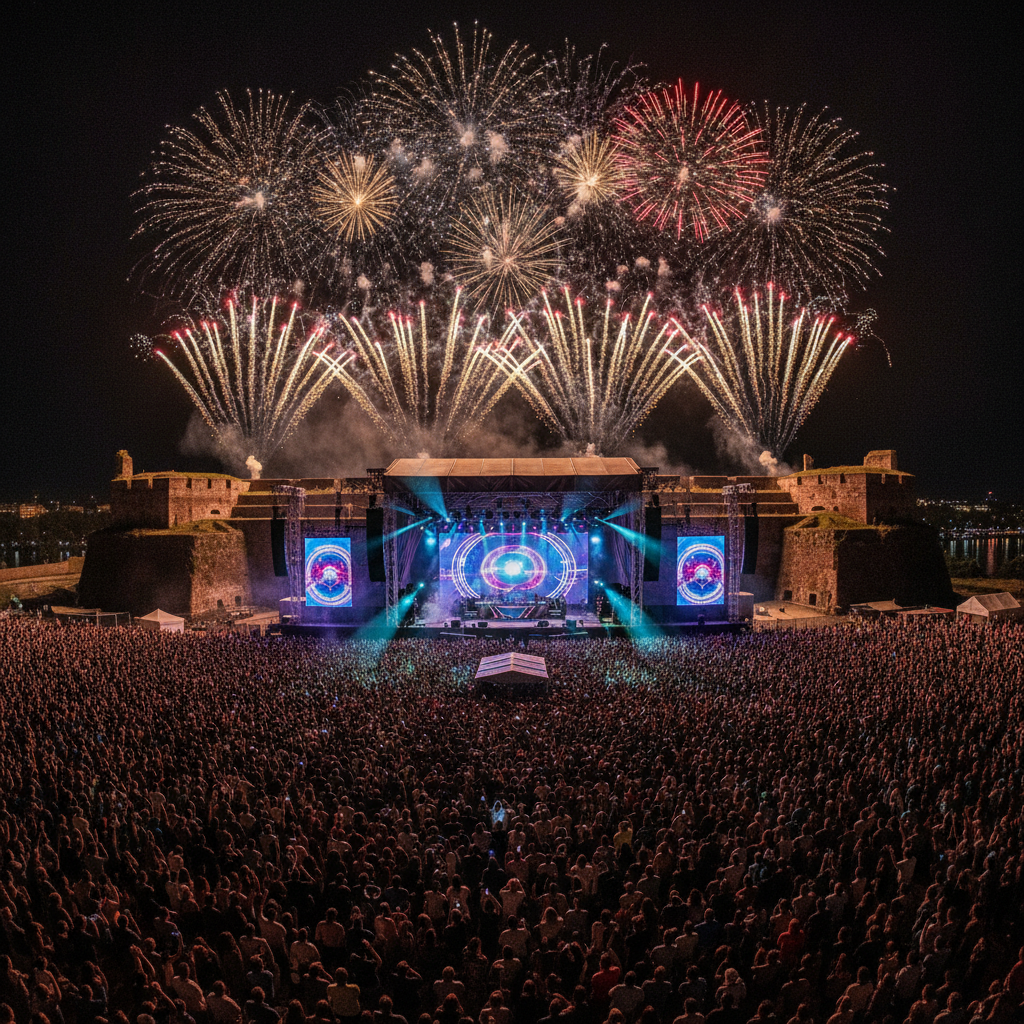
EXIT Festival, held each July in the 18th-century Petrovaradin Fortress above Novi Sad (75 km from Belgrade), is one of Europe's premier music festivals—headlined by Arctic Monkeys, Chemical Brothers, Iggy Pop, and David Guetta. The fortress setting—ramparts, moats, and tunnels transformed into stages—is arguably the most dramatic festival venue in Europe. Belgrade's own Lovefest and Sea Dance Festival complete Serbia's summer circuit.
- 2
Belgrade's Nightlife – Splavovi & Kafanas
Belgrade is internationally famous as one of Europe's best nightlife cities. The splavovi (river boat clubs) moored along the Sava and Danube host clubs that operate until 8 or 10 am; Freestyler, Shake, and Tube are among the longest-running. Kafanas—traditional taverns with live folk and brass bands—offer the other extreme. The Savamala district (a revitalised warehouse quarter) bridges both worlds with techno clubs in industrial spaces.
- 3
Savamala – Belgrade's Creative District
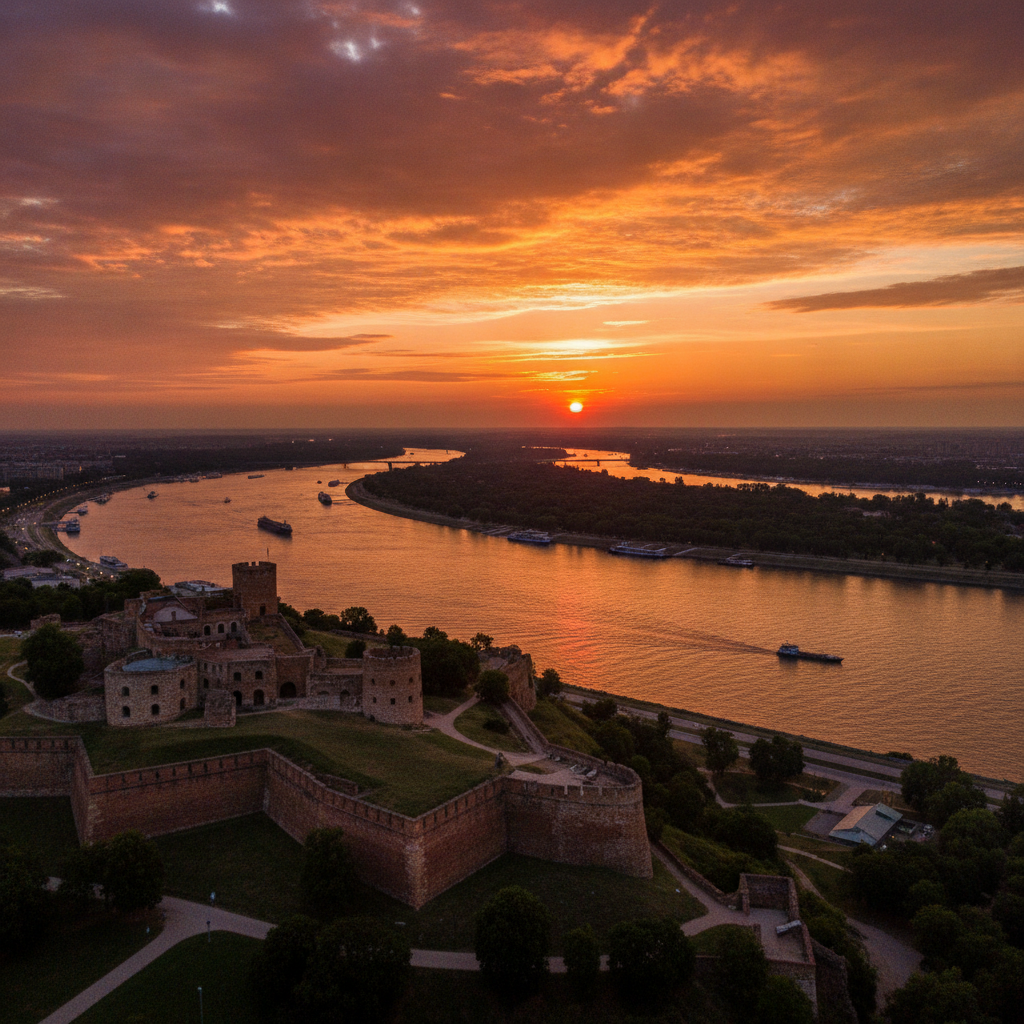
The Savamala quarter—between the Sava riverbank and Kalemegdan—was derelict until around 2012 and is now Belgrade's most creative neighbourhood. Former warehouses house contemporary art galleries, design studios, independent bookshops, cocktail bars, and some of the city's best restaurants. The Mikser Festival each summer fills Savamala with design markets, DJ sets, and film screenings under the open sky.
- 4
Novi Sad & Petrovaradin Fortress
Novi Sad—Serbia's second city and the Vojvodina cultural capital—is 75 km north of Belgrade on the Danube, 45 minutes by express bus. The beautifully restored 18th-century old town, the multicultural character of the Vojvodina region (20+ nationalities co-exist), the Petrovaradin Fortress, and the excellent Strand beach on the Danube make it an excellent day trip or overnight from Belgrade.
- 5
Military History Museum & 1990s War Memorials
Kalemegdan's Military Museum traces Serbia's martial history from medieval armour to the NATO bombing of 1999. Across the road, the bombed-out shell of the former Federal Secretariat of National Defence—deliberately left unrepaired—is a stark reminder of the 1999 NATO air campaign. The difficult history of the 1990s Balkan wars is addressed with increasing openness at the Yugoslav History Museum.
- 6
Tito's Legacy – House of Flowers
Josip Broz Tito, Yugoslavia's president-for-life (1945–1980), is buried in the Kuća Cveća (House of Flowers) at his official Dedinje residence. The museum complex—featuring his personal train, the gifts from 100 heads of state, and the mausoleum—reveals both the extraordinary cult of personality and the genuine affection in which Tito is still held by many former Yugoslavs. The Yugoslav History Museum adjacent documents the Socialist Federal Republic in detail.
Walk this route with audio
Stories play automatically as you reach each stop — no tapping needed.
More in Belgrade

Belgrade Identity: Yugoslavia, Tesla, Turbo-Folk & the New Serbia
Belgrade Essentials: Kalemegdan, Skadarlija & the River Beaches

Belgrade Practical Guide: Budget, Transport & Balkan Hub

Belgrade on a Plate: Roštilj, Kafanas & Serbian Rakija