Belgrade Museums: Tesla, Tito, Yugoslav Modernism & Zemun
Explore Belgrade's rich museum landscape—the world's greatest Tesla collection, Tito's extraordinary personal museum with his Blue Train, Yugoslav modernist art in a landmark 1965 building, and the charming Austro-Hungarian riverside town of Zemun with its Danube fish restaurants.
- 1
National Museum & Art Collections
Belgrade's National Museum—reopened after a 15-year renovation in 2018—spans 44 exhibition rooms across the former Stock Exchange building on Republic Square. Collections range from prehistoric Serbian finds through the Miroslav Gospel manuscript and Byzantine art to 19th–20th century Serbian and European paintings. The Impressionist room features Renoir and Monet works acquired in the early 20th century.
- 2
Museum of Yugoslav History & Tito's Legacy
The Museum of Yugoslav History (formerly the Memorial Centre of Josip Broz Tito) in Dedinje houses Tito's personal museum complex—his official Blue Train, gifts from 100 world leaders, the 22nd Congresses hall, and the House of Flowers mausoleum. The museum approaches Yugoslavia's complex legacy with increasing nuance; the collection of 20,000 relay batons sent by Yugoslav citizens for Tito's annual birthday relay is among the most extraordinary objects in any museum.
- 3
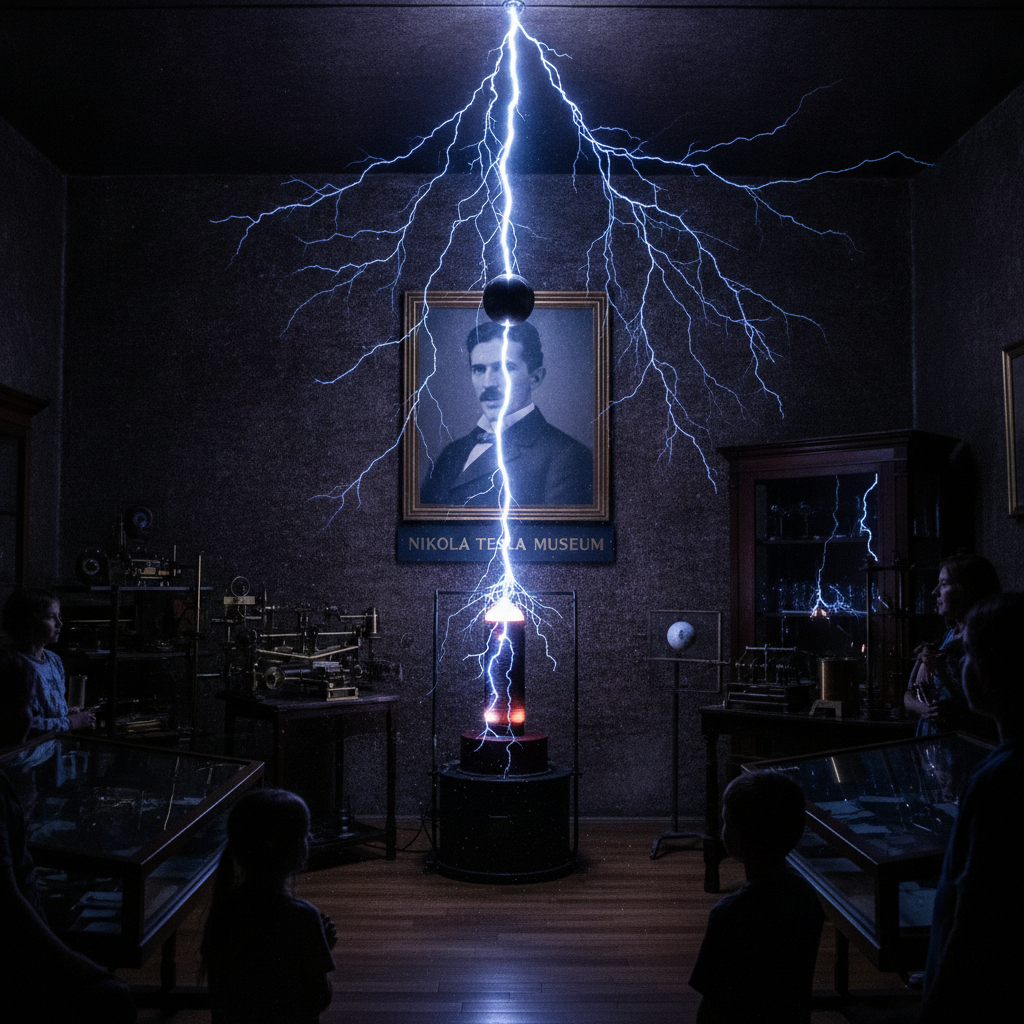
Nikola Tesla Museum
The Nikola Tesla Museum in central Belgrade houses the world's most important collection of Tesla's original patents, letters, photographs, and scientific instruments—including the urn containing his ashes. Tesla (1856–1943) was born in what is now Croatia to Serbian parents and his legacy is fiercely claimed by both nations. The rotating demonstrations of Tesla coil electricity and the original AC motor models are highlights of any visit.
- 4
Museum of Contemporary Art (MSUB)
Belgrade's Museum of Contemporary Art—a landmark 1965 Modernist building on the Sava riverfront in Novi Beograd—reopened in 2017 after reconstruction and now hosts one of the largest collections of post-WWII Yugoslav and Serbian art. The building itself, designed by Ivan Antić and Ivanka Raspopović in the form of interlocking hexagonal prisms, is a masterpiece of Yugoslav socialist modernism.
- 5
Zemun – The Old Austrian Town
Zemun—now a Belgrade municipality but historically a separate city on the Austrian side of the border with the Ottoman Empire—preserves a distinct character from central Belgrade. The Gardoš hill with the Millennium Tower (1896) overlooks the Danube; the quayside fish restaurants along Kej Oslobođenja serve fresh carp and catfish; and the tight lanes of the old town evoke the Austro-Hungarian provincial town Zemun was until 1918.
- 6
Ethnographic Museum & Serbian Folk Art
The Ethnographic Museum near Kalemegdan displays an exceptional collection of Serbian folk art—costumes, textiles, jewellery, ceramics, woodcarving, and domestic objects from Serbia's diverse regional traditions. The embroidered costumes from Šumadija, Vojvodina, Kosovo, and Pirot (famous for its wool kilims) represent centuries of rural craft tradition. The museum's textile collection is particularly strong and largely unknown to international visitors.
Walk this route with audio
Stories play automatically as you reach each stop — no tapping needed.
More in Belgrade
Belgrade Nightlife, EXIT Festival & Yugoslav Legacy

Belgrade Identity: Yugoslavia, Tesla, Turbo-Folk & the New Serbia
Belgrade Essentials: Kalemegdan, Skadarlija & the River Beaches

Belgrade Practical Guide: Budget, Transport & Balkan Hub
