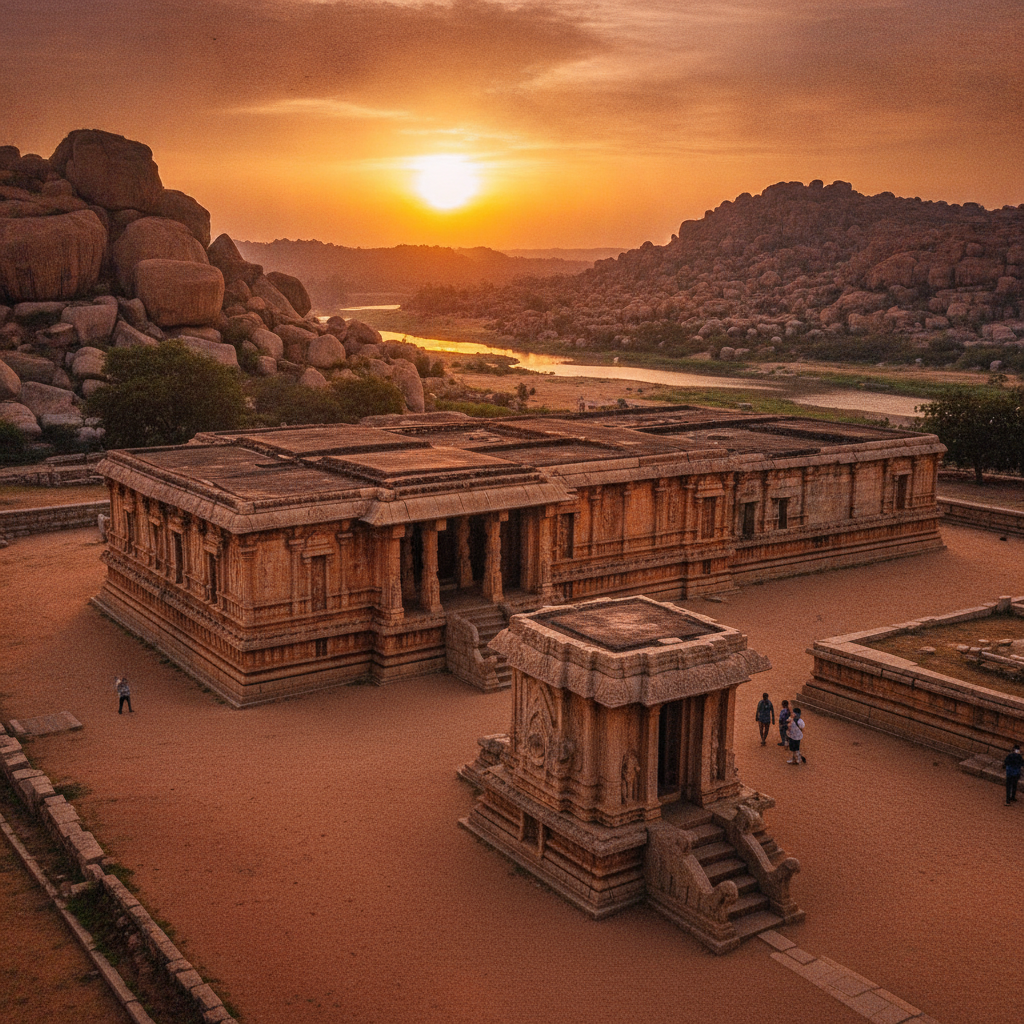
Bengaluru Essentials: India's Silicon Valley, the Garden City's Botanical Parks & the Country's Best Pub Scene
Discover India's most cosmopolitan city—Lalbagh's 19-million-year-old rock outcrop in a 240-acre Victorian garden where the Crystal Palace glasshouse hosts half-million-visitor flower shows, Cubbon Park's colonial core beside the granite Vidhana Soudha legislature, Toit Brewpub's 2010 opening that launched India's craft beer revolution (Bengaluru got it first), Tipu Sultan's teak palace and the British siege that killed India's most formidable colonial opponent in 1799, 1.7 million IT workers earning $60 billion in software exports annually, and the benne masala dosa at CTR Malleswaram (established 1920) alongside craft cocktail bars in Indiranagar that rival any Asian city.
- 1
Lalbagh Botanical Garden – The Green Heart of the Garden City
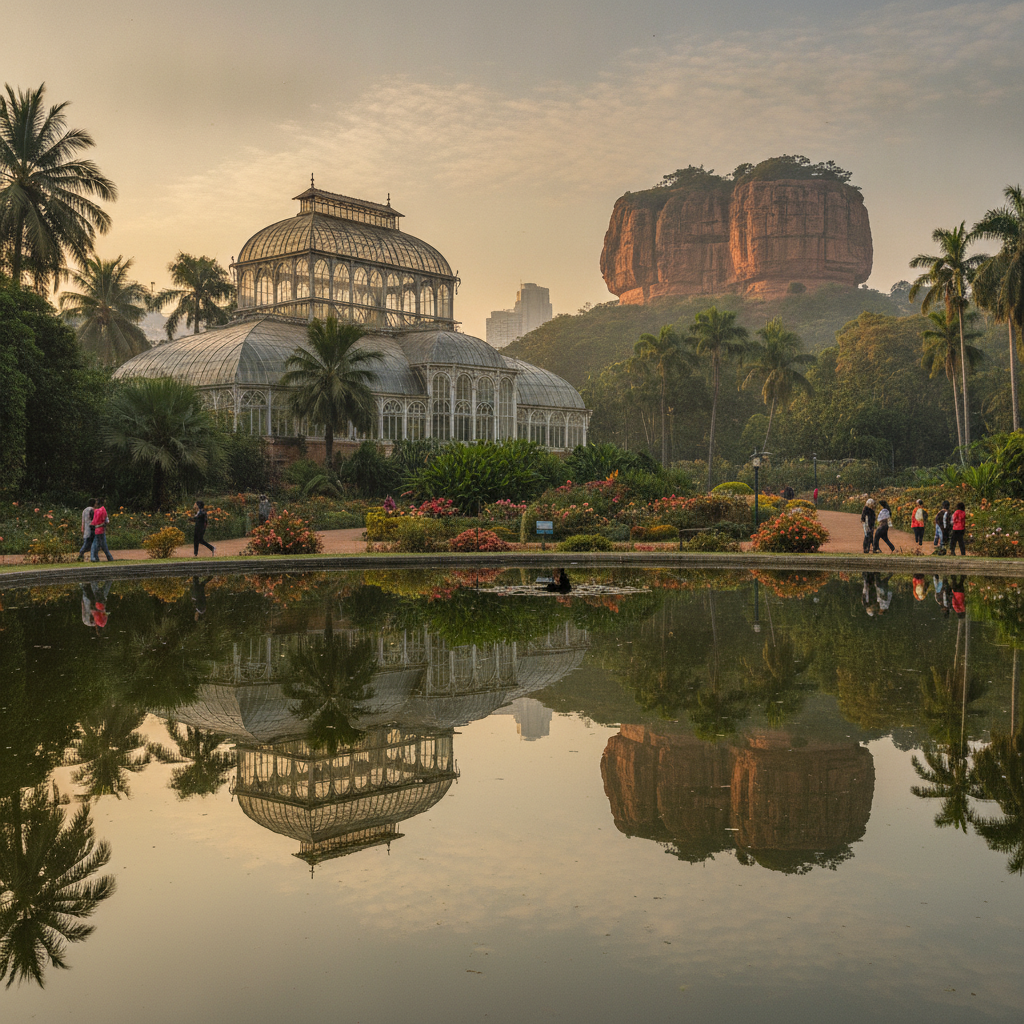
Lalbagh Botanical Garden—240 acres in south-central Bengaluru, established in 1760 by Hyder Ali and expanded by his son Tipu Sultan, then developed by British botanists including William Roxburgh and William Krumbiegel—is the finest botanical garden in India and one of the best in Asia. The garden contains over 1,000 species of tropical and subtropical plants, a 19-million-year-old rock formation (the Lalbagh Rock, among the oldest exposed rock surfaces in the world), and a Victorian glasshouse (built 1889, modelled on the Crystal Palace in London) that hosts the famous twice-yearly Republic Day and Independence Day flower shows (January and August, drawing 500,000+ visitors each). The garden is Bengaluru residents' primary green space: early morning (6–8am) sees thousands walking, running, and doing yoga on the lawns.
- 2
Cubbon Park & the Colonial Core
Cubbon Park—300 acres in the heart of Bengaluru, established 1870—is the city's second major park, surrounded by the colonial administrative core: the Vidhana Soudha (1956, the state legislature building—a massive Dravidian-inspired structure in granite, Bengaluru's most imposing building), the Attara Kacheri (High Court, 1868, red brick), the State Central Library, and the Bangalore Club (1868, one of India's oldest private members' clubs). The Government Museum within Cubbon Park houses archaeological finds from across Karnataka. Bengaluru's colonial heritage—the British built an extensive cantonment city (still known as 'Cantonment' in the north-east) that is architecturally distinct from the older Mysore Kingdom city (the 'Pete' area around the City Market in the west).
- 3
Bengaluru's Pub Culture & Nightlife – India's Most Liberal Drinking City
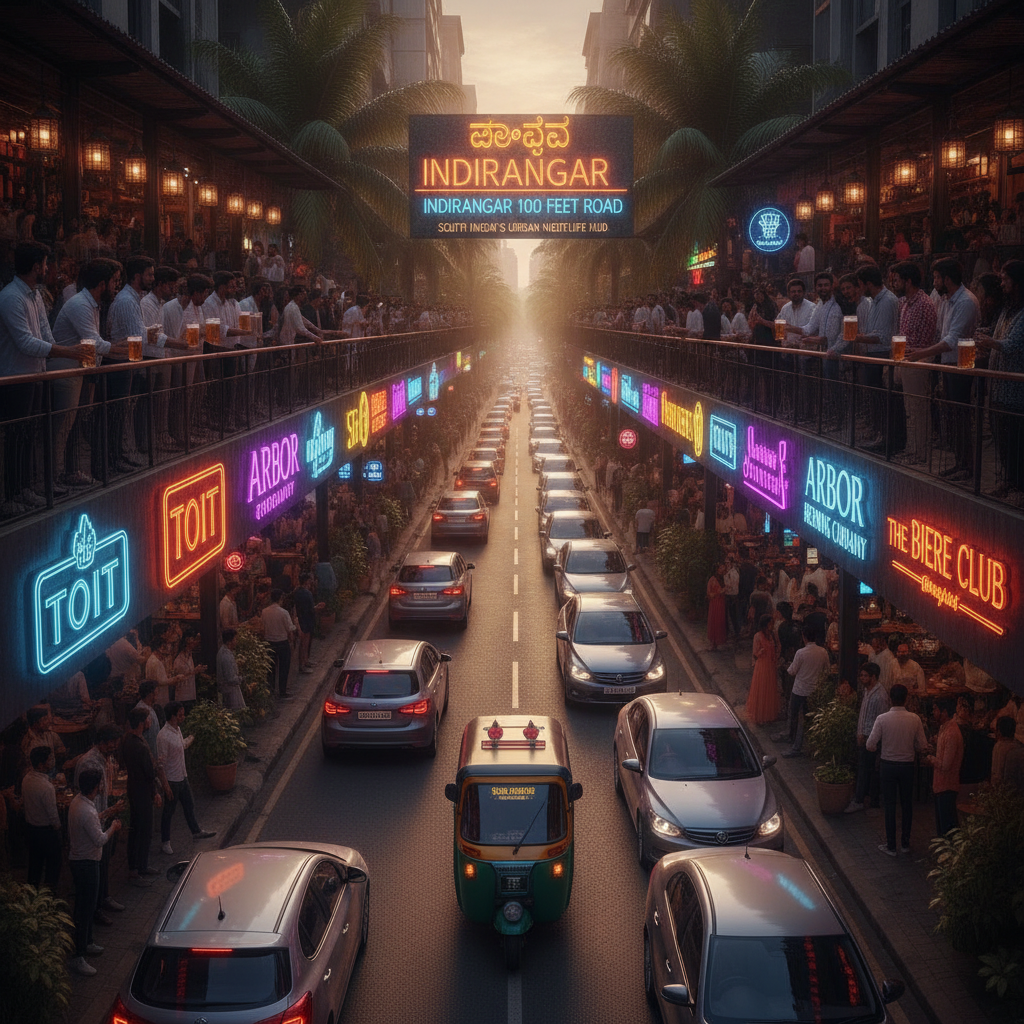
Bengaluru has India's most developed pub and bar culture—a product of the city's cosmopolitan demographics (large IT workforce, significant expatriate community, liberal social attitudes compared to Mumbai or Delhi), relatively liberal Karnataka alcohol regulations, and the British cantonment heritage (which established a pub culture in the 19th century). The craft beer revolution reached Bengaluru first in India: Toit Brewpub (Indiranagar, opened 2010—considered the pioneer of India's craft beer industry), Windmills Craftworks, and The Beer Café were early adopters. The MG Road–Brigade Road corridor was Bengaluru's original nightlife hub (Pecos, since 1979—India's oldest surviving rock bar); Indiranagar (100 Feet Road) and Koramangala have succeeded it as the dominant nightlife districts.
- 4
Tipu Sultan's Palace & Bengaluru Fort – The Mysore Kingdom Legacy
Tipu Sultan's Palace—in the old city (Pete area), built 1791 as Tipu Sultan's summer residence—is a two-storey teak wood palace of delicate craftsmanship, with fluted columns, arched galleries, and frescoes depicting Tipu's military campaigns. Tipu Sultan (the 'Tiger of Mysore', r. 1782–1799) was the most formidable Indian military opponent the British East India Company faced; he was killed at the fall of Seringapatam (Srirangapatna, 130 km south) on May 4, 1799—the event that effectively secured British dominance over South India. Bengaluru Fort (12th century Ganga dynasty origin, rebuilt by Tipu Sultan's father Hyder Ali in the 18th century) survives only as a gateway and two bastions—most was demolished by the British after 1799. The Bangalore Palace (1887, Victorian Tudor-Gothic, still owned by the Wadiyar family of Mysore) is open to visitors.
- 5
Bengaluru's IT Sector – Silicon Valley of India
Bengaluru is the undisputed technology capital of India—home to the Indian campuses of global technology companies (Google, Microsoft, Amazon, Apple, IBM, SAP, Cisco), and the headquarters of India's major IT services companies (Infosys, Wipro, HCL, Mindtree). The IT sector employs approximately 1.7 million people in Bengaluru (2024), contributing 40% of India's software exports (approximately $60 billion annually). The major IT clusters: Electronics City (south, the original IT hub, home to Infosys campus), Whitefield (east, now the largest IT cluster), and the ORR (Outer Ring Road) corridor connecting them. The Indian Institute of Science (IISc, established 1909 by Jamsetji Tata—India's premier research university) and the Indian Institute of Management Bangalore (IIMB) anchor the city's academic infrastructure.
- 6
Bengaluru's Food Scene – Filter Coffee to Craft Cocktails
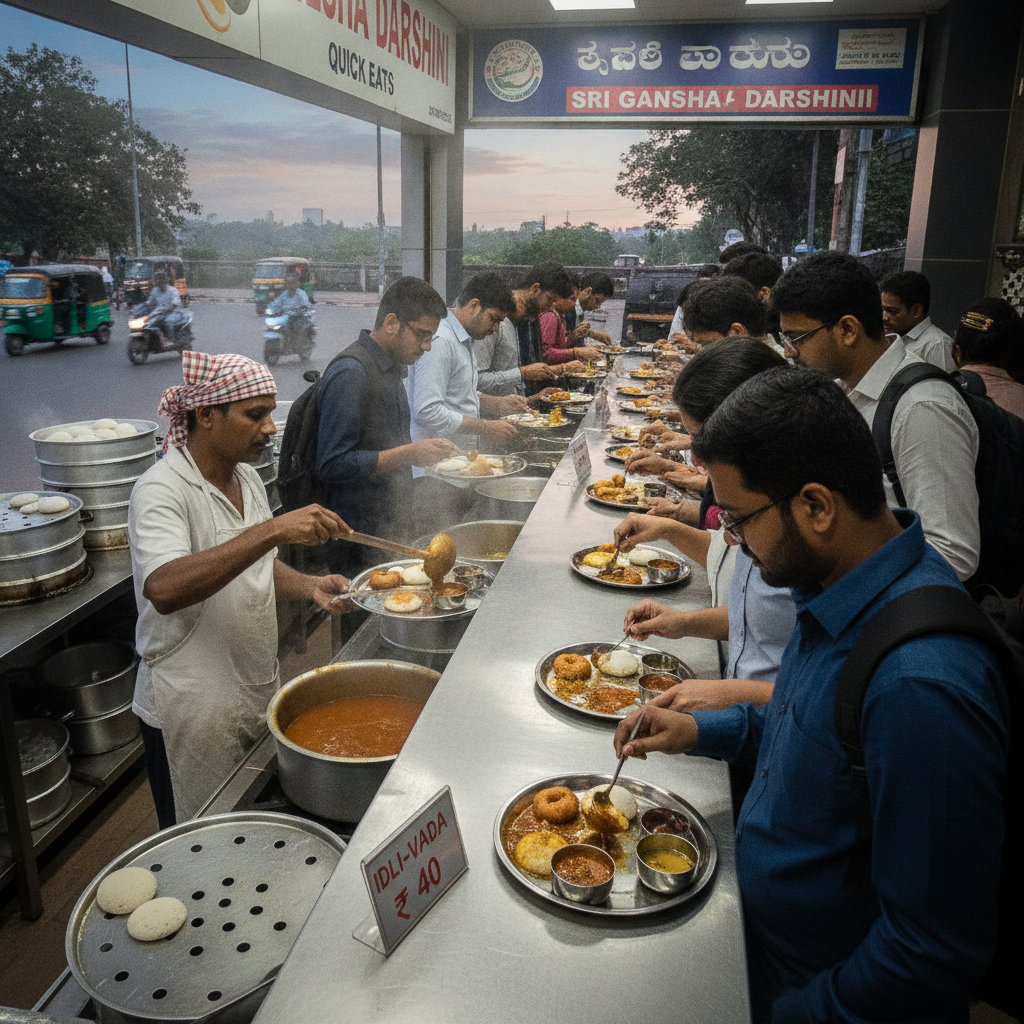
Bengaluru's food scene is the most diverse and fastest-evolving in South India. The foundation: South Indian breakfast culture (CTR—Central Tiffin Room in Malleswaram, established 1920, making the finest benne masala dosa in Bengaluru—butter-enriched crispy dosa with potato masala; Vidyarthi Bhavan in Gandhi Bazaar, established 1943, with equally legendary dosa). Darshini culture: standing-only fast-food thaligege restaurants unique to Karnataka, serving idli-vada-dosa with coconut chutney and sambar at ₹50–100 (€0.55–1.10). The contemporary food scene: Bengaluru has India's best restaurant diversity outside Mumbai—Japanese, Korean, Ethiopian, Lebanese, Peruvian, and craft cocktail bars in Indiranagar and Koramangala that rival any Asian city of comparable size.
Walk this route with audio
Stories play automatically as you reach each stop — no tapping needed.
More in Bengaluru
Bengaluru After Dark: 1am Bars, India's Most Visible Queer Scene & Why Hyderabad Is Trying to Steal the Silicon Valley Crown
Bengaluru Complete: Coorg Coffee Estates 5 Hours Away, the Standing-Only Darshini Breakfast & a City Without a Single Famous Monument
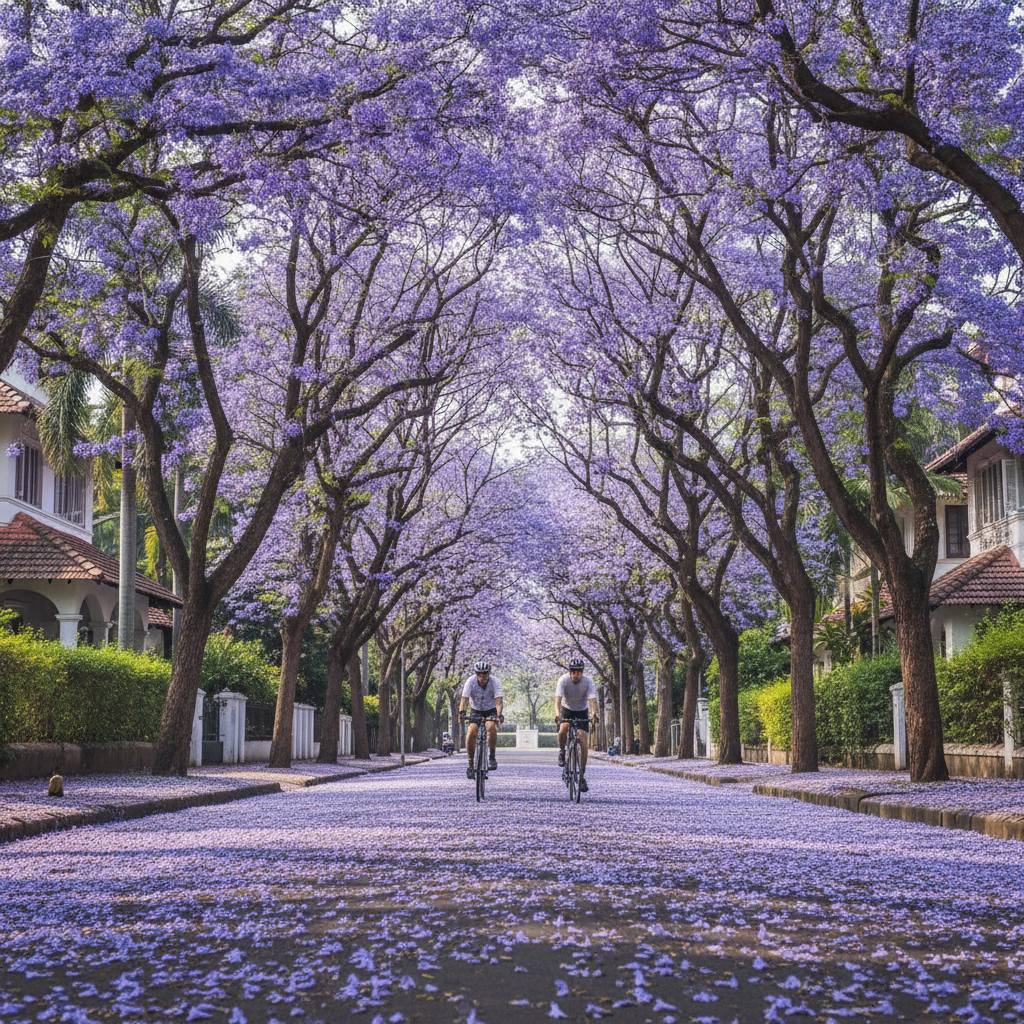
Bengaluru Insider: ISRO's $74m Mars Mission, Jacaranda Streets in March & the Indie Music Scene That Defined Indian Festivals
Bengaluru's Contrasts: Burning Lakes, ISRO's Moon Landing & the World's Most Traffic-Congested City