Roman Libya: Context for Leptis Magna and the Ancient Road
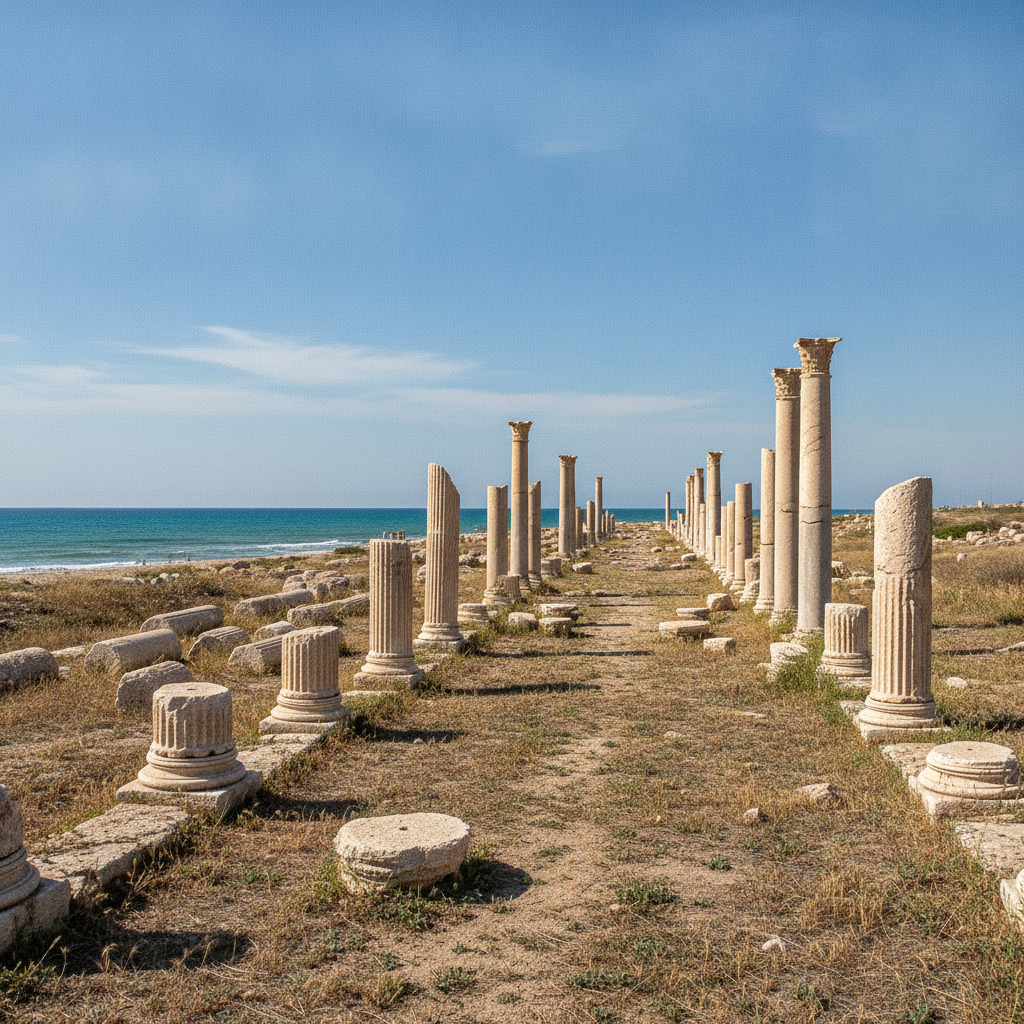
While Leptis Magna near Tripoli is the most famous Roman site in Libya, Benghazi was surrounded by important Roman towns and the region of Cyrenaica has remarkable Roman-era remains waiting for improved access conditions.
- 1
Ancient Tocra
The ancient city of Taucheira near modern Tocra west of Benghazi has Greek and Roman remains including a well-preserved Greek theater and stretches of ancient city wall.
- 2
Ptolemais Ruins
The ancient Ptolemais, now Tolmeitha, contains one of Libya most complete collections of Roman urban remains: a private villa with intact mosaics, a theater and the remains of public baths.
- 3
Roman Road Network
The ancient road connecting Cyrenaica to Tripolitania passed through the hinterland of Benghazi. Sections of Roman paving and milestones survive in the landscape for those with transport and local knowledge.
- 4
Qasr Libya Mosaics
A small museum in Qasr Libya houses some of the finest early Byzantine mosaic panels in North Africa, removed from a 6th-century church and displayed in the building on the original site.
- 5
Benghazi Archaeological Museum
The city museum contains a collection of Cyrenaican antiquities spanning Greek, Roman and Byzantine periods. Some collections were damaged during recent conflicts and restoration is ongoing.
- 6
Al-Bayda Green Mountain
The fertile Akhdar mountain region behind Benghazi was the agricultural heartland of ancient Cyrenaica. Terraced hillsides with ancient olive groves and medieval water channels reward exploration.
Walk this route with audio
Stories play automatically as you reach each stop — no tapping needed.
More in Benghazi
Practical Benghazi: Entry Requirements, Safety and Visitor Logistics
Benghazi Essentials: Mediterranean Heritage, the Old City and the Harbor
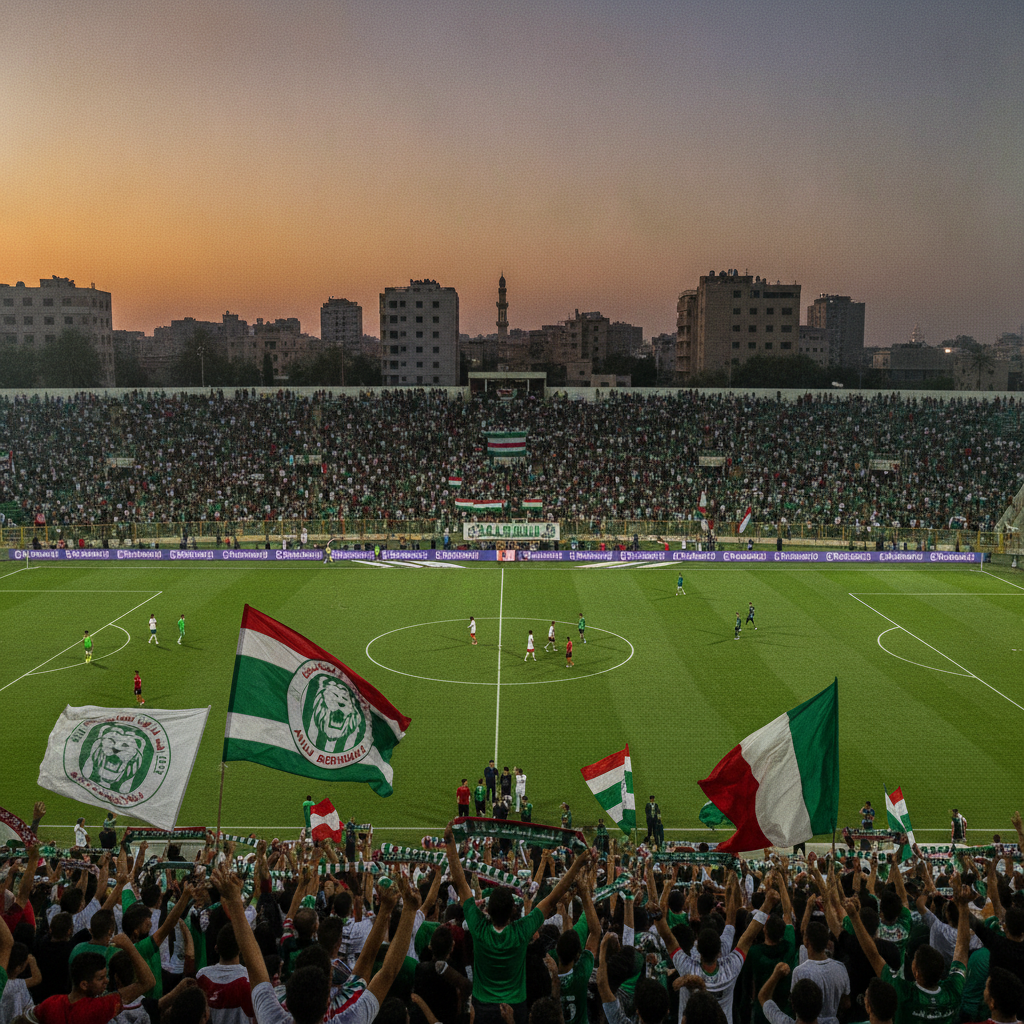
Benghazi Culture: Sport, Music and a City Rebuilding Its Identity
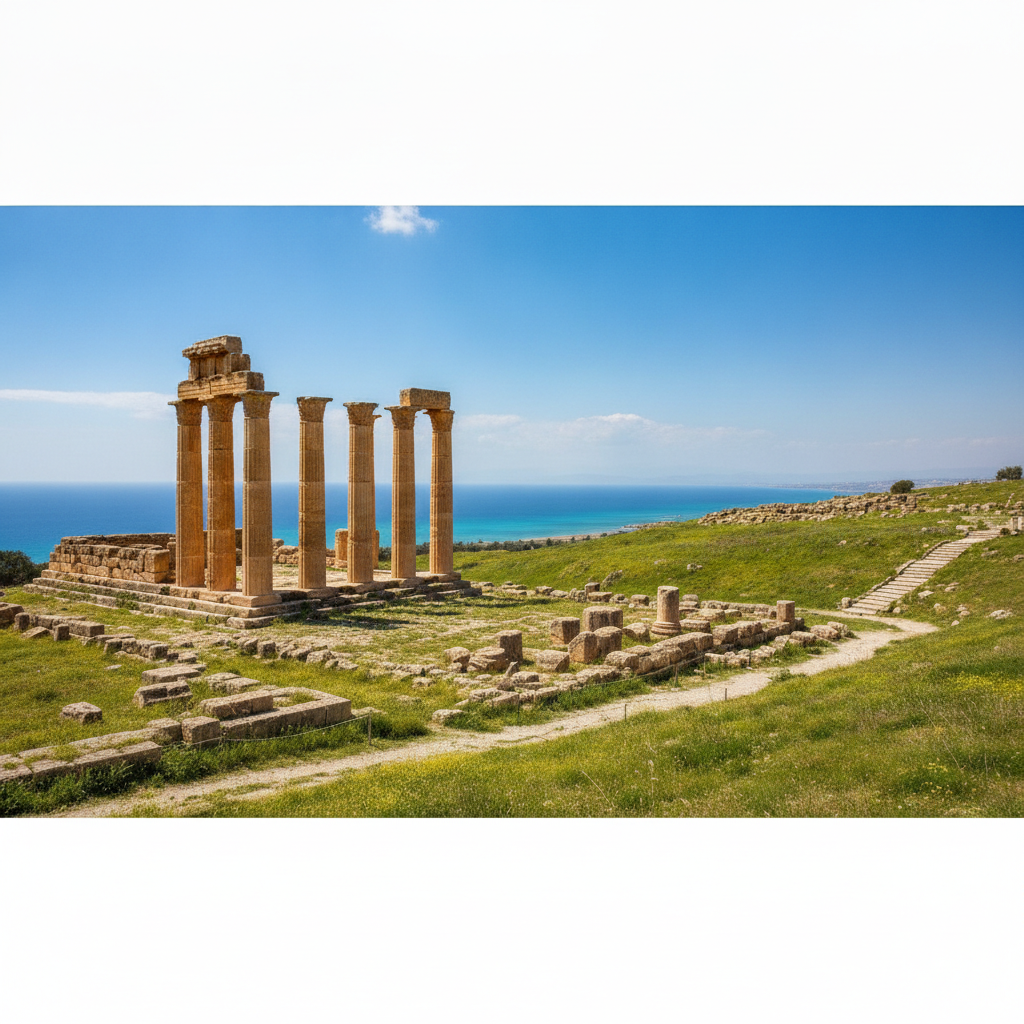
Day Trip to Cyrene: Ancient Greek City on the Green Mountain
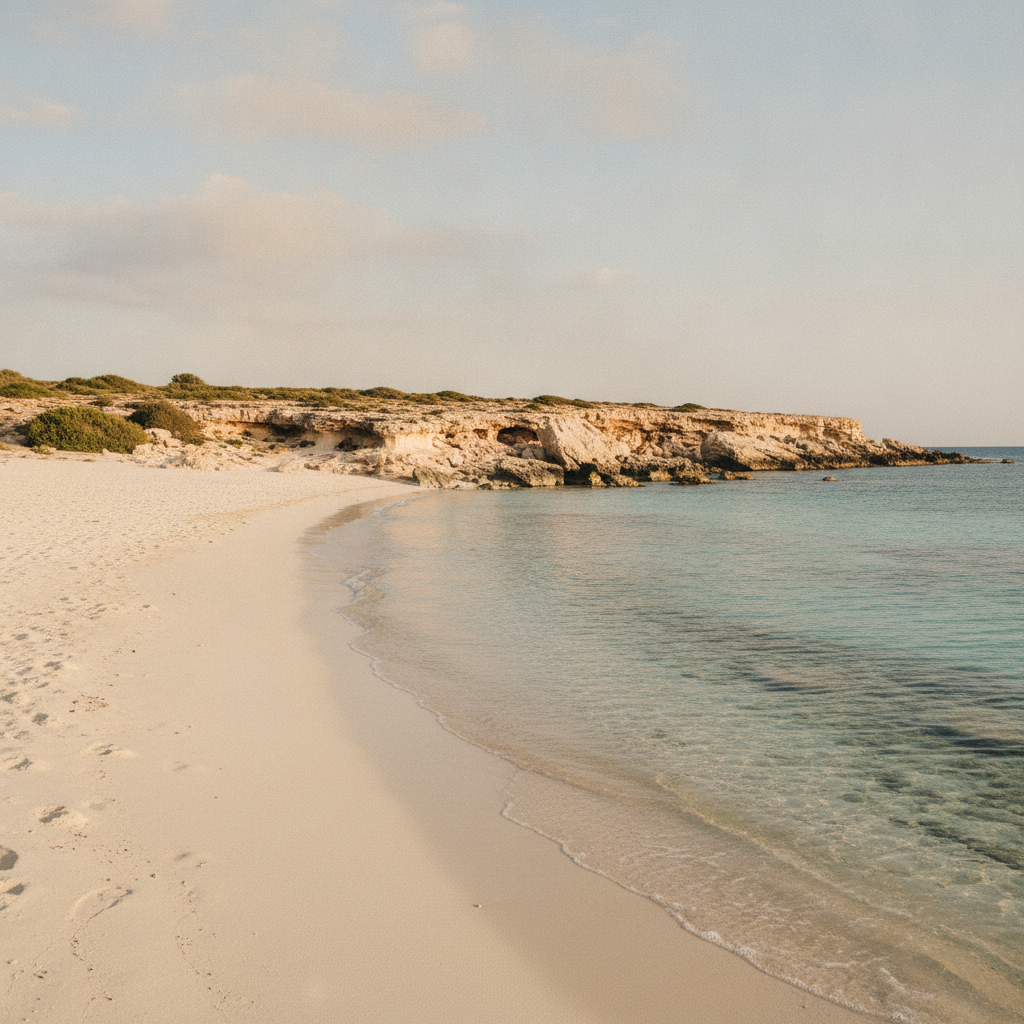
Mediterranean Benghazi: Beaches, Bays and the Eastern Libyan Coast