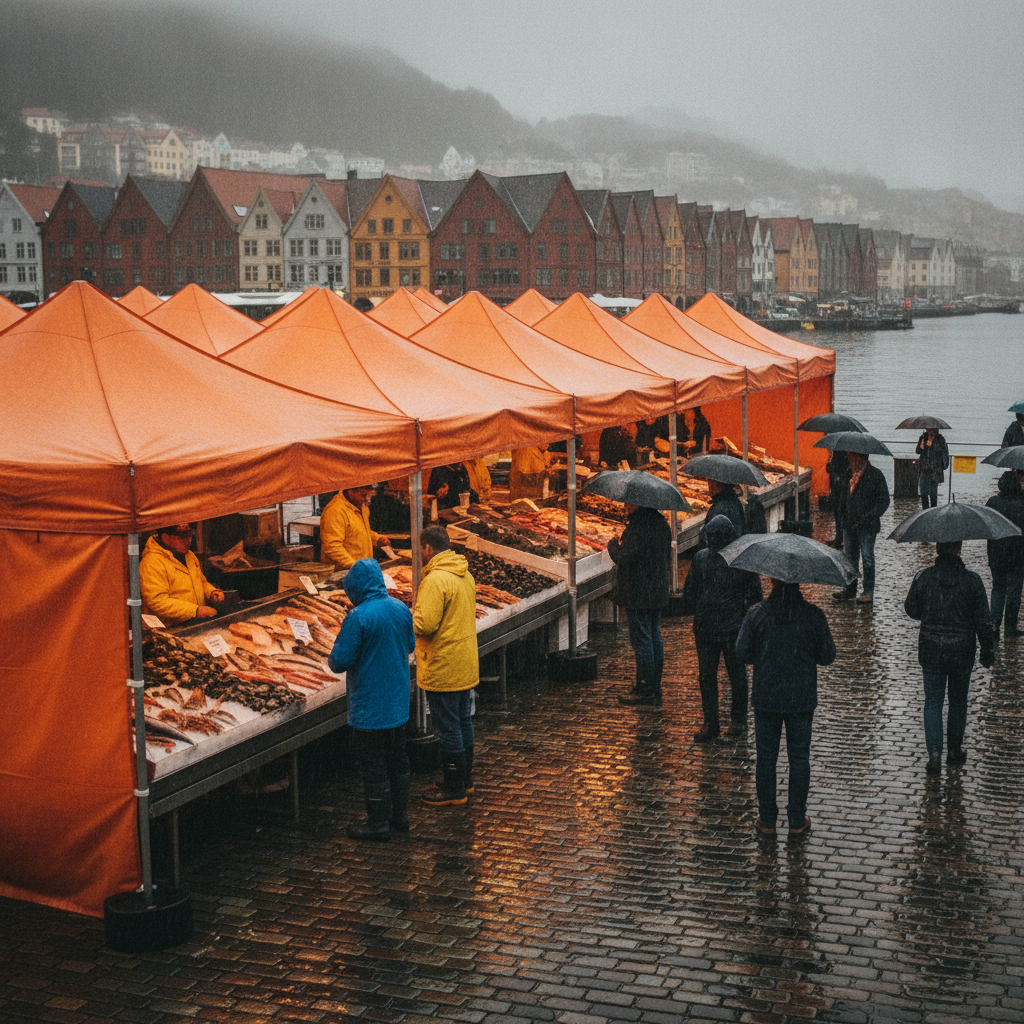
Bergen Music — Edvard Grieg, Troldhaugen & the Norwegian Musical Tradition
Edvard Grieg (1843-1907) is Bergen's most famous son and Norway's most internationally recognized composer. His villa Troldhaugen south of Bergen is the most visited cultural heritage site in western Norway and the site of some of the best chamber music concerts in Scandinavia.
- 1
Grieg's Life and the Norwegian Musical Identity
Edvard Grieg (born Edvard Hagerup Grieg, Bergen 15 June 1843, died Bergen 4 September 1907, the composer whose Piano Concerto in A minor, Peer Gynt Suites, and 66 Lyric Pieces for solo piano defined the international image of Norway in the late 19th century — the Norwegian national composer in the same sense that Sibelius is the Finnish and Dvořák the Czech): Grieg's formation (the Bergen musical family — the grandfather Alexander Greig a Scottish merchant who settled in Bergen and added the second 'g' to the Scottish name, the father Gesine Hagerup a pianist and the organizer of the Bergen Philharmonic concerts in the 1840s, Grieg trained at the Leipzig Conservatory 1858-1862 — where he absorbed the German Romantic tradition of Schumann and Mendelssohn — before finding the distinctively Norwegian voice through contact with the Norwegian violinist Ole Bull and the composer Rikard Nordraak, Nordraak composing the Norwegian national anthem and dying at 23, Grieg completing the Norwegian Romantic project that Nordraak began), the Peer Gynt Suite (the incidental music composed 1876 for the Ibsen play 'Peer Gynt' at the Christiania Theatre, the 2 orchestral suites extracted from the 23-movement stage score the most performed Grieg orchestral works — 'In the Hall of the Mountain King', 'Åse's Death', 'Anitra's Dance', and 'Morning Mood' the 4 most recognizable movements, the images of the Norwegian troll king's hall and the mountain landscape the most culturally loaded musical images in Norwegian culture) and the Piano Concerto (the A minor concerto of 1868, the most performed Scandinavian piano concerto, the opening cascade the most immediately recognized concerto opening in Romantic music).
- 2
Troldhaugen — the Villa and the Museum
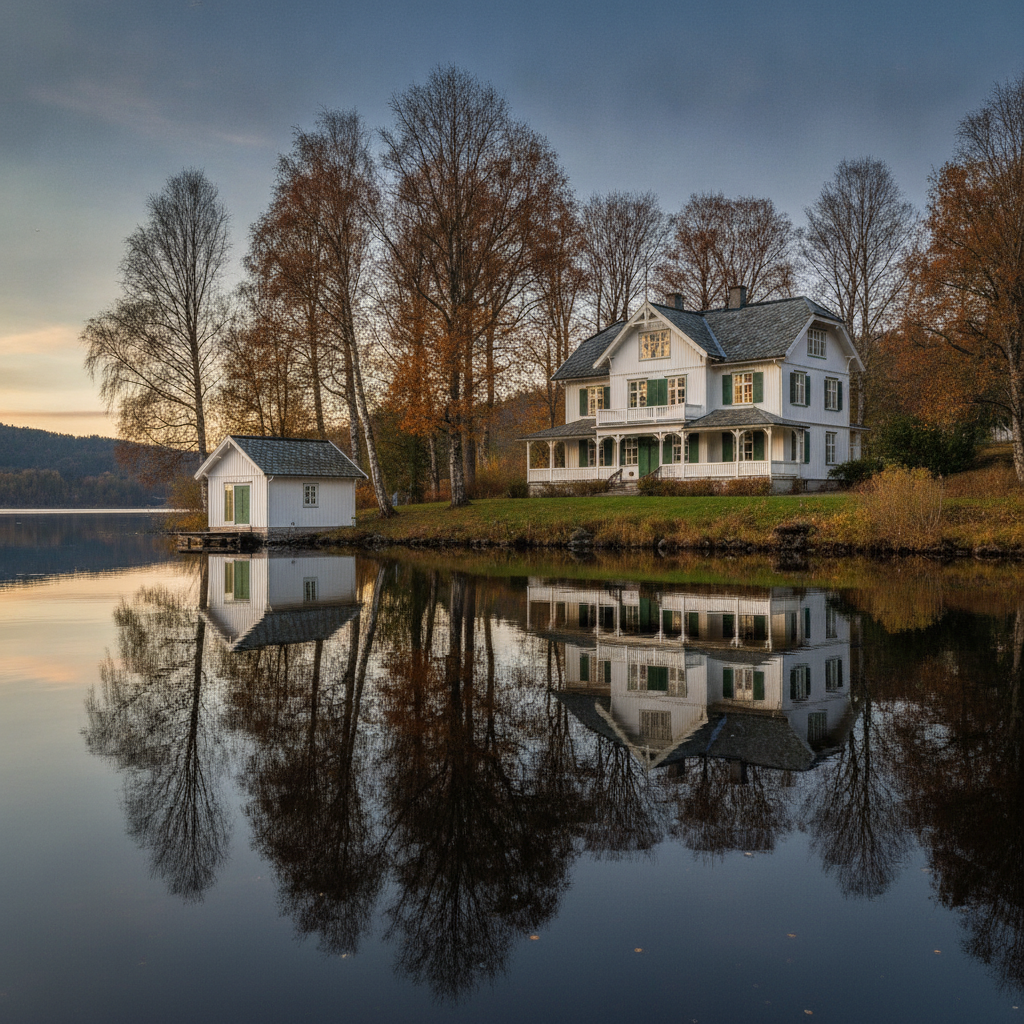
Troldhaugen (Troldhaugenvegen 65, the Grieg summer villa 8km south of Bergen centre, accessible by bus 4 to the Hop bus stop then 10-minute walk following the signs, €14 adults, May-September daily 9am-6pm, October-April Monday-Friday 10am-4pm, Saturday-Sunday 10am-6pm): the villa (the 1885 wooden villa in the Swiss chalet style, the building designed by Schak Bull the Bergen architect — the white exterior and the green shutters, the wraparound veranda overlooking the Nordåsvannet lake, the interior preserved as it was at the time of Grieg's death in 1907 — the original furniture, the wallpaper, the books in the bookcase, the photographs on the desk including Nina Grieg and the Grieg composition manuscripts), the hytta — the studio cabin (the small wooden cabin at the lake's edge, the separate composition workspace where Grieg composed from June to November each year 1891-1907, the cabin a single room with the piano, the writing desk, and the window facing the lake — the most intimate composer's workspace in Norwegian cultural heritage, the cabin the essential emotional core of the Troldhaugen visit, the cabin accessible from outside by looking through the window at the piano and the desk), the museum (the modern museum building adjacent to the villa, the exhibition on Grieg's life and music — the composition manuscripts in facsimile, the personal correspondence including the letters to Brahms, Tchaikovsky, and Debussy who all visited Troldhaugen — and the concert hall), the gravesite (the Grieg and Nina graves cut into the rock face above the lake at Grieg's request, the graves in the living Norwegian granite, the most unusually situated composer's tomb in Europe).
- 3
Troldhaugen Concerts — Chamber Music in the Garden
The Troldhaugen concert programme (the summer concert series June-September in the Troldhaugen concert hall, the hall built 1985 for the Grieg centenary — 200 seats in the purpose-built hall adjacent to the villa, the acoustic designed specifically for the Grieg piano repertoire, the summer series the most important chamber music programme in western Norway): the concert format (the concerts on Wednesday, Saturday, and Sunday afternoons at 1:30pm, duration 60-70 minutes without interval, the programme centred on the Grieg piano works — the Lyric Pieces, the Sonata for piano and violin, the Cello Sonata, the Piano Concerto in the chamber reduction version — performed by the Norwegian and Scandinavian soloists and ensembles of the highest quality, the tickets at €30-50 at troldhaugen.no, the concerts the most intimate professional concert experience in Bergen, booking recommended 2 weeks in advance for the summer Saturdays), the Bergen International Festival concerts at Troldhaugen (the festival programmes 3-4 additional concerts in late May and early June of international soloists and the Bergen Philharmonic in the chamber format, the most high-profile concerts of the Troldhaugen year, the tickets at festspillene.no at €40-80), the Grieg piano trail (the Steinway Concerto Grand of 1892 in the museum — the piano Grieg specified for the Troldhaugen concert room, the piano maintained and tuned by the Troldhaugen staff, the instrument available for the audience to see and touch after the Sunday afternoon concerts — the most directly physical connection to the composer available at the museum) and the concert in the garden (the outdoor concerts in the Troldhaugen garden in July-August when the weather permits — the informal garden setting, the audience in the garden chairs, the performers on the villa veranda — the most uniquely atmospheric musical event in Norway when the conditions are correct, the programme at troldhaugen.no with the rain-contingency plan specifying the indoor hall fallback).
- 4
The Bergen Philharmonic — Norway's Oldest Orchestra
Bergen Philharmonic Orchestra (Harmonien, Edvard Griegs plass 1, the Grieg Hall, the second-oldest symphony orchestra in the world — founded 1765 as the Harmonien musical society, the orchestra older than the United States, the foundation preceding the Bergen Philharmonic of any Scandinavian capital — the orchestra of 95 musicians performing the full symphonic repertoire September-May, the Grieg Hall the dedicated concert hall opened 1978): the orchestra's history (the 18th-century Bergen Harmonien society the music club of the Bergen merchant class, the Grieg family the long-term organizers — Grieg's mother Gesine Hagerup organized the concerts in the 1840s, the young Grieg the soloist in his own Piano Concerto at the Bergen premiere in 1872, the orchestra the institution that trained the Bergen musical culture that produced Grieg himself), the current orchestra (the international reputation built under the conductorships of Andrew Litton and Edward Gardner — the Gardner period 2003-2015 the most internationally recognized, the cycle of Vaughan Williams and Britten symphonies recorded for Chandos the most internationally acclaimed Bergen Philharmonic recordings, the orchestra currently conducted by the Norwegian conductor Eirik Søfteland since 2022), the Grieg Hall concerts (the main season September-June, the tickets at €30-100 at harmonien.no, the Thursday evening concerts the most regularly attended by the Bergen public — the season subscription the most popular arts subscription in western Norway — and the family concerts on Sunday mornings the most accessible entry point for first-time visitors to the orchestra) and the Grieg Internasjonal Pianokoncurranse (the Edvard Grieg International Piano Competition, held every 4 years in Bergen, the competition for pianists under 30, the most important international piano competition in Scandinavia, the previous winners going on to major international careers).
- 5
Norwegian Folk Music — Hardanger Fiddle and the Living Tradition
Norwegian folk music (the living musical tradition parallel to the classical concert culture, the hardingfele — the Hardanger fiddle — the instrument of the Norwegian folk tradition most closely associated with the Hardangerfjord district around Bergen, the 8-string instrument with the sympathetic strings resonating under the soundboard producing the distinctive drone-like quality, the music of the springar dance and the slåtter performance tradition the UNESCO Intangible Cultural Heritage since 2009): the hardingfele players (the tradition strongest in the inner fjord districts of Voss, Hardanger, and Telemark — the specific regional tunings and the ornamental traditions of the different districts creating distinct musical dialects, the Voss fiddler tradition the closest to Bergen, the Møllargutten — the 19th-century folk fiddler Torgeir Augundsson, nicknamed 'The Miller Boy' — the legendary figure of Norwegian folk fiddle playing, the source for Grieg's folk-influenced Slåtter Op.72 for piano — the only classical piano transcription of the hardingfele tradition), Voss Folk Music Festival (the folk music gathering in Voss in the first week of July, the most important Norwegian folk music festival, the traditional hardingfele competitions alongside the contemporary Norwegian folk fusion — the new Norwegian folk movement combining the hardingfele tradition with jazz, rock, and electronica — the programme at vossajazz.no, the Voss Jazz festival in April complementing the folk event with the jazz programming), and the Bergen folk music scene (the Folkemusikkbygningen at Musikanten, Grieghallen, the Bergen folk music school and archive — the institution preserving and teaching the hardingfele tradition in the urban context, the public concerts and the school performances announced at the Bergen Tourist Information, the living folk music tradition the complement to the Grieg concert culture in the complete Bergen musical experience).
- 6
The Bergen Light Festival — February Darkness to Light
The Bergen Light Festival (Bergen Lyskultur / Bergen Light Festival, the annual outdoor light installation event held in February, the most visited cultural event of the Bergen winter and one of the most photographed winter events in Norway): the festival format (the 4-day event in mid-February transforming the Bergen city centre with the large-scale outdoor light installations by Norwegian and international artists, the Bryggen buildings the primary canvas for the projection art — the 300m facade of the Hanseatic wharf buildings used as the screen for the large-scale video mapping projections, the 20-30 installations across the city centre connected by the festival walking route, the route taking 1.5-2 hours to complete at a leisurely pace, free to attend for all outdoor installations, €10-20 for the indoor events programme): the key installations (the Bryggen projection — the 25-minute video mapping programme on the Bryggen facade, the most attended single event of the festival, the programme running every 30 minutes from 6pm to 11pm, the best viewing position from the Fish Market square directly opposite — the Bergenhus Fortress installations the most dramatically lit, the Tower and the Håkonshall facade illuminated in the changing colour sequences that reference the Norse mythology — and the Lille Lungegårdsvannet lake light installation, the floating light objects on the city centre lake, the most relaxed installation accessible from all sides of the park), and the festival context (the February timing addressing the darkest and rainiest period of the Bergen year, the festival the correct response to the Bergen winter challenge — the darkness made productive rather than merely endured, the Bergen approach to the January-February period through the activation of the public space in the night hours one of the most effective civic strategies in Scandinavia for the psychological management of the dark season).
Walk this route with audio
Stories play automatically as you reach each stop — no tapping needed.
More in bergen
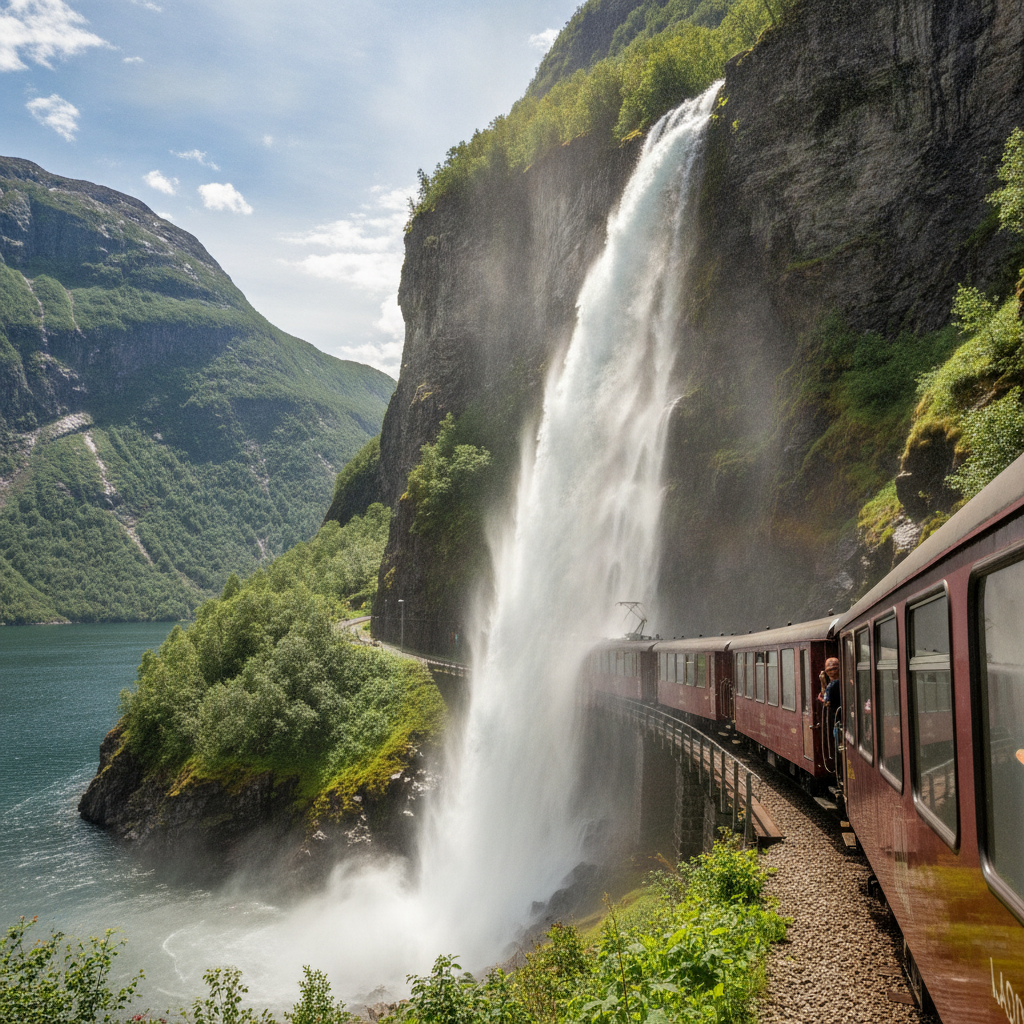
Bergen to the Fjords — the Flåmsbana Railway, Sognefjord & the Norway in a Nutshell Circuit
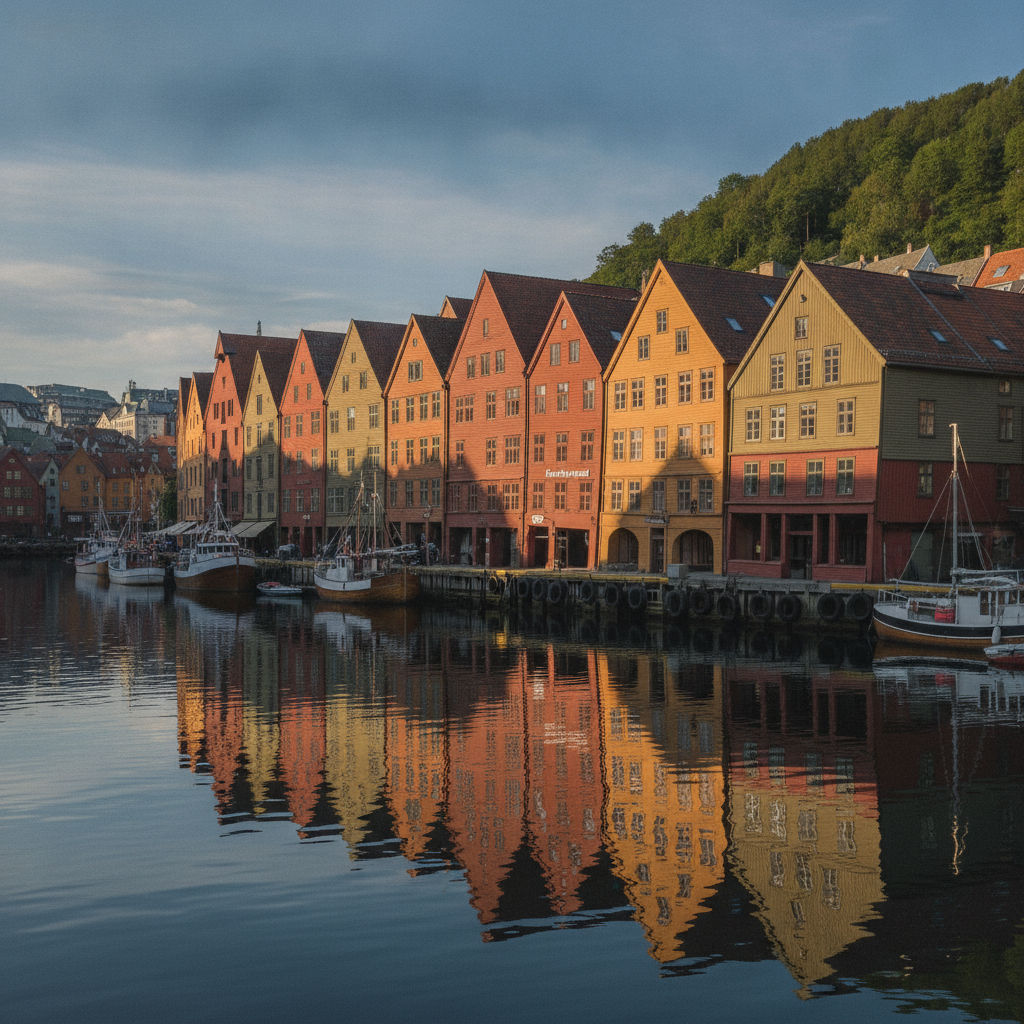
Bergen — Bryggen UNESCO Wharf, the Fish Market & the Fløibanen Funicular to the Mountain
Bergen Medieval History — Bergenhus Fortress, Håkonshall & the Norwegian Royal Past
Bergen Art & Architecture — KODE Museums, Norwegian Design & the City Life of Bergen