Bissau's Colonial Ruins & Post-War Architecture
Bissau is one of Africa's most melancholy capitals — the 1998 civil war destroyed much of the colonial city, leaving a haunting landscape of bullet-scarred buildings and tropical vegetation reclaiming the ruins
- 1
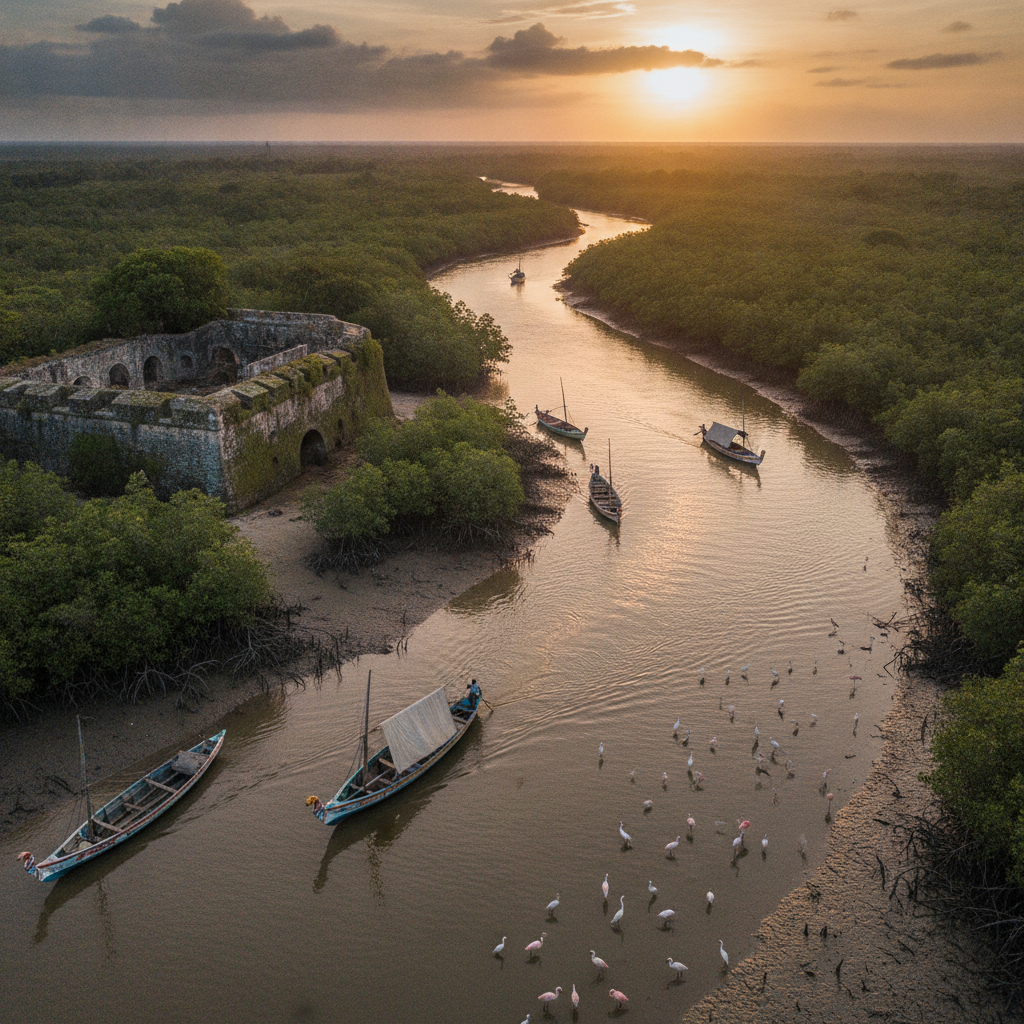
Fortaleza d'Amura Ruins
The Portuguese fort - built in 1753 - stands at the edge of the estuary where it has witnessed 250 years of history; its cannons still point at the river in various states of disrepair
- 2
War damage to the presidential palace
The former presidential palace was badly damaged during the 1998 civil war - its severed shell, overgrown with tropical vegetation, is Bissau's most dramatic monument to political violence
- 3
Bissau-Velho Old Town
The oldest neighborhood in Bissau near the estuary has Portuguese colonial buildings in varying states of disrepair - some occupied and crumbling, others restored as government offices
- 4
The National Assembly building
The Parliament building – another Civil War offering – has been partially restored with international funding; Guinea-Bissau's extraordinary political instability visible in the building's history
- 5
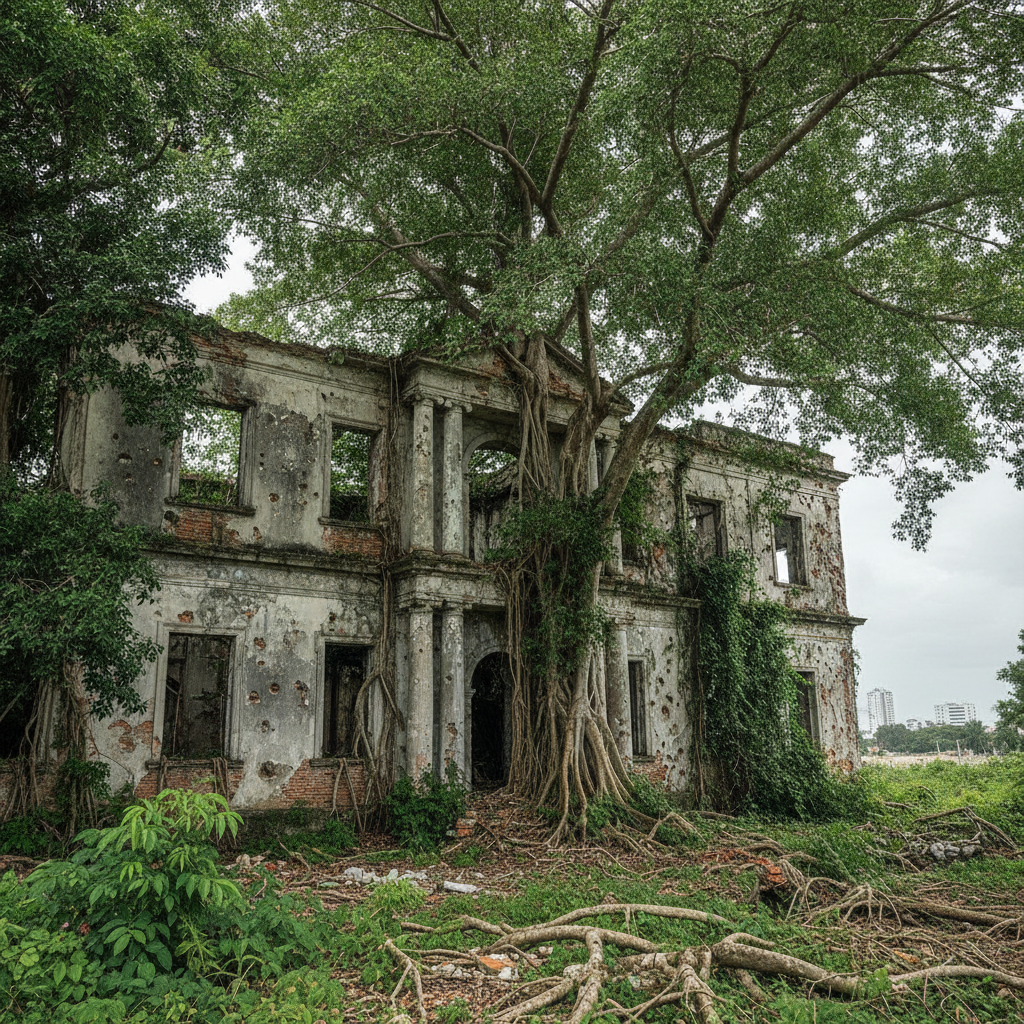
Tropical vegetation that recycles buildings
Photographs of pre-war Bissau show elegant colonial streets; today, tropical vines and trees grow through roofless buildings — a visual record of political collapse and abandonment
- 6
Post-War Reconstruction Quarter
New neighborhoods built since 2000 show Bissau's attempt to rebuild — simple concrete construction replacing the Portuguese townhouses destroyed in the fighting
Walk this route with audio
Stories play automatically as you reach each stop — no tapping needed.
More in Bissau
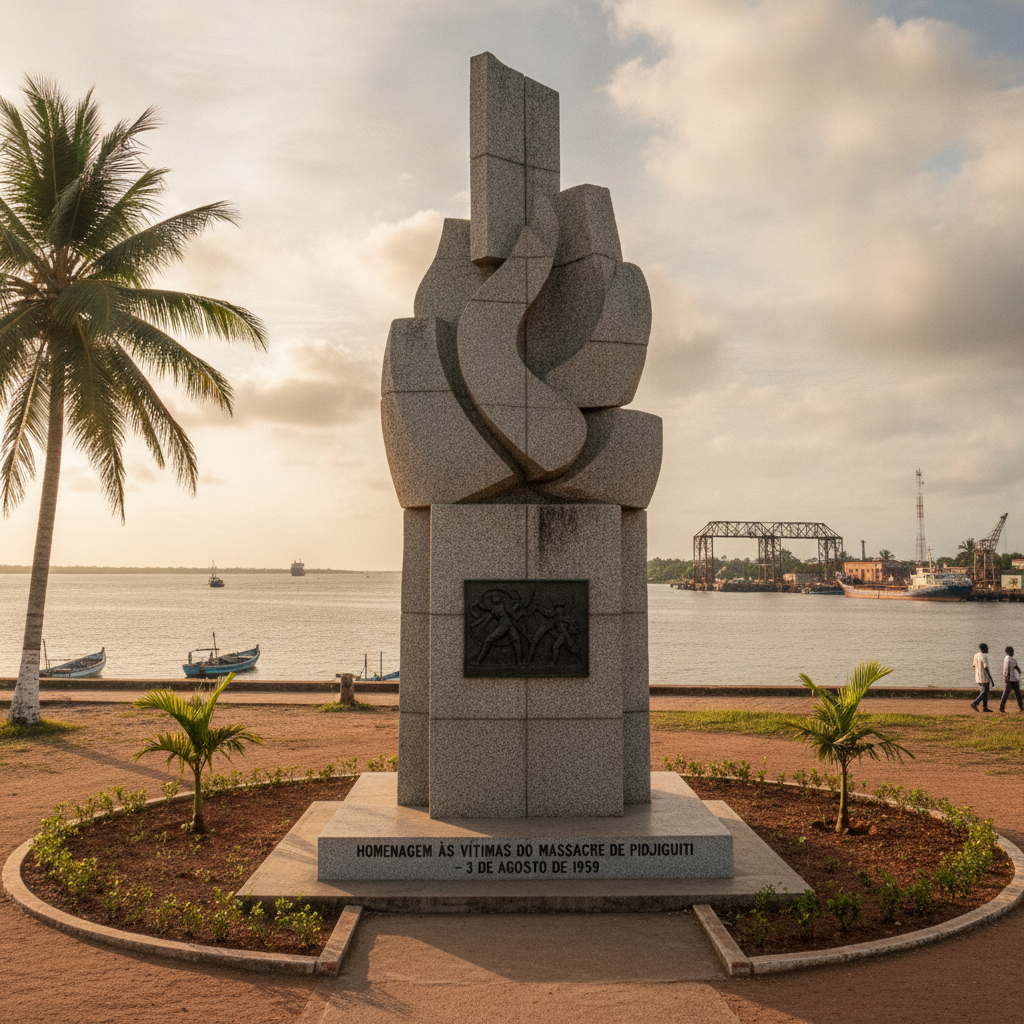
Pidjiguiti Massacre & Guinea-Bissau's Liberation History
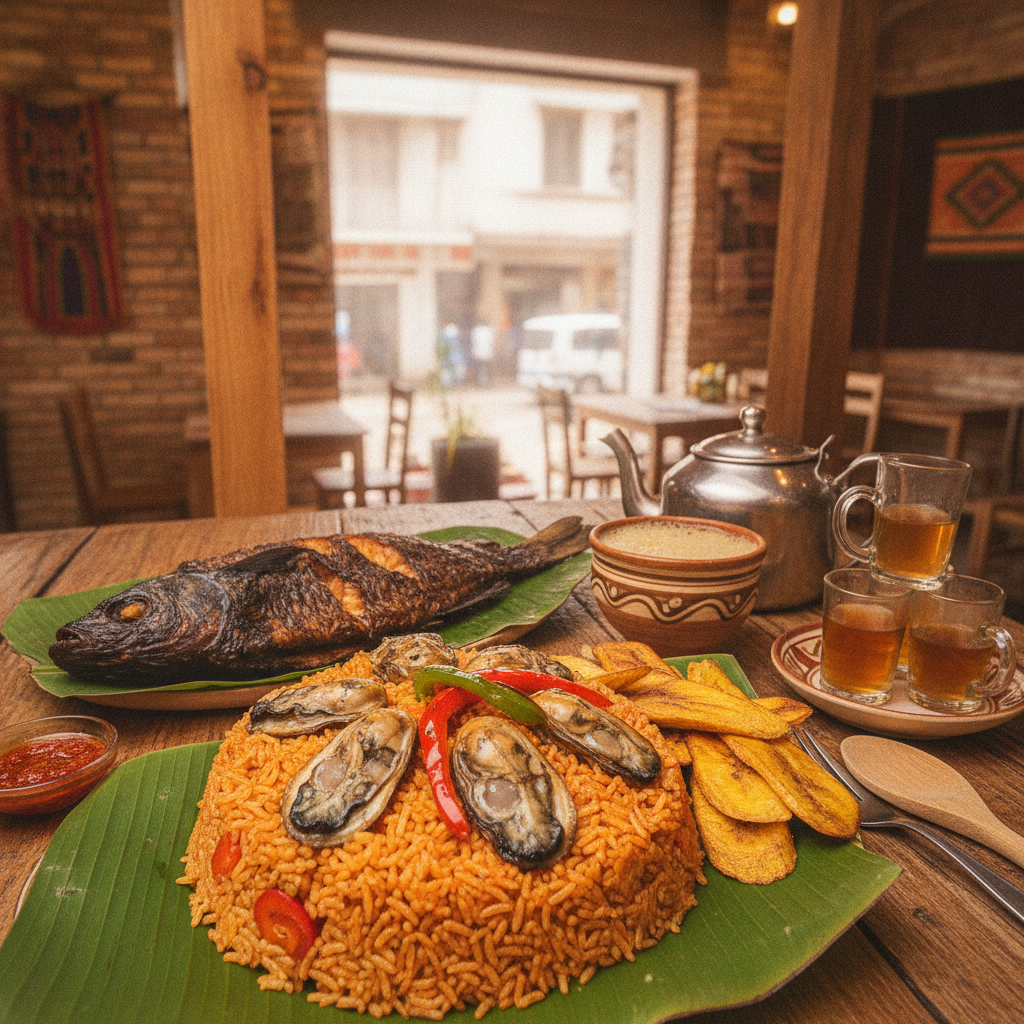
Guinea-Bissau Cuisine: Smoked Oysters, Caldo & Estuary Seafood

Orango's Marine Hippos: The World's Only Salt-Water Hippopotami
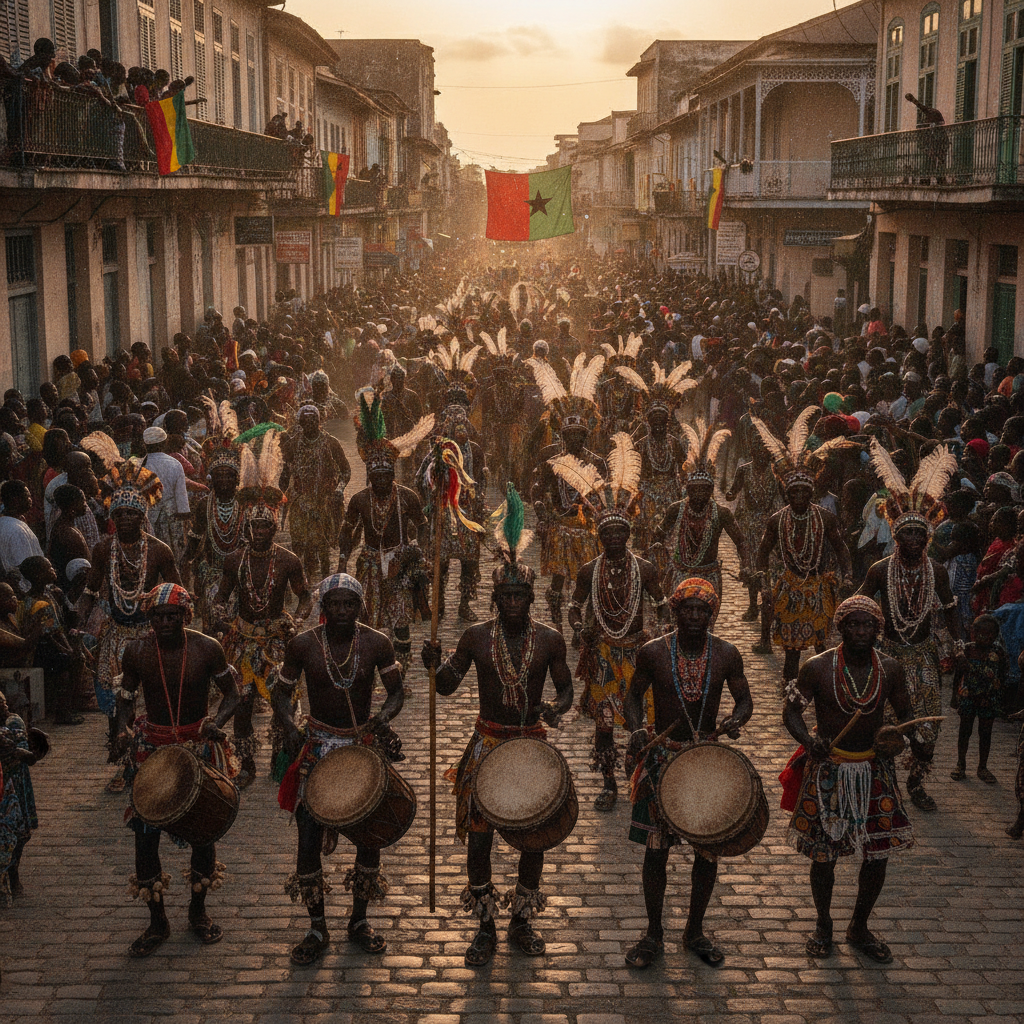
Tabanka & Carnival: Guinea-Bissau's Musical Traditions
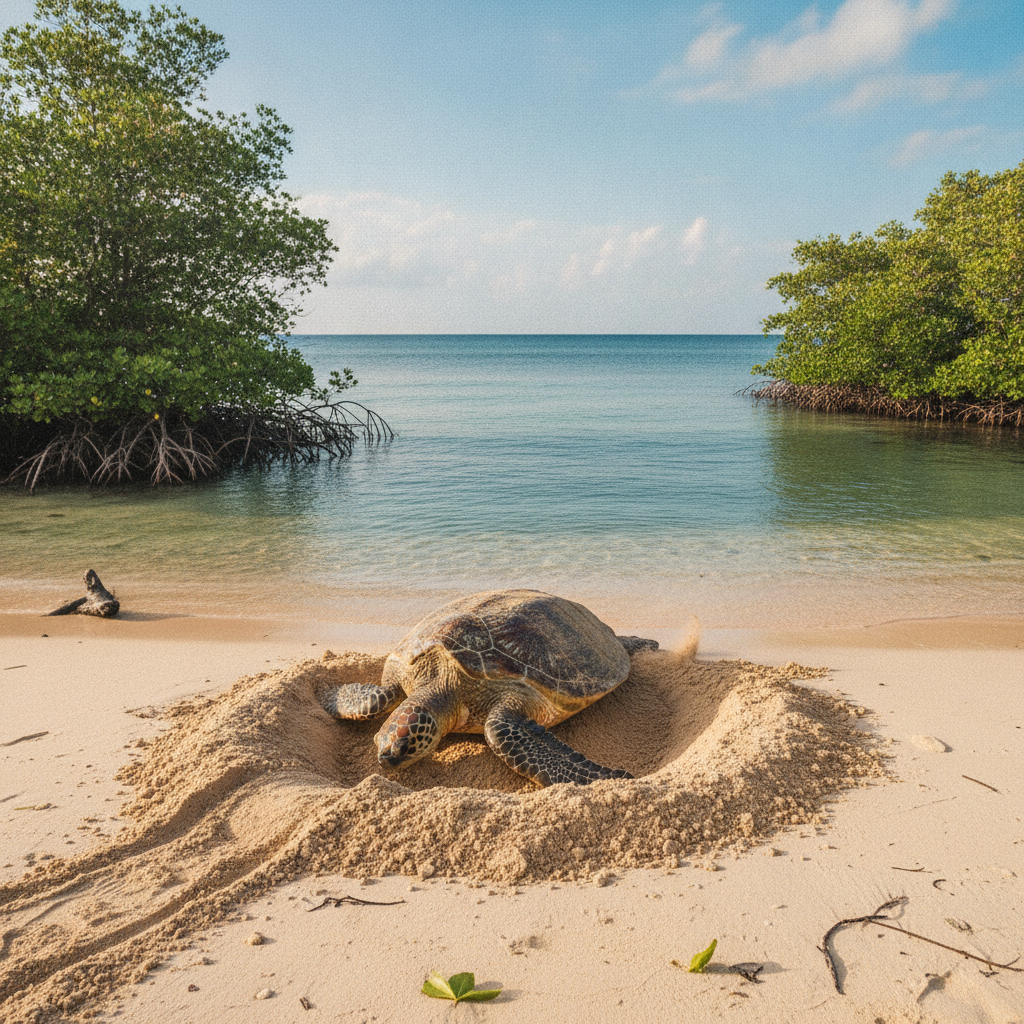
Bijagós Archipelago: UNESCO Biosphere Reserve & Turtle Nesting