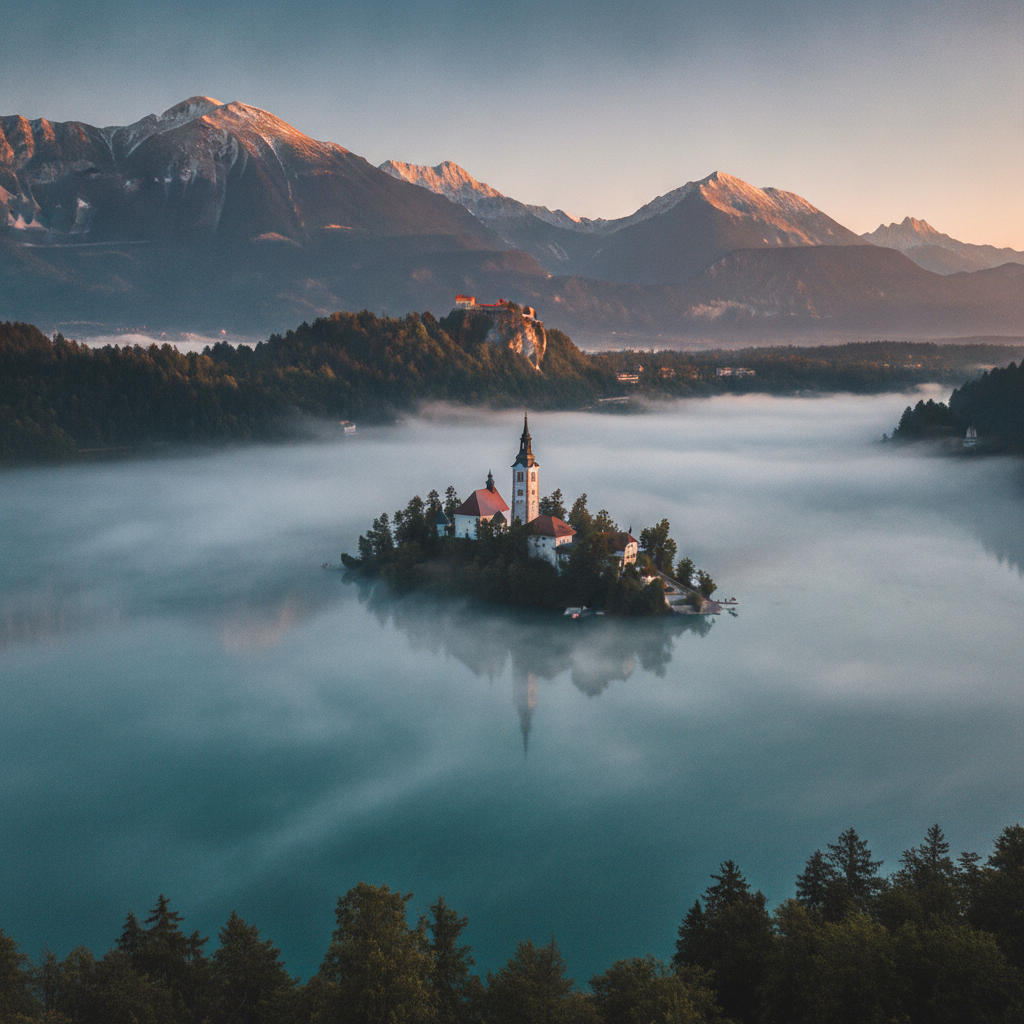
Beyond Bled: Bohinj, Soča's Turquoise Waters & the Sacred Summit of Triglav
Escape Bled's crowds to Slovenia's wilder Julian Alps—Lake Bohinj's pristine swimming, the 78-metre Savica waterfall that inspired Slovenia's national poem, the Vogel cable car ascending to Triglav panoramas, the turquoise Soča river where Hemingway set 'A Farewell to Arms', and the 50-switchback Vršič pass built by WWI Russian prisoners.
- 1
Lake Bohinj – The Wilder Alternative
Lake Bohinj (Bohinjsko jezero), 26 km southwest of Bled, is Slovenia's largest permanent lake and far less visited—a wilder, quieter experience of alpine water with no island, no castle, and a fraction of Bled's tourist infrastructure. Swimming in Bohinj is superb; the water is colder and cleaner than Bled. The lake sits within Triglav National Park; the Ribčev Laz village at the eastern shore has the remains of a 14th-century church with Gothic frescoes and a remarkable carved wooden belfry.
- 2
Savica Waterfall – The Julian Alps' Most Beautiful
The Savica waterfall, 5 km from Lake Bohinj's western end, drops 78 metres through a narrow cleft in a sheer cliff—among the most dramatic waterfalls in the Eastern Alps. The 20-minute walk from the car park passes through forest; the final approach is steep wooden stairs. The poet France Prešeren wrote his masterwork 'Baptism at the Savica' (1836) here; the waterfall has national literary significance in Slovenia.
- 3
Vogel Cable Car & Julian Alps Views
The Vogel cable car above Lake Bohinj ascends to 1,535 metres in 4 minutes, delivering one of Slovenia's greatest high-altitude panoramas—Lake Bohinj 1,000 metres below, Mount Triglav directly ahead, the Adriatic Sea visible on clear days to the southwest. In winter, Vogel is a small but excellent ski resort; in summer it is the starting point for alpine hikes of varying difficulty. The cable car operates year-round, weather permitting.
- 4
Soča River Valley – Turquoise Kayaking
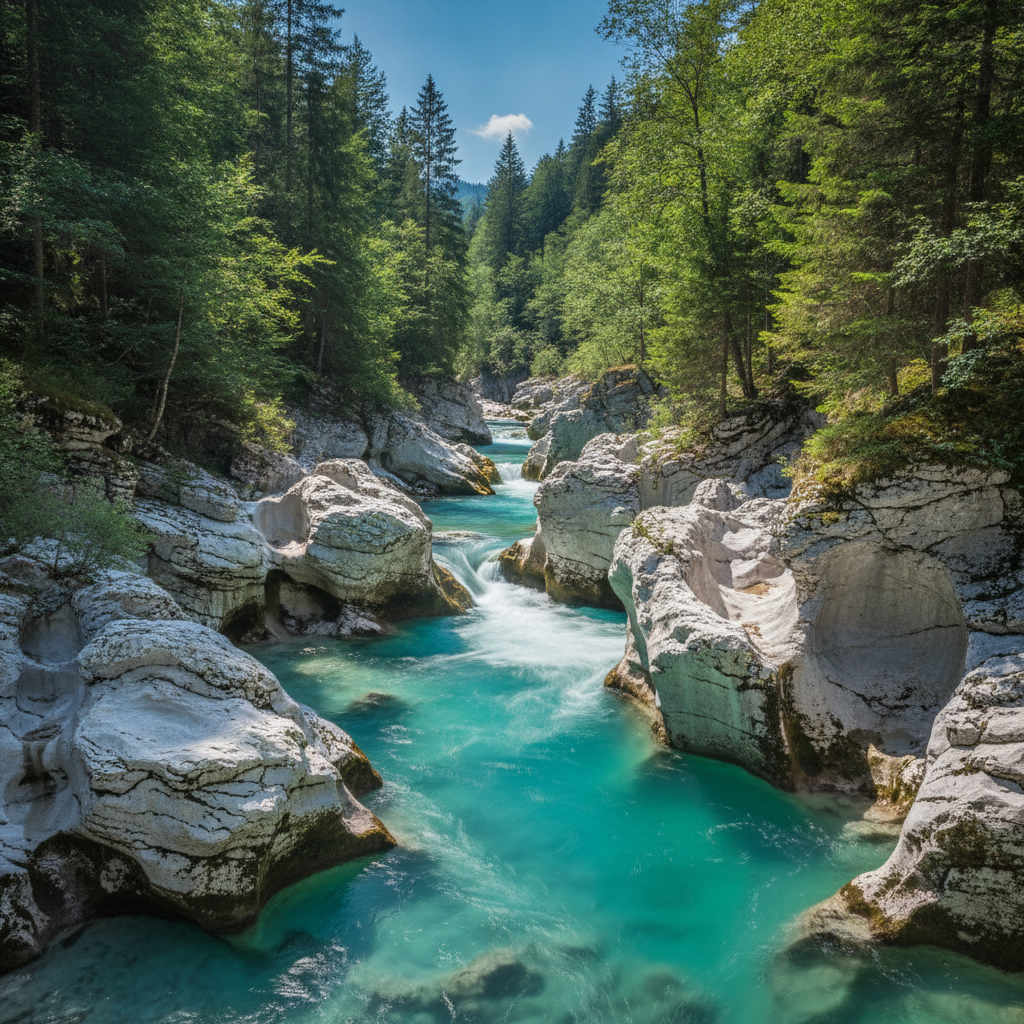
The Soča (Isonzo) river, 40 km west of Bohinj, is Slovenia's most spectacular—an almost impossibly vivid turquoise colour derived from glacial rock flour suspended in the water. The Soča was the site of the WWI Isonzo Front (1915–1917)—twelve battles in which 300,000 men died—documented in the Kobarid Museum (Hemingway's 'A Farewell to Arms' is set here). Today the Soča valley is Slovenia's top destination for whitewater kayaking, rafting, and fly fishing.
- 5
Kranjska Gora & Vršič Pass
Kranjska Gora (30 km north of Bled) is Slovenia's premier ski resort and the finish of the annual World Cup slalom race. In summer it is the base for the Vršič Pass (1,611 m)—a 50-switchback mountain road built by Russian prisoners of war in 1915 (the Russian Chapel at switchback 8 commemorates them) connecting the Julian Alps to the Soča valley. The Vršič pass road is one of the most dramatic mountain drives in the Alps.
- 6
Mount Triglav – Slovenia's Sacred Summit
Mount Triglav (2,864 m) is Slovenia's highest peak and its national symbol—appearing on the flag, coat of arms, and every €0.50 coin. The Slovenian tradition holds that every Slovenian must climb Triglav at least once. The most popular route from the Bohinj valley takes 2 days with an overnight in mountain huts; the final approach involves fixed-rope via ferrata sections. From the summit on clear days, Austria, Italy, Croatia, Hungary, and the Adriatic are all visible.
Walk this route with audio
Stories play automatically as you reach each stop — no tapping needed.
More in Bled
Bled Deep Dive: WWI History, Tito's Villa, Cycling & Slovenia from Bled
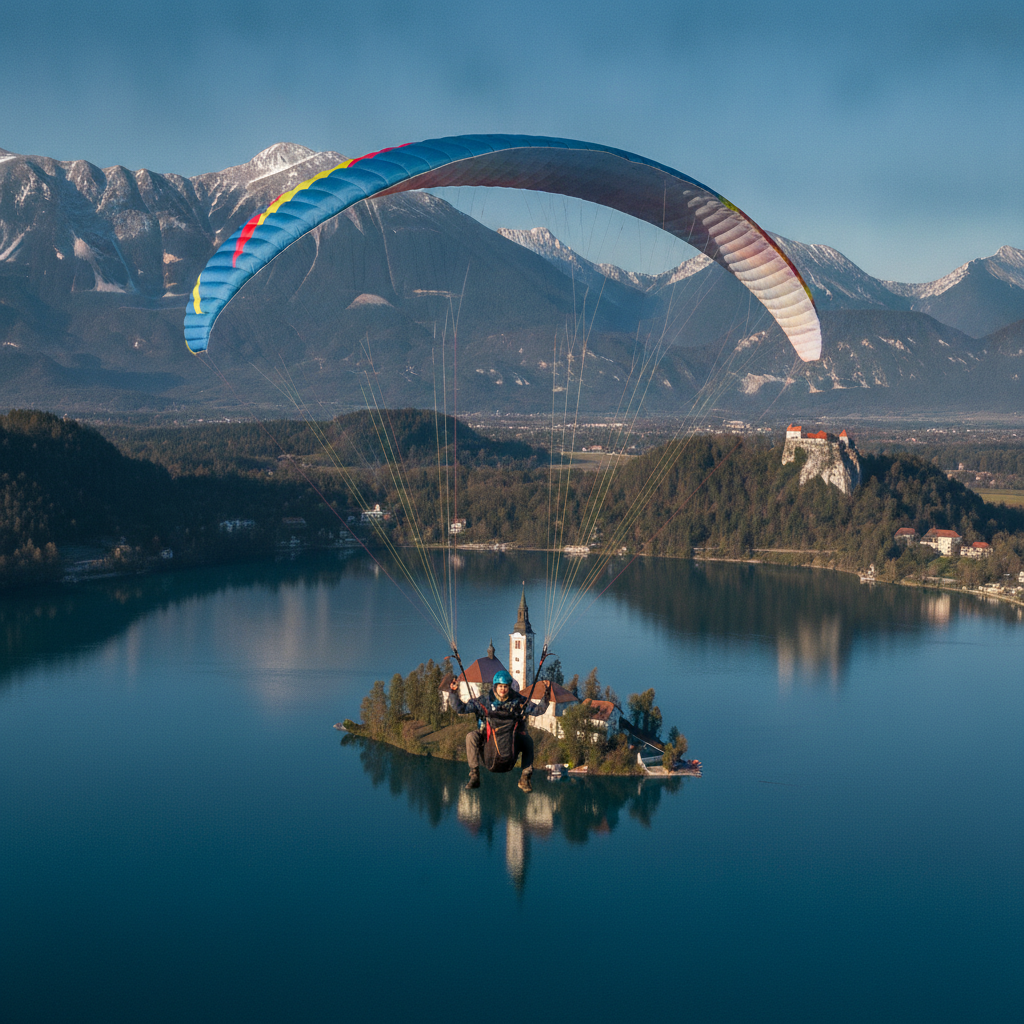
Bled Adventure: Sunrise Hikes, Lake Swimming, Paragliding & Canyoning
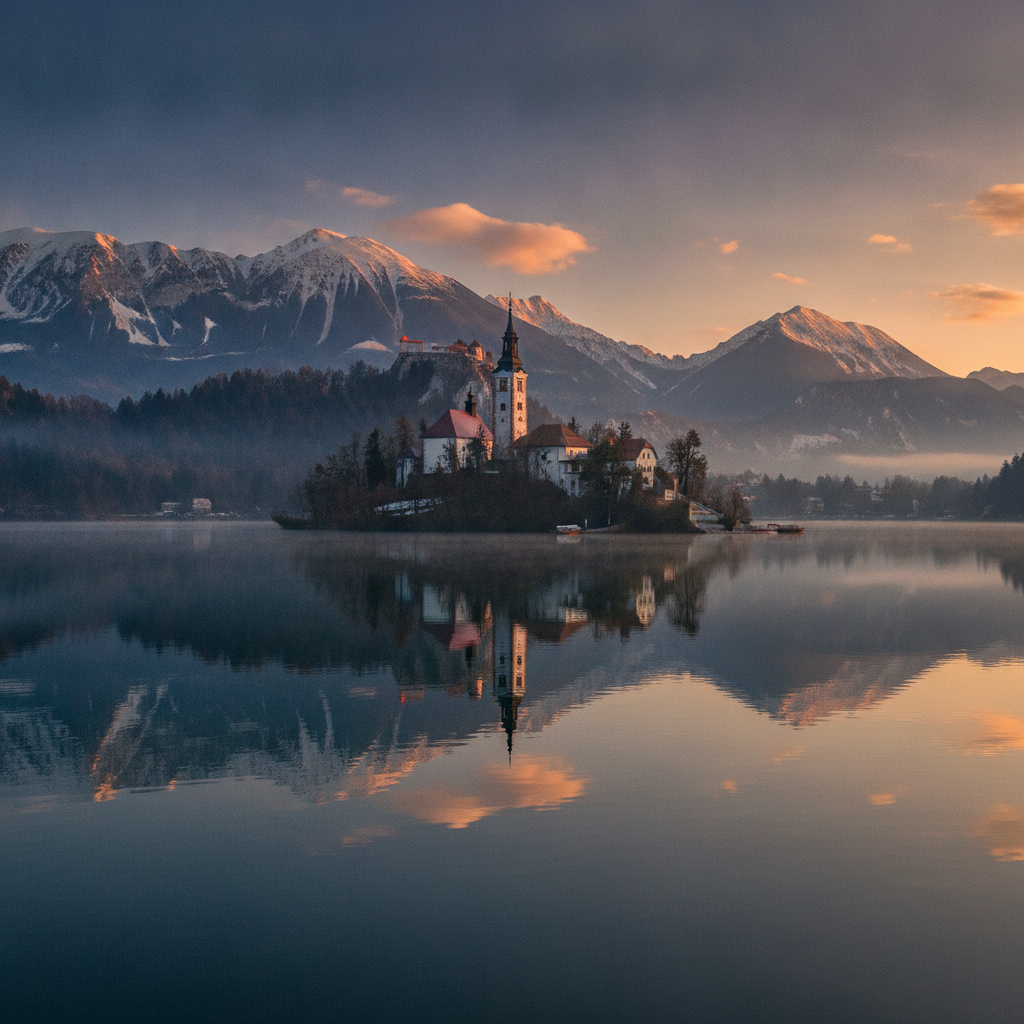
Bled Essentials: Island Church, Clifftop Castle & the Famous Cream Cake
Bled Context: Habsburg Spa Origins, Overtourism & Moving On