Bled Context: Habsburg Spa Origins, Overtourism & Moving On
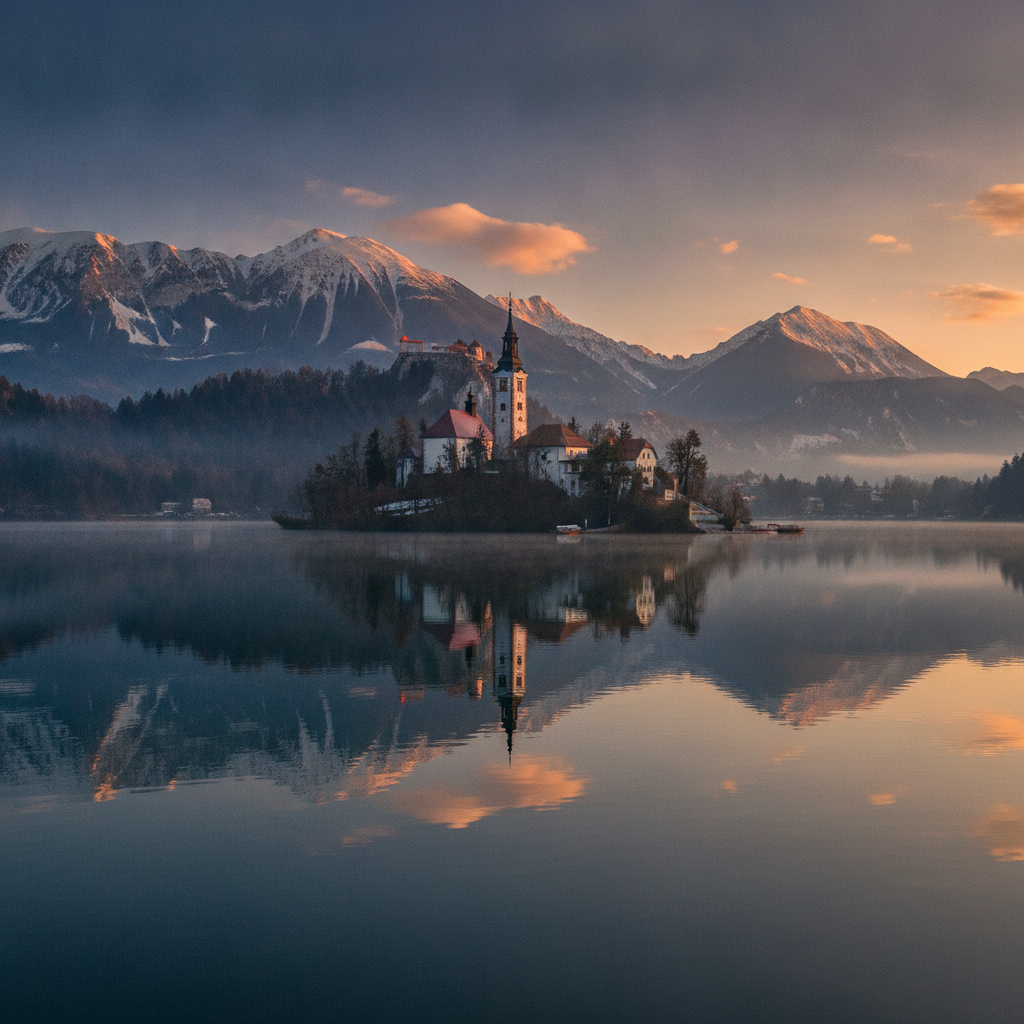
Understand Bled beyond the photograph—how Swiss doctor Arnold Rikli made it a Habsburg aristocratic spa in 1855, how Instagram turned 2 million annual visitors into a village of 8,000 permanent residents, the local rowing tradition and market town life beneath the tourism, and using Bled as a launchpad for Zagreb, Venice, and Vienna.
- 1
Bled's Tourism History – From Habsburg Spa to Instagram
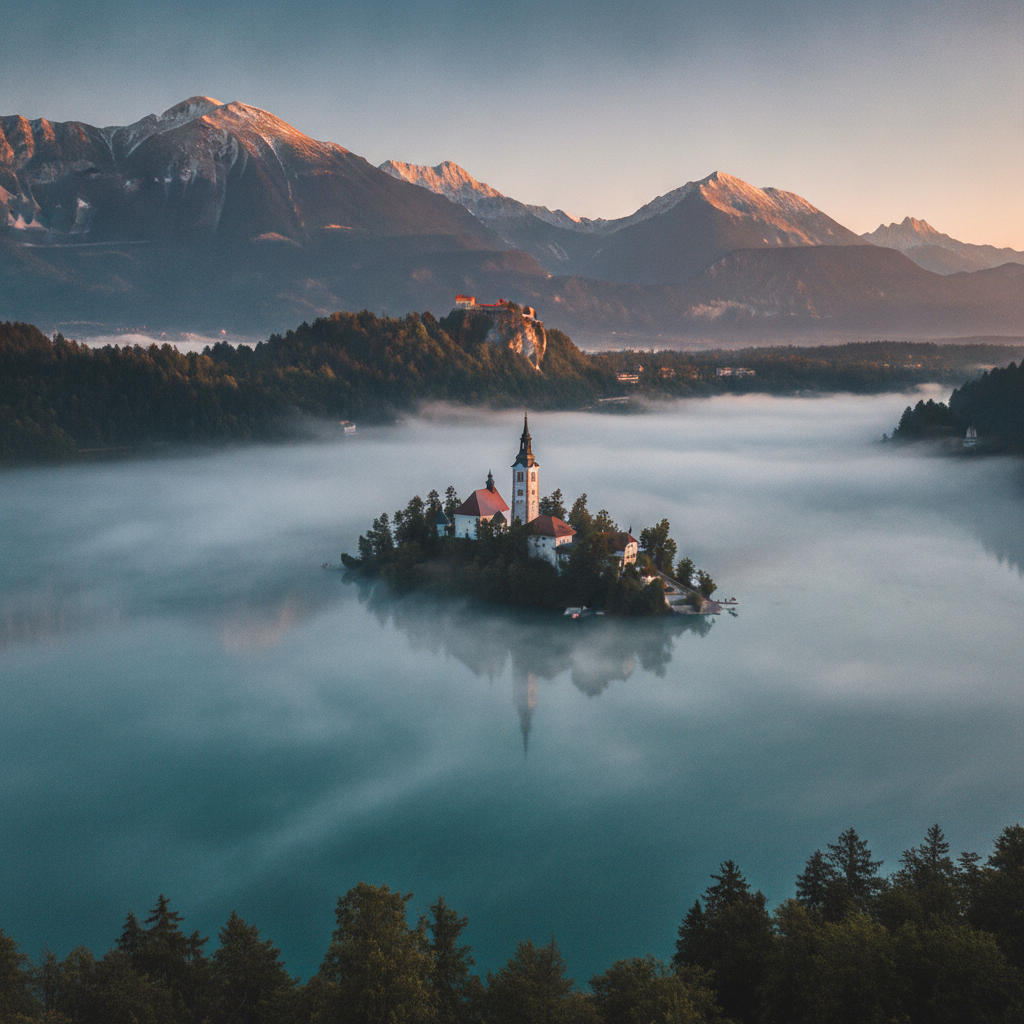
Bled was developed as a luxury spa resort by the Swiss doctor Arnold Rikli, who arrived in 1855 and promoted cold-water cures and fresh mountain air. The Habsburg aristocracy and European royalty followed; by 1900 Bled had grand hotels, a casino, and a reputation as 'the Alpine Riviera.' The Yugoslav royal family (King Alexander) built the royal villa on the lake; Tito later appropriated it. Instagram discovered Bled around 2015 and visitor numbers have multiplied, raising questions about overtourism.
- 2
Overtourism & Managing Bled's Crowds
Bled receives around 2 million visitors per year in a lake village of 8,000 permanent residents—an extreme overtourism ratio. In peak summer, the pletna dock queues can exceed 2 hours; parking is full by 9am; the Ojstrica viewpoint is constantly occupied. The municipality has introduced visitor management measures including timed-entry for the island church, regulated parking, and promotion of shoulder-season travel. Some analysts compare Bled's situation to Venice and Dubrovnik.
- 3
Bled Town & Local Life
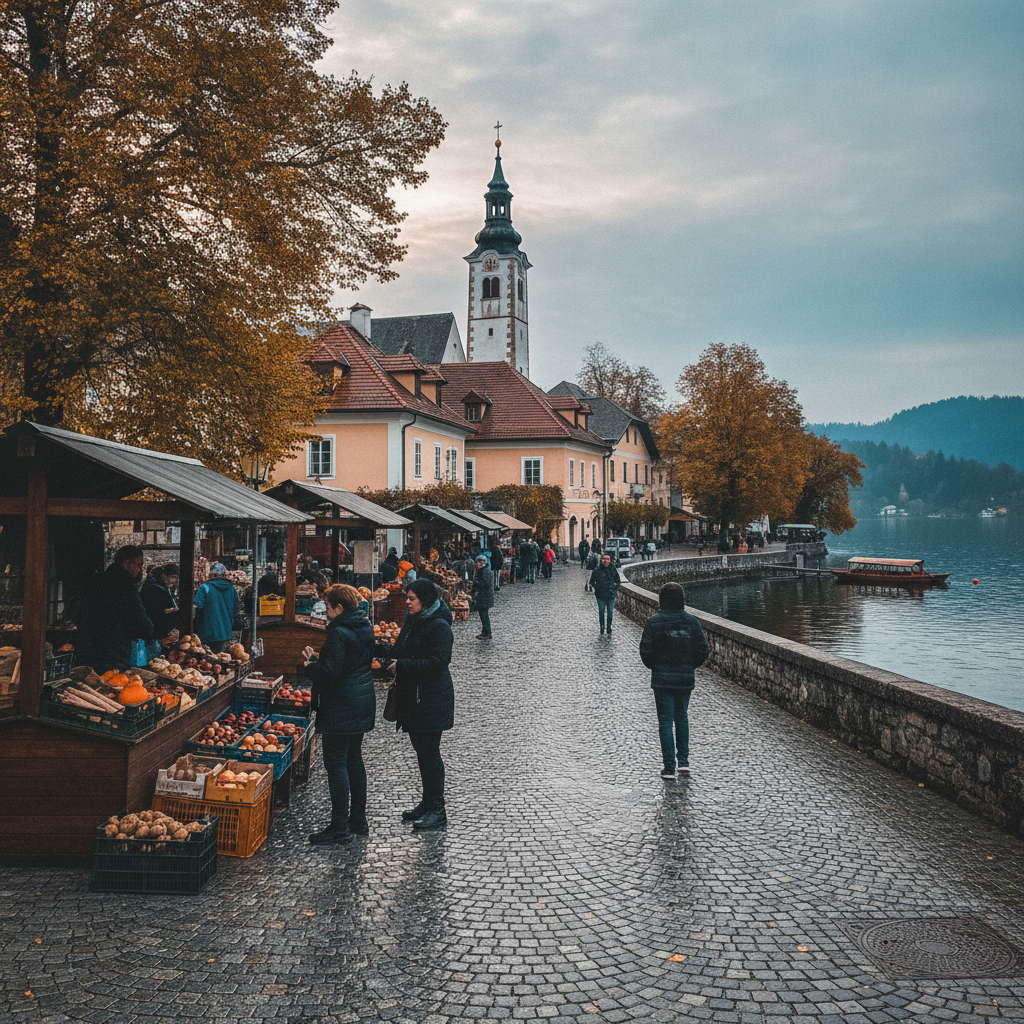
Beneath the tourist infrastructure, Bled is a genuine Slovenian market town—the covered market sells local produce on weekend mornings; the Mercator supermarket serves locals; the Bled sports hall hosts national volleyball and basketball competitions. The annual Bled International Rowing Regatta is the most important event in the local calendar; the town has produced Olympic rowers. Locals have a complex relationship with tourism—economically dependent but culturally protective of their community.
- 4
St Martin's Parish Church & Bled's Religious Heritage
St Martin's Parish Church (1905, neo-Gothic revival) stands prominently on the hill above the eastern shore, its tower visible across the lake. The church contains 15th-century Gothic frescoes discovered during renovations and a remarkable modern mosaic. The town also has a small Jewish memorial commemorating the Bled Jewish community deported in 1942. The island church and the parish church together give Bled an unusual density of religious heritage for a village of its size.
- 5
Bled's Wine & Rakija Culture
Although Bled itself is not in a wine-producing region, the Slovenian wine regions are within 2 hours—Goriška Brda (Rebula white, 1 hour), Vipava Valley (Malvazija and Zelen, 1.5 hours), and the Karst (Teran red, 1.5 hours). Local gostilne serve Slovenian wines by the glass at excellent prices; the Park Hotel's wine cellar features a comprehensive Slovenian selection. Slovenian rakija (fruit brandy—pear, plum, quince) is the local spirit, served as a welcome drink in many establishments.
- 6
Leaving Bled – Onwards to Croatia, Austria & Italy
Bled's position at Slovenia's western edge makes onward travel straightforward. Zagreb (Croatia) is 2 hours by car or bus—the Plitvice Lakes are a further 1.5 hours. Graz (Austria) is 2.5 hours north. Venice (Italy) is 3 hours west via the Soča valley and Trieste. The Interrail network connects Ljubljana (1 hour from Bled) to Vienna, Munich, and Rome. For travellers combining Alpine Slovenia with the Adriatic or Balkan routes, Bled is a natural start or end point for a Central European circuit.
Walk this route with audio
Stories play automatically as you reach each stop — no tapping needed.
More in Bled
Bled Deep Dive: WWI History, Tito's Villa, Cycling & Slovenia from Bled
Bled Adventure: Sunrise Hikes, Lake Swimming, Paragliding & Canyoning
Beyond Bled: Bohinj, Soča's Turquoise Waters & the Sacred Summit of Triglav
Bled Essentials: Island Church, Clifftop Castle & the Famous Cream Cake