Bodrum History: Herodotus Birthplace, Ancient Halicarnassus and the Carian Satrapy, Artemisia Queen of Caria at Salamis, Mausolos and the Satrap Culture, the Crusader Period, and the Ottoman Conquest
The Bodrum history route covers the Herodotus birthplace in Halicarnassus and the Histories as the first work of prose history, the Carian satrapy and the Hecatomnid dynasty, the Queen Artemisia of Caria at the Battle of Salamis, the Mausolos cultural achievement and the Mausoleum, the Crusader Knights of Saint John, and the Ottoman conquest of 1522.
- 1
Herodotus: The Father of History Born at Halicarnassus
Herodotus of Halicarnassus, born in approximately 484 BC in the city that is now Bodrum and described by Cicero as the Father of History, wrote the Histories - the first systematic prose narrative of historical events in the Western tradition - covering the origins and the events of the Persian Wars between the Greeks and the Persians and providing the most detailed single account of the ancient Near East, Egypt, Scythia, and the Aegean world available from any ancient source. The Herodotus statue in the Bodrum harbour is the most appropriate single monument in the city.
- 2
Halicarnassus and the Hecatomnid Dynasty
Halicarnassus as the capital of the Carian satrapy of the Persian empire, administered by the Hecatomnid dynasty from approximately 395 to 334 BC in the unusual form of the hereditary Persian satrapy that combined the Persian imperial authority with the Greek cultural orientation of the Carian ruling family, was the most culturally sophisticated provincial capital in the Aegean world in the 4th century BC. The Hecatomnid dynasty, ruling from Mausolos through his wife and sister Artemisia II, produced the most culturally ambitious building program in the non-Greek Aegean world.
- 3
Artemisia I: The Queen Admiral at Salamis
Artemisia I, the queen of Halicarnassus and the commander of the Carian contingent in the Persian fleet at the Battle of Salamis in 480 BC, is the most historically significant female military commander in the ancient Aegean world and the character that Herodotus, her own compatriot, describes with the most admiring terms in the Histories. Artemisia advised Xerxes against the naval battle at Salamis and when ignored was nevertheless the only Persian naval commander to distinguish herself in the battle, sinking a Persian allied ship in her escape and convincing Xerxes that she had sunk a Greek vessel.
- 4
Mausolos: The Cultural Satrap and the Wonder Tomb
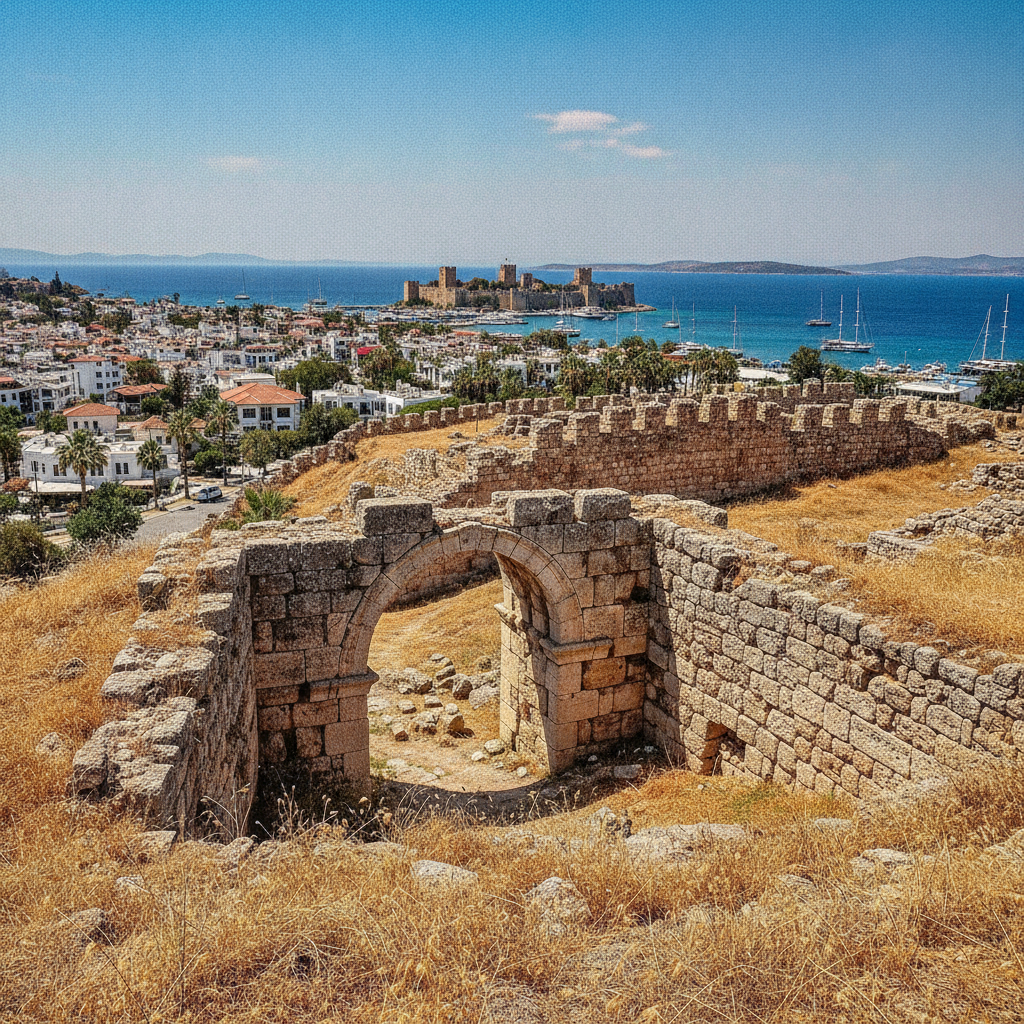
Mausolos, who ruled the Carian satrapy from 377 to 353 BC, built the Mausoleum - one of the Seven Wonders of the Ancient World - as his own tomb in the capital Halicarnassus, moved the capital from Mylasa to Halicarnassus, built the city walls that Alexander could not breach directly in his 334 BC siege, and created the most ambitious single cultural building program of any non-Greek ruler in the 4th century BC Aegean world. The Mausoleum, completed after his death by his wife Artemisia II who is said to have drunk his ashes in wine, gave the English language the word for any monumental tomb.
- 5
Crusader Bodrum: The Knights Hospitaller 1404-1522
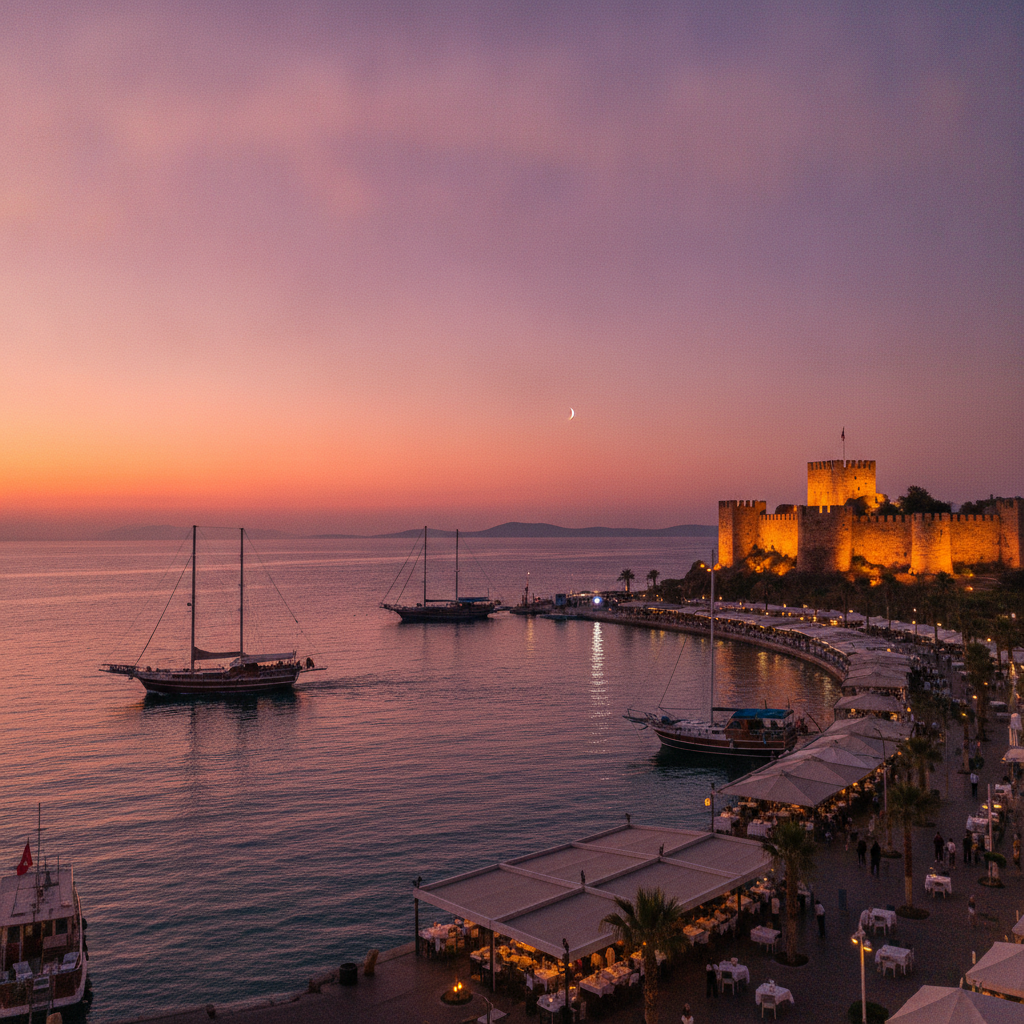
The Knights Hospitaller of Rhodes, who occupied the Bodrum site in 1402 after the retreat from their position in Smyrna following the Timur invasion, built the Castle of Saint John between 1404 and 1523 as the most western outpost of the Crusader presence in the Aegean, using the marble from the Mausoleum ruins as the primary building material in the most pragmatic example of ancient material reuse in the medieval Mediterranean. The castle flew the flag of the Knights until the 1522 Ottoman conquest of Rhodes forced the abandonment of all Hospitaller positions in the eastern Aegean.
- 6
Ottoman Bodrum: The 1522 Conquest and the Fishing Village
The Ottoman conquest of Bodrum in 1522, following the fall of Rhodes, converted the Crusader castle to an Ottoman defensive position and transformed the Halicarnassus site from the Crusader garrison town to the small Aegean fishing village that it remained until the tourism development of the 1970s. The Ottoman Bodrum of the 18th and 19th centuries, described by the Turkish poet Cevat Sakir Kabaagacli (Halikarnas Balikci, the Fisherman of Halicarnassus) in his novels and stories, is the authentic cultural foundation that the contemporary Bodrum tourism economy has overlaid but not entirely replaced.
Walk this route with audio
Stories play automatically as you reach each stop — no tapping needed.
More in Bodrum
Bodrum's Markets & Aegean Flavours
Bodrum and the Greek Islands: Kos Ferry and Hippocrates Birthplace, Symi Day Trip, Rhodes Connection, the Dodecanese from Bodrum, and the Turkey-Greece Aegean Island Hopping Circuit
Bodrum Peninsula Villages: Gumusluk Fishing Village and Rabbit Island, Turgutreis Saturday Market, Yalikavak Luxury Marina, Ortakent Wine and Local Life, and the Peninsula Village Circuit
Bodrum After Dark: Bar Street to Halikarnas
Aegean Beach Hopping Around the Bodrum Peninsula