Medellín, Cartagena & Colombia's Extraordinary Diversity
Colombia (the country with the greatest ecological and cultural diversity in the Americas — the only South American country with both a Pacific coast and a Caribbean coast, the country with the greatest bird species diversity in the world (1,878 species), and the country that has undergone the most dramatic positive transformation of any country in Latin America in the past 30 years (from the narco-violence of the 1980s-1990s to the vibrant cultural and economic powerhouse of today)): Medellín and Cartagena are the most essential destinations beyond Bogotá.
- 1
Cartagena de Indias — The Most Beautiful Colonial City in the Americas
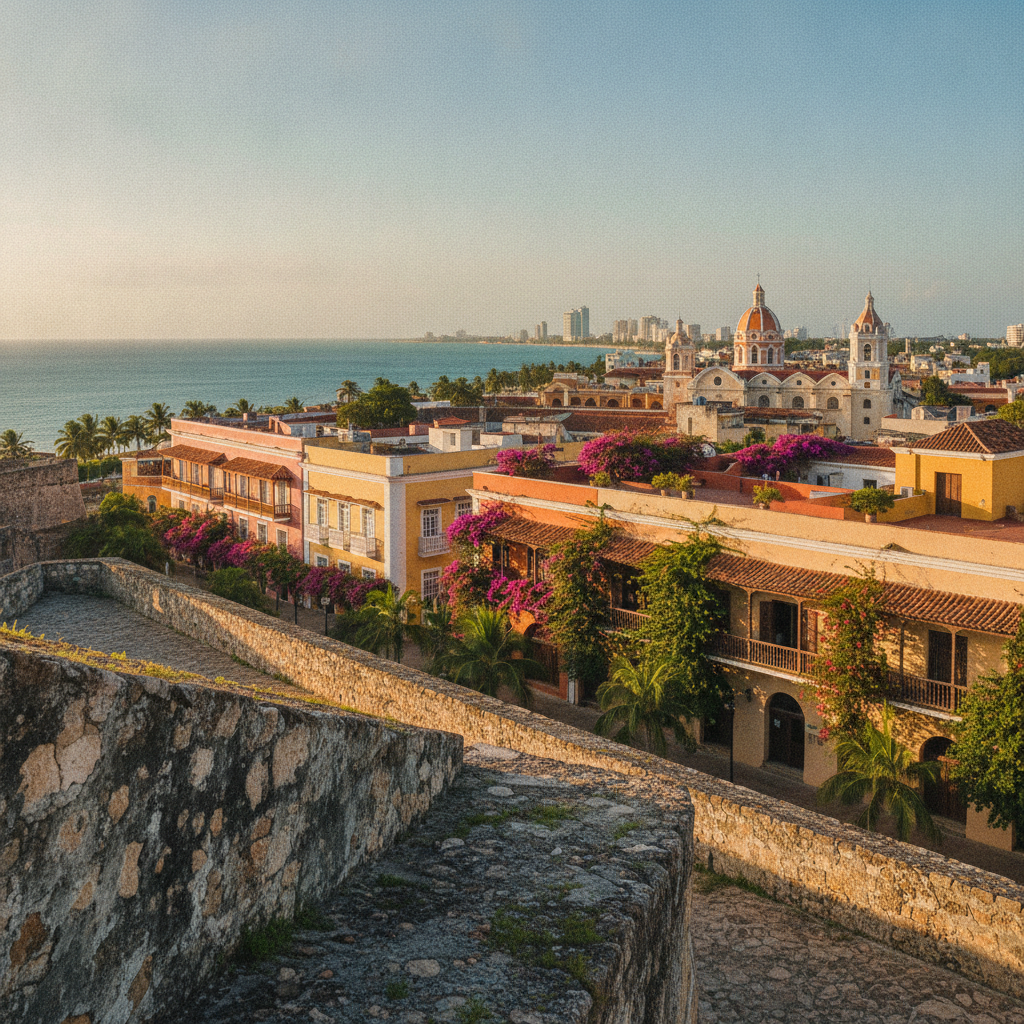
Cartagena de Indias (the UNESCO World Heritage Site on the Caribbean coast of Colombia — the city on the Caribbean coast, 1 hour from Bogotá by plane (multiple daily flights on Avianca, LATAM, and Viva Air)): the walled city (the 'Ciudad Amurallada' — the historic walled city of Cartagena, the best-preserved Spanish colonial city in the Americas, with the 11-kilometre (6.8-mile) fortified city wall (the 'Las Murallas') built from the 16th through 18th centuries): the colonial architecture (the ochre, yellow, pink, and terracotta-coloured buildings with the wooden balconies draped in bougainvillea, the cathedral towers, and the plazas that make Cartagena the most photogenic city in Latin America): the Castillo San Felipe de Barajas (the massive fortress on the hill above Cartagena — the 16th-18th century Spanish fortification that is the most important military architectural monument in the Americas (the largest fortress built by Spain in the Americas), the fortress that successfully repelled the British fleet's attack of 1741 (the 'Battle of Cartagena de Indias' — the British fleet of 186 ships and 30,000 men was defeated by the Spanish defender Blas de Lezo with 6 ships and 2,800 men)): the Getsemaní neighbourhood (the former working-class neighbourhood outside the city walls — the neighbourhood that has undergone the most dramatic transformation of any neighbourhood in Colombia in the 2010s, from a marginalized neighbourhood to the most vibrant arts, craft beer, and street food destination in Cartagena).
- 2
Medellín — The City of Eternal Spring
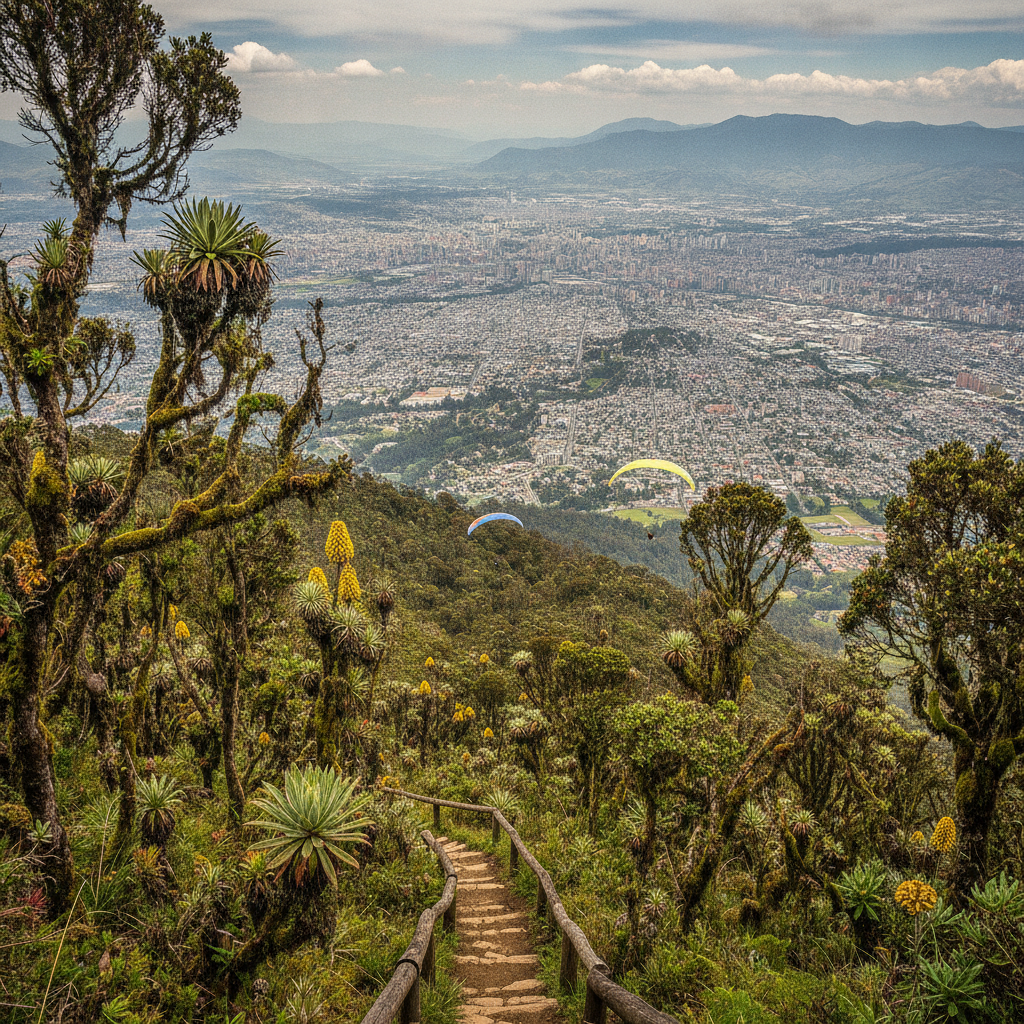
Medellín (the 'City of Eternal Spring' — the second largest city in Colombia, in the Aburrá Valley of the Andes at 1,495 metres (4,905 feet) above sea level (lower than Bogotá, and warmer, with average temperatures of 22°C / 72°F throughout the year — the climate that gave Medellín its nickname), accessible from Bogotá by 45-minute flight): the transformation (the transformation of Medellín from the most dangerous city in the world in the early 1990s (at the height of the Pablo Escobar era, when Medellín had the highest homicide rate of any city in the world — 381 homicides per 100,000 inhabitants in 1991) into one of the most innovative and most dynamic cities in Latin America in the 2010s-2020s): the urban interventions (the series of urban design interventions that drove Medellín's transformation — the Metrocable (the gondola cable car system that connects the hillside comunas (the informal settlements on the steep hillsides surrounding the Aburrá Valley) to the metro and the city centre), the Escaleras Eléctricas (the outdoor escalator system in the La Morro / La Independencia comunas), and the Parques Biblioteca (the public libraries (the España Library (the most striking of the Parques Biblioteca, designed by Giancarlo Mazzanti in 2007 — the three irregular-shaped black rocks perched on the hillside of the San Javier commune) and the Belén Library) built in the most marginalized neighbourhoods of the city)): the El Poblado neighbourhood (the upscale residential and entertainment district in the southern part of Medellín — the neighbourhood of the restaurants, the boutique hotels, the bars, and the cafés that make Medellín the most vibrant nightlife destination in Colombia).
- 3
Colombia's Coffee Region (Eje Cafetero)
The Eje Cafetero (the 'Coffee Axis' — the UNESCO World Heritage Site designated in 2011 as the 'Coffee Cultural Landscape of Colombia'): the Coffee Cultural Landscape (the cultural landscape of the coffee-growing region in the departments of Caldas, Quindío, Risaralda, and parts of Antioquia and Valle del Cauca — the landscape of the steep mountain slopes planted with coffee (the Coffea arabica var. colombiana — the Colombian variety of Arabica coffee that grows at 1,200-2,000 metres (3,937-6,562 feet) above sea level on the Andean slopes of the Coffee Axis), the fincas cafeteras (the coffee farms — the traditional Colombian coffee farm with the characteristic bahareque architecture (the traditional Antiqueño wooden construction technique using bamboo, wood, and mud plaster), the drying terraces where the coffee cherries are spread in the sun to dry, and the cañaduzal (the sugarcane plot) that provides the panela (the unrefined whole cane sugar that is the most important sweetener in Colombian cuisine)): the Salento (the most visited town in the Coffee Axis — the small colonial town in the Quindío highlands, at 1,895 metres (6,217 feet) above sea level, famous for the colourful balconied colonial architecture, the wax palm trees (the Ceroxylon quindiuense — the national tree of Colombia and the tallest palm species in the world, reaching up to 60 metres / 197 feet), and the Valle de Cocora (the valley above Salento where the wax palm trees grow in the misty páramo cloud forest — the most photographed natural landscape in Colombia)).
- 4
Amazon Colombia & Leticia
Leticia (the Colombian city in the Amazon — the city at the southernmost tip of Colombian territory, on the Amazon River at the point where Colombia, Peru, and Brazil meet (the 'triple frontier' of the three countries)): the access (Leticia is accessible from Bogotá by a 2-hour flight on Avianca or LATAM — the only way to reach Leticia, as the city is surrounded by the Amazon rainforest and has no road connection to the rest of Colombia): the Amazon experience (the experience of Leticia — the Colombian Amazon port city, the gateway to the Colombian Amazon National Park, and the starting point for the river excursions (the motorized canoe trips on the Amazon and its tributaries): the jungle lodges (the lodges accessible from Leticia by motorized canoe on the Amazon River — the Reserva Natural Tanimboca (the sustainable jungle lodge 5 km from Leticia), the Puerto Nariño (the small eco-tourism town 87 km upstream from Leticia on the Amazon, reachable by 3-hour speedboat, the town that has banned motor vehicles and is one of the most sustainable communities in the Amazon basin)): the Amazon biodiversity (the Colombian Amazon — the most biodiverse section of the Amazon basin, with the highest concentration of bird species (the 'Amacayacu' (the 'network of plants' in Ticuna) — the 293,500-hectare national park on the Colombian Amazon, with 450+ bird species and 150+ mammal species within the park boundaries)).
- 5
Bogotá's Museums & Cultural Infrastructure
Bogotá's cultural infrastructure (the museums, galleries, and cultural institutions of the city that has invested more heavily in public cultural infrastructure per capita than any other city in Latin America in the past 30 years): the Museo Botero (Calle 11 No. 4-41, La Candelaria — the museum of the work of Fernando Botero (b.1932) — the Colombian artist who is the most internationally recognized visual artist in the history of Latin America, the artist famous for the 'Boterismo' style (the oversized, voluminous figurative painting and sculpture style that Botero developed in the late 1950s and that has made him the most recognizable Latin American artist in the world): the Botero donation (the collection of 123 works donated by Botero to the Colombian nation in 2000, including his own works (paintings and bronzes) and his collection of works by Picasso, Monet, Matisse, Renoir, Dalí, and other European masters)): the Maloca (the 'maloca' — the traditional communal longhouse of the Amazonian indigenous peoples, now used as a cultural symbol and meeting space throughout Colombia): the Planetario de Bogotá (Carrera 7 No. 22-64 — the planetarium in the Park of the Independence, the most important science education facility in Colombia): the Biblioteca Nacional de Colombia (the National Library of Colombia — the oldest national library in Latin America (established 1777), with a collection of over 1 million volumes.
- 6
Colombian Cumbia, Vallenato & Music Culture
Colombia's music culture (the country that has produced the most diverse, most exuberant, and most internationally influential popular music tradition in Latin America — the country that gave the world the cumbia, the vallenato, the mapalé, the porro, the bambuco, and the música llanera): the cumbia (the 'cumbia' — the traditional music and dance form that is the most important musical tradition in Colombian popular culture, the music that originated on the Caribbean coast of Colombia in the colonial period as a fusion of African (the rhythm and the dance), Indigenous Colombian (the gaita (the vertical bone or cane flute) and the maracas), and Spanish (the language and the lyrical tradition) elements): the vallenato (the 'music of the valley' — the folk music tradition of the Valledupar region of the Caribbean coast of Colombia, based on the accordion (the German button accordion brought to Colombia by German immigrants in the 19th century), the caja (the small barrel drum), and the guacharaca (the traditional scraper instrument made from a cactus rib)): Carlos Vives (the Colombian singer-songwriter (b.1961) who brought the vallenato to global attention with his 1993 album 'Clásicos de la Provincia' — the album that fused the traditional vallenato with rock and modern pop production, creating the 'vallenato nuevo' (the new vallenato) that sold millions of copies worldwide and introduced Colombian music to a global audience for the first time).
Walk this route with audio
Stories play automatically as you reach each stop — no tapping needed.
More in bogota
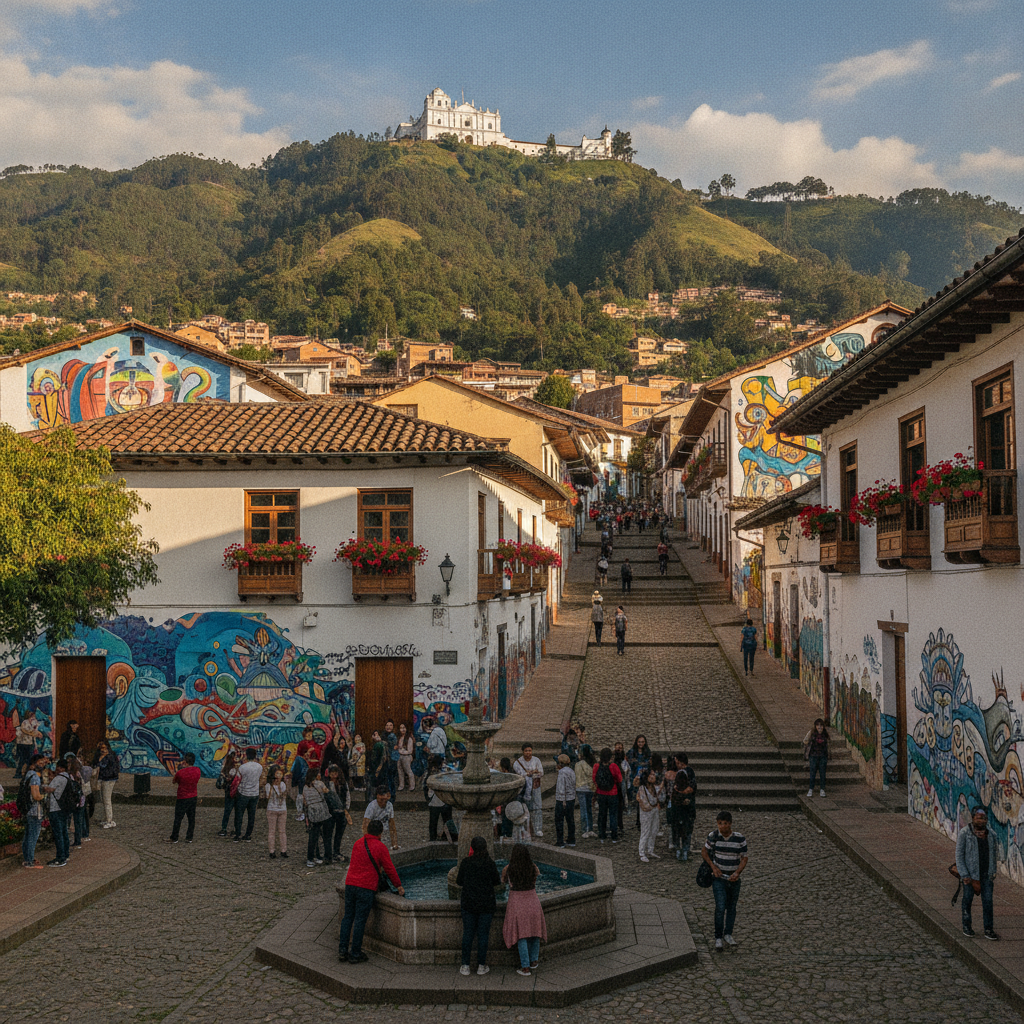
La Candelaria, the Gold Museum & Bogotá's Colonial Heart
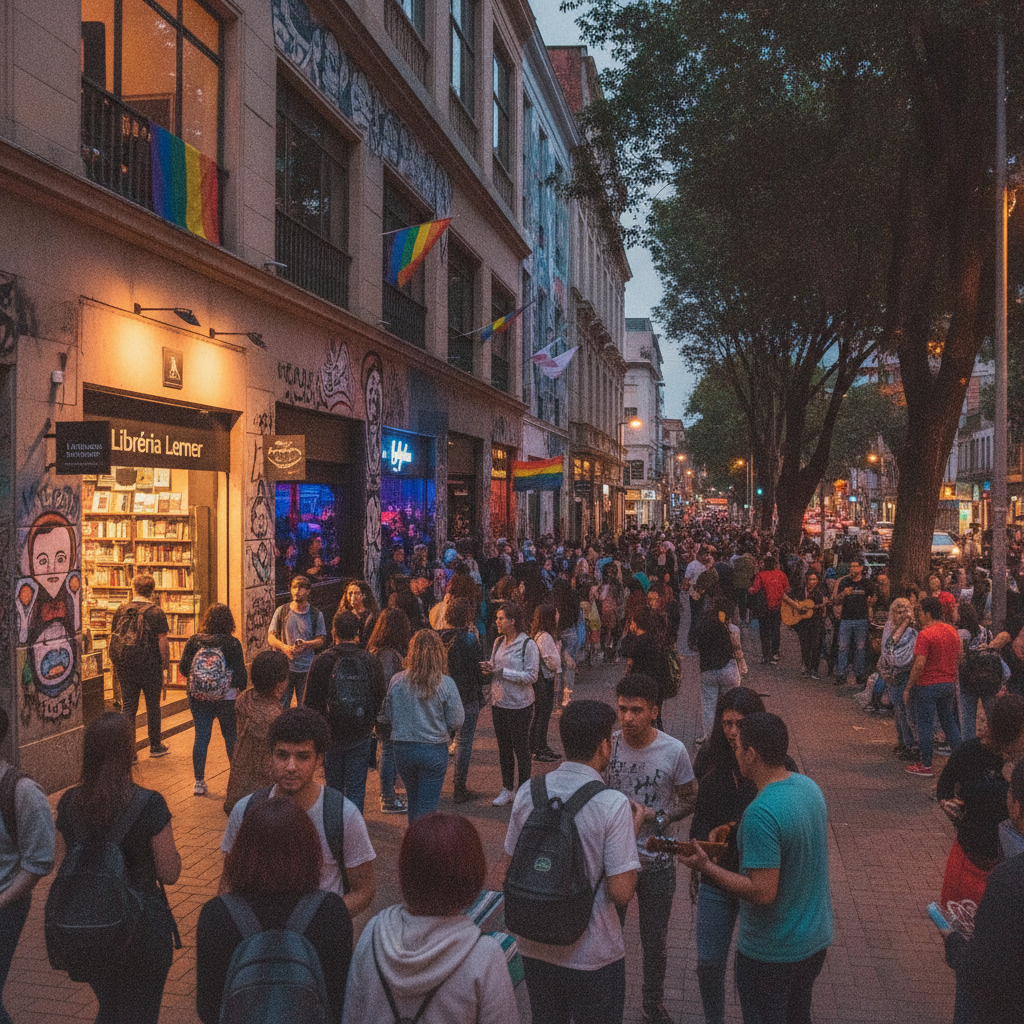
Chapinero, LGBTQ+ Culture & Bogotá's Creative Districts
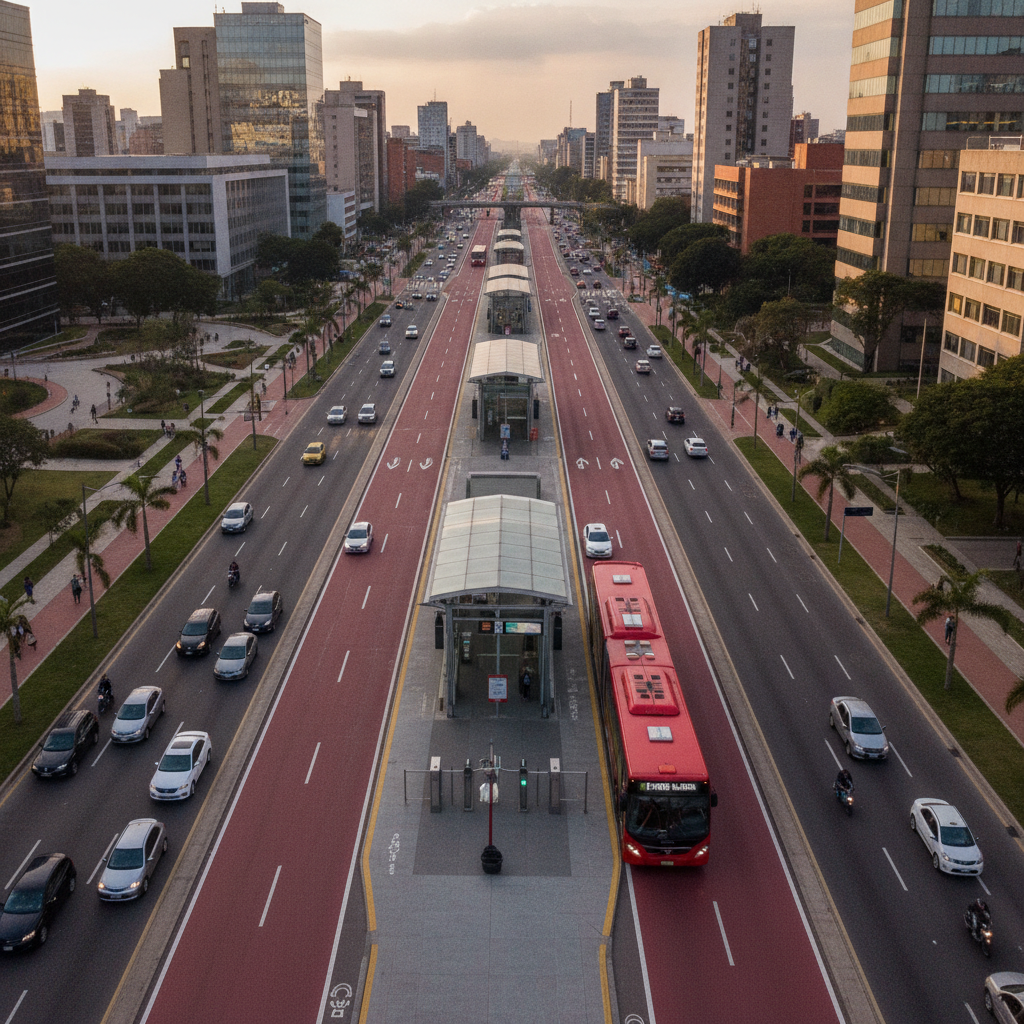
TransMilenio, Urban Innovation & Bogotá's City Transformation
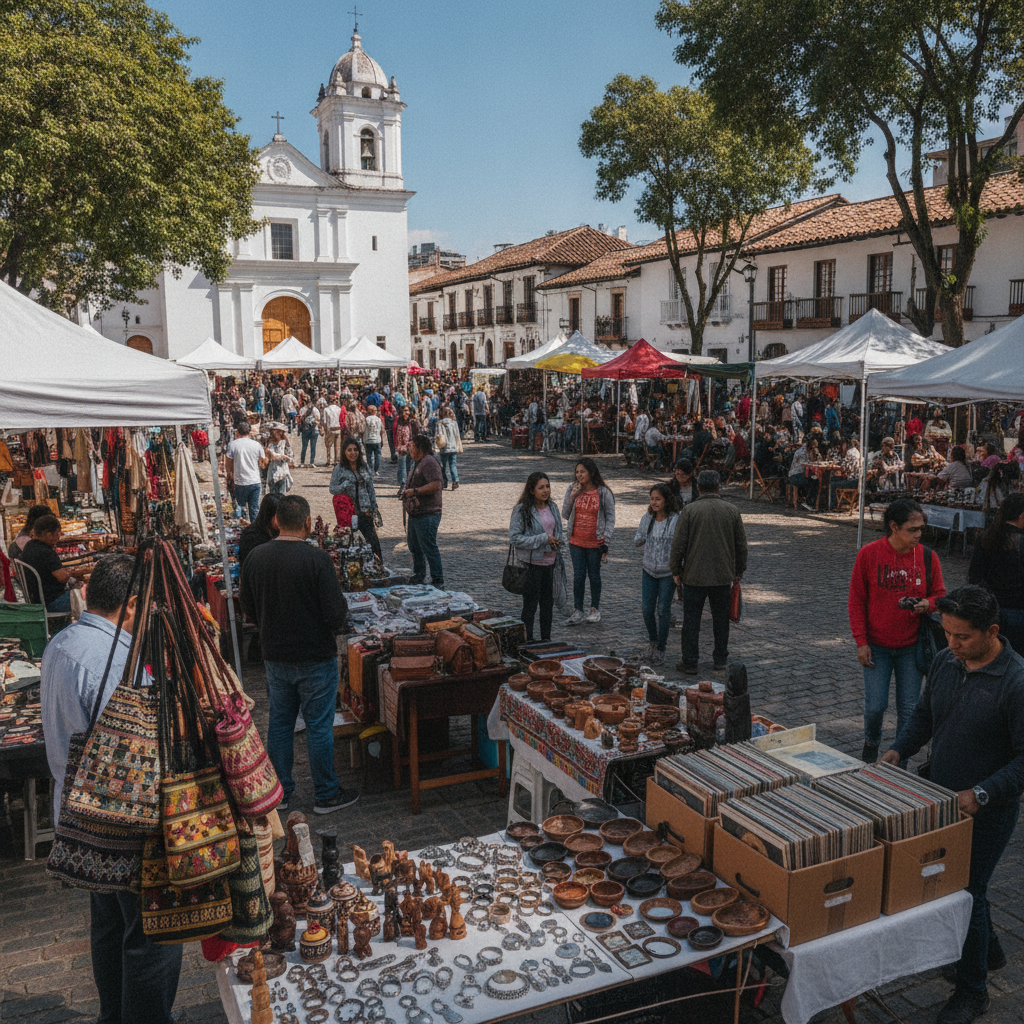
Zona Rosa, Usaquén & Bogotá's Culinary and Nightlife Scene
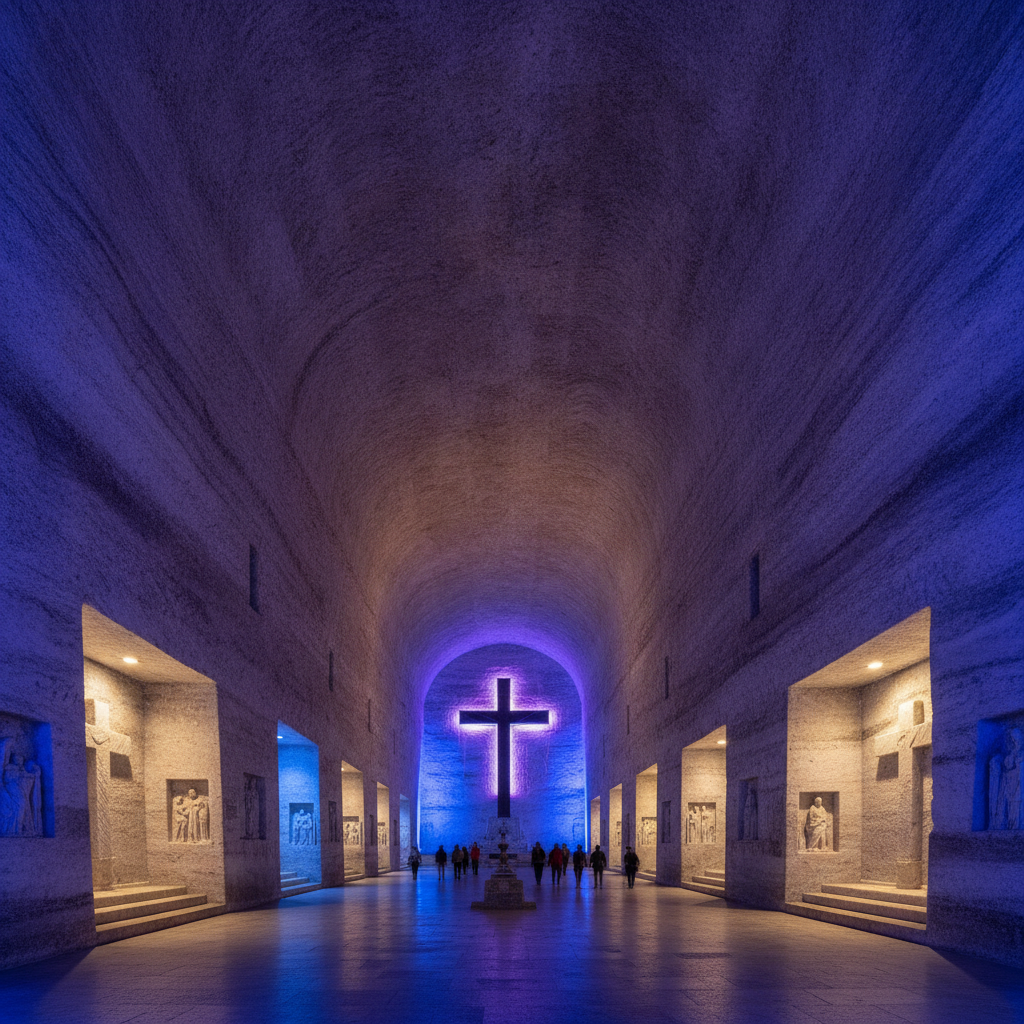
Salt Cathedral of Zipaquirá & Colombia's Andean Highlands