Fenway Park, Red Sox & Boston's Passionate Sports Culture
Boston is the most sports-obsessed major city in the United States — the city where the Red Sox, the Celtics, the Bruins, and the Patriots all have the most passionate fan bases in their respective sports, the city that celebrated its first 21st-century championship in 86 years (the 2004 Red Sox World Series) with collective hysteria, and the city where the relationship between a sports team and a city's identity is more psychologically profound than anywhere else in America.
1. Fenway Park — America's Most Beloved Ballpark
- 1
Fenway Park — America's Most Beloved Ballpark
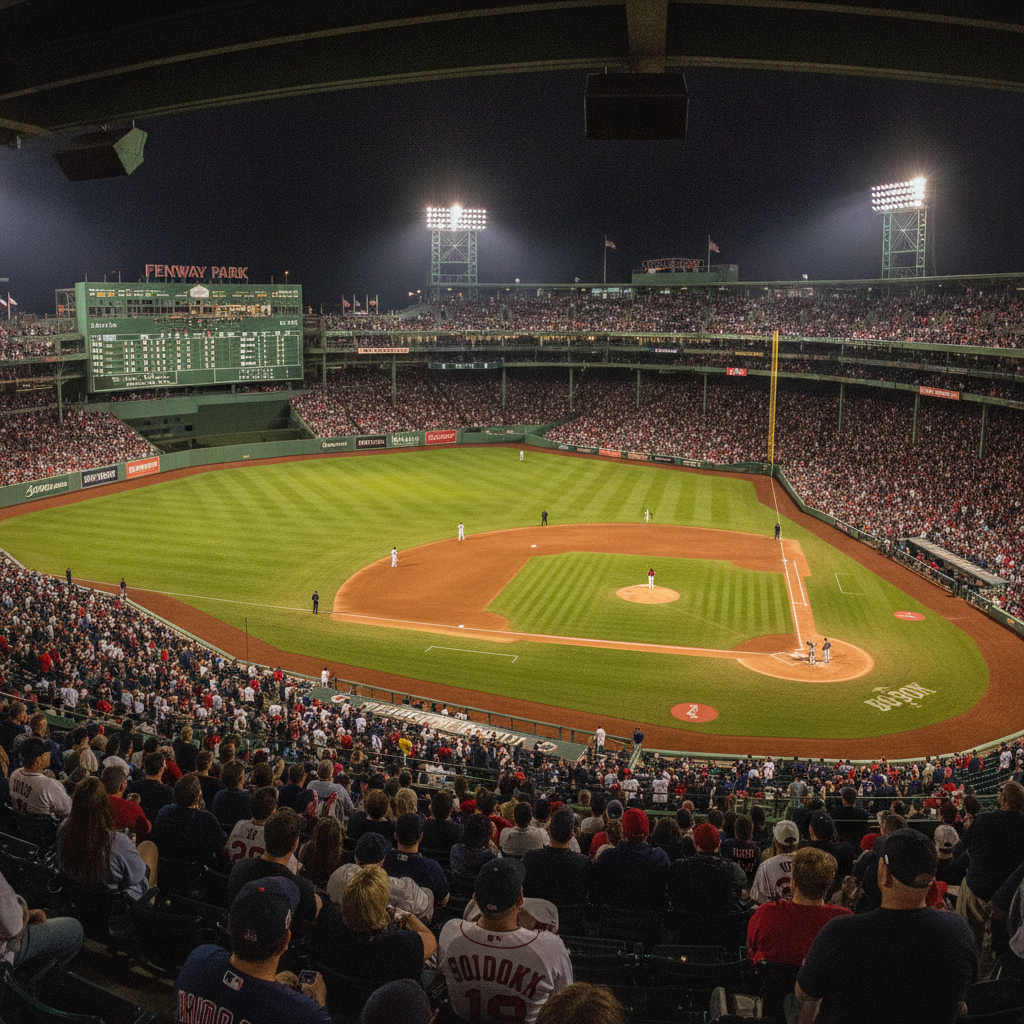
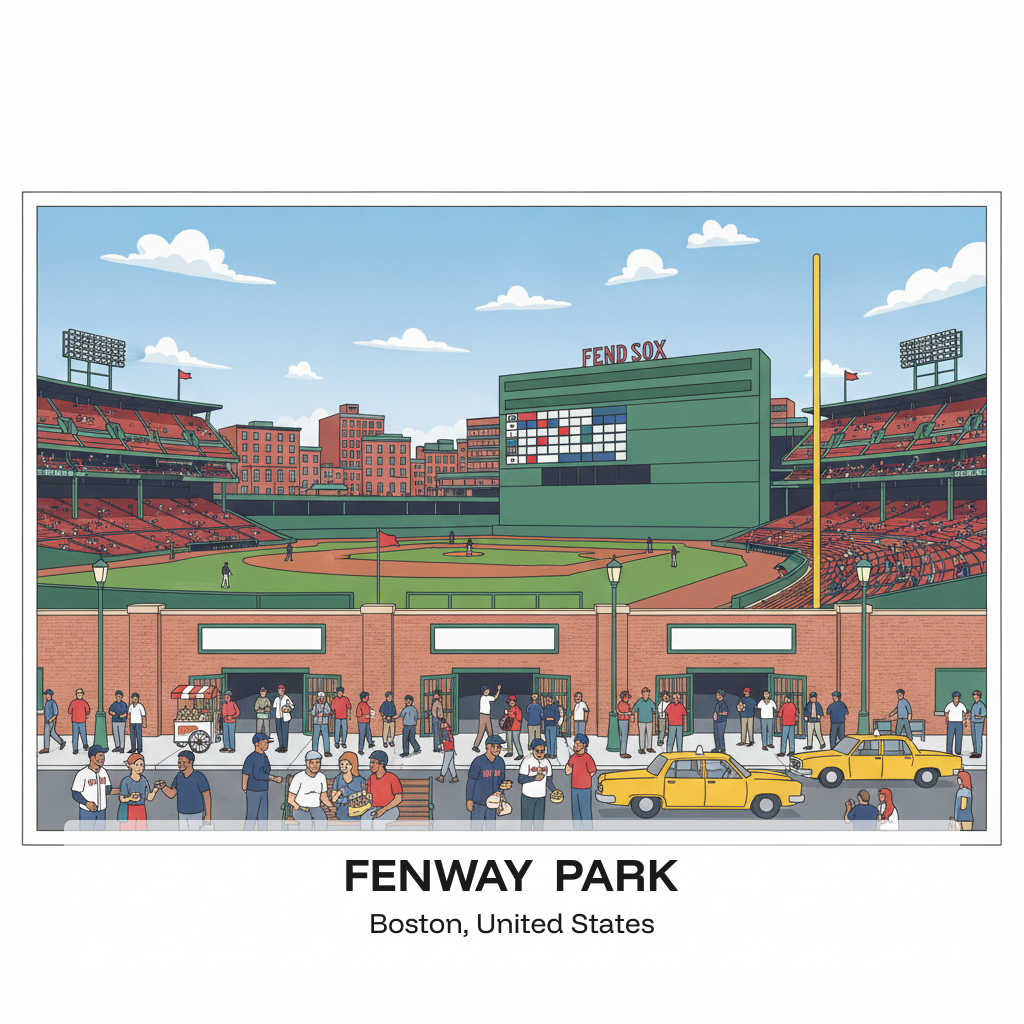
Fenway Park (4 Yawkey Way, Boston — the home of the Boston Red Sox since April 20, 1912, when the Red Sox defeated the New York Highlanders 7-6 in extra innings in the park's first game — the oldest Major League Baseball park in continuous use in the United States): the Green Monster (the 11.3-metre (37-foot 2-inch) tall left field wall, built in 1912 from concrete and tin, painted green (Dartmouth Green, the specific shade of dark green that has been used since 1947) and fitted with the manually operated scoreboard (the only hand-operated scoreboard in the American League, updated by scoreboard operators sitting inside the wall) — the most famous single feature in any American sports venue and the most recognizable piece of baseball architecture in the world): the Fenway Park experience (the iconic Pesky Pole (the right field foul pole — the 302-foot (92-metre) right field line, one of the shortest in the AL, and the 'Pesky Pole' — the pole named for Red Sox shortstop and manager Johnny Pesky (1919-2012), known for its distinctive yellow colour and the ring of home runs hit just inside it over the years), the Williamsburg area (the bullpen area in right center field named for Ted Williams), the Bleacher seats (the open wooden bleacher seats in right-center field — the sunniest and most informal seating area in Fenway), and the Fenway Faithful (the term for the passionate Red Sox fans who have sustained a sell-out streak of approximately 794 consecutive home games (2003-2013) — the longest consecutive sell-out streak in American sports history)) define the most atmospheric ballpark experience in professional sports.
- 2
The Curse of the Bambino & the 2004 World Series
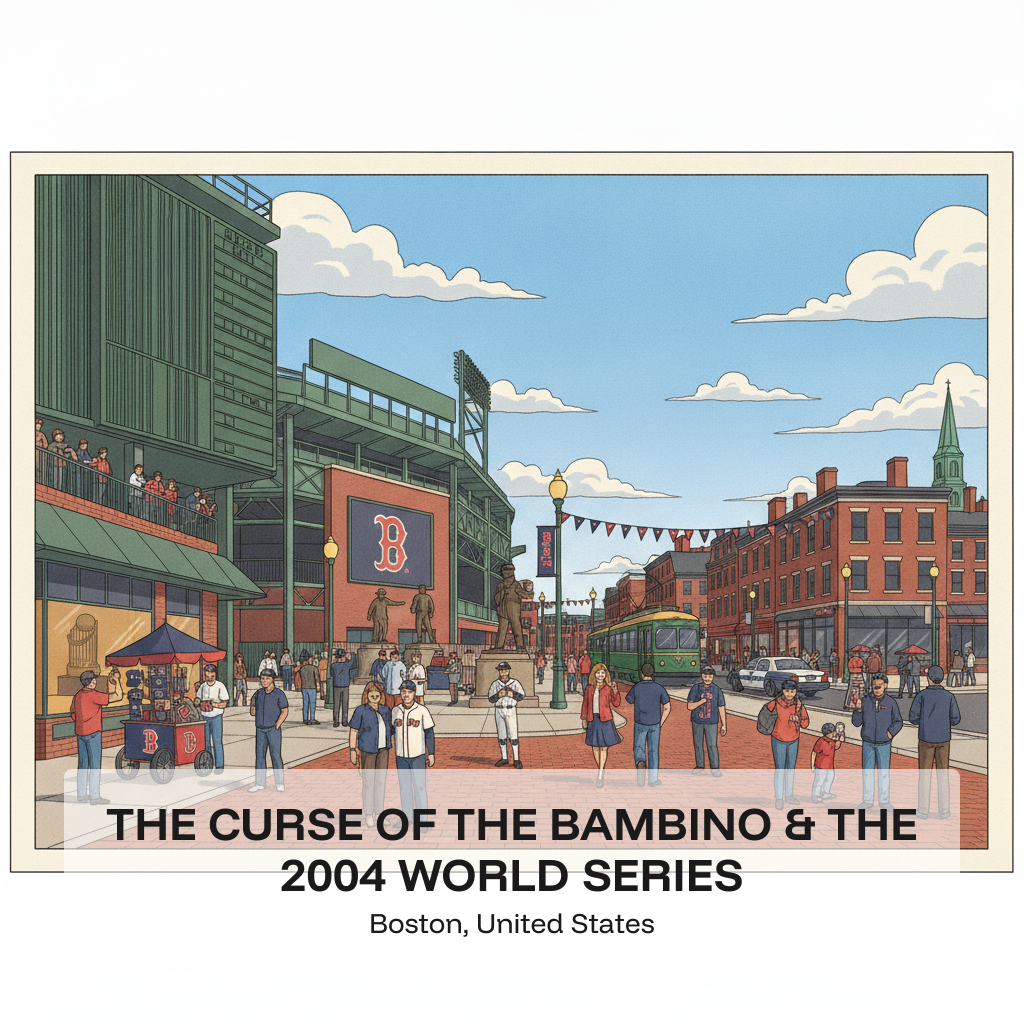
The Curse of the Bambino (the legendary 86-year championship drought of the Boston Red Sox (1918-2004) attributed by fans and sportswriters to the sale of Babe Ruth ('The Bambino') to the New York Yankees in January 1920 by Red Sox owner Harry Frazee (for $100,000 and a $300,000 loan secured by a mortgage on Fenway Park) — the most famous sports curse in American history, and the central narrative of Boston Red Sox fandom for three generations): the most dramatic moments of the 'curse' era include: the 1946 World Series loss to the St. Louis Cardinals (in Game 7, Ted Williams (the greatest hitter in baseball history by many measures) had only 5 hits in the entire series), the 1986 World Series (the Red Sox were one strike away from winning the championship when Bill Buckner failed to field a ground ball through his legs in the 10th inning of Game 6 — the most famous individual error in World Series history); the 2004 American League Championship Series (the Red Sox's historic comeback from 3-0 down against the New York Yankees (the only team in baseball history to overcome a 3-0 deficit in a playoff series) — the 'Bloody Sock' game (Game 6, the game in which pitcher Curt Schilling pitched 7 innings on a surgically repaired tendon, visibly bleeding through his white sock in the most dramatic medical achievement in post-season baseball history), and the subsequent 2004 World Series sweep of the St. Louis Cardinals — ending the 86-year championship drought in the greatest playoff comeback in the history of American sport.
- 3
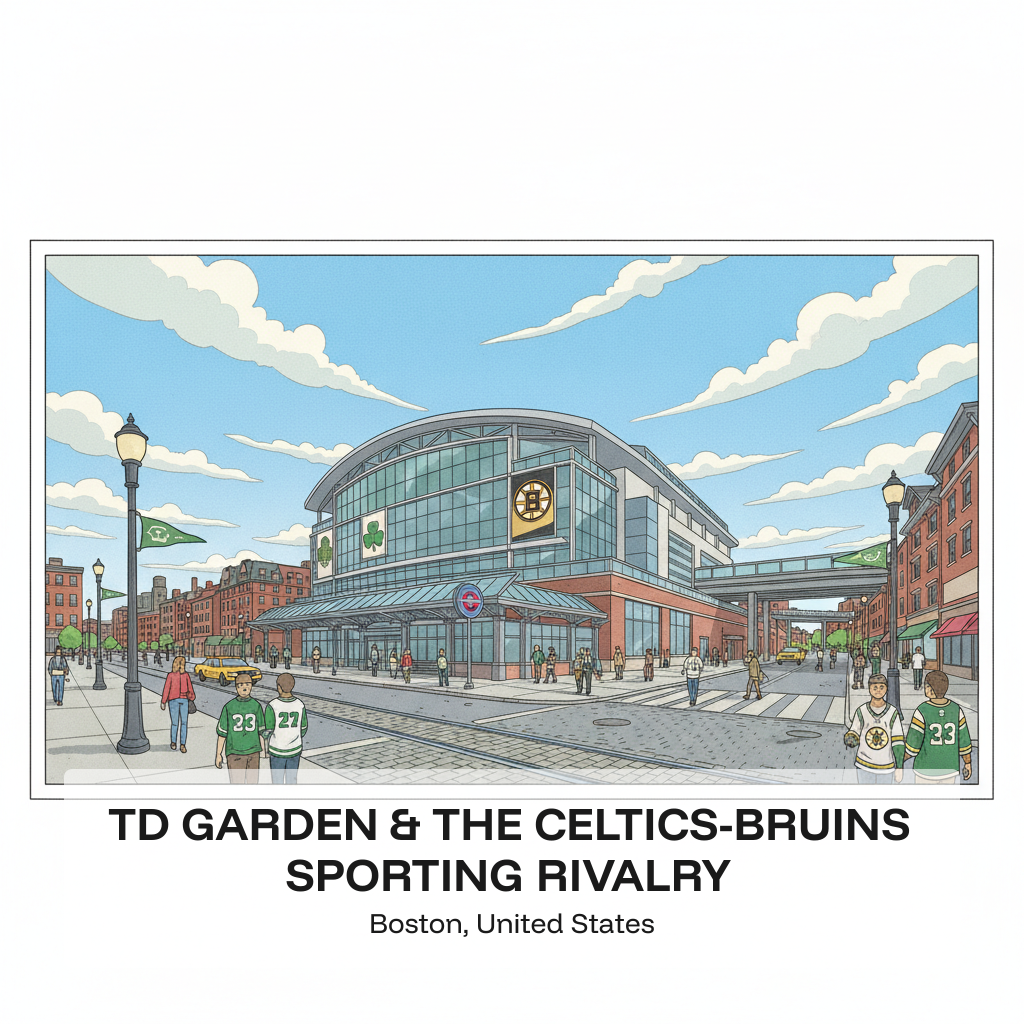
TD Garden & the Celtics-Bruins Sporting Rivalry
TD Garden (100 Legends Way, downtown Boston — the 19,156-seat (NBA)/17,565-seat (NHL) arena that serves as the home venue of both the Boston Celtics (NBA) and the Boston Bruins (NHL)): the Boston Celtics (founded 1946, the most successful franchise in NBA history with 17 championships — more than any other NBA team — the team of Bill Russell (11 championships as a player, 2 as head coach-player), Larry Bird (3 championships), Bob Cousy, Kevin McHale, Robert Parish, Paul Pierce, Kevin Garnett, and Ray Allen): the Celtics' record 17 championships (including 8 consecutive from 1959-1966, when Bill Russell (the most dominant defensive player in NBA history) led the team) represent the most sustained dynasty in the history of American professional basketball; the Boston Bruins (founded 1924, one of the 'Original Six' NHL teams and the first American team admitted to the NHL): the Garden's atmosphere on a playoff night for either the Celtics or the Bruins (the 19,000-capacity arena with the deafening Boston crowd — particularly the playoff crowds that are considered among the most passionate and loud in American professional sports) is the most intense arena experience in Boston sports.
- 4
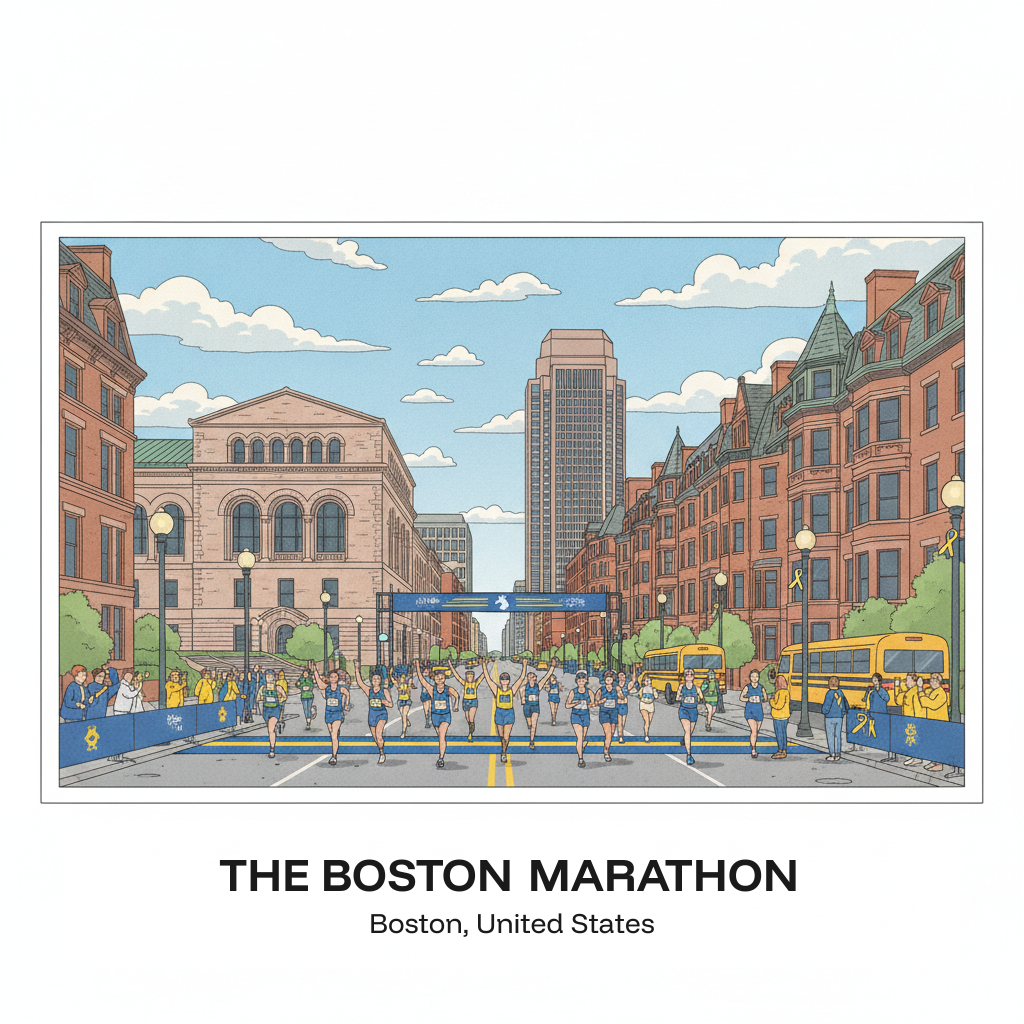
The Boston Marathon — The World's Most Prestigious Road Race
Boston Marathon (the annual marathon race held in the Greater Boston area of Massachusetts, the United States, on Patriot's Day (the third Monday in April) — the world's oldest annual marathon (held continuously since 1897) and the most prestigious road race in the world): the Boston Marathon course (the 42.195 km (26.2188 mile) point-to-point course from Hopkinton, Massachusetts (the starting line on Main Street in the Hopkinton Town Common) to the finish line on Boylston Street in the Back Bay neighbourhood of Boston — the only major marathon with a net downhill profile (total descent approximately 139 m (457 feet)) that is specifically designed to produce fast finishing times): the legendary hills of the Boston Marathon course (the Newton Hills — the series of four hills between miles 17 and 21 (km 27-34), culminating in 'Heartbreak Hill' (the 91-metre (300-foot) rise from mile 20.5 to mile 21 (km 33-34) in Newton Centre — the point where many runners 'hit the wall' and the race effectively ends for those who went out too fast), named after a 1936 race in which Johnny Kelley patted eventual winner Ellison Brown on the shoulder as he passed him at this point, only for Brown to pull away and win — Kelley 'broke his heart')): the 2013 Boston Marathon bombing (the terrorist bombing on April 15, 2013, in which two pressure-cooker bombs were detonated near the finish line, killing 3 people and injuring approximately 264 — the most traumatic event in modern Boston history, and the event that produced the 'Boston Strong' response that has defined the city's collective identity since).
- 5
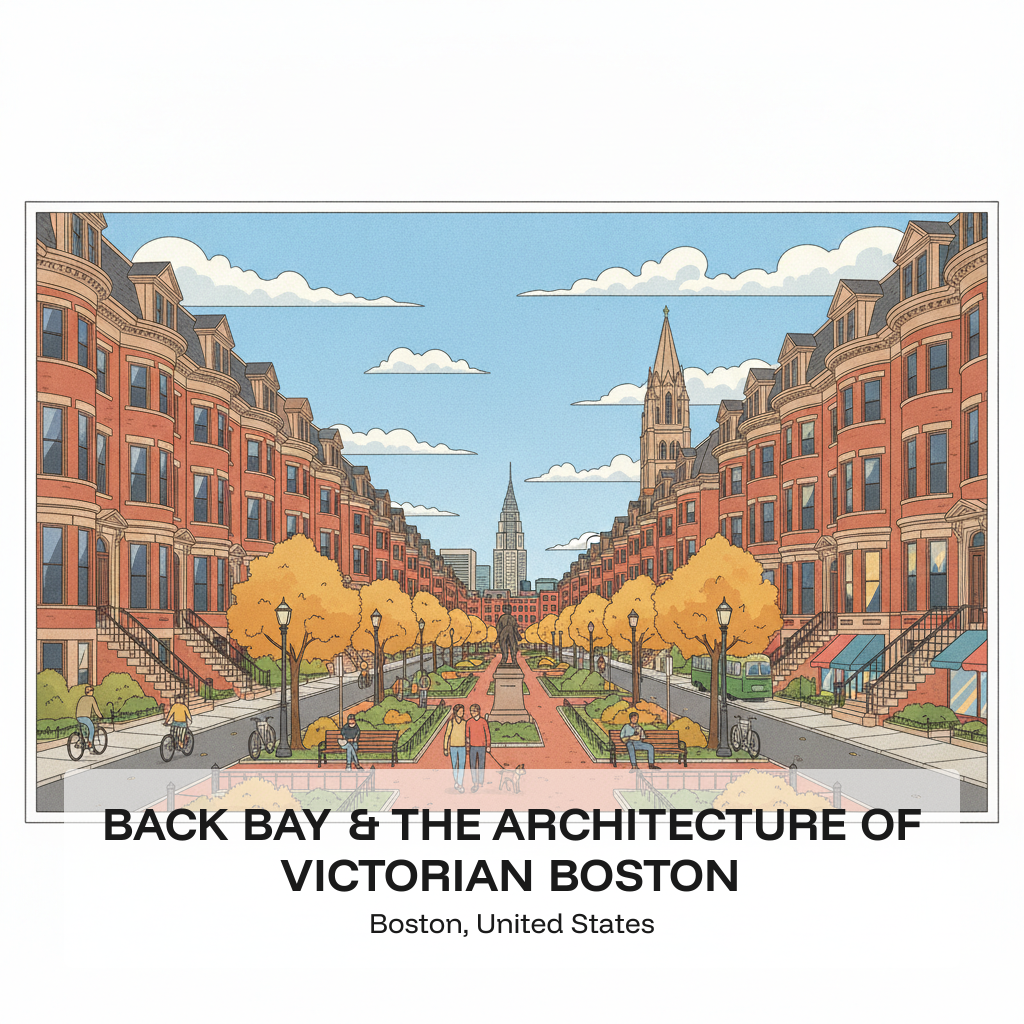
Back Bay & the Architecture of Victorian Boston
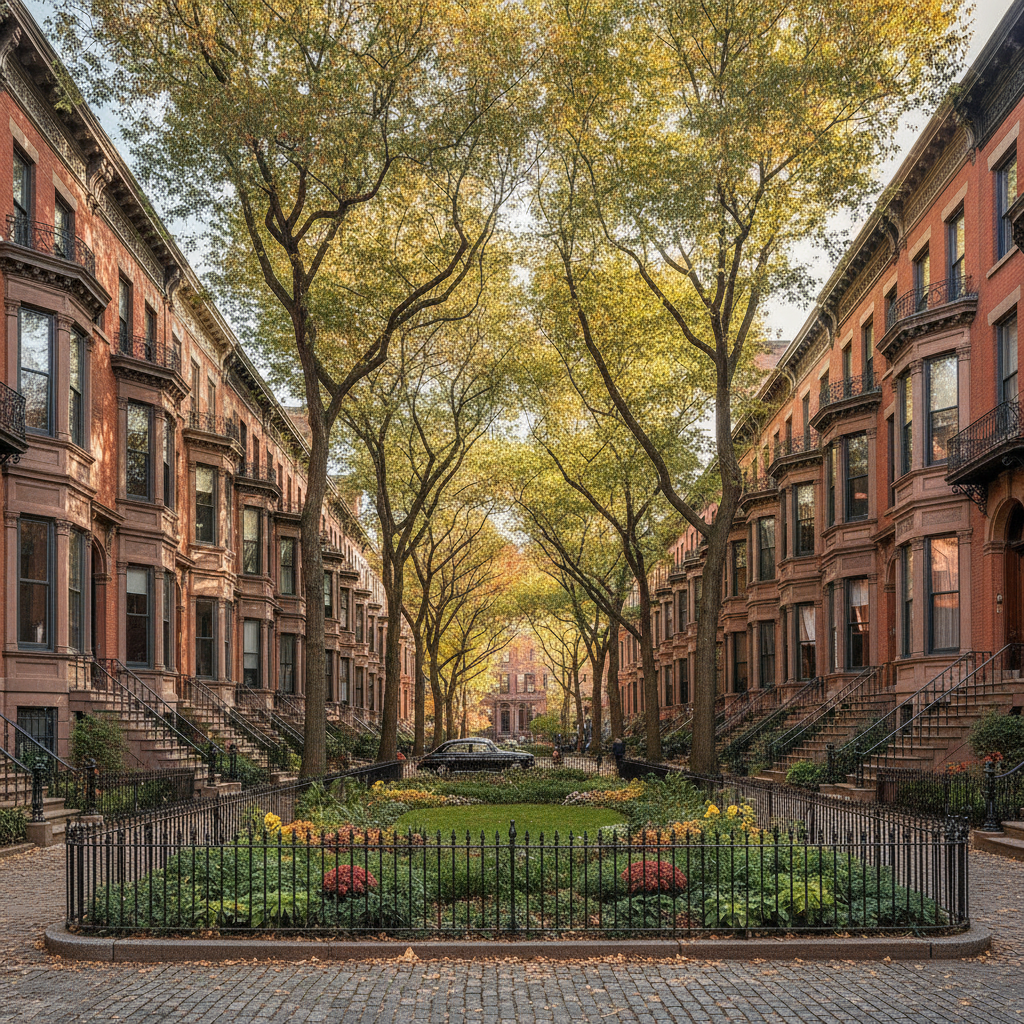
Back Bay (the planned residential and commercial neighbourhood in the central part of Boston, built on land reclaimed from the tidal flats of the Charles River estuary between 1857 and 1882 — the largest and most intact Victorian urban neighbourhood in the United States): the Back Bay neighbourhood (the 460-acre (186-hectare) planned district built from landfill deposited into the tidal flats of the Back Bay (the tidal marsh that occupied the area west of Boston Neck before reclamation) on a street grid of parallel avenues (Arlington, Berkeley, Clarendon, Dartmouth, Exeter, Fairfield, Gloucester, and Hereford Streets — in alphabetical order from east to west, the most systematically planned street naming in any American city) and cross streets (Beacon Street, Commonwealth Avenue ('Comm Ave'), Newbury Street, Boylston Street, and Huntington Avenue)): Commonwealth Avenue Mall (the central 32-metre (105-foot) wide tree-lined median (the formal garden boulevard between the two traffic lanes of Commonwealth Avenue) that runs the full length of the avenue from the Public Garden to Kenmore Square — the finest Victorian urban boulevard in the United States (frequently compared to the Parisian grands boulevards after which it was explicitly modelled)): Newbury Street (the commercial street of Back Bay, one block south of Commonwealth Avenue — the finest 'main street' shopping experience in Boston, lined with independent boutiques, art galleries, restaurants, and the two blocks of the Back Bay brownstones (the characteristic 4-5 story red-brick and brown-sandstone rowhouses (Brownstones) that give the neighbourhood its character).
- 6
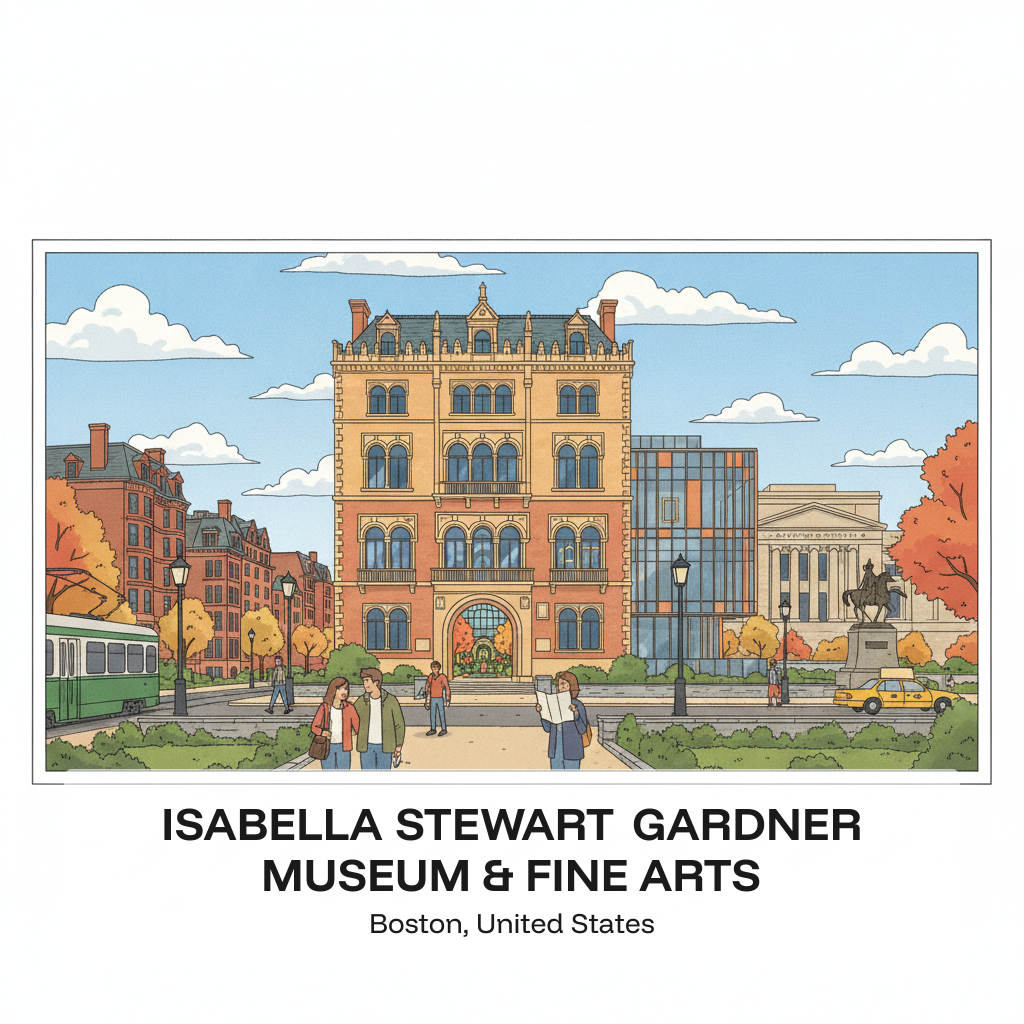
Isabella Stewart Gardner Museum & Fine Arts
Isabella Stewart Gardner Museum (280 The Fenway, Boston — the private art museum created by the Boston socialite and collector Isabella Stewart Gardner (1840-1924), opened in 1903 in the building she had designed as a 15th-century Venetian palazzo (the Fenway Court building, with a central four-story flower-filled courtyard surrounded on all four sides by the gallery rooms of the collection — the most atmospheric and personal art museum in the United States)): the Gardner Collection (approximately 2,500 objects collected personally by Gardner over four decades of travel in Europe: Titian's 'Europa' (c. 1562 — the mythological painting considered the finest Titian in the United States, the painting that John Singer Sargent famously called 'the greatest painting in the world'), Vermeer's 'The Concert' (one of only 34-36 authenticated Vermeer paintings in the world — and the most famous of the 13 paintings stolen in the Gardner Museum theft of March 18, 1990 (the theft by two men disguised as police officers who tied up the security guards and removed 13 works in 81 minutes — the largest art theft in history, with the stolen works (also including three Rembrandts, a Manet, and five Degas drawings) valued at approximately $500 million — the crime is still unsolved and the empty frames are still displayed on the museum walls per Gardner's will)); the Museum of Fine Arts Boston (465 Huntington Avenue — the largest art museum in Boston and one of the largest in the United States (approximately 500,000 objects), with particular strengths in ancient Egyptian art (the largest Egyptian collection outside of Cairo), Japanese art (the finest Japanese collection outside of Japan), and Impressionism.
Walk this route with audio
Stories play automatically as you reach each stop — no tapping needed.
More in boston
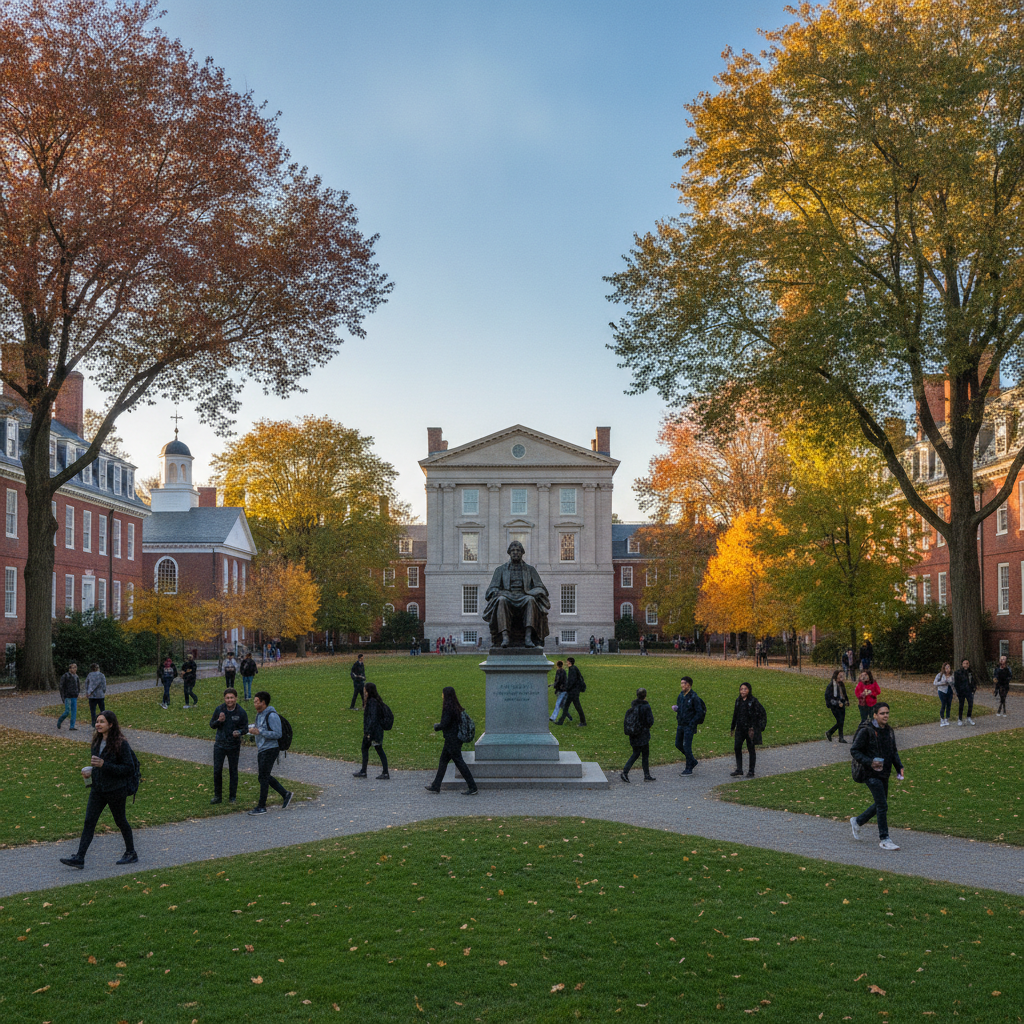
Harvard, MIT & the World's Greatest University Culture
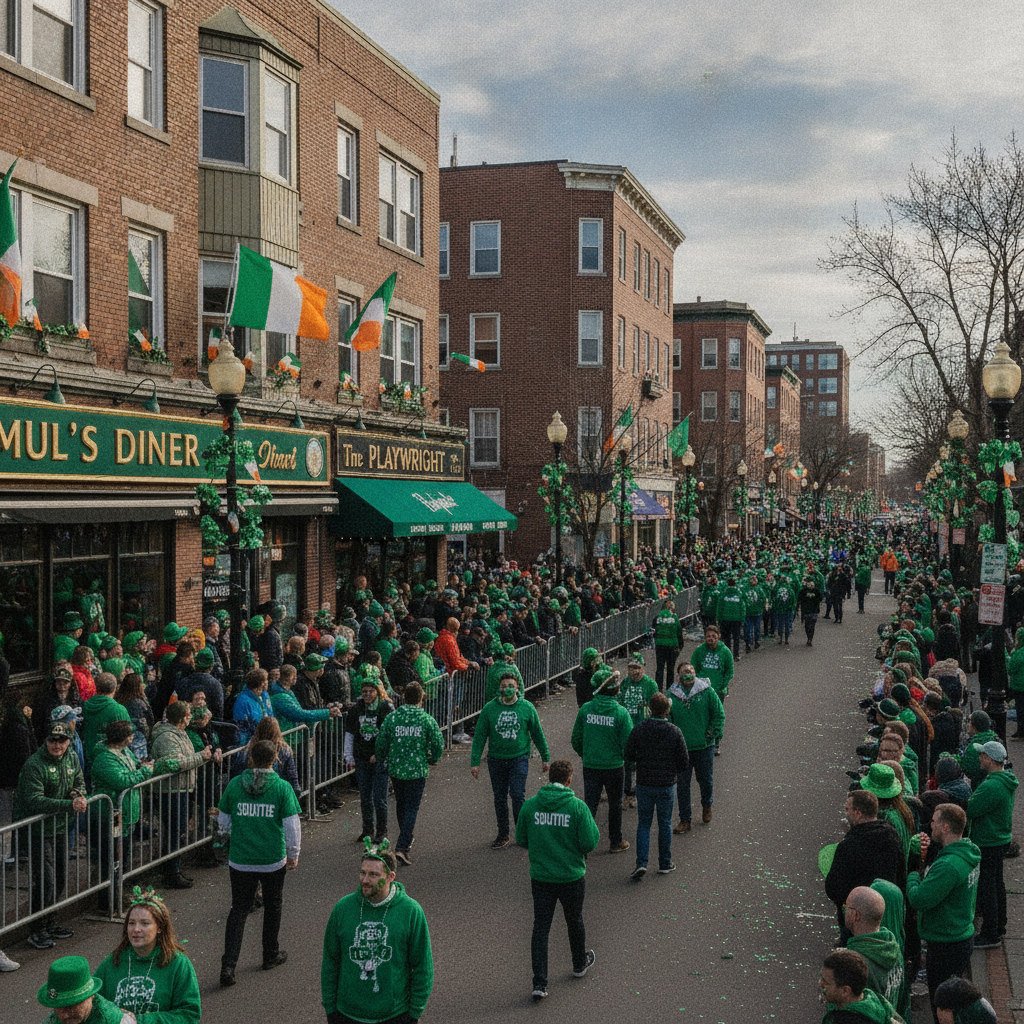
South Boston, Dorchester & Boston's Working-Class Irish Soul
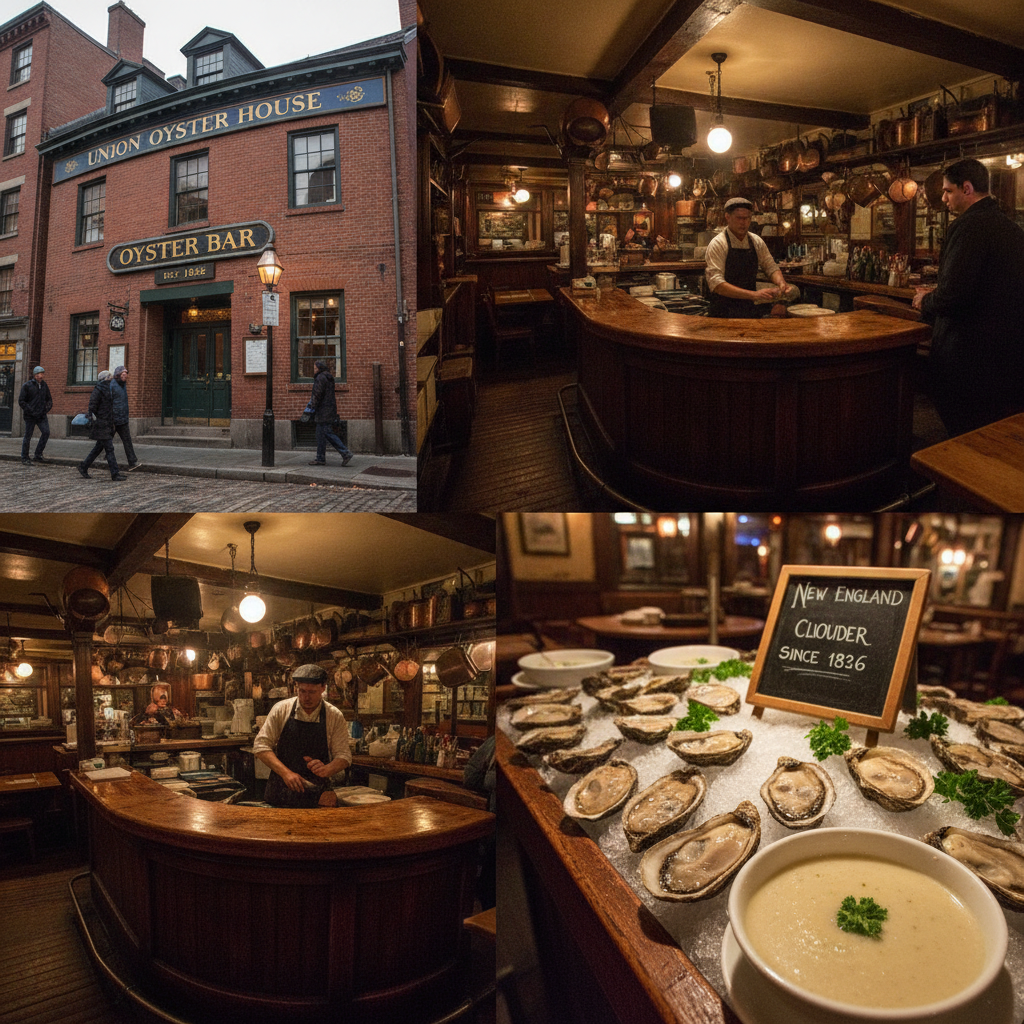
Boston Seafood — Lobster, Clam Chowder & New England Cuisine
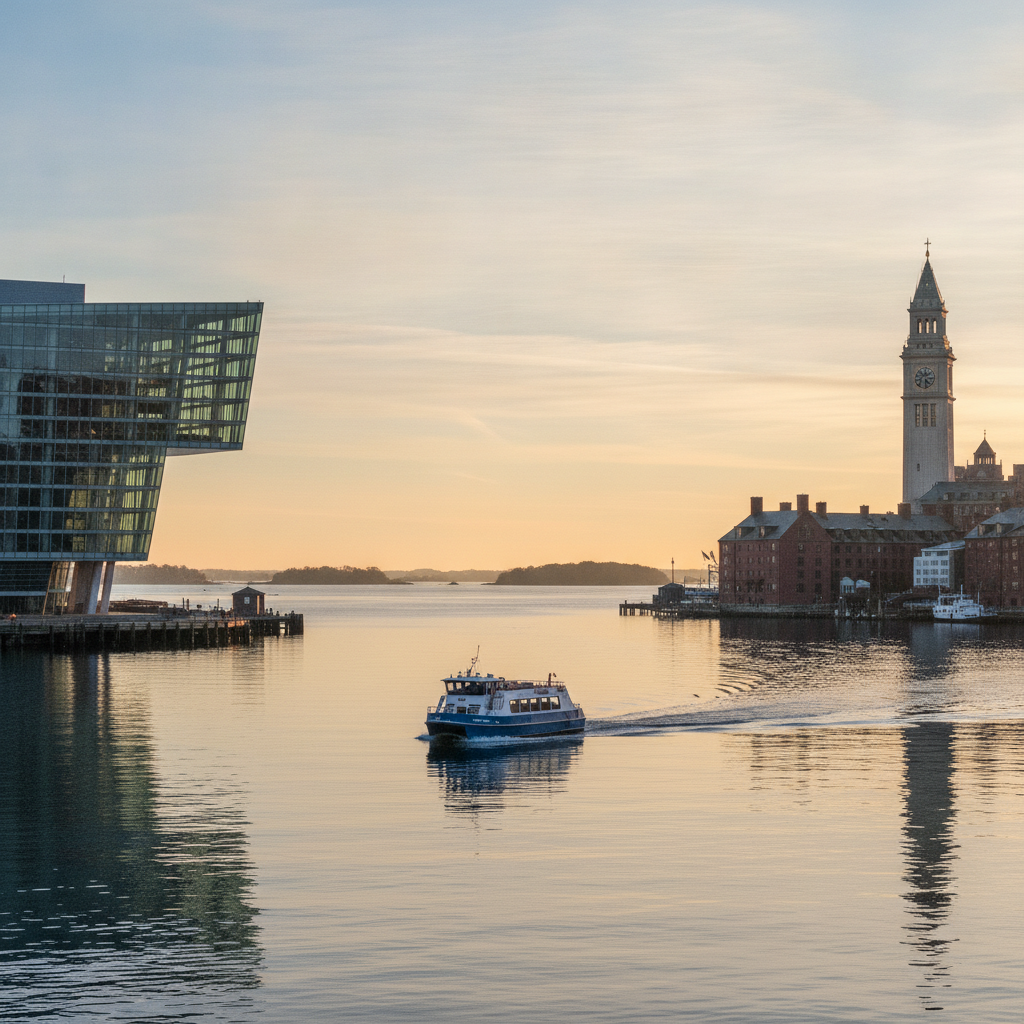
Boston Harbor Islands, Whale Watching & the Harbor's Rebirth
South End, Brookline & Boston's Victorian Architecture and Arts