Brasilia Social Life: Lake Paranoa Waterfront, Ceilândia Culture, Planaltina History, and the Diplomatic Community
The social dimensions of Brasilia beyond the monumental architecture include the Lake Paranoa waterfront recreation scene, the remarkable cultural life of the candango-founded Ceilândia, the pre-capital history of Planaltina, and the international diplomatic community that gives the capital its cosmopolitan character.
- 1
Paranoa Lake Waterfront: Social Life of the Capital
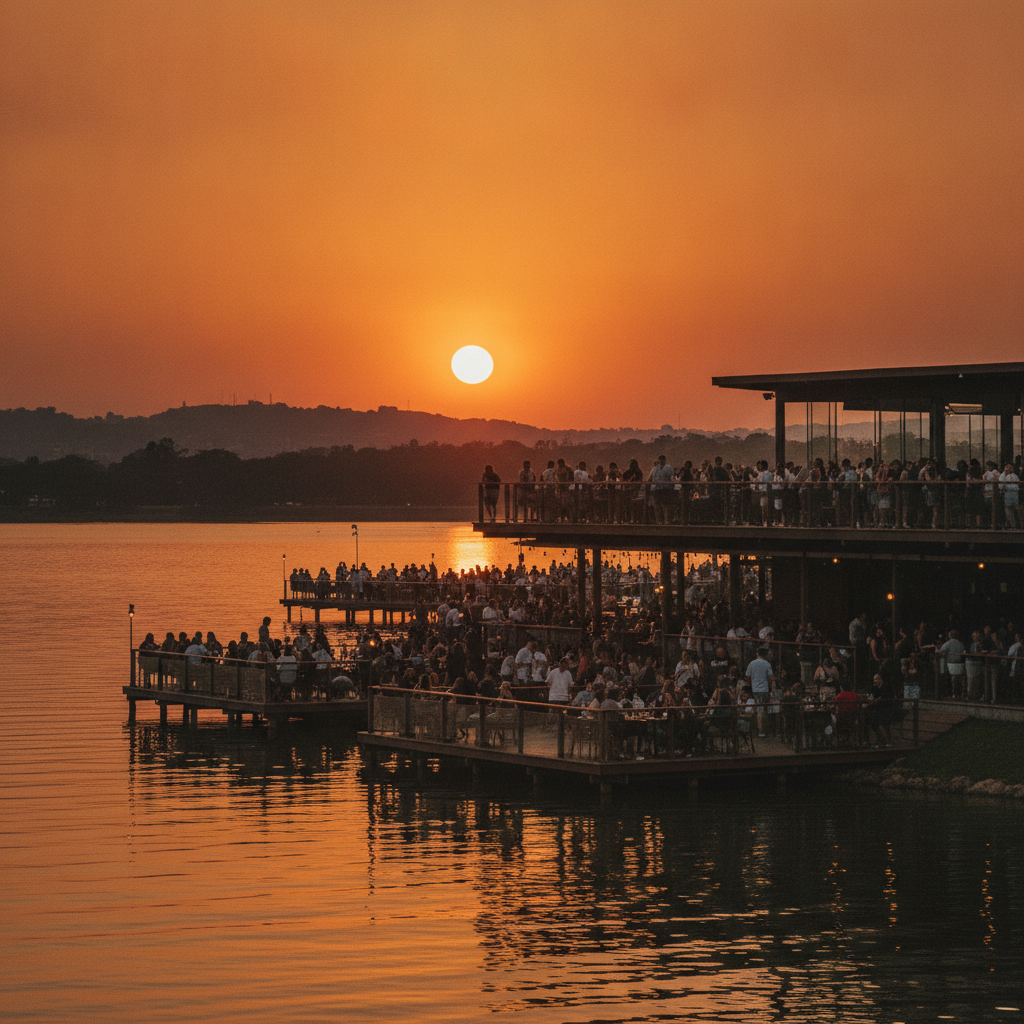
The Lake Paranoa waterfront is the social and recreational heart of the Brasilia quality-of-life reputation, with the yacht clubs, the waterside restaurants of the Orla do Paranoa, and the Ponta Negra beach area providing the outdoor leisure infrastructure that makes the planned city more livable than its monumental formality might suggest. The lake was instrumental in the original decision to site the capital here: without the lake and its microclimate modification, the cerrado altitude and aridity would have made the capital uninhabitable for the planned population.
- 2
Pontao do Lago Sul: The Weekend Gastronomy
Pontao do Lago Sul, the restaurant and bar complex on the Lake Paranoa in the Lago Sul residential district, is the most popular outdoor social destination in Brasilia, where the government bureaucrats and the diplomatic community mingle with the local population in the waterside restaurants and the open-air concert venues on weekend evenings. The combination of the lake view, the cool altitude climate, and the concentration of good restaurants makes Pontao the finest outdoor dining environment in the capital.
- 3
Ceilândia: The Candango City
Ceilândia, the largest satellite city of Brasilia created in 1971 to house the nordestino workers cleared from the invasao Iapi squatter settlement near the Plano Piloto, is a city of more than 500,000 inhabitants with a cultural life of remarkable richness, including the regional funk carioca and baile funk music scene, the forró dance culture of the nordestino migrant community, and the political tradition that has produced several of the most important politicians of the Federal District.
- 4
Planaltina: The Pre-Brasilia Settlement
Planaltina, now incorporated into the Brasilia metropolitan area as a satellite city, is the only settlement in the Distrito Federal that predates the construction of the capital, founded in 1859 as a cattle-driving waystation on the Goias plateau. The Pedra Fundamental, the stone laid by President Epitácio Pessoa in 1922 to mark the site of the future federal capital, is in the Planaltina area and marks the formal beginning of the Brasilia story decades before Kubitschek.
- 5
Paranoá: The Original Lakeside Village
Paranoá, the construction worker community established on the Lake Paranoa shore during the Brasilia construction period, has survived as one of the few informal settlements within the metropolitan area that maintains a community identity connected to the original candango culture. The Paranoá pottery tradition and the resident artistic community give the settlement a cultural distinctiveness within the formal satellite city landscape.
- 6
Valpaços: The Diplomatic City
The diplomatic community of Brasilia, concentrated in the embassy compounds of the Setor de Embaixadas Norte and Sul and in the lakeside residential neighborhoods of Lago Norte and Lago Sul, gives the capital an international character quite different from other Brazilian cities. The diplomatic club life, the international schools, and the embassy cultural programming provide a cosmopolitan overlay on the Brazilian government city character.
Walk this route with audio
Stories play automatically as you reach each stop — no tapping needed.
More in Brasilia
Brasilia Architecture Deep Dive: Three Powers Plaza, the Itamaraty Ministry, Burle Marx Gardens, and the Planned City Paradox
Brasilia by Night and Day Trips: Illuminated Architecture, Palacio do Planalto, Pirenopolis, and Chapada dos Veadeiros
Brasilia Culture and Politics: The JK Memorial, Clarice Lispector, January 2023, and the National Theater
Brasilia: Niemeyer's Modernist Capital, the National Congress, the Cathedral, and the Superquadra Utopia