Brasilia by Night and Day Trips: Illuminated Architecture, Palacio do Planalto, Pirenopolis, and Chapada dos Veadeiros
The night illumination of Brasilia transforms the daytime civic landscape into a spectacular light show, while the day trip circuit includes the colonial counterpoint of Pirenopolis, the cerrado canyons and crystals of Chapada dos Veadeiros, and the Art Deco planned city of Goiania.
- 1
Brasilia by Night: The Illuminated Capital
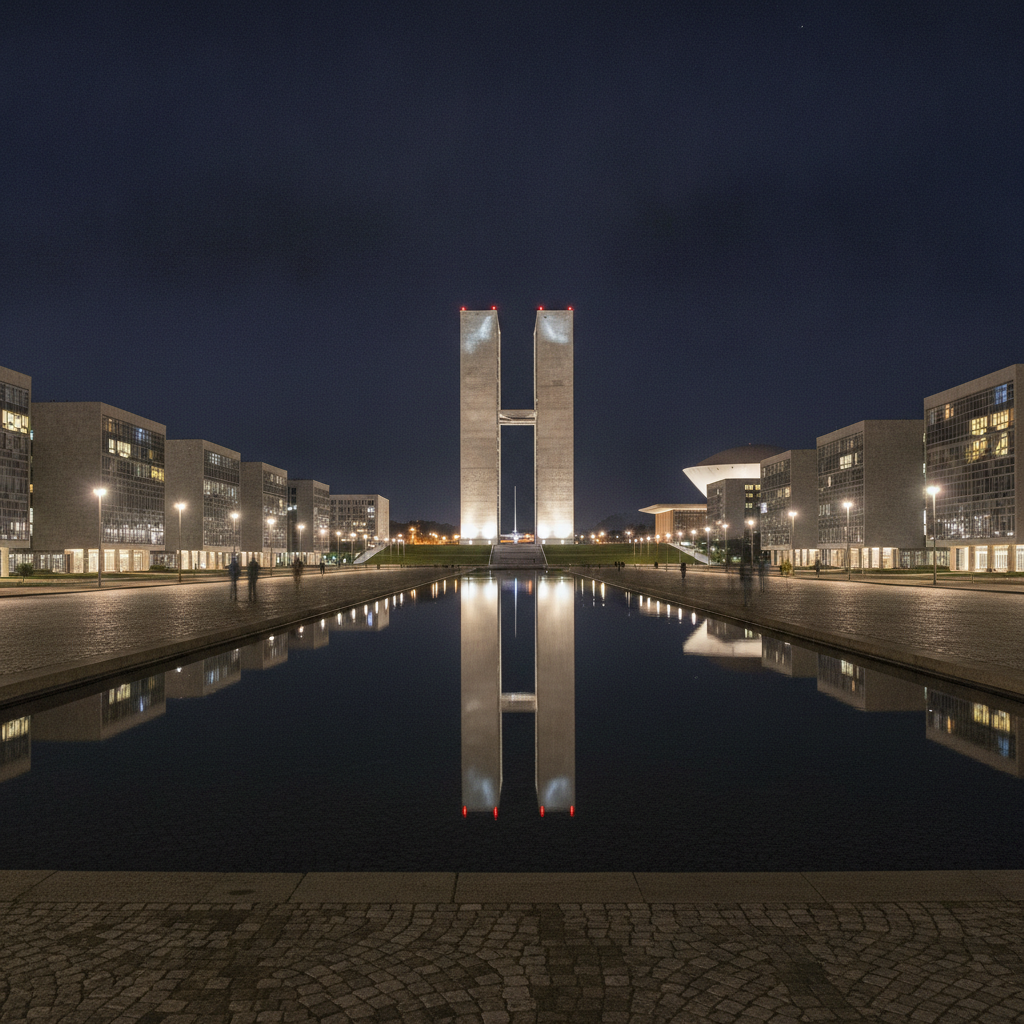
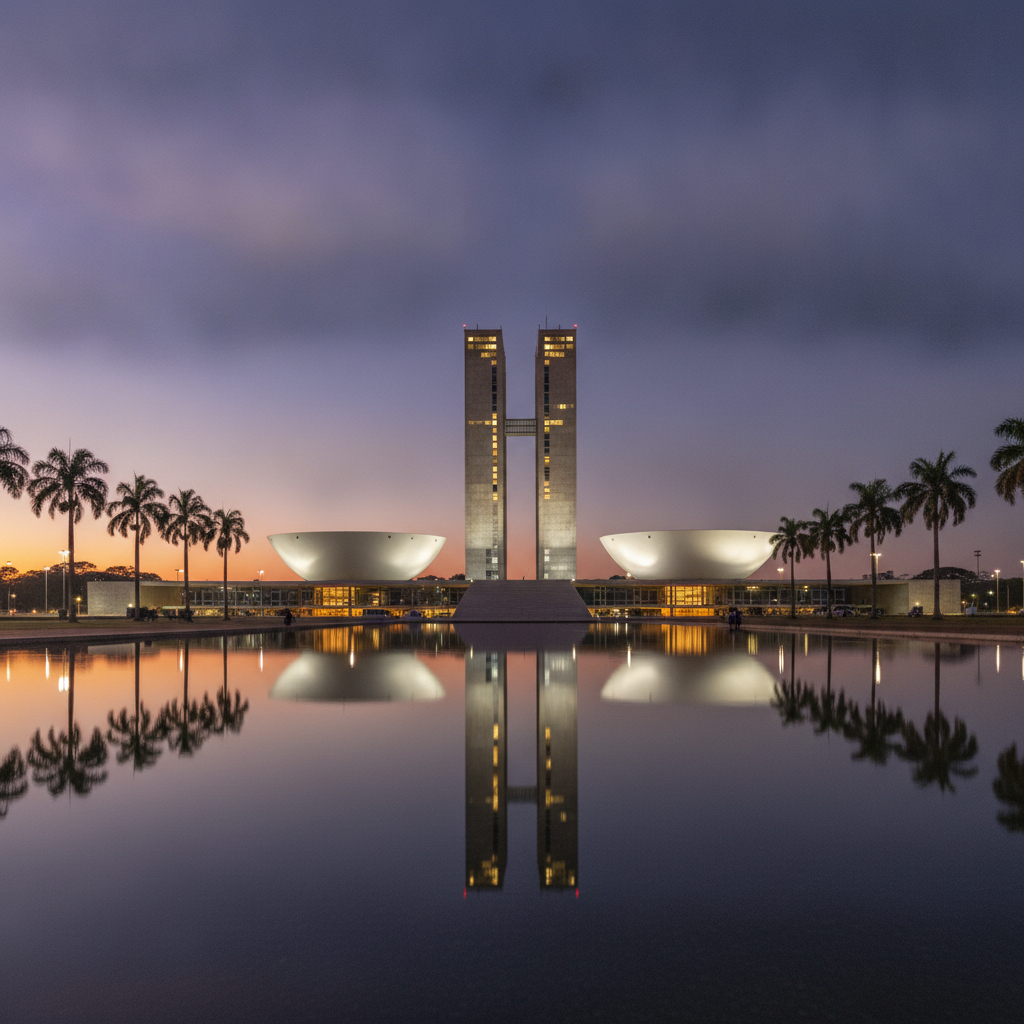
The nocturnal illumination of the Niemeyer buildings along the Eixo Monumental, particularly the Congress complex, the Palacio do Planalto, and the Catedral Metropolitana, transforms the formal daytime civic landscape into a spectacular light installation that is best experienced on foot along the Esplanada dos Ministerios after dark. The floodlit National Congress reflected in the Ministry pools is one of the finest urban night views in South America.
- 2
Palacio do Planalto: The Executive Palace
The Palacio do Planalto, the executive office of the Brazilian president, is open to public visits on Saturday mornings and Sunday afternoons when the formal spaces of the palace are accessible for guided tours that pass through the Niemeyer interiors with the Athos Bulcão tile works and the Paulo Medeiros murals. The palace interior is one of the finest examples of the total artistic coordination of architecture, tile work, and applied arts in the Brasilia modernist program.
- 3
Athos Bulcao: Tile Art of Brasilia
Athos Bulcão, the Brazilian artist who designed the tile and panel installations in many of the Brasilia buildings including the Palacio do Planalto, the National Theater, and the Catedral, created one of the most distinctive and influential bodies of architectural art in the 20th century, using the repeating azulejo tile module in compositions of mathematical complexity and visual richness that complement Niemeyer's sculptural concrete. The Fundação Athos Bulcão promotes the legacy of his work.
- 4
Day Trip to Pirenopolis: The Colonial Counterpoint
Pirenopolis, the colonial gold-mining town 150 kilometers from Brasilia in the Goias highlands, offers the most complete contrast available to the planned modernist capital: a 18th-century colonial town of simple whitewashed churches, cobblestone streets, and the artisanal boutiques and adventure tourism infrastructure that has made it the most visited colonial town in central Brazil. The Festa do Divino in May is the finest surviving baroque Catholic festival of the central plateau.
- 5
Chapada dos Veadeiros: The Cerrado Crystal
Chapada dos Veadeiros national park, 260 kilometers north of Brasilia in the Goias highlands, protects the most spectacular cerrado landscape accessible from the capital, with canyon waterfall systems, quartz crystal rock formations, and the endemic cerrado vegetation of the high-altitude chapada. The park is a UNESCO World Heritage Site and the basis for the new age and alternative spirituality tourism centered on the small town of Alto Paraiso de Goias.
- 6
Goiania: The Art Deco Planned City
Goiania, the planned Art Deco capital of Goias state built in 1933, is accessible from Brasilia by bus in approximately 2.5 hours and offers an interesting comparison of modernist planned city traditions: the more modest but genuinely Art Deco Goiania and the grand modernist Brasilia represent two different phases of the Brazilian planned city ambition. The Bosque dos Buritis park and the Estadio Serra Dourada are the principal urban landmarks.
Walk this route with audio
Stories play automatically as you reach each stop — no tapping needed.
More in Brasilia
Brasilia Architecture Deep Dive: Three Powers Plaza, the Itamaraty Ministry, Burle Marx Gardens, and the Planned City Paradox
Brasilia Culture and Politics: The JK Memorial, Clarice Lispector, January 2023, and the National Theater
Brasilia: Niemeyer's Modernist Capital, the National Congress, the Cathedral, and the Superquadra Utopia
Brasilia Practical Guide: JK Airport, Dry vs Wet Season, Accommodation in the Plan Piloto, and Getting Around