Brasilia Practical Guide: JK Airport, Dry vs Wet Season, Accommodation in the Plan Piloto, and Getting Around
The practical guide to Brasilia covers the international airport connections, the pronounced seasonal climate difference between the cerrado dry season and the wet season thunderstorms, the accommodation concentration in the purpose-built hotel sectors, and the fundamental car-dependence of a city designed around the private automobile.
- 1
Getting to Brasilia: The International Airport
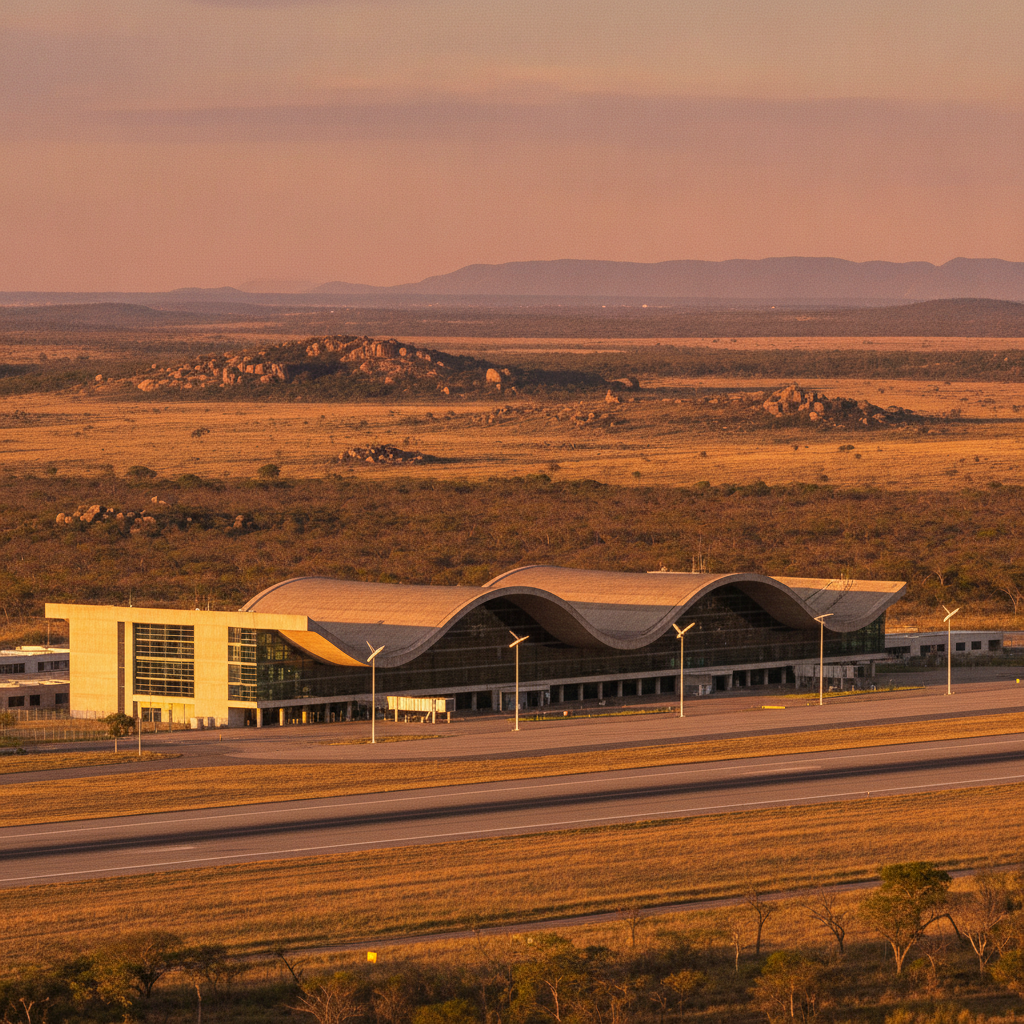
Brasilia Presidente Juscelino Kubitschek International Airport, one of the busiest airports in Brazil and the primary hub for connections within the vast central and western regions of the country, receives direct international flights from Lisbon, Miami, and the major South American capitals in addition to the comprehensive domestic network. The airport itself, expanded by Joao Filgueiras Lima, is the finest airport building in Brazil for architectural quality.
- 2
When to Visit: The Dry Season
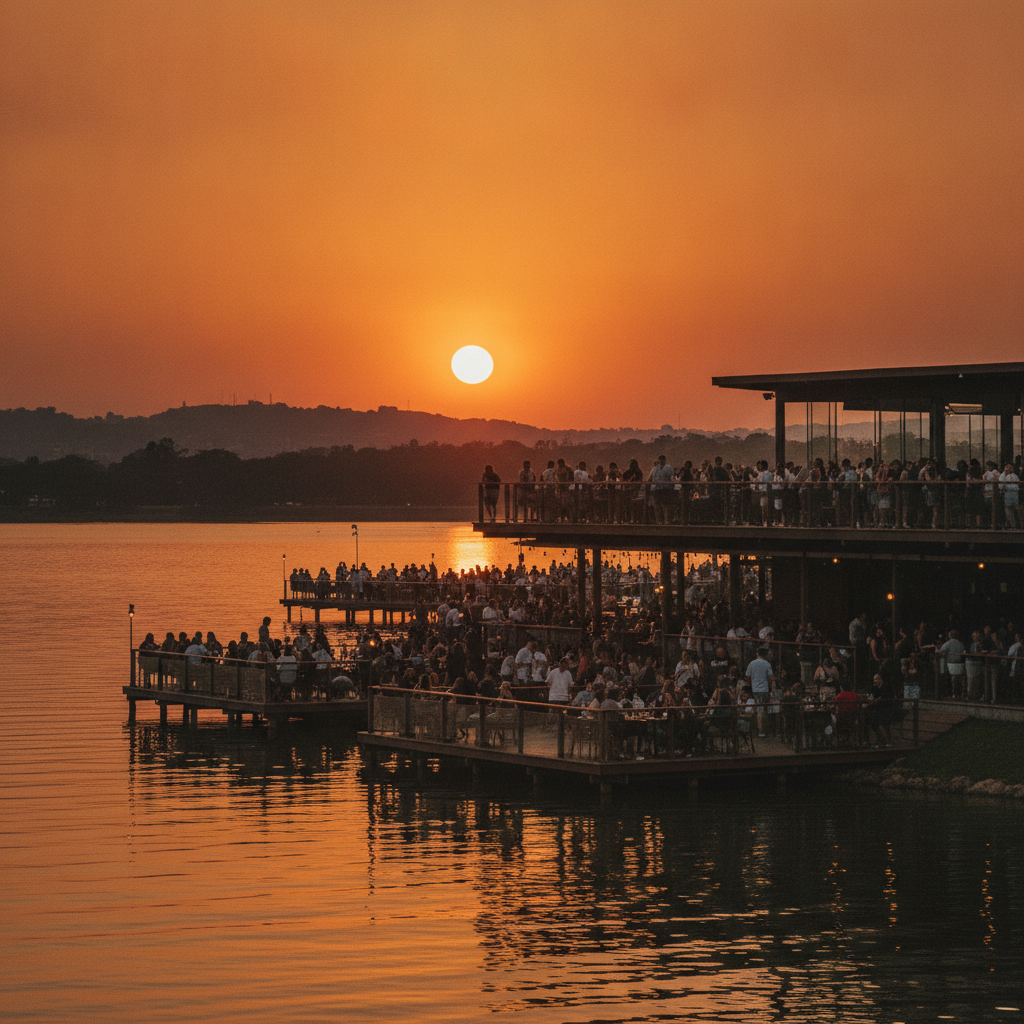
Brasilia has two pronounced seasons: the dry season from May to September when the cerrado vegetation turns yellow-brown, the skies are clear and blue, and the humidity falls to levels that cause chapped lips and nosebleeds; and the wet season from October to April when the daily afternoon thunderstorms green the cerrado and the Lake Paranoa fills. The dry season clear skies are better for photography but the wet season greenery is more attractive for nature visits.
- 3
Accommodation in the Plan Piloto
Accommodation in Brasilia is concentrated in the Setor Hoteleiro Norte and Sul, the dedicated hotel zones of the Plano Piloto plan, where the mid-range and business hotel chains operate in the purpose-built hotel blocks that are among the few places in the Plano Piloto where the visitor population concentrates. The luxury options include the National Hotel and the Royal Tulip on the lakeside.
- 4
Getting Around: The Metropolitan Bus and Metrô
The Brasilia metro system, which serves the main axis of the Plano Piloto and connects to the satellite city of Ceilândia, is the most practical public transport option for moving along the Eixo Monumental; the metropolitan bus network serves the satellite cities. The city is fundamentally designed for the private car and the distances between the major buildings and sectors of the Plano Piloto are too large for comfortable walking.
- 5
Safety in the Capital
Brasilia has lower violent crime rates than most major Brazilian cities in the Plano Piloto area, but the satellite cities have higher crime rates and visitors should use standard urban safety precautions in the peripheral areas. The Esplanada dos Ministerios is heavily policed given the concentration of government buildings and is safe during daytime visits.
- 6
Budget: A Government City
Brasilia has a higher cost of living than most Brazilian cities due to the concentration of government salaries and the diplomatic community, with accommodation, restaurants, and services priced at levels comparable to Sao Paulo. The lack of the tourism infrastructure of the beach cities means that budget accommodation and the cheap food options of the tourist beach economy are less available in the capital.
Walk this route with audio
Stories play automatically as you reach each stop — no tapping needed.
More in Brasilia
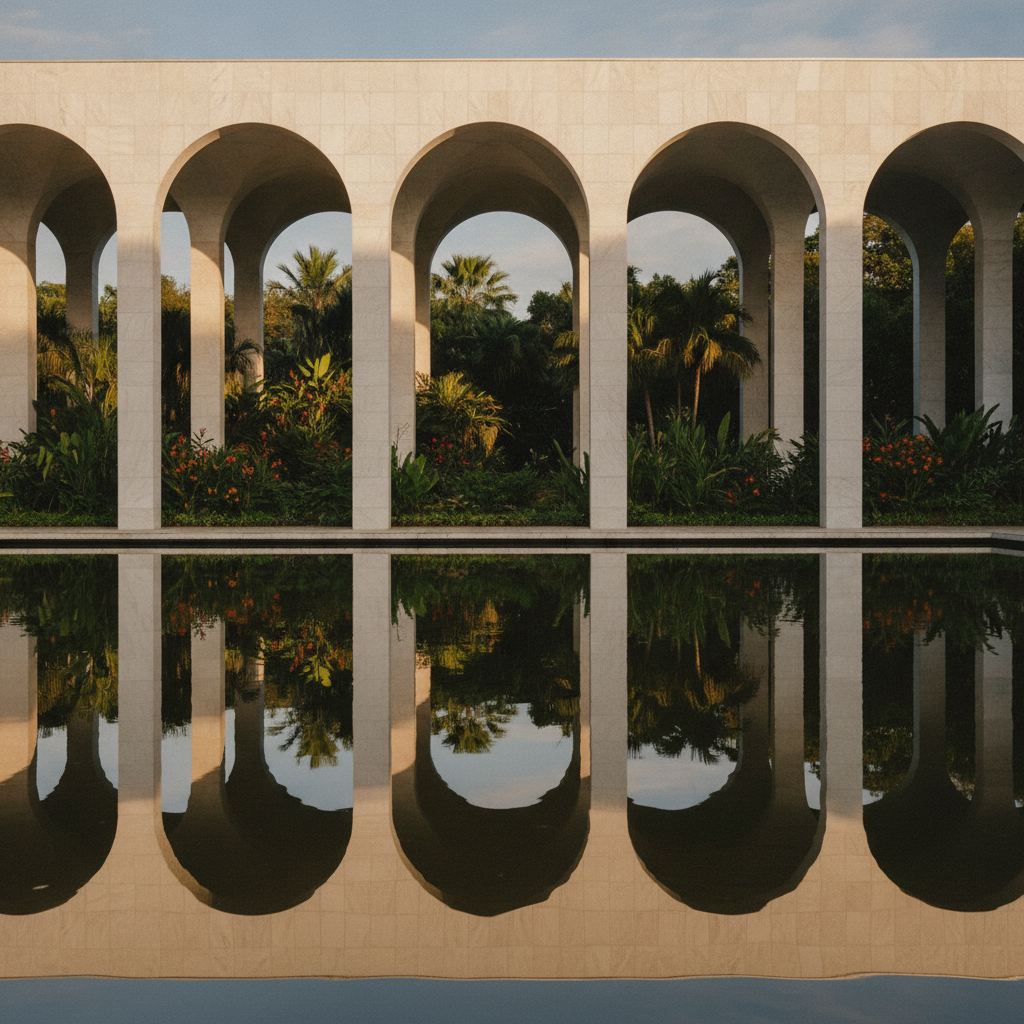
Brasilia Architecture Deep Dive: Three Powers Plaza, the Itamaraty Ministry, Burle Marx Gardens, and the Planned City Paradox
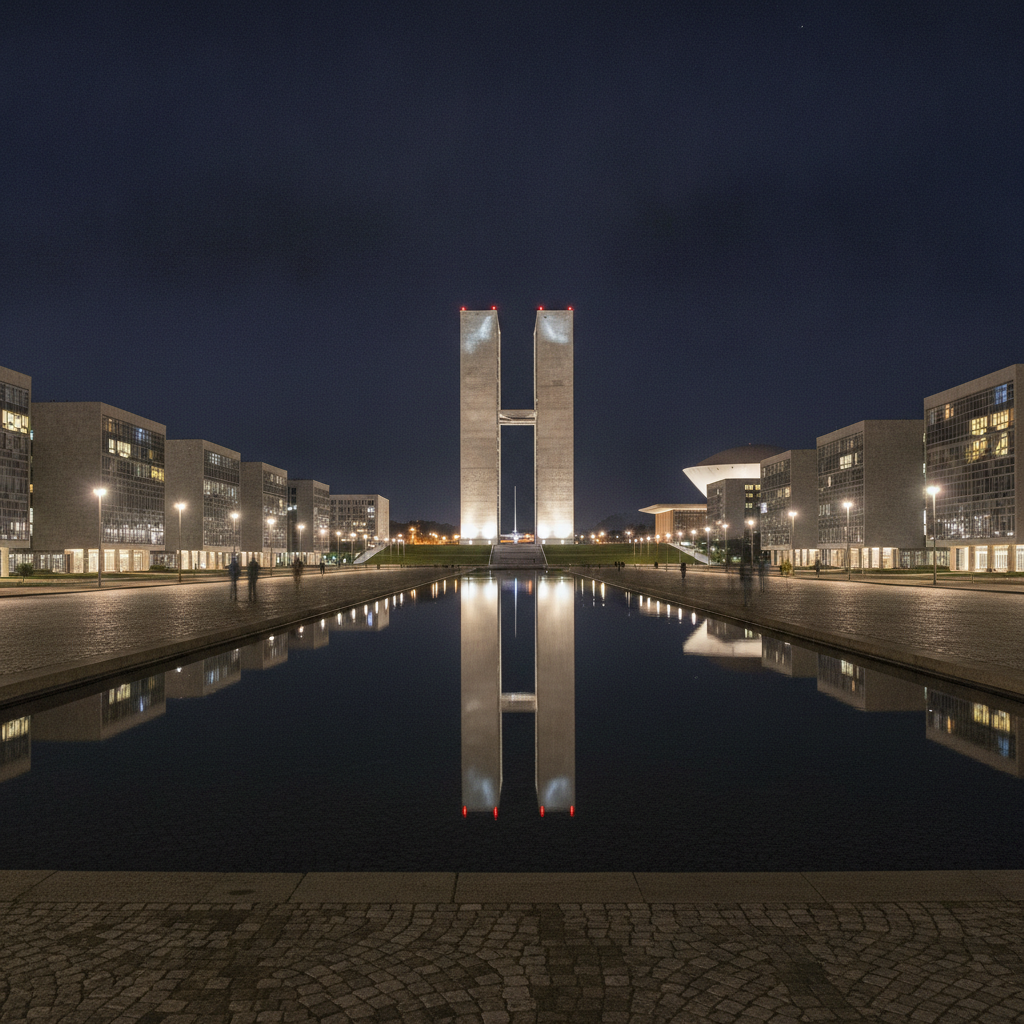
Brasilia by Night and Day Trips: Illuminated Architecture, Palacio do Planalto, Pirenopolis, and Chapada dos Veadeiros
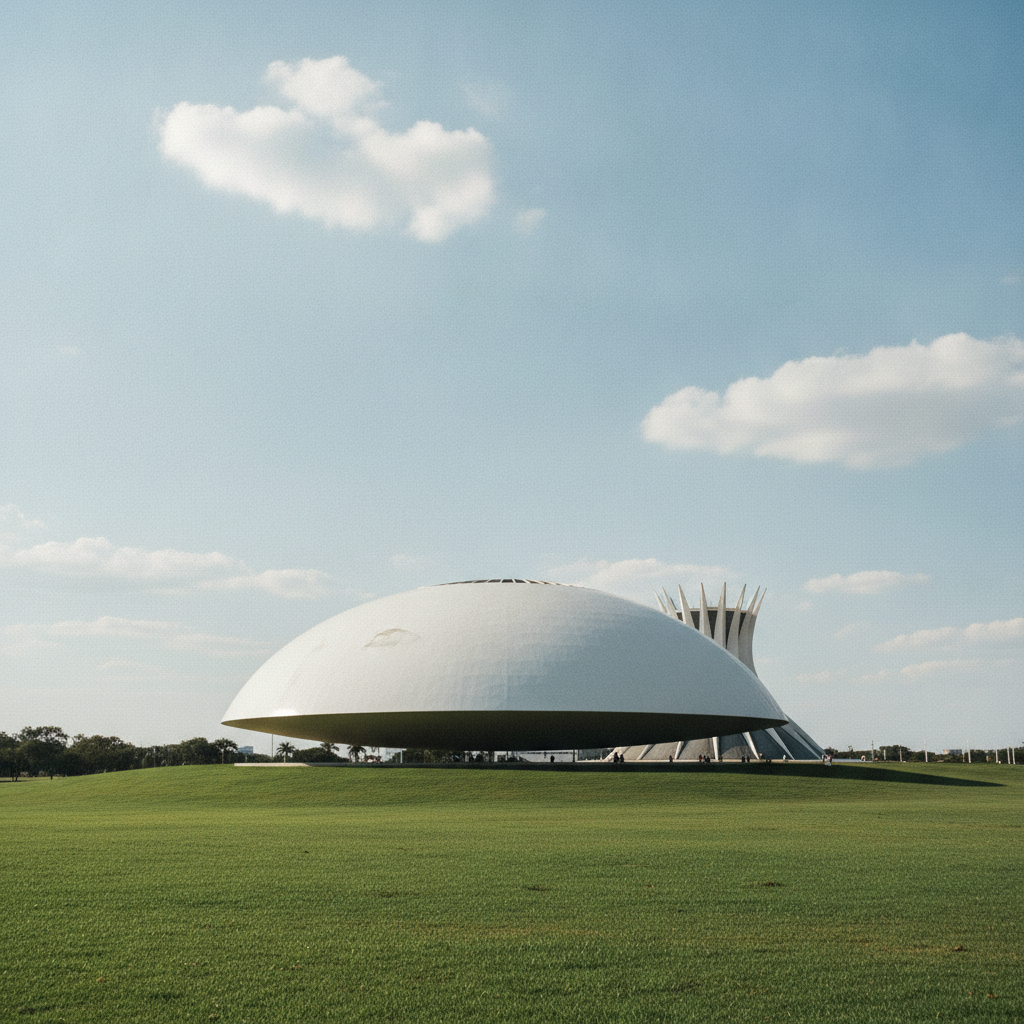
Brasilia Culture and Politics: The JK Memorial, Clarice Lispector, January 2023, and the National Theater
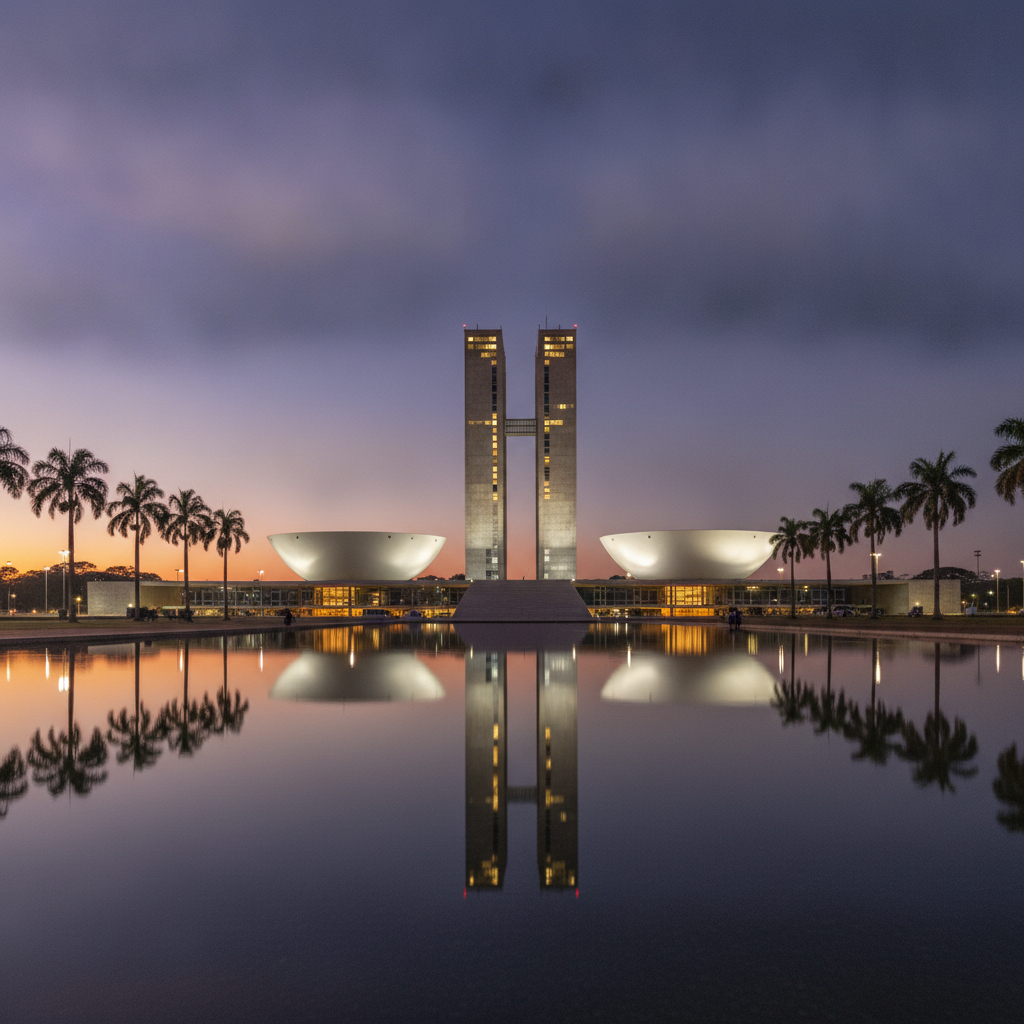
Brasilia: Niemeyer's Modernist Capital, the National Congress, the Cathedral, and the Superquadra Utopia