Brașov Essentials: Black Church, Council Square & Tampa Mountain
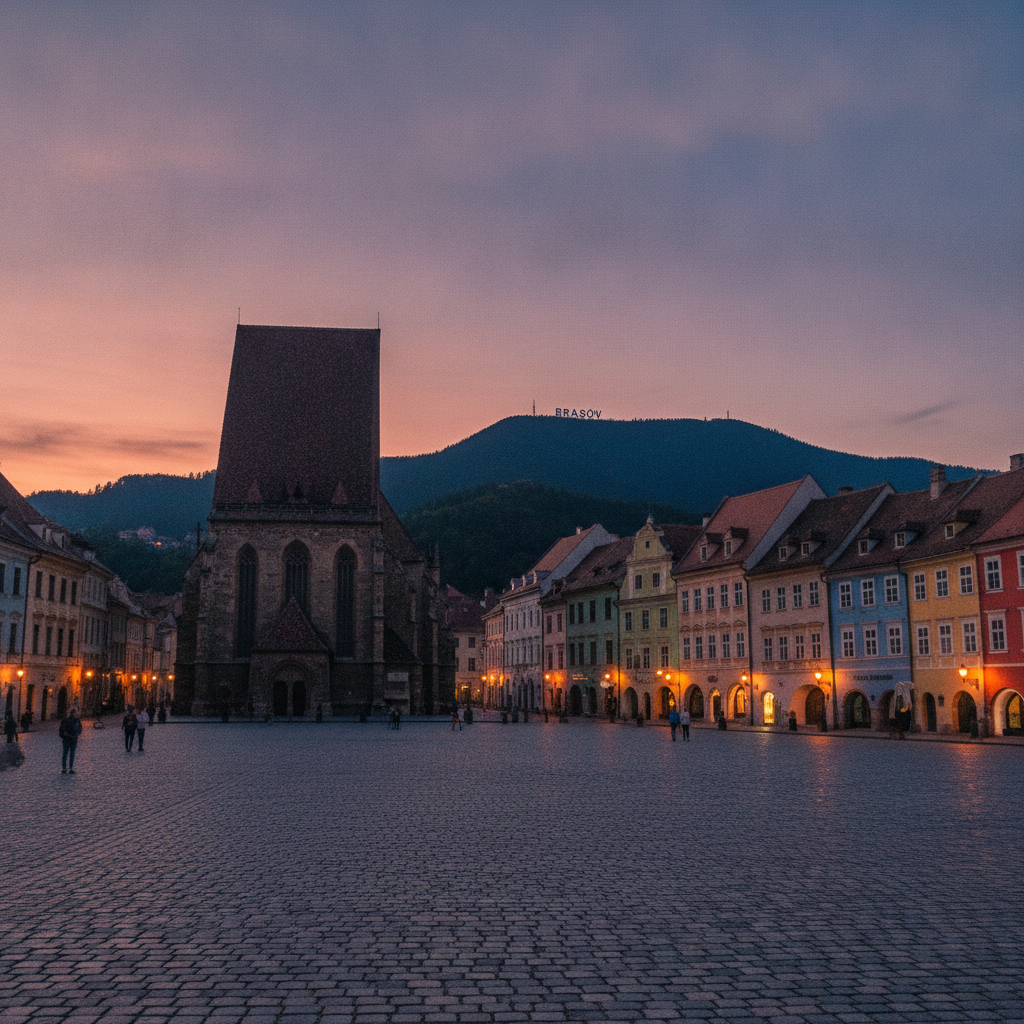
Explore one of Europe's best-preserved medieval Saxon cities—the vast Gothic Black Church with its Ottoman carpet collection, the harmonious Council Square ringed by 700-year-old merchant houses, Europe's narrowest Rope Street, and the cable car up Tampa Mountain for the defining view over Brașov's terracotta rooftops.
- 1
Piața Sfatului – Council Square
The heart of medieval Brașov is one of the most harmonious town squares in Eastern Europe—a broad cobbled rectangle ringed by Gothic, Renaissance, and Baroque merchant houses. The 15th-century Council House at its centre now houses the city history museum; the surrounding cafés and restaurants occupy buildings used by Saxon merchants trading amber, furs, and textiles for 700 years.
- 2
The Black Church (Biserica Neagră)
The largest Gothic church in Romania and the easternmost Gothic cathedral in Europe, the Black Church was built by the German Saxon community of Brașov between 1383 and 1477. Its name comes from smoke damage from a 1689 Austrian fire. The interior houses the largest collection of Ottoman Anatolian carpets outside Turkey—over 100 pieces donated by Saxon merchants—and a massive Buchholz organ with 4,000 pipes.
- 3
Rope Street & Old Town Medieval Lanes
Brașov's Rope Street (Strada Sforii) is one of Europe's narrowest streets—just 111 cm wide at its narrowest point, originally used as a fire escape passage between buildings. The surrounding old town lanes reveal a perfectly preserved Saxon medieval city: towers, bastions, guild halls, and alleyways little changed since the 16th century. The street plan follows its medieval form despite 700 years of occupation.
- 4
Tampa Mountain & Cable Car
Mount Tampa rises directly above Brașov's old town to 960 metres, accessible by cable car (gondola) in 4 minutes or on foot in 45 minutes. The summit offers panoramic views over the old town rooftops, the surrounding Carpathian ridges, and—on clear days—the Bucegi plateau. The famous BRAȘOV hillside sign (modelled on Hollywood's) is illuminated at night and visible across the Bărăgan plain.
- 5
City Walls & Seven Bastions
Brașov's medieval defensive walls—built by the Saxon guilds from the 14th to 17th centuries—enclosed the entire city; each guild was responsible for defending one bastion. Seven bastions survive: the Weavers' Bastion (now a museum), the Blacksmiths', Rope Makers', Tailors', Tanners', Furriers', and Drapers' Bastions. The Weaver's Bastion contains a scale model of the medieval city as it appeared in 1600.
- 6
Schei District & Romanian Orthodox Heritage
Outside the original Saxon city walls, the Schei district was the quarter where ethnic Romanians were permitted to settle under Saxon rule—they were forbidden from living or trading within the walls until 1836. The Church of Saint Nicholas (built from 1292) and the first Romanian-language school (Şcoala Românească, 1495) in Schei document the parallel Romanian cultural life maintained outside the Saxon enclave.
Walk this route with audio
Stories play automatically as you reach each stop — no tapping needed.
More in Brașov
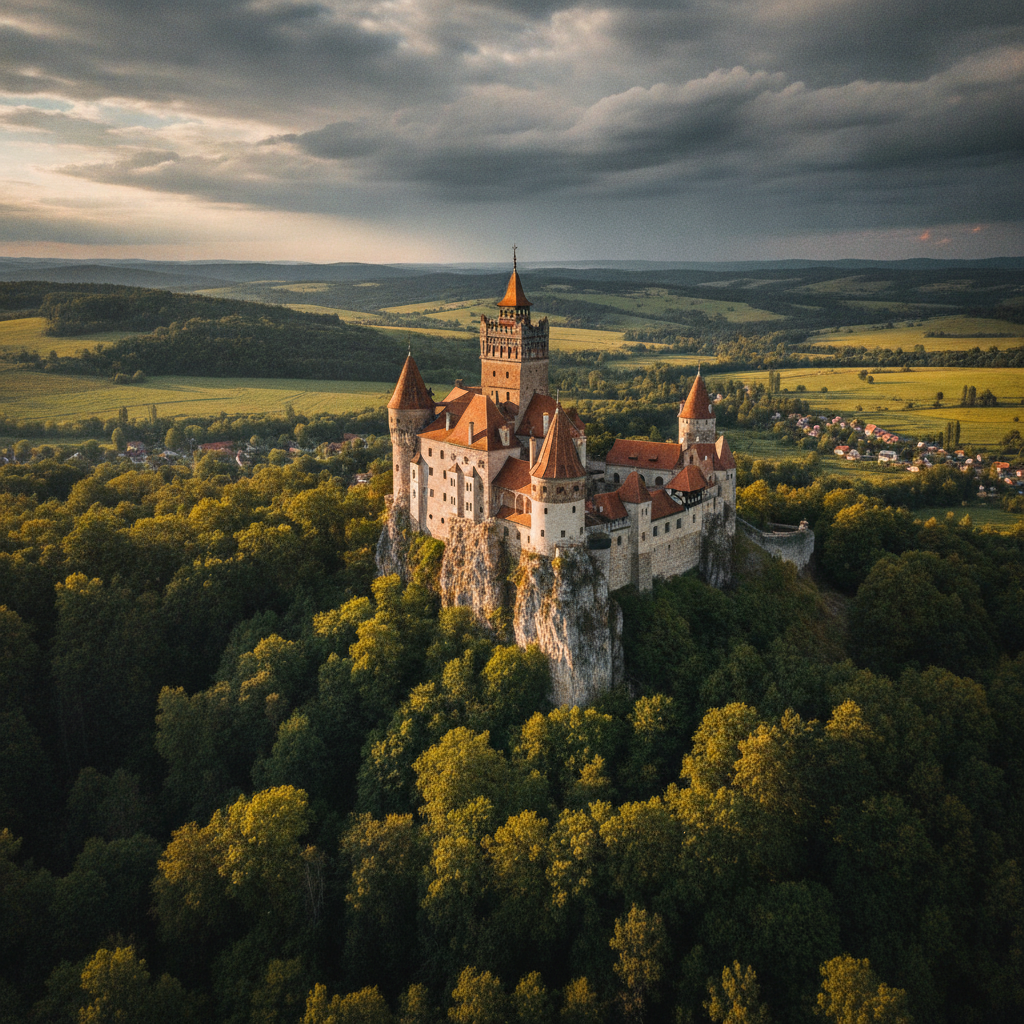
Brașov Day Trips: Bran Castle, Peleș & Fortified Saxon Churches

Brașov History & Nature: Saxon Legacy, Bears & Transylvanian Identity

Brașov: Hiking, Photography & the Magical Christmas Market
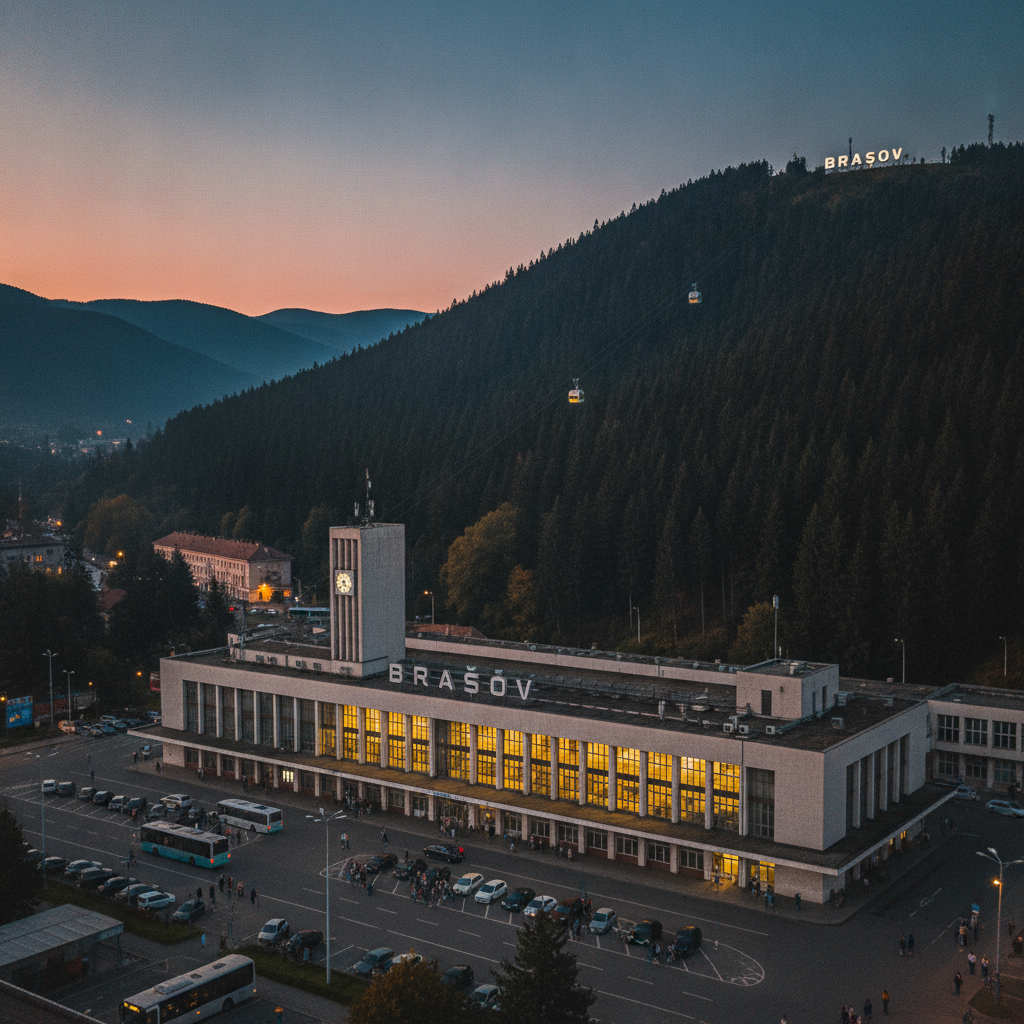
Brașov Practical Guide: Trains, Budget & Transylvania Circuit