Brașov History & Nature: Saxon Legacy, Bears & Transylvanian Identity
Understand what makes Transylvania unique—800 years of Saxon German city-building, the real history of Vlad the Impaler versus the Dracula myth, Transylvania's large Hungarian minority and complex identity, brown bear watching in Europe's densest bear habitat, and extensions to magnificent Sibiu and fairy-tale Corvin Castle.
- 1
Saxon Heritage – 800 Years of German Transylvania
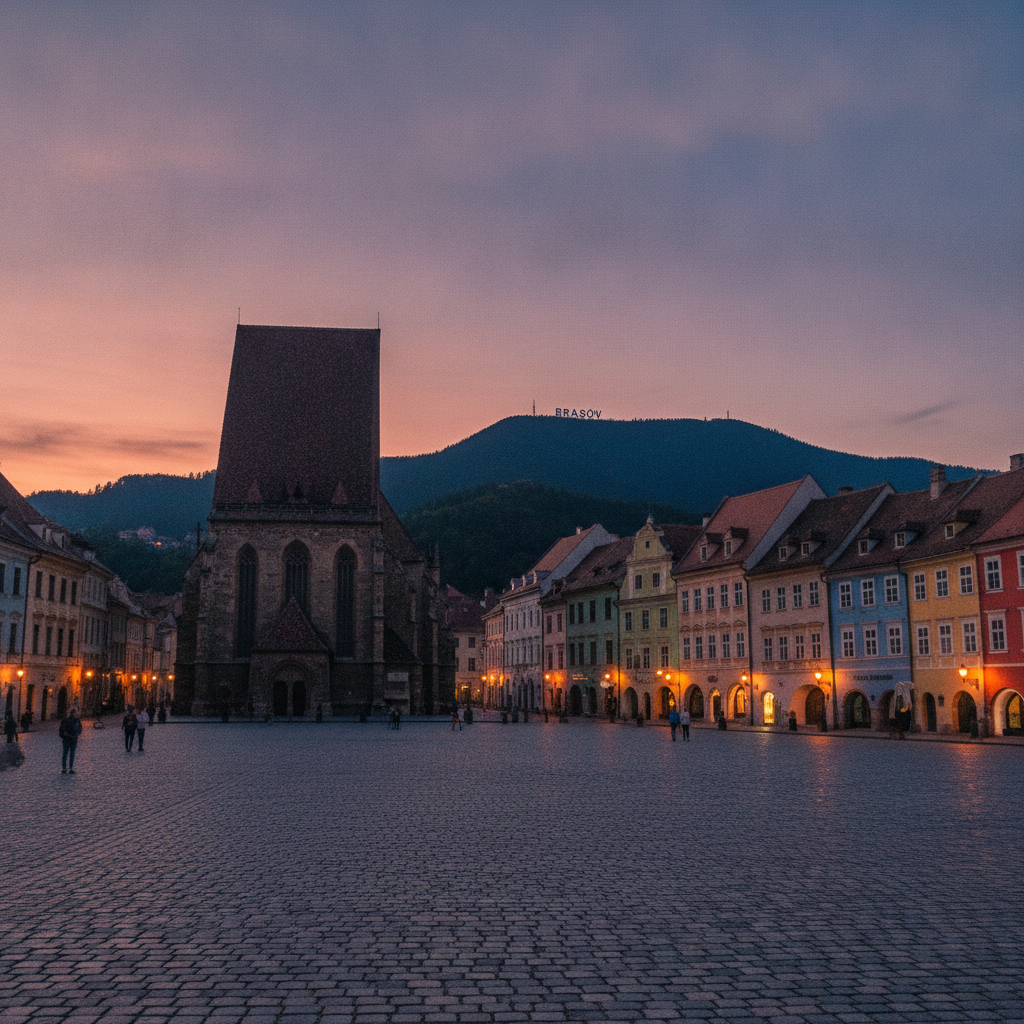
The Transylvanian Saxons—invited by King Géza II of Hungary in the 12th century to settle and develop the frontier—built Brașov (Kronstadt in German, Brassó in Hungarian) into one of Central Europe's most prosperous trading cities. Their legacy is visible everywhere: the Gothic churches, the guild bastions, the merchant houses, and the place names. The last large-scale Saxon emigration to Germany occurred after 1989; few remain today.
- 2
Vlad the Impaler – History vs Myth
Vlad III of Wallachia (1428/31–1476/77), known as Vlad the Impaler for his preferred method of execution, was a real and historically significant ruler who fought against Ottoman expansion. Born in Sighișoara, he had complex and often hostile relations with Brașov's Saxon merchants (who supported his rivals). Bram Stoker never visited Transylvania; his 1897 Dracula novel drew on library research and Vlad's name as inspiration rather than his biography.
- 3
The Hungarian Minority & Transylvanian Identity
Transylvania was part of Hungary until 1918 and the Kingdom of Romania acquired it through the post-WWI Treaty of Trianon. Today around 18% of Transylvania's population is ethnic Hungarian (Székely), predominantly in Harghita and Covasna counties east of Brașov. Brașov itself has a sizeable Hungarian minority; street signs in some areas are bilingual. The question of Transylvanian identity—Romanian, Saxon, Hungarian, or all three—remains politically sensitive.
- 4
Bear Watching in the Carpathians
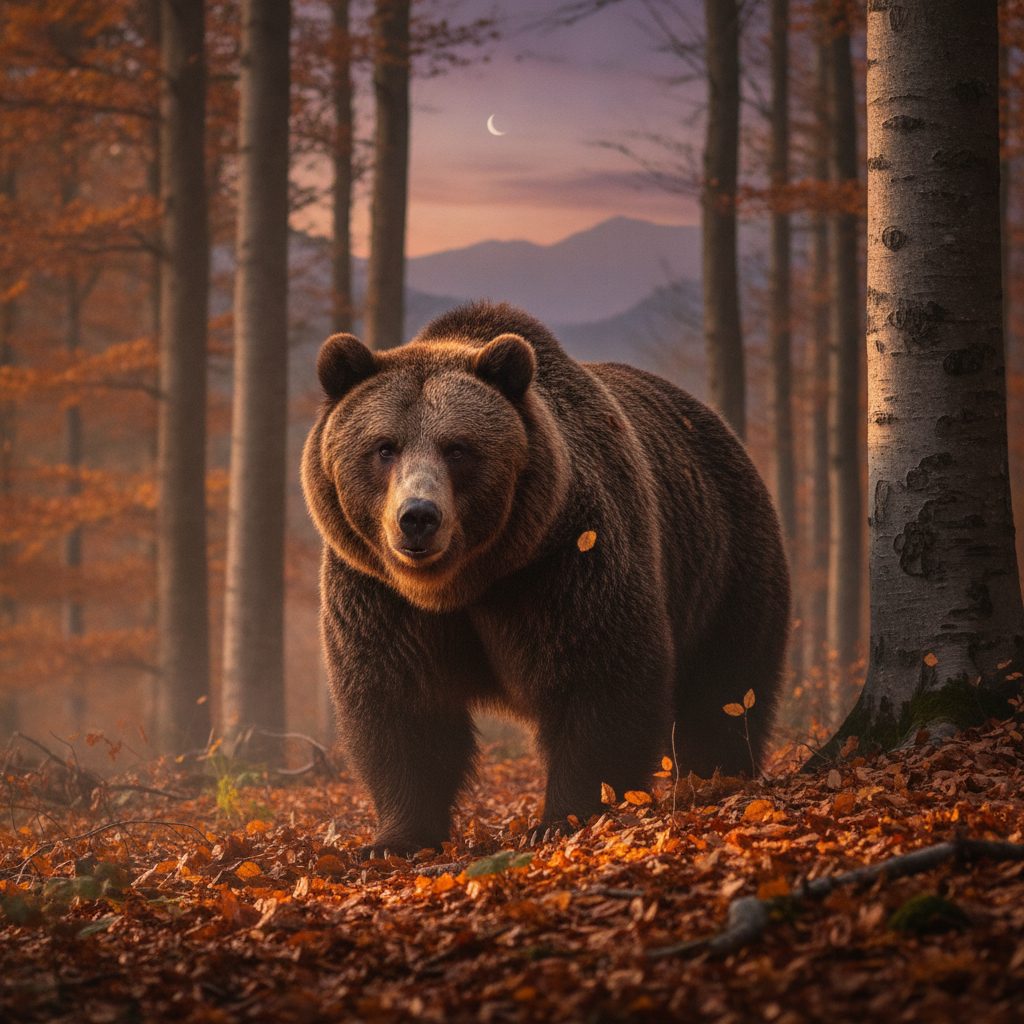
Romania has Europe's largest brown bear population outside Russia—approximately 6,000–8,000 animals. The forests around Brașov are among the highest-density bear habitats in Europe. Responsible bear-watching hides (viewing platforms in forest clearings where bears are fed by rangers) operate outside Brașov and in the Piatra Craiului area. Bucharest's suburban bears—which regularly wander into the city from the surrounding forests—have become a social media phenomenon.
- 5
Transylvanian Folklore & Traditions
Transylvania's villages maintain some of Europe's most vivid living folk traditions—embroidered costumes, painted Easter eggs (ouă încondeiate), carved wooden churches (in Maramureș, north of Cluj), and sheep transhumance (the seasonal migration of flocks between mountain pastures and winter lowlands). The Bran Museum's ethnographic section and the Astra Open-Air Museum in Sibiu (the largest in Romania) document these traditions comprehensively.
- 6
Corvin Castle & Sibiu as Brașov Extensions
Two cities west of Brașov reward extension visits. Sibiu (2 hrs by train or car) is Romania's most complete medieval city—its large market square, Lutheran cathedral, and walkable old town rival Brașov; it was European Capital of Culture 2007. Hunedoara (3.5 hrs) contains Corvin Castle—the most spectacular Gothic castle in Romania, a fairy-tale fortress of spires, towers, and drawbridges that rivals any in Bavaria or the Loire Valley.
Walk this route with audio
Stories play automatically as you reach each stop — no tapping needed.
More in Brașov
Brașov Day Trips: Bran Castle, Peleș & Fortified Saxon Churches

Brașov: Hiking, Photography & the Magical Christmas Market
Brașov Practical Guide: Trains, Budget & Transylvania Circuit
Brașov Food, Festivals & Transylvanian Flavours