Bratislava Hidden Layers: Communism, the Velvet Revolution & Jewish Pressburg
Explore Bratislava's complex 20th century—the demolished Jewish quarter where Orthodox Judaism's most influential rabbi is buried below a highway tunnel, Petržalka's 110,000-person socialist city across the river, the Velvet Revolution demonstrations that ended communism, and a Slovak National Theatre staging world-class opera for €15.
- 1
Bratislava's Communist Architecture & History
Bratislava suffered extensively under communist urban planning (1948–1989)—a significant part of the baroque and Habsburg old town, the Jewish quarter (Podhradie), and the historic waterfront were demolished for the SNP Bridge, a motorway, and socialist housing estates (paneláky). The Museum of Communism (Múzeum komunizmu) in the old town documents daily life under the regime; the Slavín war memorial (1960) commemorates 6,845 Soviet soldiers buried on the hill above the castle.
- 2
Velvet Revolution & Slovak Democracy
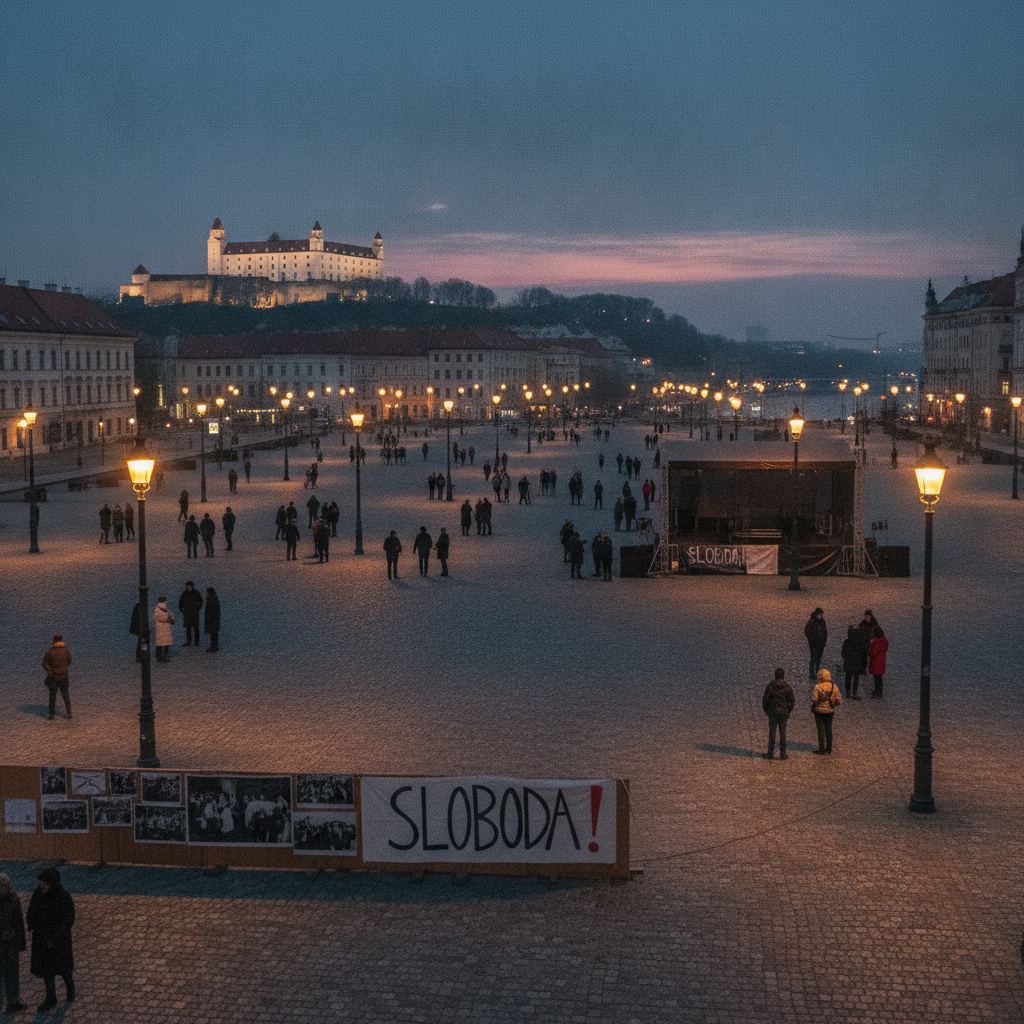
Bratislava was the centre of Slovakia's Velvet Revolution in November–December 1989—public demonstrations on SNP Square (Námestie SNP) and Hviezdoslav Square drew hundreds of thousands. The playwright Václav Havel's first visit to Bratislava after becoming president is commemorated in the city. Slovakia and the Czech Republic then peacefully separated on January 1, 1993 (the 'Velvet Divorce'), making Bratislava the capital of a new independent state for the first time.
- 3
Petržalka – Europe's Largest Socialist Housing Estate
Petržalka, across the Danube from the old town, is Europe's largest socialist housing estate—a city of 110,000 people in prefabricated concrete panel blocks (paneláky) built in the 1970s–1980s. At its peak, 1 in 6 inhabitants of Greater Bratislava lived in Petržalka. Post-1989 renovation has improved the estate's appearance, but its scale is still startling—a 30-minute walk from the historic old town brings you to a entirely different urban world.
- 4
Jewish Bratislava – Pressburg's Destroyed Community
Pressburg (Bratislava's German name) was one of Central Europe's most significant centres of Jewish learning—the Chatam Sofer (Rabbi Moses Schreiber, 1762–1839), founder of Orthodox Judaism's most influential yeshiva, lived and is buried here. The Holocaust deported Bratislava's Jewish community (over 15,000 people) between 1942 and 1944; the community was not rebuilt. The Chatam Sofer Memorial (below the UFO Bridge, incorporated into a tunnel) is an extraordinary and little-visited monument.
- 5
Slovak National Theatre & Cultural Life
The Slovak National Theatre (Slovenské národné divadlo), housed in both its 1886 Neo-Baroque building and a striking 2007 modern annex on the Danube waterfront, stages opera, ballet, and drama at prices far below Vienna or Prague (€10–30 for excellent performances). The Slovak Philharmonic (founded 1949) performs in the Reduta concert hall. Bratislava has a small but high-quality music festival calendar including the Bratislava Music Festival (October) and Jazz Days (October).
- 6
Bratislava's Street Art & Contemporary Scene
The Nové Mesto (New Town) and the Staré Mesto back streets have accumulated significant street art since the 1990s—murals and stencil work on the paneláky facades and in the old town laneways. The Slovak National Gallery (Slovenská národná galéria), in a striking brutalist building incorporating a Baroque water palace on the Danube, holds the country's main collection of Slovak fine art from medieval panel paintings to 20th-century modernism.
Walk this route with audio
Stories play automatically as you reach each stop — no tapping needed.
More in Bratislava
Bratislava Essentials: Habsburg Capital, Coronation Cathedral & the UFO Bridge
Bratislava on a Plate: Bryndzové Halušky, Little Carpathians Wine & Slovak Beer

Bratislava Day Trips: Vienna in 60 Minutes, the Blood Countess & the High Tatras
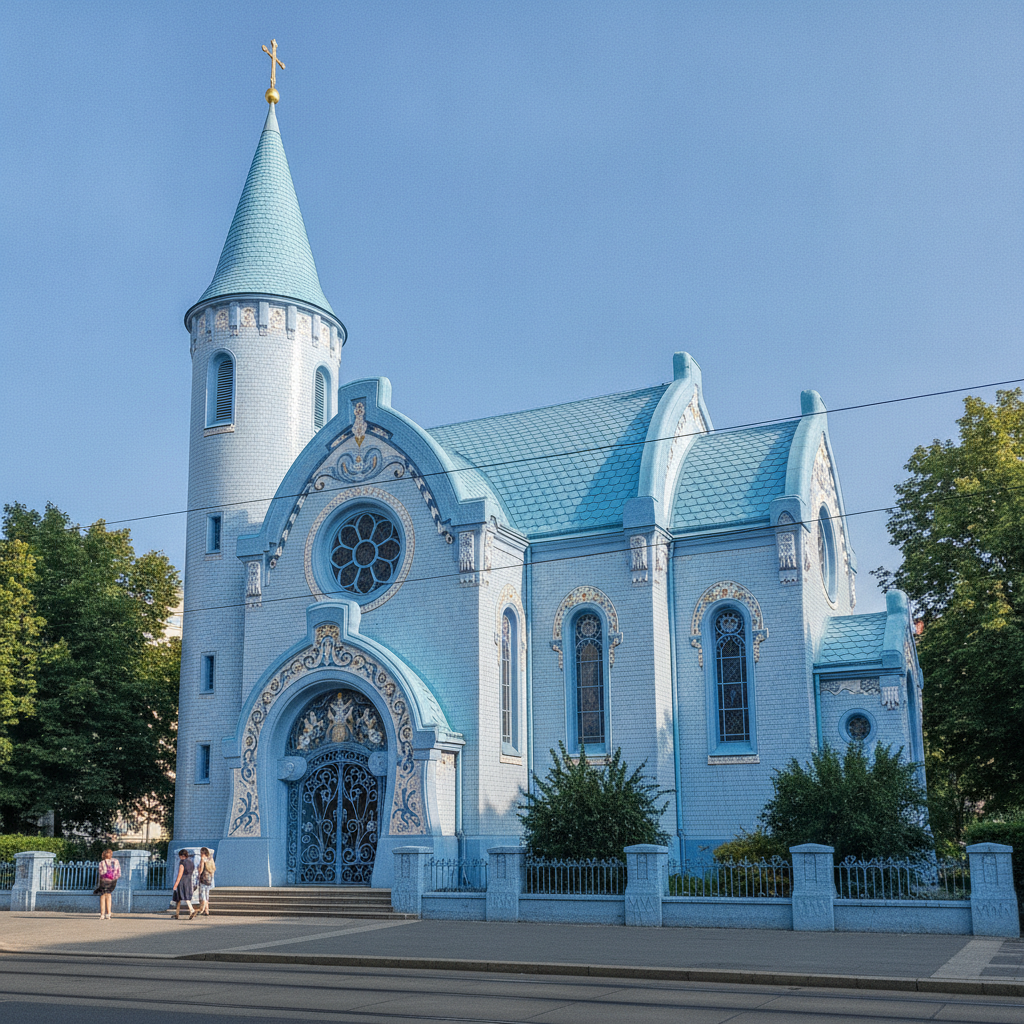
Bratislava's Quirks: Bronze Sewer Workers, the Blue Church & Art Nouveau Gems