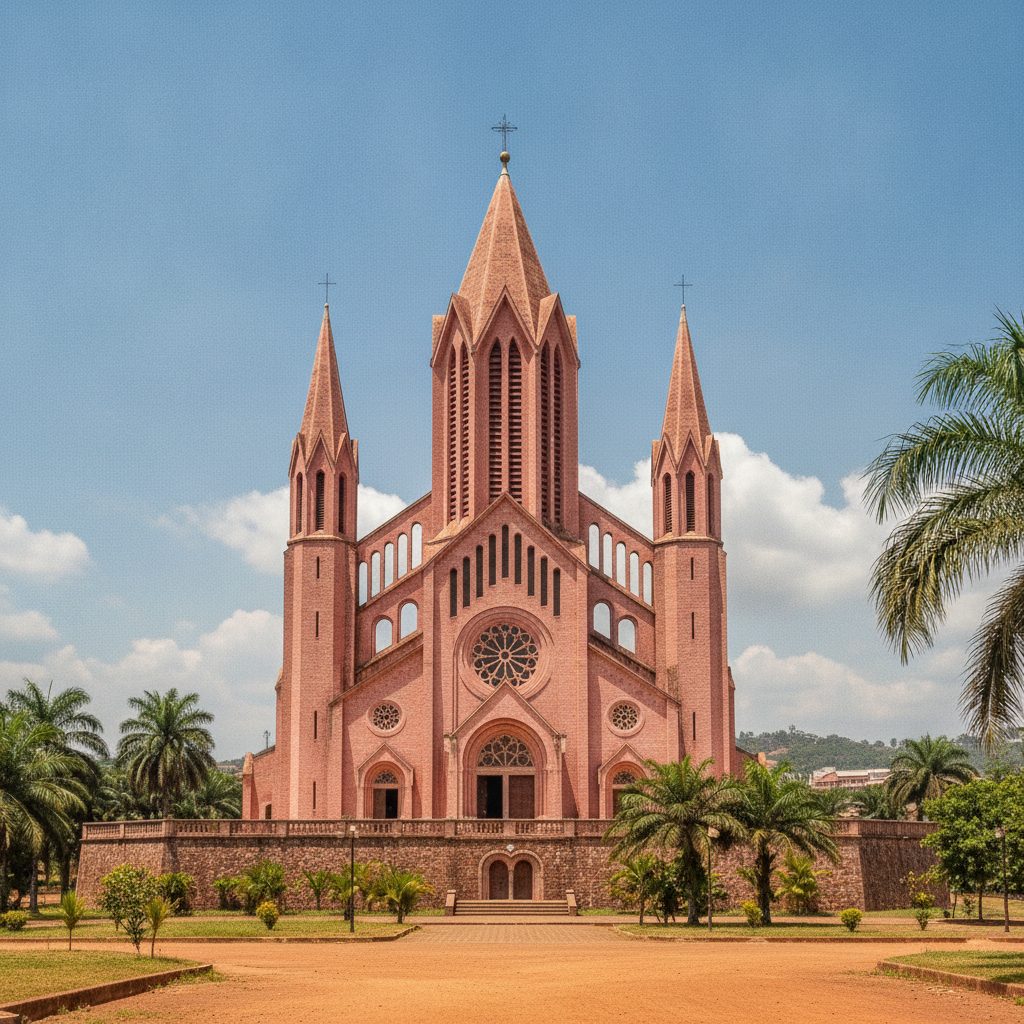
Brazzaville & Pierre de Brazza: The Colonial Founding Story
Brazzaville is named for the Italian-French explorer Pierre Savorgnan de Brazza, who signed treaties with the Teke king in 1880 — the city's history is inseparable from its colonial founding and the Congo's remarkable story
- 1
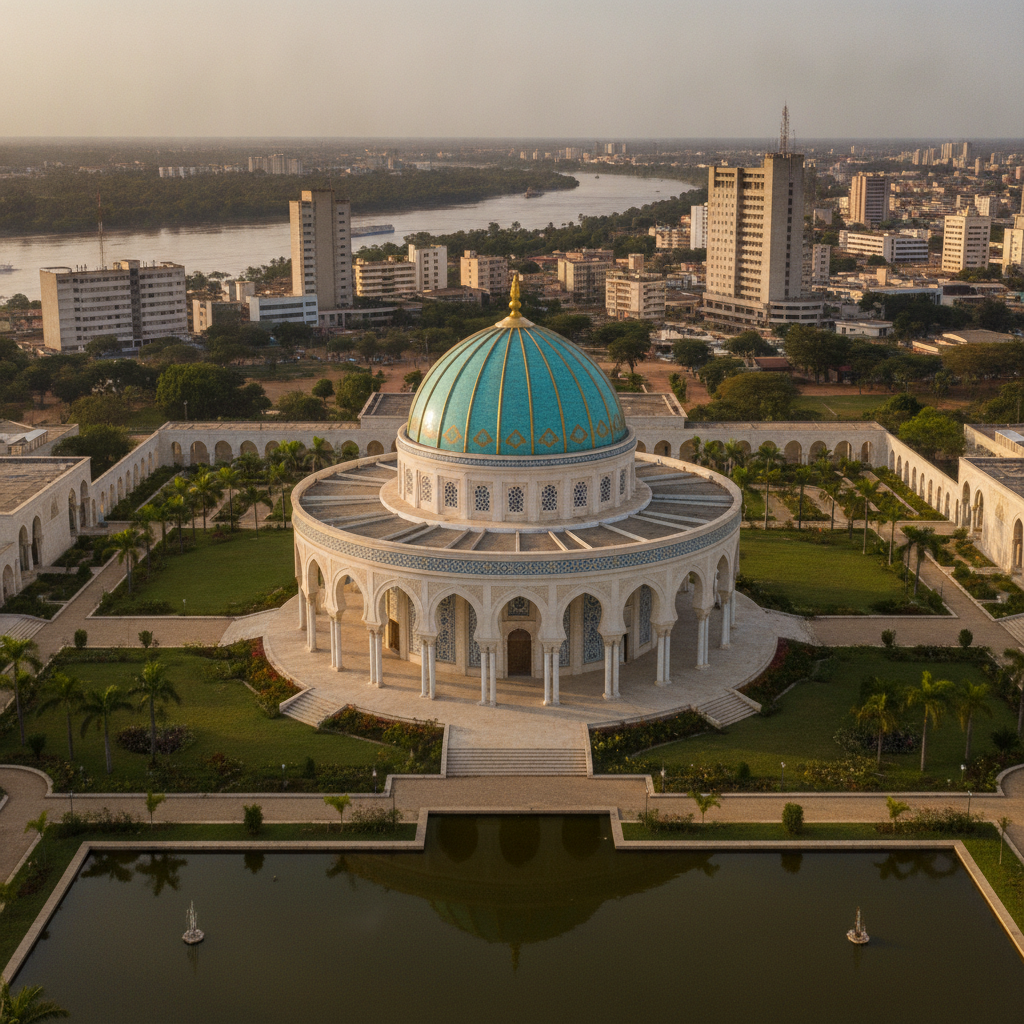
De Brazza's Mausoleum
The 2006 restored mausoleum of Pierre Savorgnan de Brazza near the river is a politically charged monument — the decision to return his remains from Algeria was controversial in post-colonial Congo
- 2
Teke Kingdom and the 1880 Treaty
The Teke kingdom ruled Pool Malebo when de Brazza arrived — King Makoko's treaty with the explorer became the legal basis for the French Congo, and its legitimacy has been debated ever since
- 3
Brazzaville Conference 1944
The 1944 Brazzaville Conference, convened by de Gaulle, established colonial policy for French Africa – its limited reforms lacked independence but recognized African political rights for the first time
- 4
Félix Éboué and African Loyalty
Félix Éboué, the Governor of French Equatorial Africa, born in Guinea, rallied the region to de Gaulle in 1940 — his story is told in the city's museums and represents a complicated colonial loyalty
- 5
Independence and the Marxist period
Congo-Brazzaville was the first African country to declare itself a Marxist-Leninist state in 1969 - Soviet-era architecture, street names and political culture still echo in the city
- 6
Denis Sassou Nguesso's Long Rule
The current president has ruled the Congo since 1979 (with a brief interruption) - his rule represents one of Africa's longest-serving presidencies, and the city shows signs of concentrated political power
Walk this route with audio
Stories play automatically as you reach each stop — no tapping needed.
More in Brazzaville
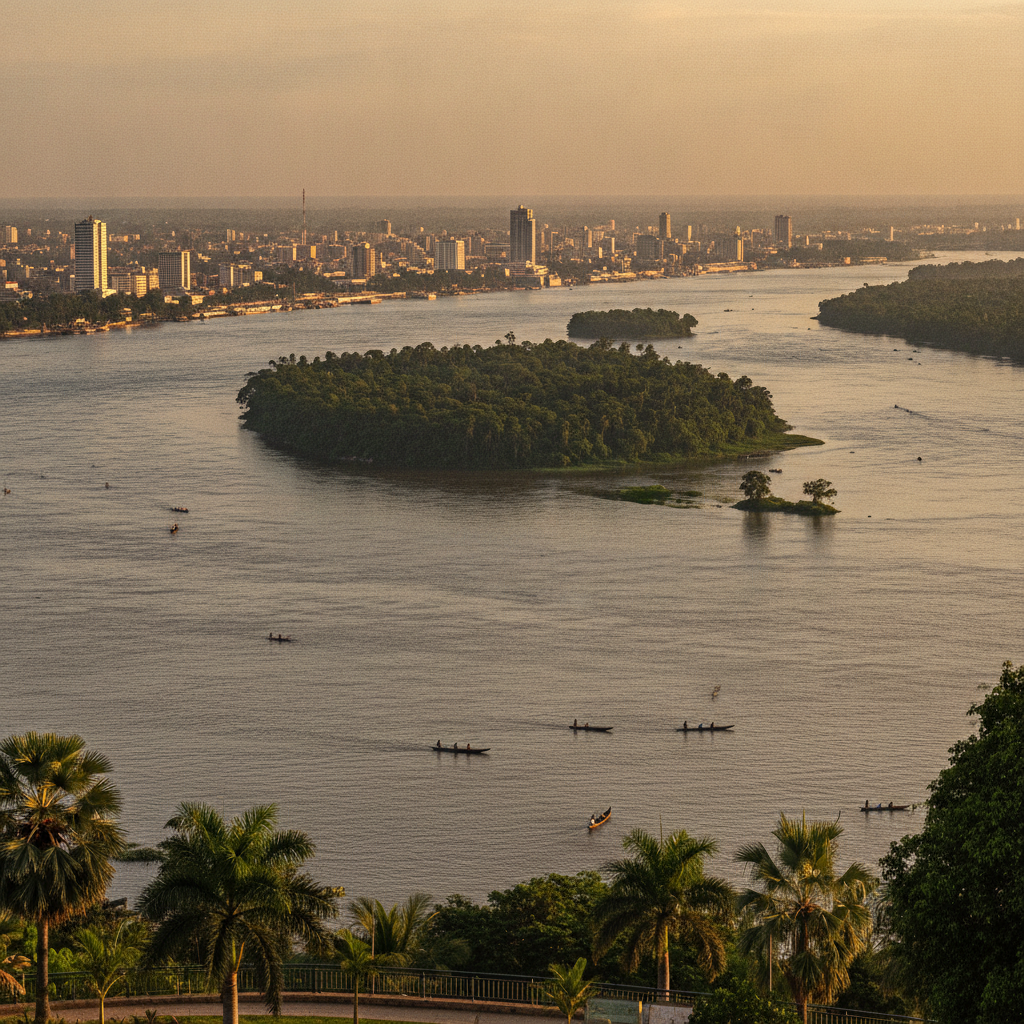
Pool Malebo: Two Capitals Facing Each Other Across the Congo
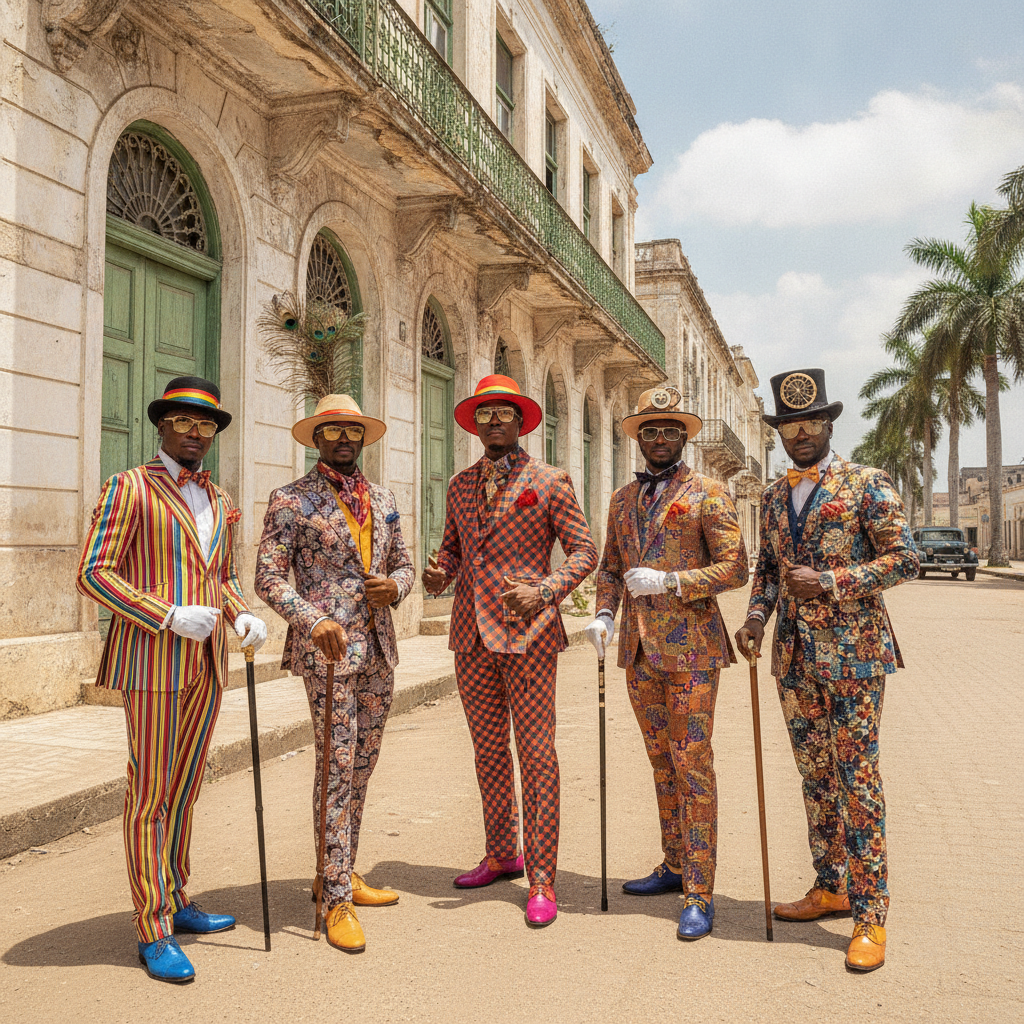
La SAPE: The Brazzaville Cult of Elegant Dressing

Congolese Rumba: Brazzaville's Living Musical Heritage
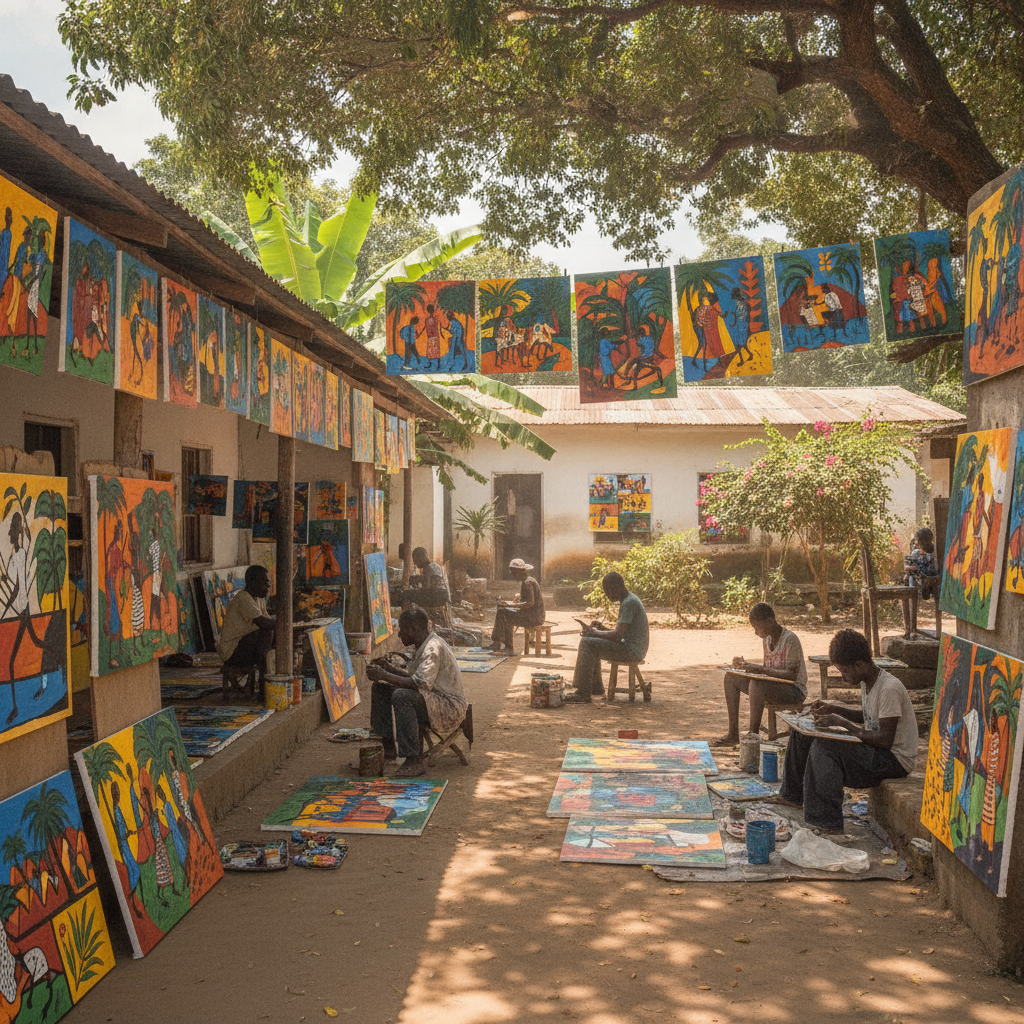
Poto-Poto: Africa's Famous School of Painting
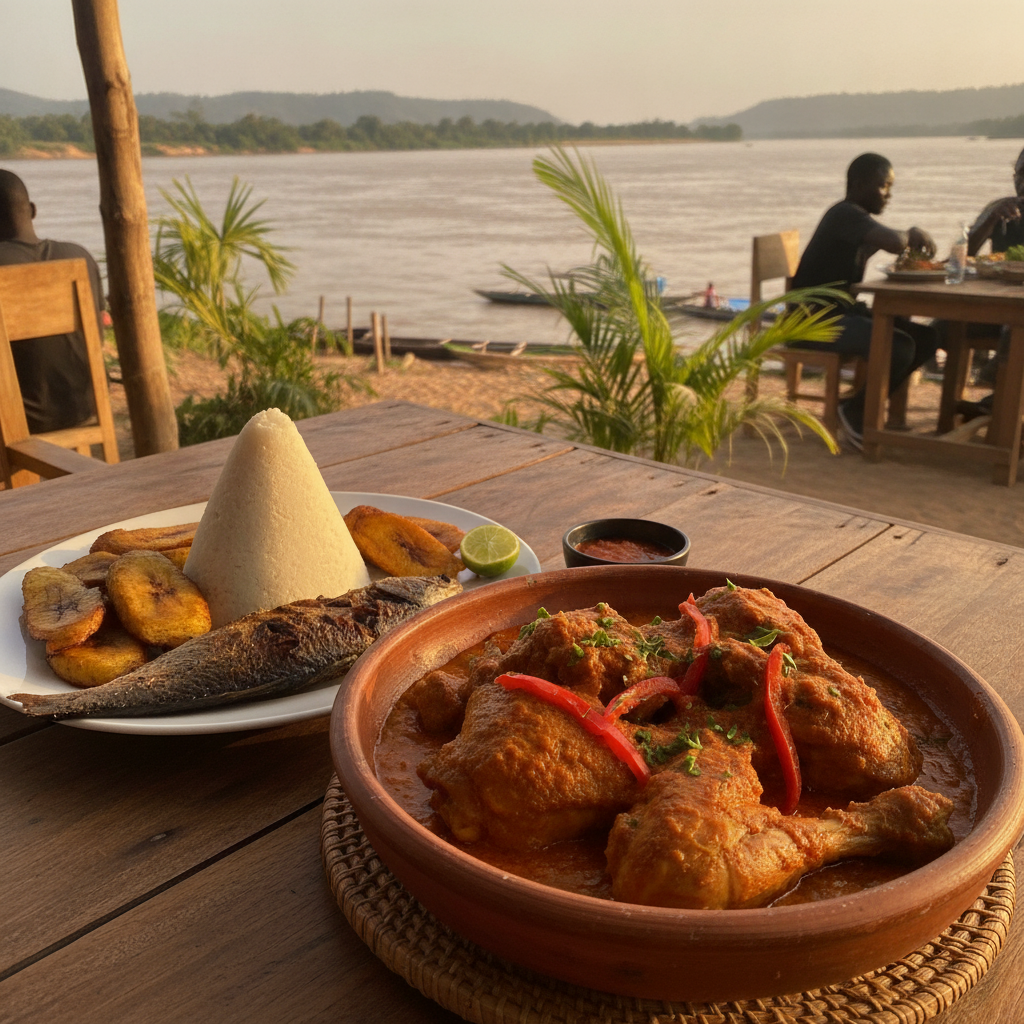
Congolese Cuisine: Moambé, Ntaba & River Fish