Bridgetown Complete: Pirate Heritage, Sugar Decline, Economic Diversification, Climate Vulnerability, Bajan Dialect, and Departure
The complete Bridgetown experience encompasses the pirate era Barbados, the 2014 closure of the last sugar factory, the smart city economic diversification, the climate vulnerability of the small island economy, the Bajan dialect as cultural carrier, and the rum-filled departure from the transatlantic Grantley Adams hub.
- 1
Pirate History: Bridgetown and the Buccaneers
Bridgetown was one of the most important British Caribbean ports for the provisioning and the legal cover of the buccaneers who operated in the Caribbean from the 1650s to the 1720s, with the Barbados merchants funding privateers and benefiting from the piracy economy while the British crown used the Barbados courts to try captured pirates. The Barbados museum has one of the finest collections of artifacts from the piracy era of the Caribbean.
- 2
Williams Industries and the Agricultural Legacy
The Barbados sugar industry, which at its 17th century peak made Barbados the wealthiest colony in the British empire per capita and provided the capital that financed the British industrial revolution, has declined to a marginal economic activity in the contemporary economy, with the last major sugar factory closing in 2014. The agricultural landscape of sugar cane fields that defines the Barbados interior is maintained partly as heritage and partly for the rum production that continues the sugar-to-rum tradition.
- 3
Barbados Economic Development: Beyond Sugar and Tourism
The Barbados economy, which achieved middle-income status through the combination of tourism and offshore financial services, is diversifying toward technology, the creative industries, and the renewable energy sector in response to the vulnerability of the tourism-dependent small island economy. The Smart City technology initiative and the ICT sector development are the primary instruments of the economic diversification strategy.
- 4
Climate Vulnerability: Sea Level and Storm Risk
Barbados, with the majority of its economic infrastructure concentrated on the coastline, is one of the most climate-vulnerable nations in the Eastern Caribbean, facing the combination of sea level rise, increased intensity of Atlantic hurricane events, and the ocean warming that threatens the coral reef system that protects the coastal infrastructure and sustains the tourism economy. The Barbados Blue Economy Strategy addresses the intersection of climate adaptation and ocean economic development.
- 5
Bajan Dialect: The English Creole
The Barbadian Bajan dialect, an English-based Creole with West African phonological features and vocabulary, is the vernacular language of the Barbadian population used alongside standard English in a diglossic linguistic situation where the formal public language and the informal social language operate in parallel. The Bajan dialect is the carrier of the folk literature, the oral tradition, and the humor of the island culture that does not translate into the standard English of the tourist encounter.
- 6
Departure: Flying Out of Barbados
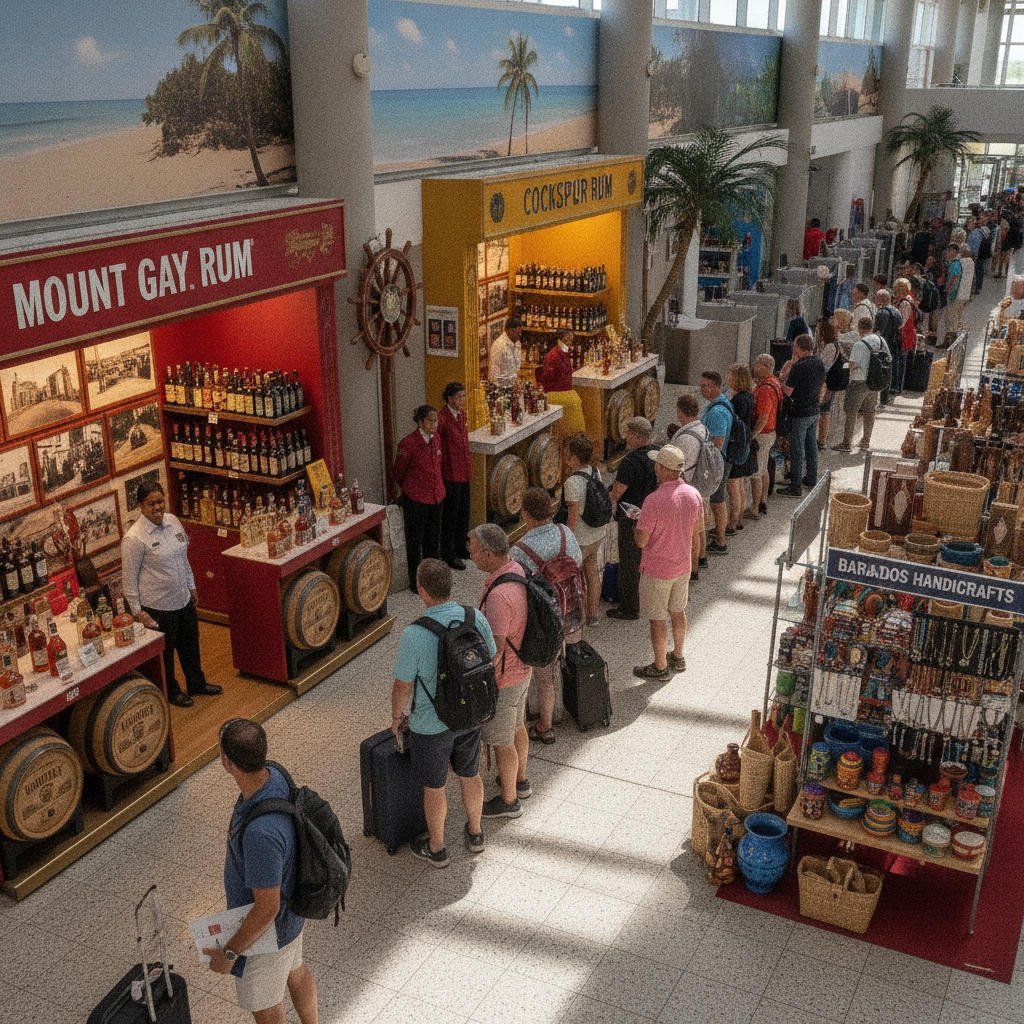
The departure from Barbados through the Grantley Adams airport, with the duty-free Mount Gay rum and the Cockspur rum in the departures shopping, the Crop Over souvenir masks, and the flying fish in the airport food court, is the commercial expression of the Barbados brand that the island has successfully commodified in the departure hall products that carry the Bajan cultural identity into the departing traveler's luggage.
Walk this route with audio
Stories play automatically as you reach each stop — no tapping needed.
More in Bridgetown
Barbados Beaches and Nature: Crane Beach, Platinum Coast, Bathsheba Surf, Speightstown, and the Green Monkey Reserve
Bridgetown Practical Guide: Grantley Adams Airport, Best Season, Platinum Coast Villas, ZR Minibus Transport, and Beyond the Tourist Trail
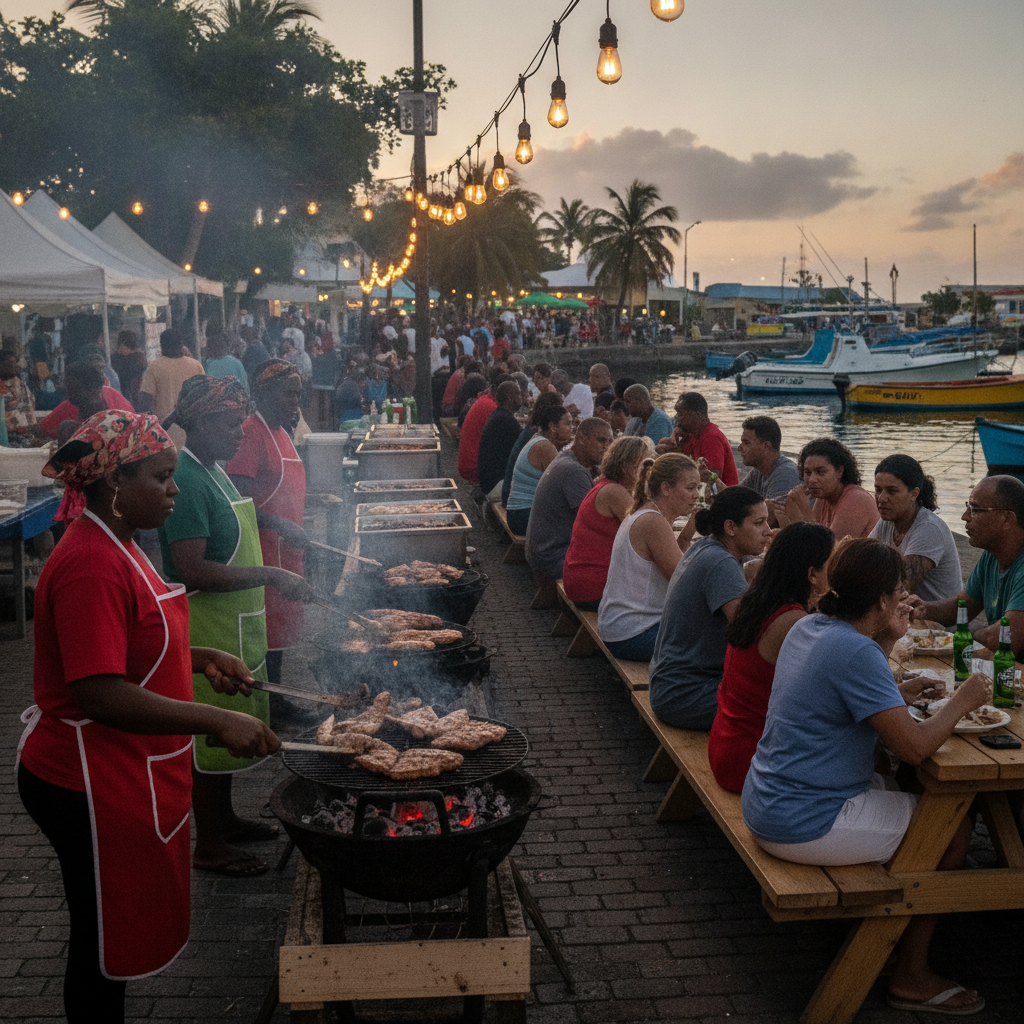
Bridgetown Food: Oistins Fish Fry, Bajan Rum Trail, the Macaroni Pie Tradition, and Pudding and Souse Saturday
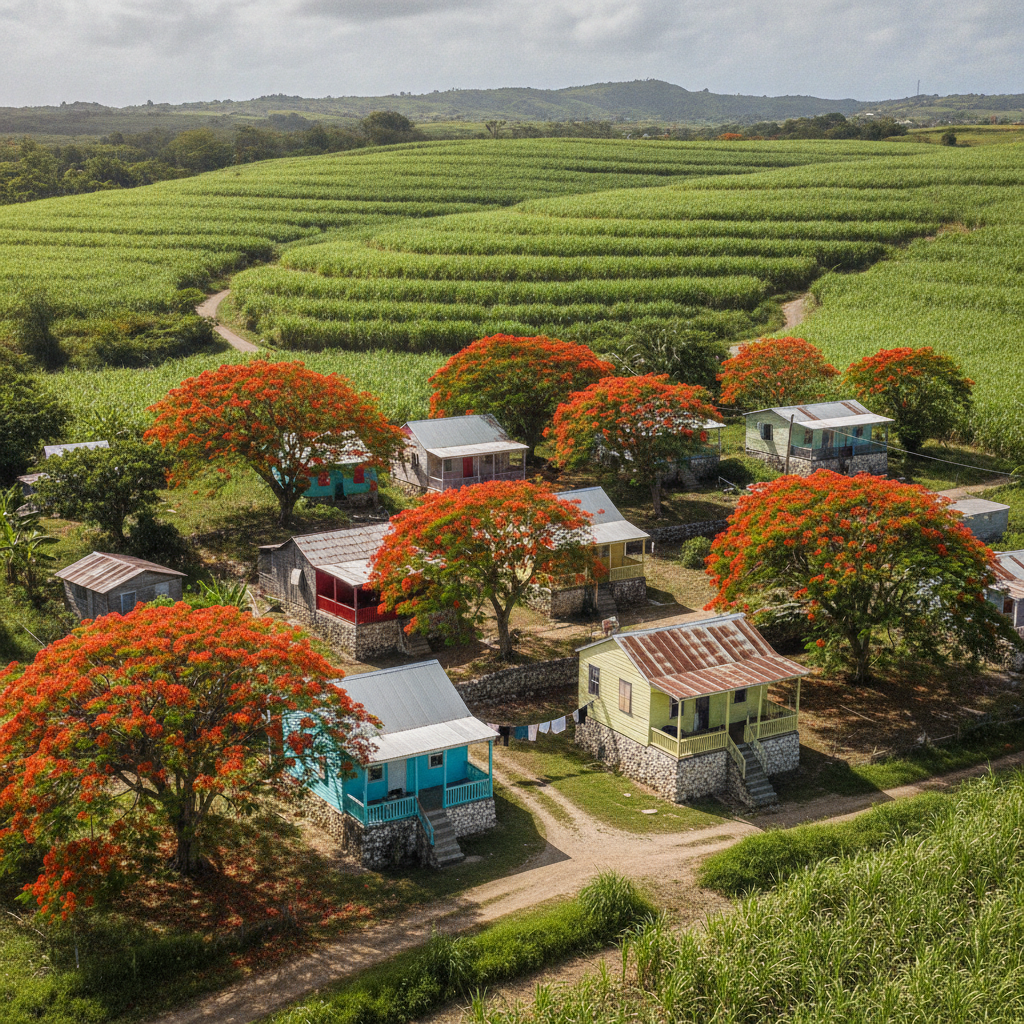
Barbados Culture and Heritage: Chattel Houses, Scotland District Walking, the Oldest Americas Synagogue, Sir Garfield Sobers, and Rihanna Brand
Barbados History and Heritage: Harrison's Cave, Plantation Economy, Westminster Parliament, and the 2021 Republic with Rihanna as National Hero