Bucharest Essentials: Parliament Palace, Old Town & Village Museum
Discover the surprising contrasts of Romania's capital—the world's second-largest building built by communist dictator Ceaușescu, the elegant Calea Victoriei boulevard of Belle Époque palaces, the buzzing Lipscani old town nightlife, and the extraordinary open-air Village Museum with 272 authentic rural buildings from across Romania.
- 1
Palace of the Parliament – World's Second-Largest Building
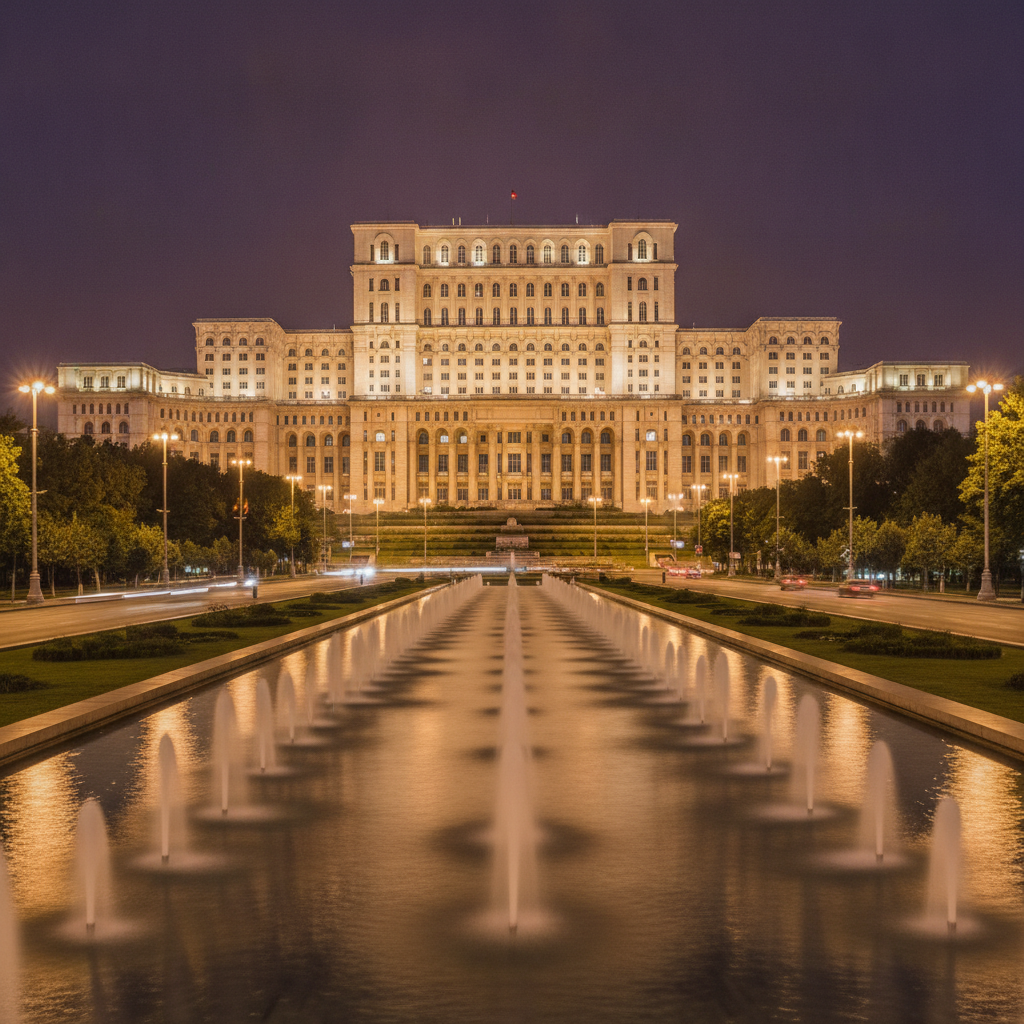
Nicolae Ceaușescu's megalomaniacal Palace of the Parliament is the world's heaviest and second-largest building by floor area (after the Pentagon), with 1,100 rooms, 12 floors, and 350,000 tonnes of crystal. Built between 1984 and 1997 at the cost of demolishing a fifth of historic Bucharest, it now houses the Romanian parliament. Guided tours of 50+ rooms run daily—an unmissable monument to communist excess.
- 2
Calea Victoriei – The Historic Main Artery
Bucharest's oldest street—paved in 1692 and named 'Victory Avenue' after the 1877 war of independence—runs 4 km from Piața Națiunilor Unite to Piața Victoriei. It passes the National History Museum, the CEC Palace (a palatial 1900 savings bank), the Cantacuzino Palace (now the George Enescu Museum), and the Athenée Palace Hilton, scene of Cold War-era espionage.
- 3
Romanian Athenaeum & Cultural Heart
The Romanian Athenaeum—a 1888 neoclassical concert hall with a distinctive rotunda and colonnade—is Bucharest's most beloved building and the home of the George Enescu Philharmonic Orchestra. The inner dome is ringed by a circular fresco of Romanian history from Dacian origins to 1918 unification. The building survived communist rule unchanged and is now a UNESCO World Heritage tentative list site.
- 4
Old Town (Centrul Istoric) – Lipscani District
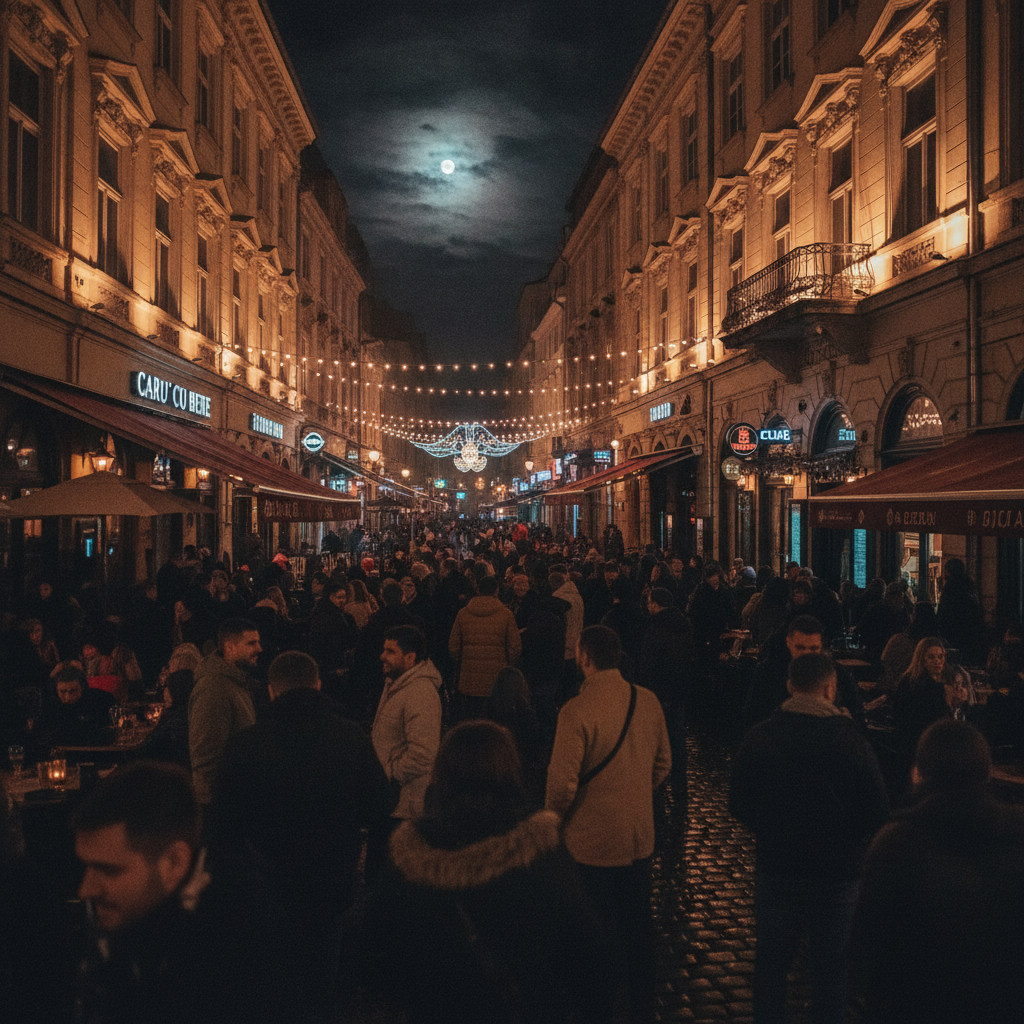
Bucharest's old town has transformed since 2010 from derelict historic streets to one of Eastern Europe's most energetic nightlife districts. The Lipscani area—named after the Leipzig merchants who traded here—contains the ruins of the Old Princely Court (Curtea Veche, 15th century), the Stavropoleos Monastery church (a jewel of Brâncovenesc Baroque), and wall-to-wall bars, clubs, and restaurants.
- 5
Herăstrău Park & Village Museum
Bucharest's largest park, surrounding a lake in the north of the city, is the green lung of the capital—with pedal boats, cycling paths, restaurants, and the extraordinary National Village Museum on its western shore. The Muzeu Satului is an open-air museum of 272 authentic rural buildings relocated from across Romania—farmhouses, mills, churches, and workshops representing every architectural region of the country.
- 6
Floreasca & Dorobanți – Bucharest's Upmarket North
The northern districts of Floreasca and Dorobanți, built on the fortunes of oil-rich Romania in the inter-war period, contain the city's finest residential architecture—Art Deco villas, neo-Romanian mansions, and modernist apartment buildings from the 1930s. Today these neighbourhoods house the best restaurants, wine bars, concept stores, and farmers' markets in Bucharest.
Walk this route with audio
Stories play automatically as you reach each stop — no tapping needed.
More in Bucharest
Bucharest Nightlife, Cinema & Contemporary Culture
Bucharest on a Plate: Sarmale, Beer Halls & Romanian Wine
Bucharest History: Ceaușescu, Revolution Square & Little Paris
Bucharest Day Trips: Peleș Castle, Transylvania & the Danube Delta