Recoleta Cemetery, Evita's Tomb & the Palermo Parks
Recoleta (the most exclusive residential neighbourhood in Buenos Aires, developed in the early 20th century as the neighbourhood of the Argentine oligarchy, with its French-influenced architecture, luxury boutiques, and the most important museum cluster in the city) centres on the Cementerio de la Recoleta — the ornate neoclassical cemetery where virtually every significant figure in Argentine history is buried, including Eva Perón ('Evita') — and is flanked to the west by the Palermo parks, the largest green space in Buenos Aires.
- 1
Cementerio de la Recoleta — The City of the Dead
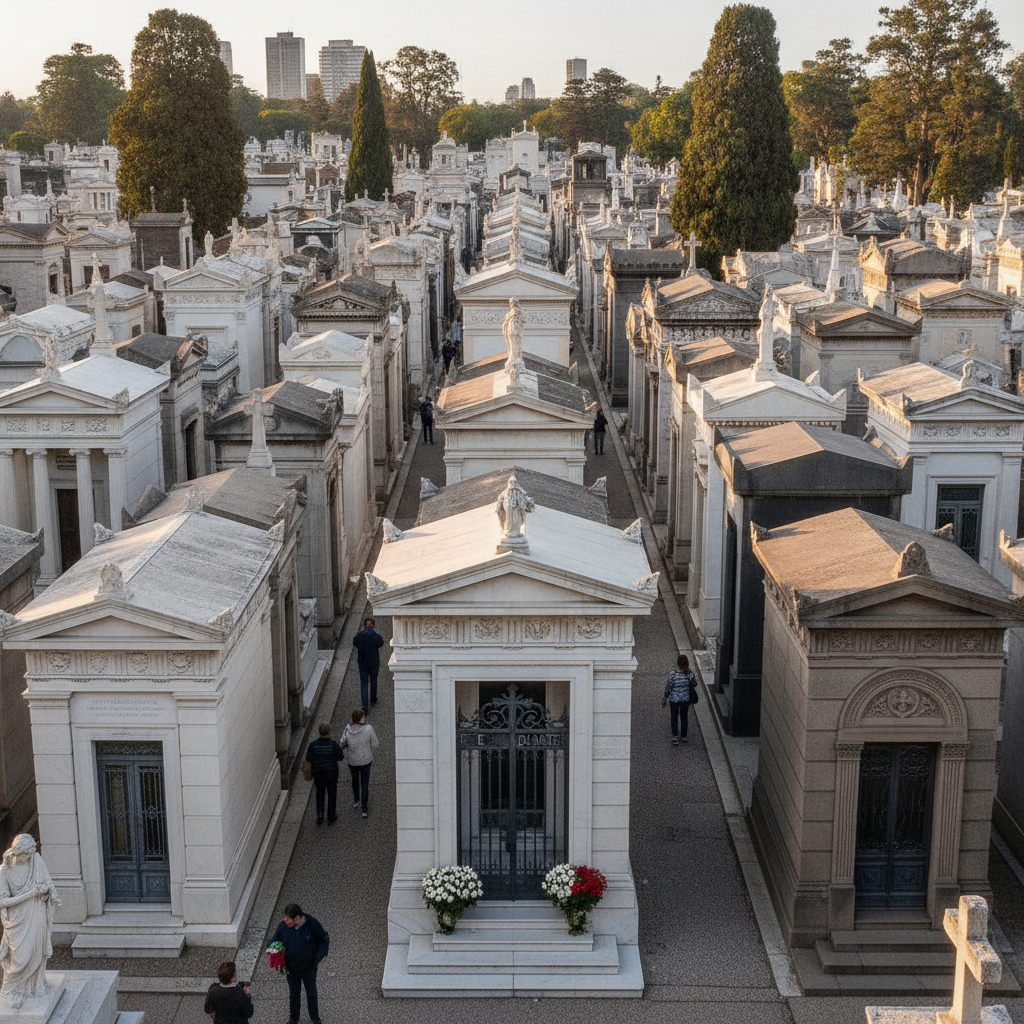
Cementerio de la Recoleta (Junín 1760, Recoleta — the famous neoclassical cemetery established 1822 on the grounds of the former Recoleta convent, 5.5 hectares containing approximately 4,691 vaults and mausoleums): the cemetery is widely considered the most architecturally remarkable in South America and one of the most extraordinary in the world — a dense grid of narrow marble-paved streets between elaborate family mausoleums representing every major architectural style of the 19th and early 20th centuries: neoclassical marble temples, Gothic Revival chapels, Art Nouveau bronze sculpture groups, Art Deco geometric structures, and Beaux-Arts ceremonial pavilions; the cemetery is the final resting place of virtually every significant figure in Argentine history, including 5 former presidents, numerous military heroes, Nobel Prize winners, writers, scientists, and members of the founding oligarchic families; the most visited tomb is that of Eva Perón (María Eva Duarte de Perón, 1919-1952 — first lady and political phenomenon of Juan Perón's first presidency, known as 'Evita', beloved by the descamisados (the shirtless ones — Argentina's working class)), in the Duarte family vault, which receives flowers and tributes daily.
- 2
Eva Perón — Evita's Story & the Duarte Vault
Eva Perón (María Eva Duarte de Perón, 1919-1952 — born into poverty in Los Toldos, Provincia de Buenos Aires, died of cervical cancer at 33 after only 7 years on the national political stage): Evita's story — from illegitimate provincial child to actress, radio performer, first lady, social activist, and near-canonized figure of Argentine popular culture — is one of the most extraordinary personal narratives in 20th-century South American history; as first lady (1946-1952) under President Juan Perón, Eva directed the Eva Perón Foundation (the social welfare organization that built hospitals, schools, and homes throughout Argentina, distributing food, medicine, clothing, and sewing machines directly to the poor) and championed the extension of women's suffrage in Argentina (achieved 1947); after her death, her embalmed body was retained by the Perón government, stolen by the military coup of 1955 (which feared the body would become a focus of popular worship), hidden in various locations in Argentina and Italy for 17 years, and finally returned to Argentina and interred in the Duarte vault in 1974; the vault (accessible only by peering through the wrought-iron gate) is permanently surrounded by flowers.
- 3
MALBA — Latin American Art at Its Finest
MALBA (Museo de Arte Latinoamericano de Buenos Aires — Figueroa Alcorta 3415, Palermo Chico — the premier museum of Latin American art in the world, opened 2001 in a purpose-built building designed by architects Gastón Atelman, Martín Fourcade, and Alfredo Tapia, housing a permanent collection of approximately 220 works): the MALBA collection focuses on the 20th-century Latin American avant-garde movements — the works of Frida Kahlo (the museum owns 'Abuela, yo y mi nana' (1936), one of Kahlo's finest works), Diego Rivera, Tarsila do Amaral (founder of the Brazilian Modernism movement and the Anthropophagy movement — her painting 'Abaporu' (1928, the most expensive Latin American artwork ever sold at auction, $1.4 million in 1995) is in the MALBA collection), Xul Solar (the Argentine painter and polymath, close friend of Jorge Luis Borges, whose mystical figurative paintings are unlike anything else in 20th-century art), and Antonio Berni; the museum is housed in a striking Modernist building with a glass facade and internal ramps that allow natural light into the galleries.
- 4
Palermo Parks — The Green Lungs of Buenos Aires
Palermo Parks (Bosques de Palermo — the 400-hectare complex of parks, lakes, and gardens in the Palermo neighbourhood, the largest green space in Buenos Aires, established by President Domingo Faustino Sarmiento in the 1870s on reclaimed marshland): the park complex contains: the Rose Garden (El Rosedal de Palermo — the formal rose garden with 18,000 rose bushes of 1,000 varieties, created 1914 and redesigned multiple times, with its central lake, bridges, and classically symmetrical layout), the Japanese Garden (Jardín Japonés — one of the largest Japanese gardens outside Japan, built 1967 for the Japanese community in Buenos Aires, with traditional bridges, koi ponds, stone lanterns, tea house, and botanical displays), the Buenos Aires Zoo (El Zoológico de Buenos Aires, established 1888, with its extraordinary collection of Victorian-era animal houses designed in architecturally elaborate historical styles — the elephant house is a replica of the Royal Pavilion at Brighton, the polar bear pool has an Russian Orthodox onion dome), and the Hipódromo Argentino (the main horse racing track, hosting races every Saturday).
- 5
Palermo Soho & Palermo Hollywood — Design & Gastronomy
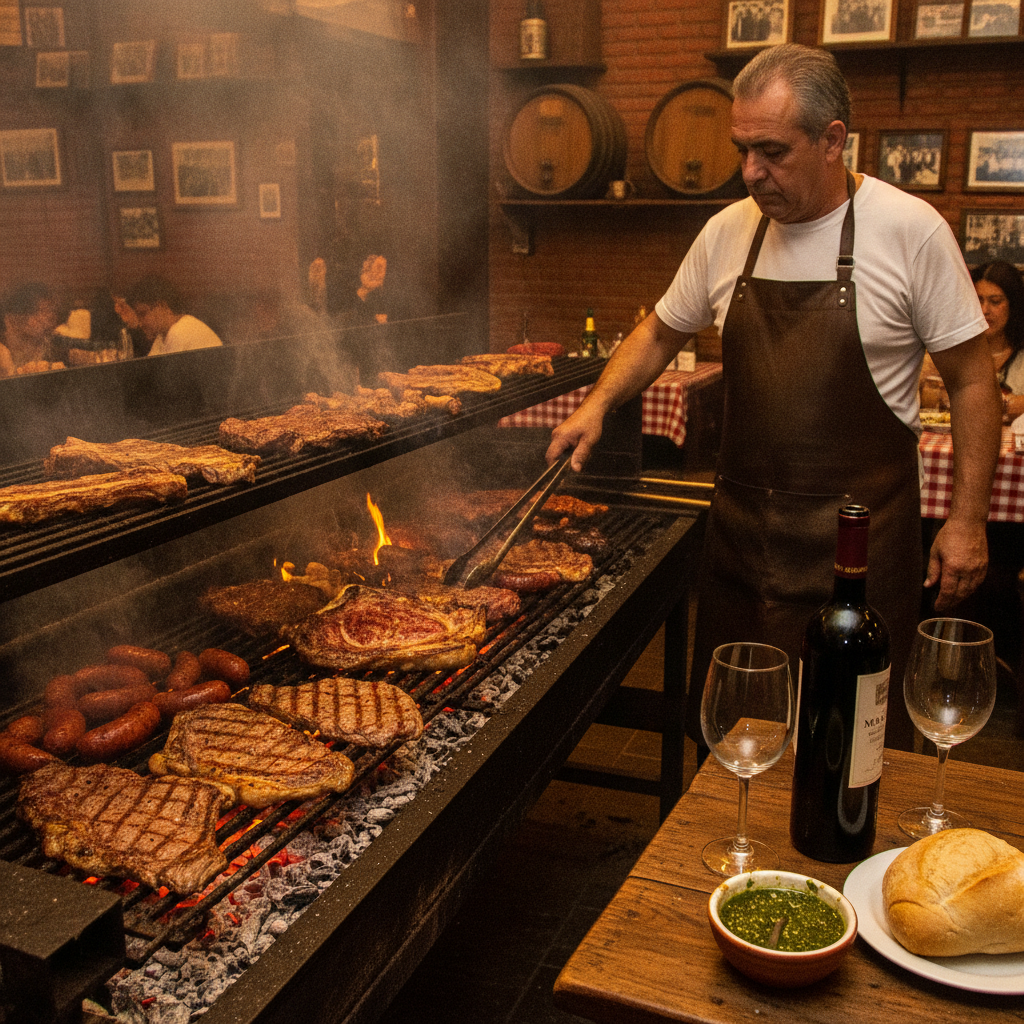
Palermo Soho (the fashionable residential and shopping neighbourhood centred on Plazoleta Cortázar/Plaza Serrano — the cobblestone square lined with boutiques, design stores, cafes, and bars that is the social hub of young, educated Buenos Aires) and Palermo Hollywood (the adjacent neighbourhood named for its concentration of television and film production studios, now equally known for its density of restaurants, bars, and nightlife): Palermo Soho and Hollywood together represent the contemporary face of Buenos Aires — the city's international reputation for design, gastronomy, and nightlife culture; the neighbourhood contains the highest density of independently owned design boutiques, concept stores, and contemporary restaurants in Buenos Aires, with the Sunday Feria del Diseño (Design Fair) on Plaza Serrano attracting both local shoppers and tourists; Buenos Aires' restaurant scene (ranked among the top 20 restaurant cities in the world) is concentrated in Palermo and adjacent Las Cañitas, with restaurants offering modern Argentine cuisine — the 'asado de autor' (chef-driven barbecue), creative takes on traditional Italian-Argentine pasta, and innovative approaches to the country's extraordinary meat and wine resources.
- 6
Museo Nacional de Bellas Artes — Argentine & European Masters
Museo Nacional de Bellas Artes (MNBA — Avenida del Libertador 1473, Recoleta — the national art museum of Argentina, housed in a former water pumping station converted to a museum building 1932, containing approximately 12,000 works): the MNBA houses the largest collection of European art in South America outside Brazil — with works by Rembrandt, Goya, El Greco, Tintoretto, Rubens, Degas, Monet, Renoir, Van Gogh, Gauguin, Picasso, Rodin, and Toulouse-Lautrec — alongside the most comprehensive collection of Argentine art from the colonial period to the mid-20th century; the Argentine collection documents the development of national art from 19th-century romantic landscape painting (the pampas, the Andes, the Río de la Plata), through academic portraiture and historical painting, to the major 20th-century Argentine movements including the Grupo Arte Concreto-Invención (the geometric abstract group), Informalismo, and Nueva Figuración.
Walk this route with audio
Stories play automatically as you reach each stop — no tapping needed.
More in buenos-aires
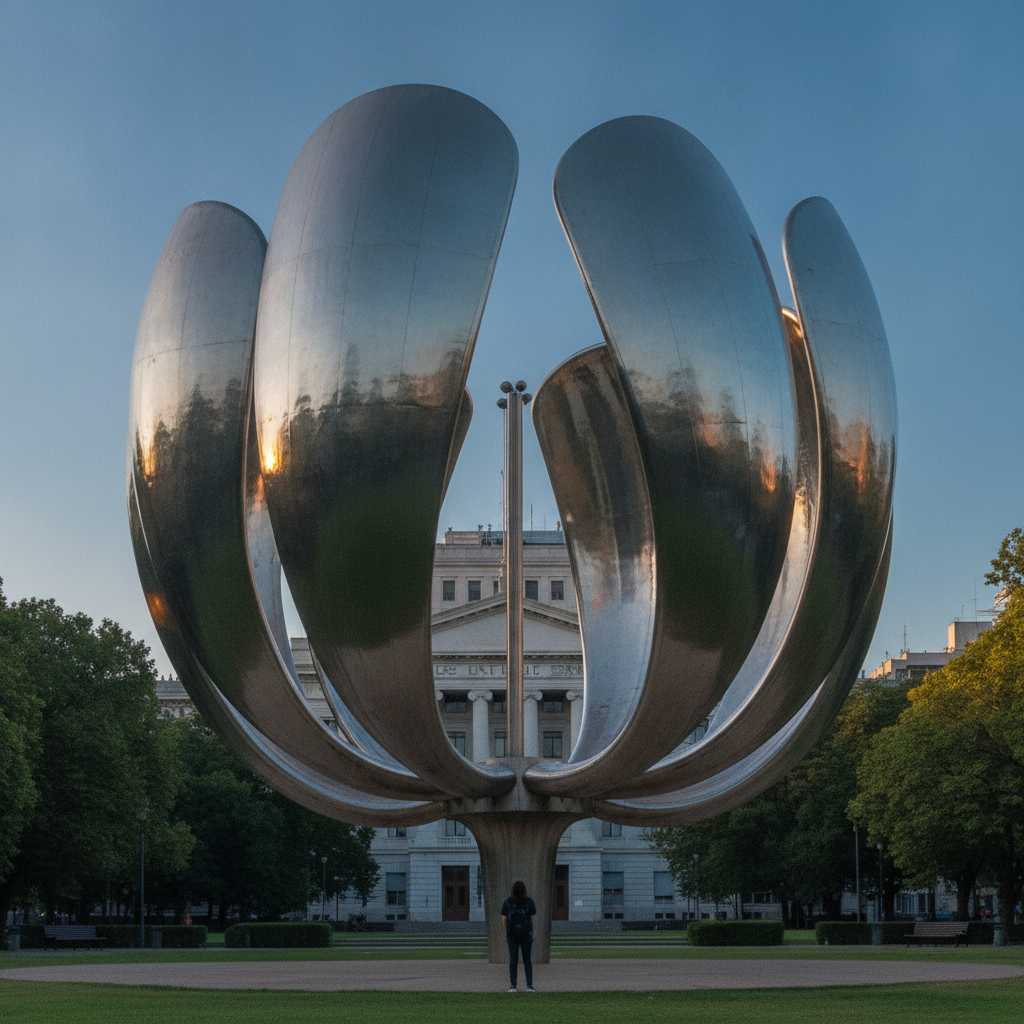
Floralis Genérica, Monumental Sculptures & Modern Buenos Aires
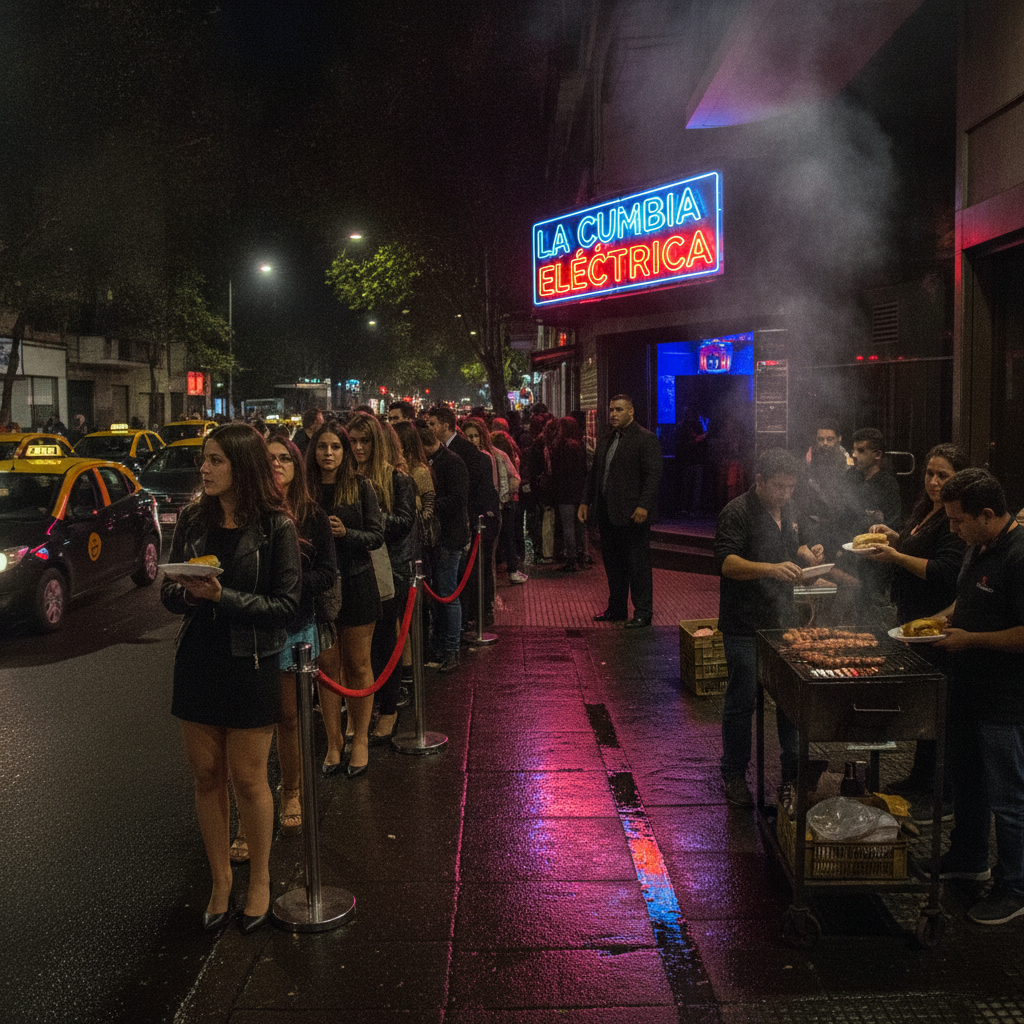
Buenos Aires Nightlife — The City That Never Sleeps Before 4am
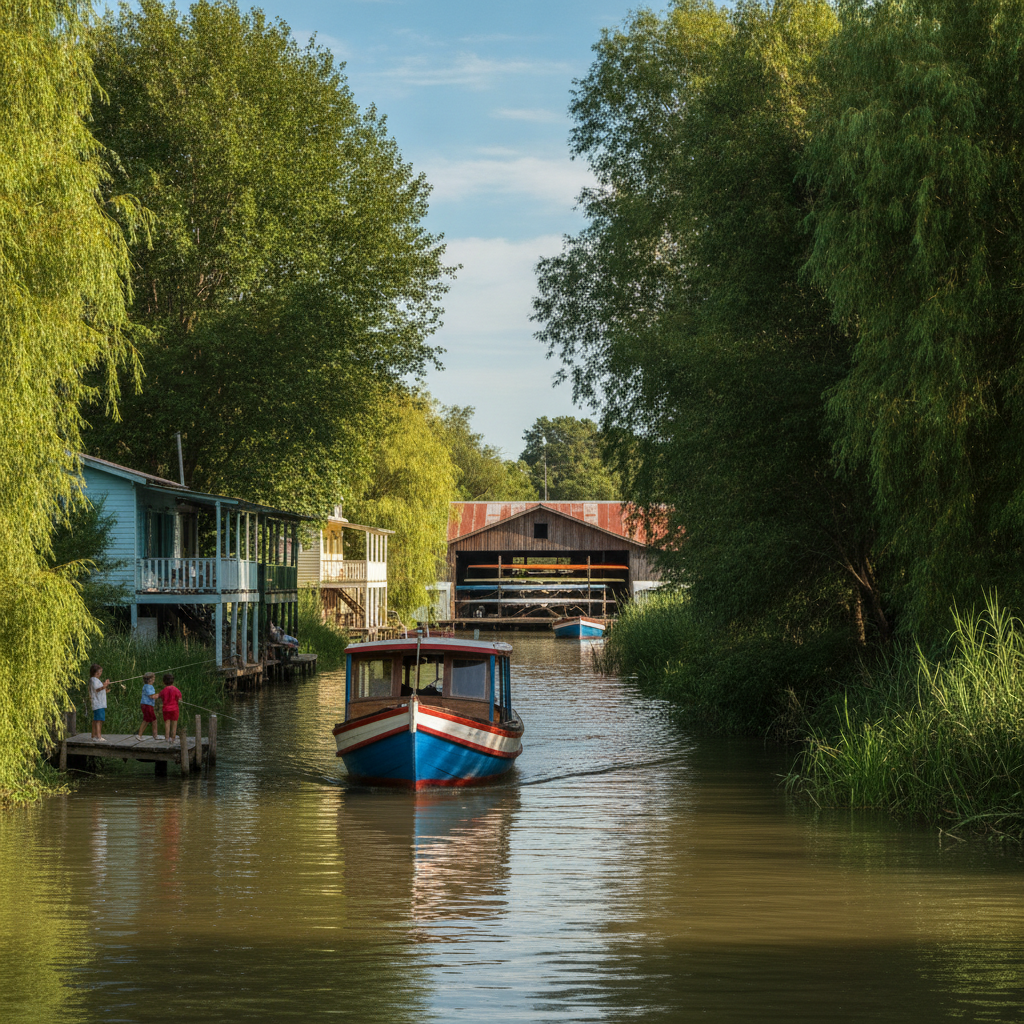
Tigre & the Paraná Delta — Waterways, Rowing Clubs & Weekend Escapes
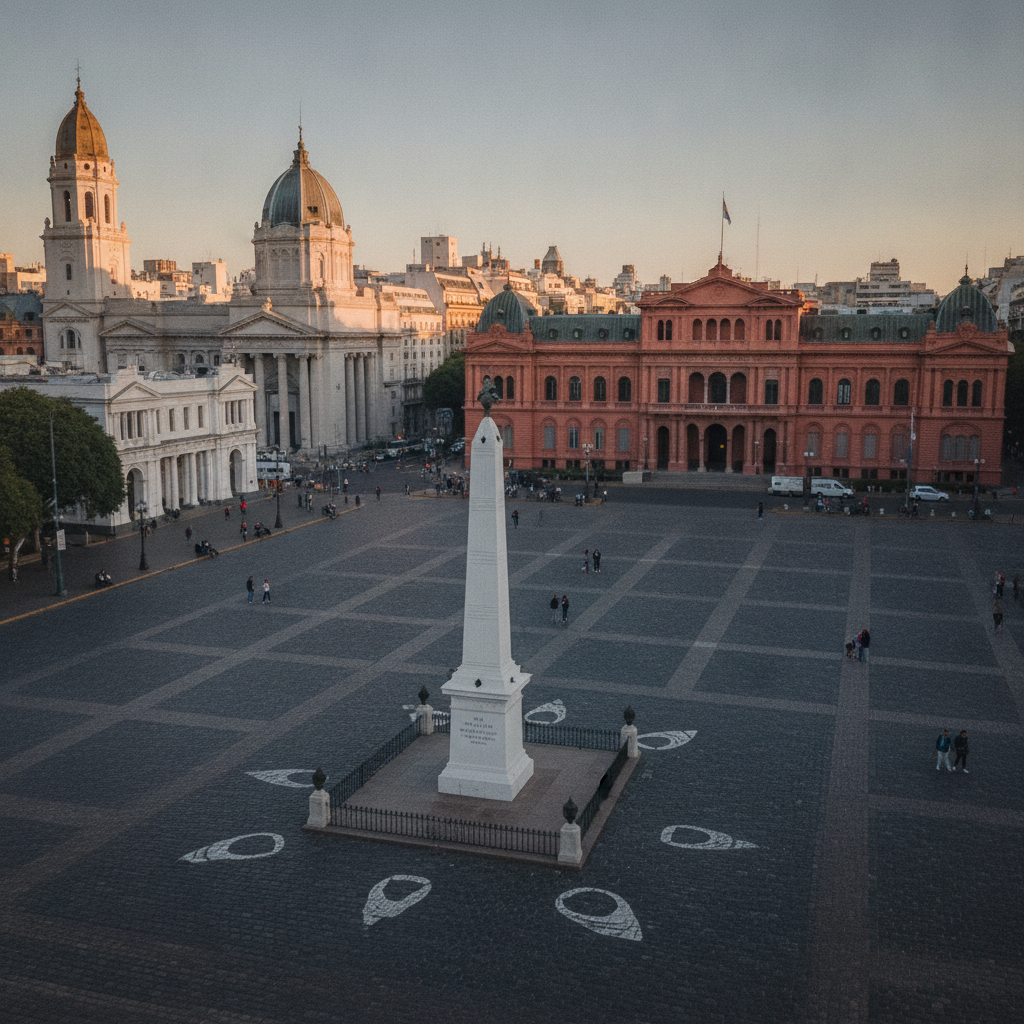
Plaza de Mayo, the Casa Rosada & the Historic Centre of Buenos Aires
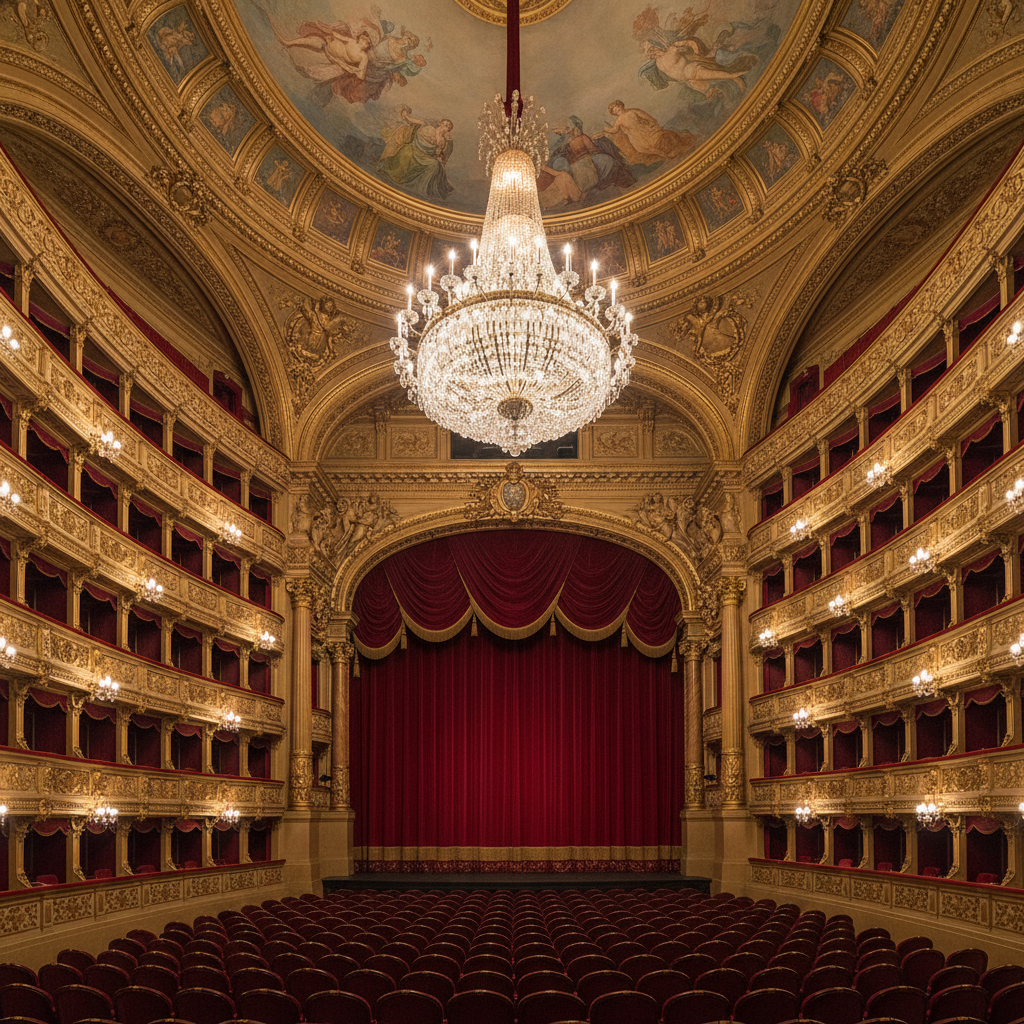
Teatro Colón — One of the World's Great Opera Houses