Buffalo: Olmsted Parks, Industrial Giants and a City Rebuilt
Walk the most complete Olmsted park system in the world, photograph the grain elevators that Le Corbusier called perfect architecture, follow the Bills to their new stadium, make the short trip to Niagara Falls, explore the 1901 Pan-American Exposition legacy, and discover how architectural tourism is powering Buffalo revival.
- 1
Olmsted Park System and City Planning
Buffalo possesses the most intact Frederick Law Olmsted park system in the world, comprising six major parks connected by eight parkways that Olmsted and Calvert Vaux designed beginning in 1868. The system includes Delaware Park, the largest at 350 acres and home to the Buffalo Zoo and the AKG Art Museum; Front Park on Lake Erie; Riverside Park on the Niagara River; and smaller neighborhood parks all linked by tree-lined boulevards. Olmsted considered the Buffalo system his finest urban park achievement. The Buffalo Olmsted Parks Conservancy, established in 1978, manages the restoration and stewardship of the system. Delaware Park Meadow, a 150-acre open lawn, hosts the largest free Shakespeare festival in the world, Shakespeare in Delaware Park, each summer since 1976.
- 2
Buffalo Grain Elevators and Industrial Heritage
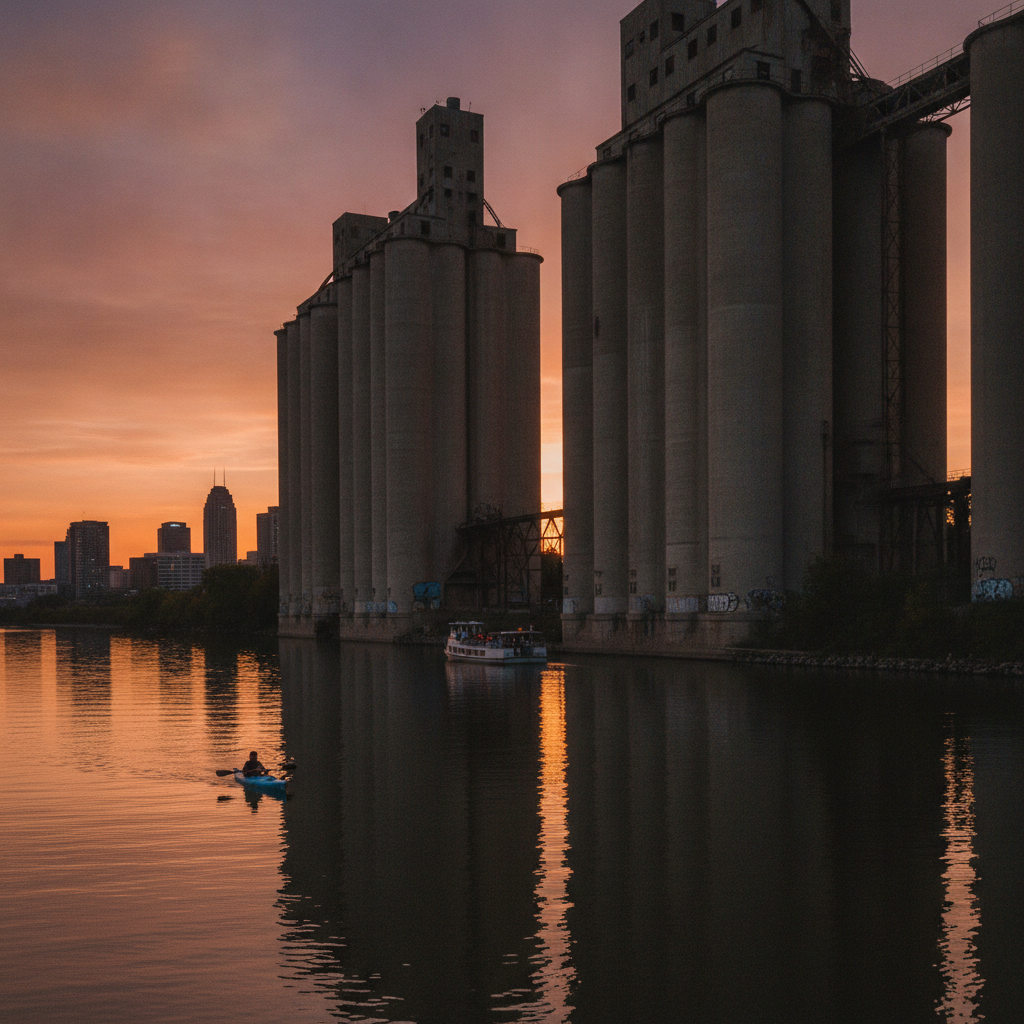
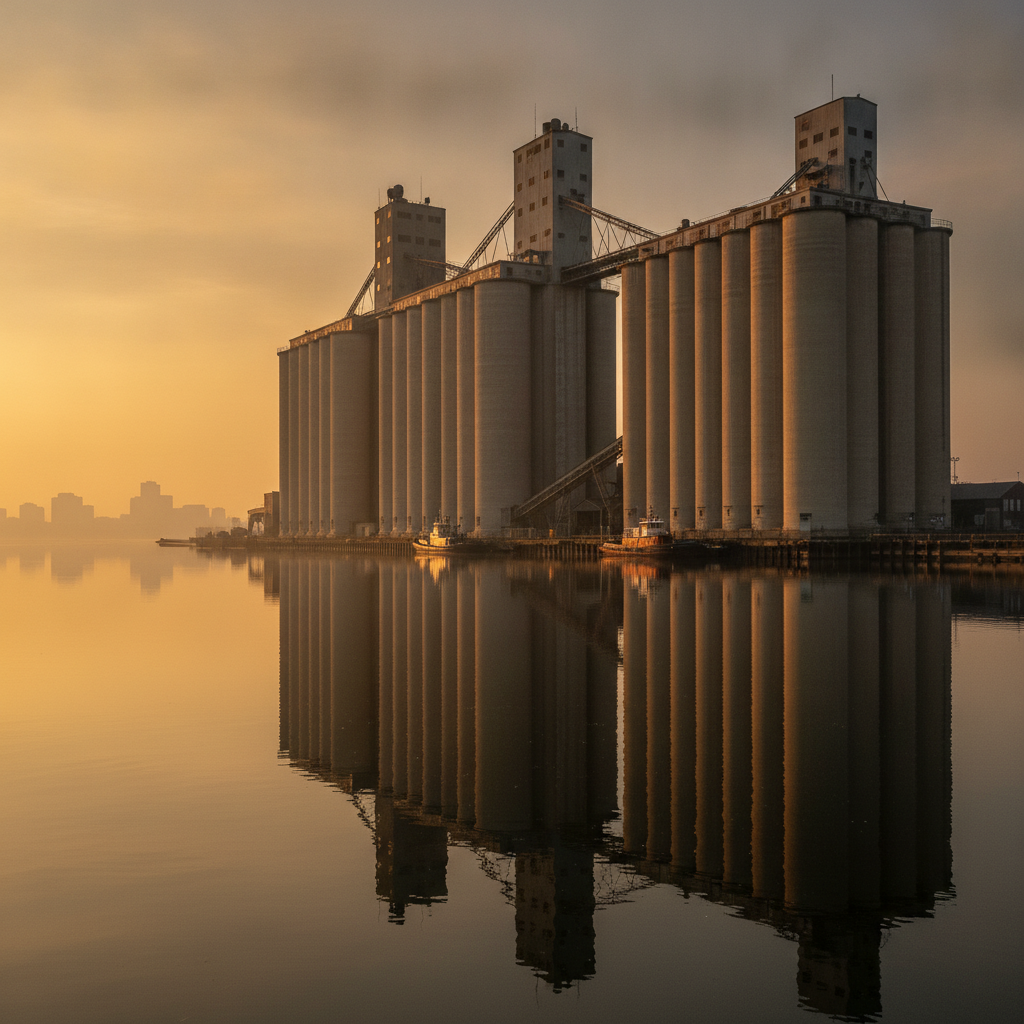
Buffalo contains the largest collection of early grain elevators in the world, a legacy of its position as the transshipment point between Great Lakes vessels and Erie Canal barges from the 1840s through the early 20th century. Joseph Dart and Robert Dunbar built the first steam-powered grain elevator in 1843, an invention that transformed grain handling worldwide. At Buffalo commercial peak in the early 1900s, the city moved more grain than any other port on Earth. Many of the massive concrete silos built between 1900 and 1930 still stand along the waterfront and have attracted architects and photographers from around the world. Le Corbusier famously cited Buffalo grain elevators as inspirations for modern industrial architecture in his 1923 book Towards a New Architecture. Several elevators have been converted to event venues and breweries.
- 3
Buffalo Bills and Highmark Stadium
The Buffalo Bills NFL franchise, founded in 1960, has reached the Super Bowl four consecutive times from 1991 through 1994, losing each game, a record of futility and perseverance that has made the Bills among the most intensely followed fan bases in American professional football. The team won back-to-back AFL Championships in 1964 and 1965. Highmark Stadium in Orchard Park, opened in 1973 and expanded multiple times, is being replaced by a new 1.54 billion dollar stadium opening in 2026, one of the most expensive stadium projects in NFL history, funded partly by 850 million dollars in New York State taxpayer contributions. Bills Mafia, the team unofficial fan organization, is known for tailgate traditions including fans jumping through tables, a practice that has generated national media coverage for decades.
- 4
Niagara Falls Day Trip
Niagara Falls, 20 miles north of Buffalo on the US-Canadian border, is the most famous waterfall in the world and draws over 30 million visitors annually. The American Falls and Bridal Veil Falls on the US side and the Horseshoe Falls on the Canadian side together carry an average of 85,000 cubic feet of water per second, the highest flow rate of any waterfall in North America. The Niagara Reservation State Park, established in 1885, is the oldest state park in the United States. The Maid of the Mist boat tour, operating since 1846, brings visitors within 20 yards of the base of Horseshoe Falls. Nikola Tesla and George Westinghouse built the first large-scale alternating current power station at Niagara Falls in 1895, a project that demonstrated the viability of AC power transmission and shaped modern electrical infrastructure worldwide.
- 5
Buffalo History Museum and 1901 Pan-American Exposition
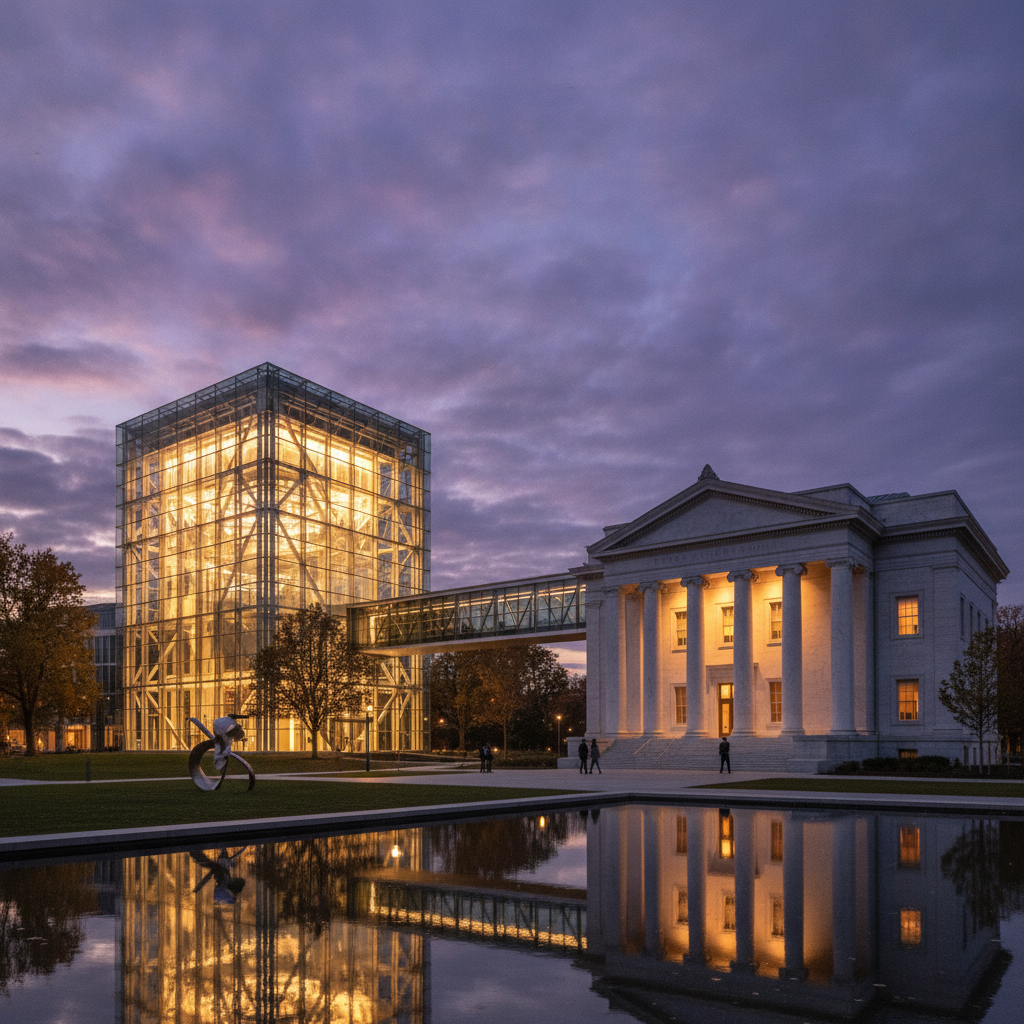
The Buffalo History Museum in Delaware Park occupies the only surviving building from the 1901 Pan-American Exposition, a world fair that drew 8 million visitors to Buffalo and showcased electric illumination at a scale never seen before, earning it the nickname the Rainbow City. The exposition was also the site of President McKinley assassination on September 6, 1901 at the Temple of Music, a building that no longer stands. The museum holds 150,000 objects and 100,000 photographs documenting western New York history from pre-contact Native American culture through the 20th century. Collections include Seneca Nation artifacts, Erie Canal engineering documents, and materials from the 1901 exposition including the Electric Tower that symbolized the era of electrification.
- 6
Buffalo Resurgence and Architecture Tourism
Buffalo has experienced a significant economic and cultural revival since 2012 driven partly by large-scale investment from Howard Milstein and the Uniland Development Company, the completion of several major museum expansions, and a growing recognition of the city exceptional architectural heritage. The Richardson Olmsted Campus, the former Buffalo State Hospital designed by H.H. Richardson between 1870 and 1896 in a 145-acre park designed by Olmsted, was restored as a boutique hotel called Hotel Henry and a cultural center between 2012 and 2017 after decades of abandonment. The Guaranty Building of 1896 by Louis Sullivan and Dankmar Adler, one of the earliest skyscrapers in the United States, received a restoration in 2019. Architecture tours through the Preservation Buffalo Niagara organization draw visitors specifically interested in the city extraordinary built heritage.
Walk this route with audio
Stories play automatically as you reach each stop — no tapping needed.
More in Buffalo
Buffalo R2-R6: AKG Museum (8500 works finest modern art NY to Chicago, Abstract Expressionism Pollock Rothko Kline Still de Kooning, OMA Shigematsu Gundlach Building 2023 USD 230M 21,000 sqm, Kleinhans Music Hall Saarinen father-son 1940 best acoustics NY after Carnegie Hall, Burchfield Penney Charles Burchfield 1893-1967 visionary watercolorist); Architecture (Darwin Martin House FLW 1904-1905 Prairie Style 6 structures USD 50M restoration 2007, Guaranty Building Sullivan Adler 1896 finest US office building terra-cotta vegetative, City Hall 1931 Art Deco tallest NY municipal 120m 28th floor free 360 views, Richardson Olmsted Campus HH Richardson 1870-1880 greatest 19th century collaboration Hotel Henry), Neighborhoods (Elmwood Village most desirable, Allentown Art Festival oldest outdoor juried eastern US 70,000 Father's Day weekend, Polish Broadway East Side Tops massacre May 14 2022 10 killed white supremacist NY worst, First Ward Irish dockworkers); Lake Effect (230cm average 500cm suburbs belt, cold Arctic -20/-30C over warm Erie lake moisture dump, November 2014 177cm 24hrs 14 dead, Bills Mafia table-jumping tailgate Highmark Stadium Orchard Park culture); Seneca Nation (Haudenosaunee Confederacy Six Nations Guardians Western Door, US Constitution influence Grinde Johansen Exemplar Liberty 1991 disputed, Laura Secord 30km walk June 24 1813 Canadian hero, Seneca Nation Salamanca casinos, Sullivan-Clinton 1779 40 villages scorched earth); Practical (BUF 5.5M passengers 40 destinations, Niagara Falls State Park 1885 oldest US state park, Toronto 150km 90min Peace Bridge, Niagara icewine, Hotel Henry HH Richardson).
Buffalo: Haudenosaunee Roots, Snow Records and a Symphony in a Landmark Hall
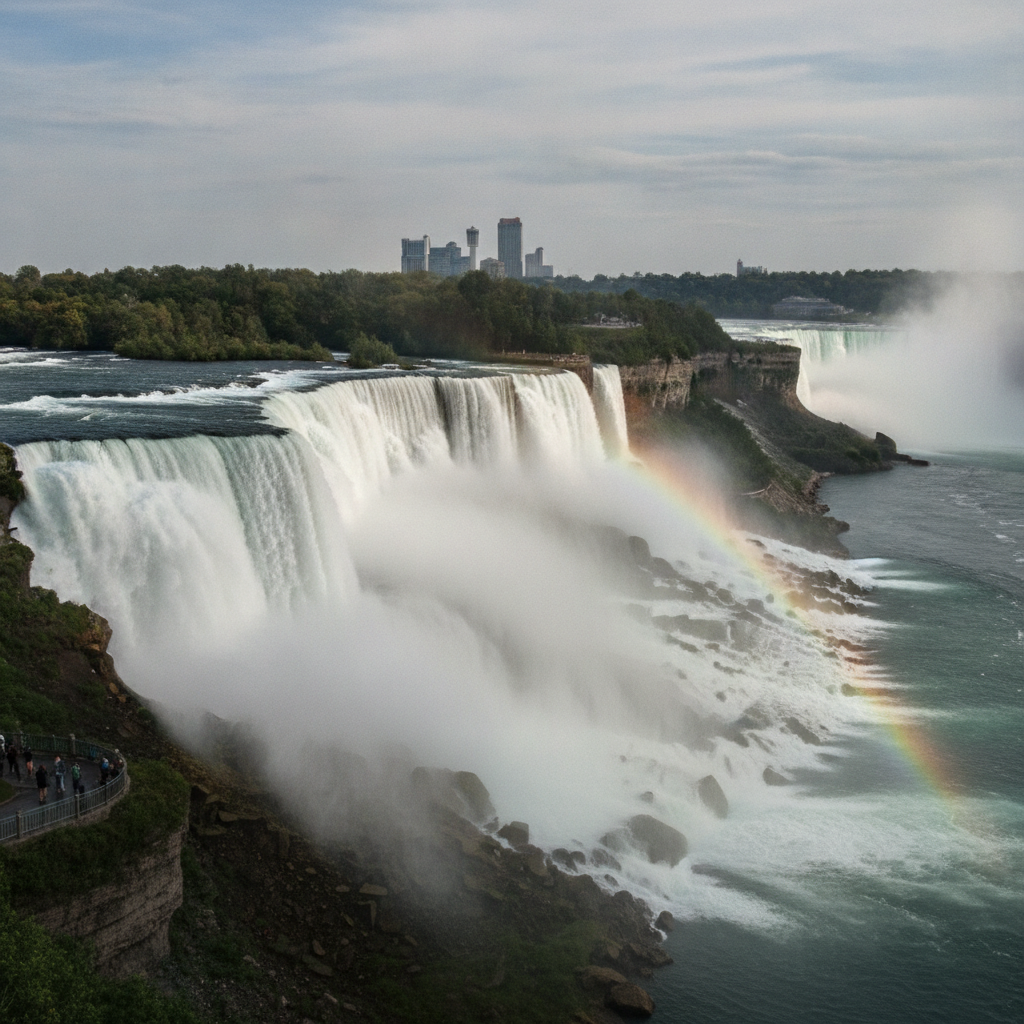
Buffalo: Niagara Falls, grain elevators, Buffalo wings, architecture, Erie Canal, and sports heartbreak
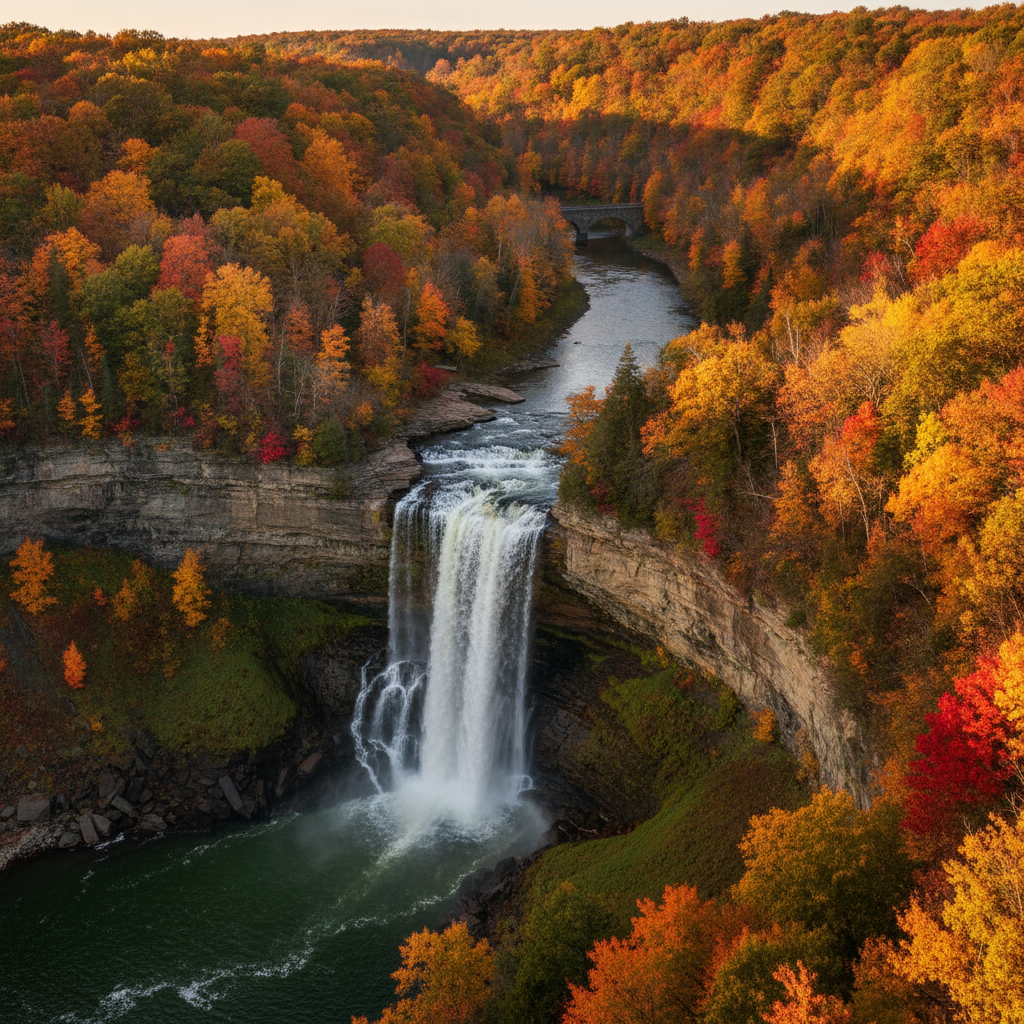
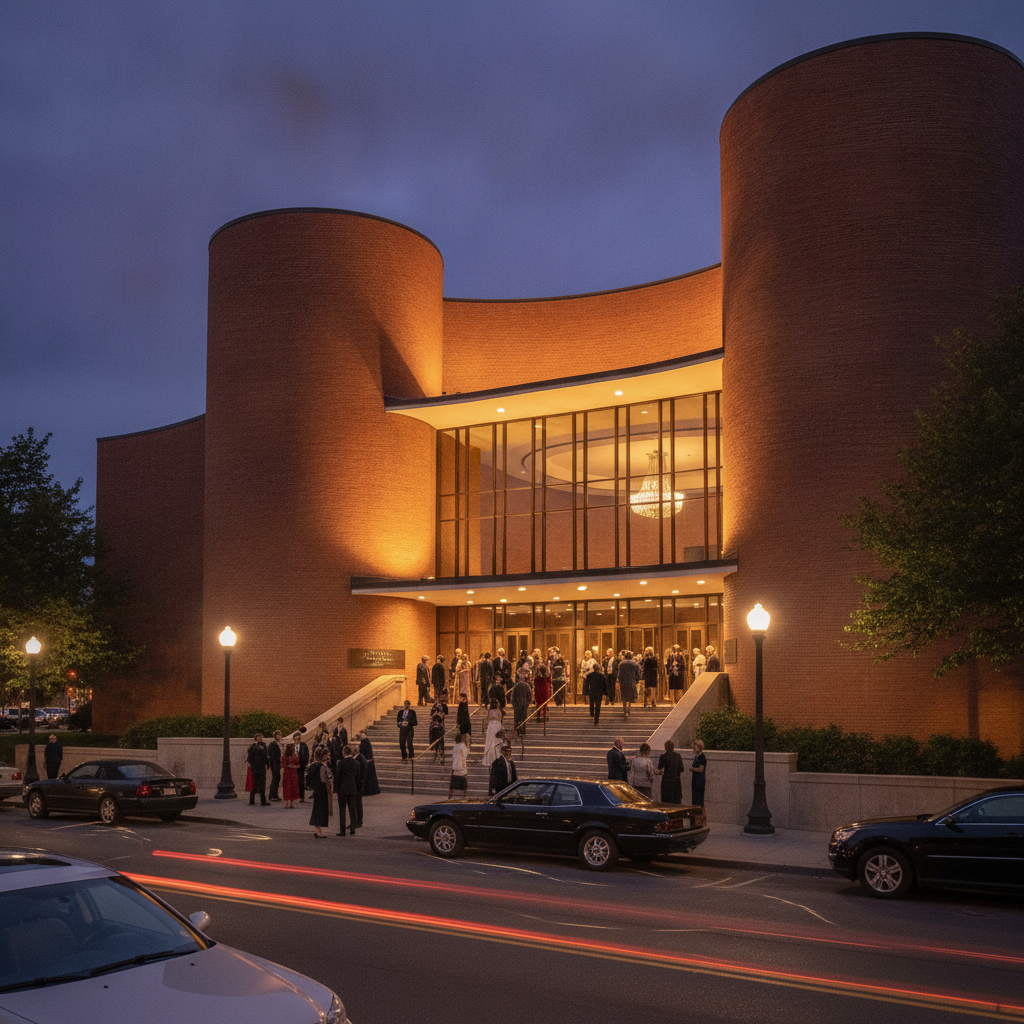
Buffalo R5: Letchworth (90km southeast, 25km gorge 180m deep, three waterfalls Upper 26m Middle 30m Lower 23m, Portage Viaduct 1903 72m above river, October foliage most beautiful inland eastern US, Mary Jemison captured 1755 age 12 lived as Seneca died 1833 age 90 buried in park, Senator Letchworth donated 1906); First Ward (Irish Famine 1840s dockworkers canal laborers, Swannie House 1880 oldest bar, grain elevator kayak tours Riverline, Seneca One Tower 38 stories USD 500M conversion, Statler Hilton 1923 Ellsworth Statler 1863-1928 invented in-room bath 1908 in-room phone 1911 doorknob menu Father Modern Hotel); Erie Canal (584km Albany to Buffalo, 57 locks 524km navigable, Lockport 40km engineers overcame Niagara Escarpment 5 pairs locks most remarkable feat, Annie Taylor born Lockport 1838, Rochester 150km Eastman Kodak 1892 George Eastman suicide note My work is done, Strong Museum of Play worlds only); Theater (Shea's 1926 C.W. Rapp 3083 seats Broadway Series, Irish Classical Theatre, Kleinhans 1940 Saarinen father-son one of finest concert hall acoustics US, Buffalo bar culture Ulrichs 1868 Pan American Toutant Southern); Canadian connections (Peace Bridge 1927 8M vehicles/year 4th busiest land crossing, Canadian side superior face-on Horseshoe view, Fallsview Casino most visited Canada, Niagara-on-the-Lake Shaw Festival 10 plays 4 theaters, Inniskillin icewine 1989 Grand Prix Bordeaux 1991, Fort George War 1812); Revival (population 258,000 to 279,000 2010-2020 first growth since 1950, USD 175-200K median home most affordable NE, Tesla Gigafactory USD 750M Solar Roof, Josh Allen 5 Pro Bowls Sean McDermott, Green Code 2016 first zoning update since 1953).
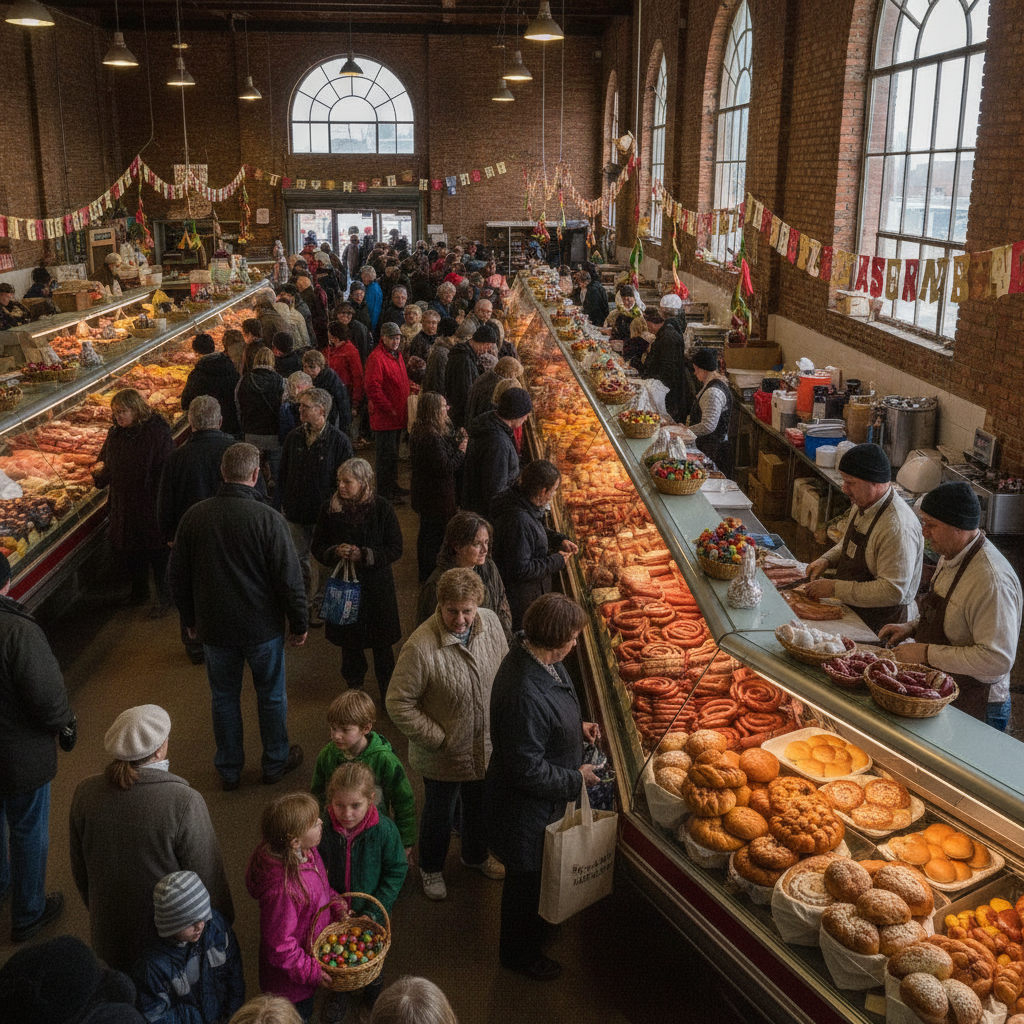
Buffalo R4: Polish community (400,000 Polish-American largest US after Chicago, Broadway Market 1888 52 vendors kielbasa pierogi czarnina babka, Easter season lines around block 3-4 generation vendors, Dyngus Day Monday after Easter water-sprinkling 50,000 participants most unique local US celebration); Roosevelt Inaugural (641 Delaware Ave Ansley Wilcox House September 14 1901 50 witnesses most informal inauguration, Roosevelt 1901-1909 Standard Oil Sherman Antitrust 150 national forests FDA Progressive Era, BEC Historical Society only surviving Pan-Am 1901 building, Forest Lawn Cemetery Fillmore Red Jacket Rick James); Food revival (Taste of Buffalo first weekend July 400,000 largest 2-day US food festival 60 restaurants 1.6km, Hertel Avenue diverse Italian Polish Jamaican Thai Indian, Swannie House 1880 oldest continuously operating western NY, Ted's Hot Dogs 1927 charcoal Sahlen's franks 1869, food trucks BNMC Canalside); Green spaces (Elmwood-Bidwell Farmers Market open year-round Saturday 80 vendors 100-mile radius, Bidwell Parkway Olmsted grass median Victorian Arts-Crafts, Botanical Gardens 1898 12m dome tropical, Tifft Nature Preserve 264 acres 230 bird species former landfill reclaimed, Reinstein Woods old-growth last pre-settlement forest Erie County); Fillmore (13th President 1800-1874 UB founding donor, Compromise 1850 California free Fugitive Slave Law enforced worst president rankings, Millard Fillmore House East Aurora, Grover Cleveland Mayor Buffalo 1882 Veto Mayor 22nd and 24th President non-consecutive unique); Practical (summer Taste Buffalo Allentown Art Festival Bills training camp, fall Highmark Stadium Letchworth Grand Canyon East 90km 60m gorge 3 waterfalls October foliage, winter Holiday Valley skiing Kissing Bridge, Hotel Henry Curtiss Hotel Statler City).