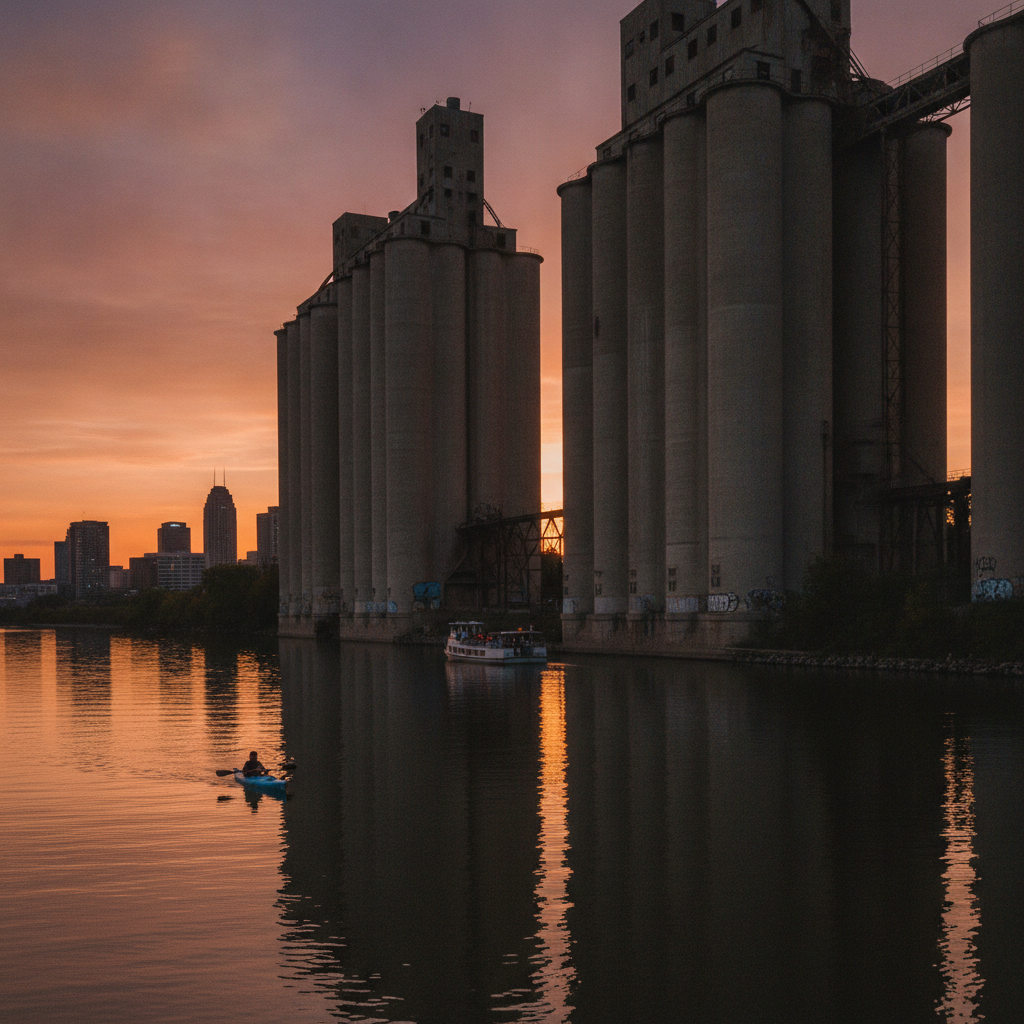
Buffalo: Haudenosaunee Roots, Snow Records and a Symphony in a Landmark Hall
Learn Seneca Nation history and the Haudenosaunee Confederacy influence on American democracy, understand the lake effect snow culture that defines Buffalo winters, explore Larkinville adaptive reuse of the old Larkin Soap empire, hear the BPO in the acoustically perfect Kleinhans Hall, and join 250,000 people at the Allentown Art Festival.
- 1
Seneca Nation and Western New York Indigenous History
The Seneca Nation of Indians is the westernmost and largest of the six nations of the Haudenosaunee Confederacy, also known as the Iroquois Confederacy, which shaped the governance of this region for centuries before European contact. The Haudenosaunee Great Law of Peace, encoded in wampum belts and oral tradition, is recognized by scholars as having influenced the framers of the US Constitution, though the extent of this influence remains debated. The Seneca held much of western New York until the 1794 Treaty of Canandaigua and subsequent land sales reduced their territory. The Seneca Nation today operates two territories, the Allegany Territory and the Cattaraugus Territory, and two casinos including Seneca Niagara Resort and Casino in Niagara Falls. The Seneca-Iroquois National Museum in Salamanca is the primary public institution for Seneca cultural heritage.
- 2
Buffalo Public Schools and Education History
The Buffalo Public Schools system, founded in 1838, has been at the center of some of the most consequential education policy debates in American history. In 1976 a federal court found the Buffalo school district had intentionally maintained segregated schools and ordered a desegregation plan that included busing, making Buffalo one of the largest northern cities to undergo court-ordered school desegregation. The district currently enrolls approximately 34,000 students across 57 schools. The City Honors School, a selective public high school founded in 1974, consistently ranks among the top public high schools in the United States. The Buffalo Seminary, founded in 1851 as one of the first independent girls schools in the country, continues to operate as a preparatory school on a historic campus in the Delaware District.
- 3
Lake Effect Snow and Buffalo Climate
Buffalo Lake Effect snow, produced when cold Arctic air masses pick up moisture crossing Lake Erie and Lake Ontario and then drop it on the southern and eastern shores, creates some of the most intense localized snowfall totals in the contiguous United States. The southern suburbs of Buffalo, particularly Hamburg, Orchard Park, and Lancaster, can receive dramatically more snow than downtown, creating microclimatic differences of 3 to 4 feet within 10 miles. The November 2022 storm dropped 77 inches of snow on the Orchard Park area in 72 hours, one of the most intense lake effect events on record. Despite or because of the snow, Buffalo has developed extensive cross-country ski trails in its parks and a culture of outdoor winter activity that includes the annual Polar Plunge into Lake Erie.
- 4
Larkinville and Adaptive Reuse
Larkinville, the adaptive reuse development built around the former Larkin Soap Company complex in the Hydraulics neighborhood south of downtown, represents one of the most successful examples of industrial heritage repurposing in Buffalo. The Larkin Company, which at its peak in the early 1900s employed 3,000 people and was one of the first mail-order companies in the United States, commissioned Frank Lloyd Wright to design its administration building in 1904. That building was demolished in 1950. The surviving brick factory structures now contain restaurants, food halls, an outdoor event space, and small businesses. Larkinville hosts summer concerts and markets that have drawn over 100,000 visitors to a neighborhood that was largely vacant a decade ago.
- 5
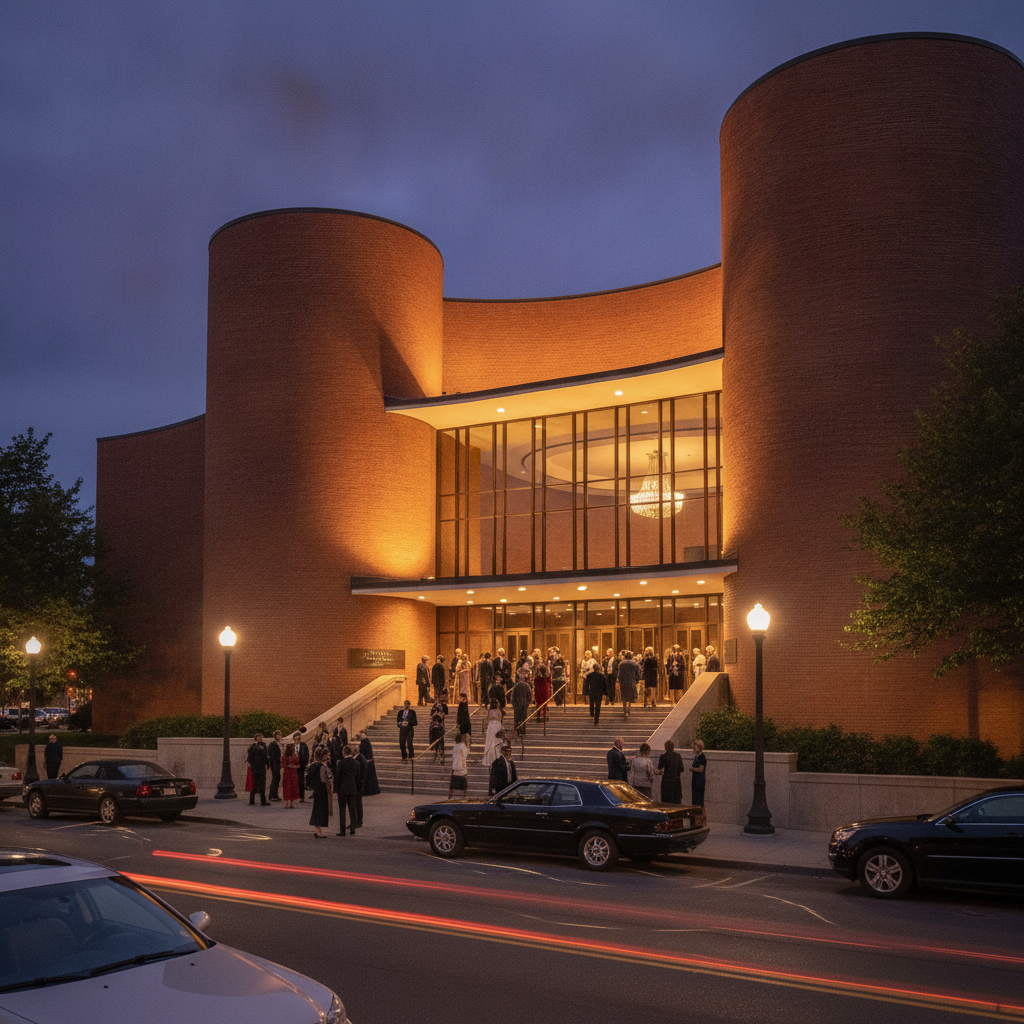
Buffalo Philharmonic Orchestra and Kleinhans Music Hall
The Buffalo Philharmonic Orchestra, founded in 1935, performs at Kleinhans Music Hall, designed by Eliel and Eero Saarinen and completed in 1940. Kleinhans is a National Historic Landmark and is consistently cited by acousticians as one of the finest concert hall acoustic environments in North America. The hall seats 2,839 in the main auditorium, with a distinctive asymmetrical wooden ceiling that distributes sound with exceptional evenness. Music director JoAnn Falletta, who led the orchestra from 1999 to 2023, is one of the most recorded conductors in the United States and brought the BPO to international recognition through over 170 CD recordings on the Naxos label, earning multiple Grammy nominations. The orchestra presents an annual free outdoor concert in Delaware Park that draws over 20,000 people.
- 6
Allen Street and Allentown Neighborhood
The Allentown neighborhood, centered on Allen Street and its radiating residential streets north of downtown, was listed on the National Register of Historic Places in 1986 and contains one of the most intact Victorian residential environments in the Northeast. The neighborhood developed between 1860 and 1900 on a street grid that predates the Olmsted park plan and contains over 400 buildings of architectural significance. Allen Street itself functions as Buffalo primary LGBTQ+ entertainment corridor with bars, restaurants, and music venues that have operated continuously since the 1970s. The annual Allentown Art Festival on the second weekend of June, operating since 1958, draws 250,000 visitors over two days for juried fine art, food, and music in an outdoor setting along Allen Street and surrounding blocks, making it one of the oldest and largest art festivals in the United States.
Walk this route with audio
Stories play automatically as you reach each stop — no tapping needed.
More in Buffalo
Buffalo: Olmsted Parks, Industrial Giants and a City Rebuilt
Buffalo R2-R6: AKG Museum (8500 works finest modern art NY to Chicago, Abstract Expressionism Pollock Rothko Kline Still de Kooning, OMA Shigematsu Gundlach Building 2023 USD 230M 21,000 sqm, Kleinhans Music Hall Saarinen father-son 1940 best acoustics NY after Carnegie Hall, Burchfield Penney Charles Burchfield 1893-1967 visionary watercolorist); Architecture (Darwin Martin House FLW 1904-1905 Prairie Style 6 structures USD 50M restoration 2007, Guaranty Building Sullivan Adler 1896 finest US office building terra-cotta vegetative, City Hall 1931 Art Deco tallest NY municipal 120m 28th floor free 360 views, Richardson Olmsted Campus HH Richardson 1870-1880 greatest 19th century collaboration Hotel Henry), Neighborhoods (Elmwood Village most desirable, Allentown Art Festival oldest outdoor juried eastern US 70,000 Father's Day weekend, Polish Broadway East Side Tops massacre May 14 2022 10 killed white supremacist NY worst, First Ward Irish dockworkers); Lake Effect (230cm average 500cm suburbs belt, cold Arctic -20/-30C over warm Erie lake moisture dump, November 2014 177cm 24hrs 14 dead, Bills Mafia table-jumping tailgate Highmark Stadium Orchard Park culture); Seneca Nation (Haudenosaunee Confederacy Six Nations Guardians Western Door, US Constitution influence Grinde Johansen Exemplar Liberty 1991 disputed, Laura Secord 30km walk June 24 1813 Canadian hero, Seneca Nation Salamanca casinos, Sullivan-Clinton 1779 40 villages scorched earth); Practical (BUF 5.5M passengers 40 destinations, Niagara Falls State Park 1885 oldest US state park, Toronto 150km 90min Peace Bridge, Niagara icewine, Hotel Henry HH Richardson).
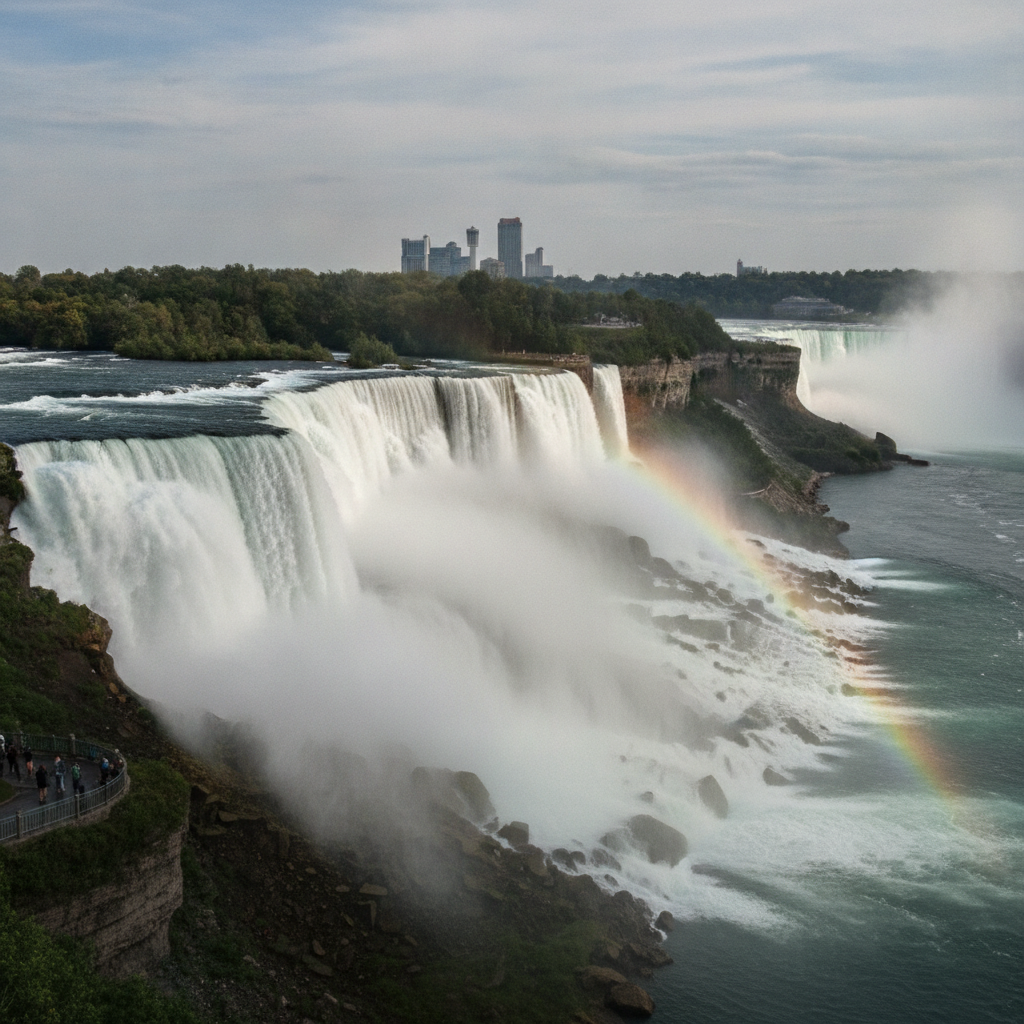
Buffalo: Niagara Falls, grain elevators, Buffalo wings, architecture, Erie Canal, and sports heartbreak
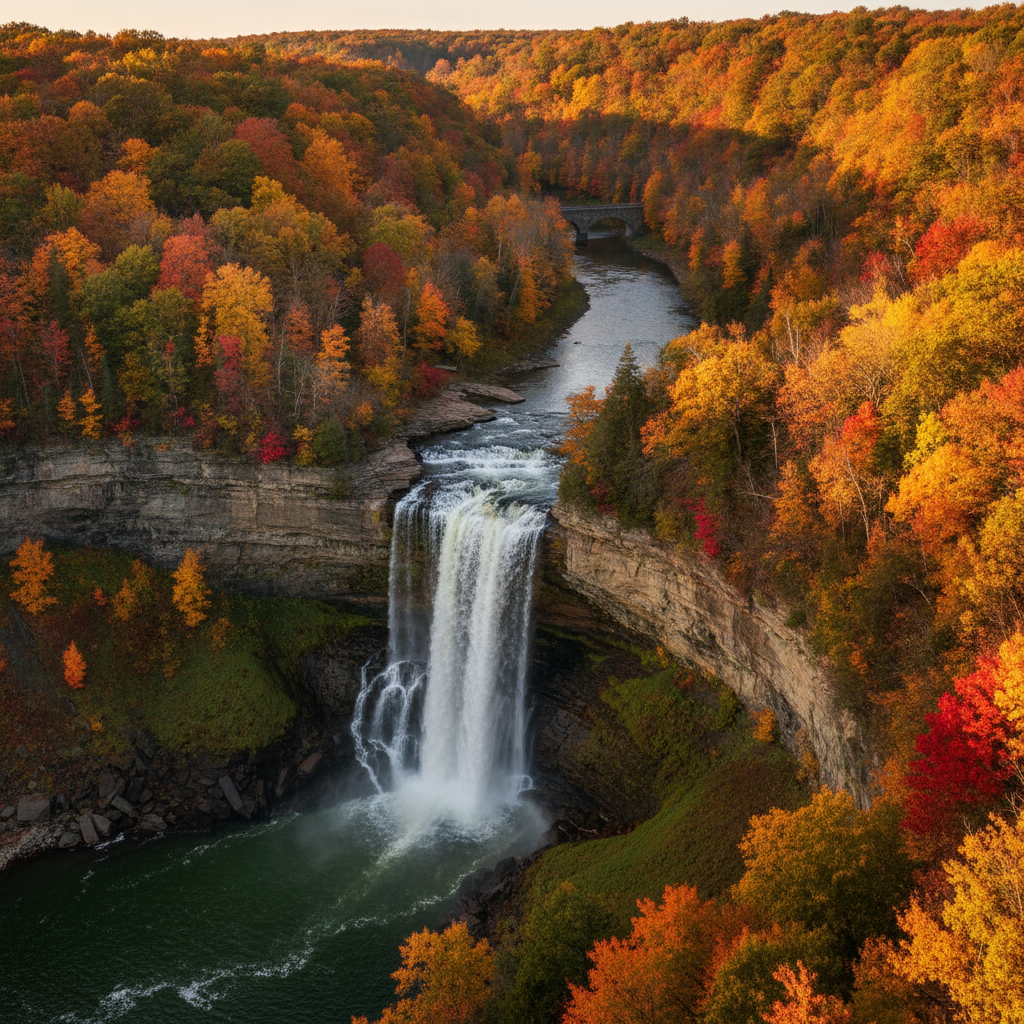
Buffalo R5: Letchworth (90km southeast, 25km gorge 180m deep, three waterfalls Upper 26m Middle 30m Lower 23m, Portage Viaduct 1903 72m above river, October foliage most beautiful inland eastern US, Mary Jemison captured 1755 age 12 lived as Seneca died 1833 age 90 buried in park, Senator Letchworth donated 1906); First Ward (Irish Famine 1840s dockworkers canal laborers, Swannie House 1880 oldest bar, grain elevator kayak tours Riverline, Seneca One Tower 38 stories USD 500M conversion, Statler Hilton 1923 Ellsworth Statler 1863-1928 invented in-room bath 1908 in-room phone 1911 doorknob menu Father Modern Hotel); Erie Canal (584km Albany to Buffalo, 57 locks 524km navigable, Lockport 40km engineers overcame Niagara Escarpment 5 pairs locks most remarkable feat, Annie Taylor born Lockport 1838, Rochester 150km Eastman Kodak 1892 George Eastman suicide note My work is done, Strong Museum of Play worlds only); Theater (Shea's 1926 C.W. Rapp 3083 seats Broadway Series, Irish Classical Theatre, Kleinhans 1940 Saarinen father-son one of finest concert hall acoustics US, Buffalo bar culture Ulrichs 1868 Pan American Toutant Southern); Canadian connections (Peace Bridge 1927 8M vehicles/year 4th busiest land crossing, Canadian side superior face-on Horseshoe view, Fallsview Casino most visited Canada, Niagara-on-the-Lake Shaw Festival 10 plays 4 theaters, Inniskillin icewine 1989 Grand Prix Bordeaux 1991, Fort George War 1812); Revival (population 258,000 to 279,000 2010-2020 first growth since 1950, USD 175-200K median home most affordable NE, Tesla Gigafactory USD 750M Solar Roof, Josh Allen 5 Pro Bowls Sean McDermott, Green Code 2016 first zoning update since 1953).
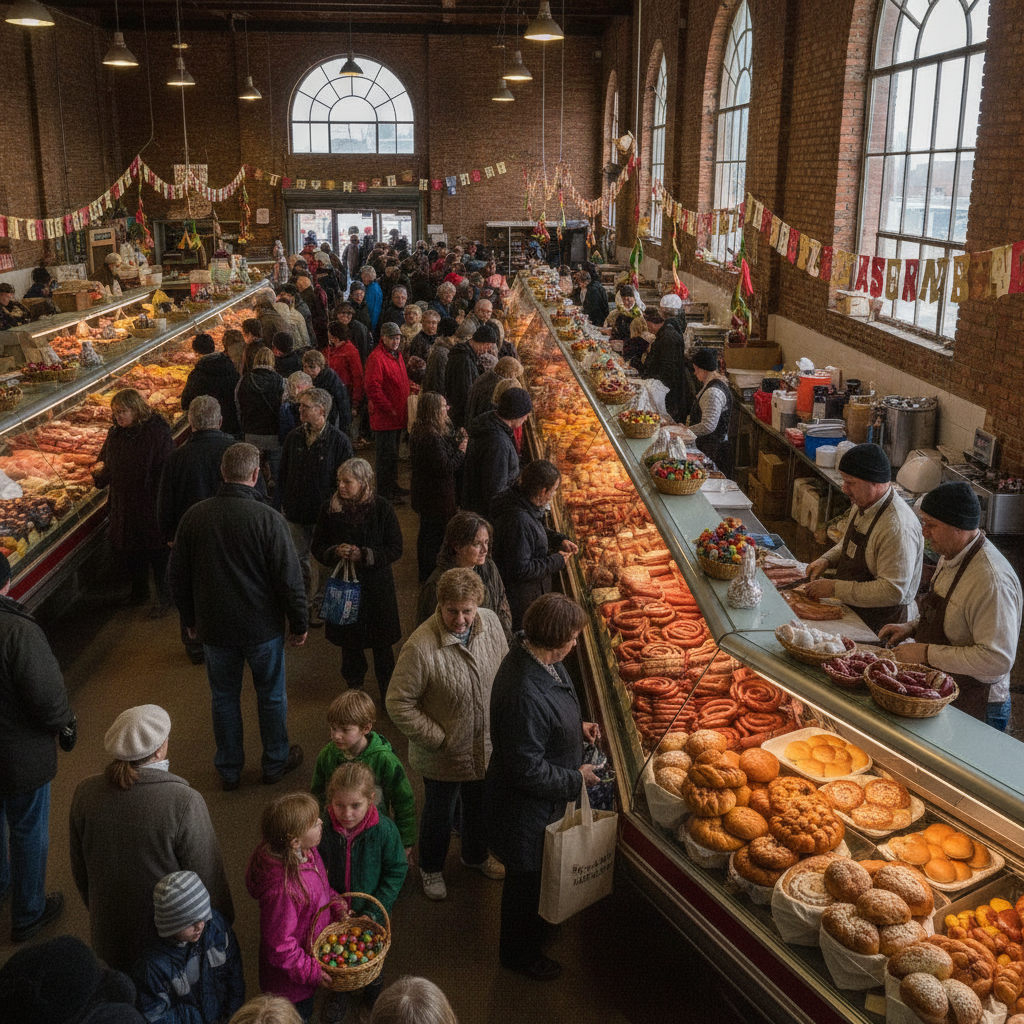
Buffalo R4: Polish community (400,000 Polish-American largest US after Chicago, Broadway Market 1888 52 vendors kielbasa pierogi czarnina babka, Easter season lines around block 3-4 generation vendors, Dyngus Day Monday after Easter water-sprinkling 50,000 participants most unique local US celebration); Roosevelt Inaugural (641 Delaware Ave Ansley Wilcox House September 14 1901 50 witnesses most informal inauguration, Roosevelt 1901-1909 Standard Oil Sherman Antitrust 150 national forests FDA Progressive Era, BEC Historical Society only surviving Pan-Am 1901 building, Forest Lawn Cemetery Fillmore Red Jacket Rick James); Food revival (Taste of Buffalo first weekend July 400,000 largest 2-day US food festival 60 restaurants 1.6km, Hertel Avenue diverse Italian Polish Jamaican Thai Indian, Swannie House 1880 oldest continuously operating western NY, Ted's Hot Dogs 1927 charcoal Sahlen's franks 1869, food trucks BNMC Canalside); Green spaces (Elmwood-Bidwell Farmers Market open year-round Saturday 80 vendors 100-mile radius, Bidwell Parkway Olmsted grass median Victorian Arts-Crafts, Botanical Gardens 1898 12m dome tropical, Tifft Nature Preserve 264 acres 230 bird species former landfill reclaimed, Reinstein Woods old-growth last pre-settlement forest Erie County); Fillmore (13th President 1800-1874 UB founding donor, Compromise 1850 California free Fugitive Slave Law enforced worst president rankings, Millard Fillmore House East Aurora, Grover Cleveland Mayor Buffalo 1882 Veto Mayor 22nd and 24th President non-consecutive unique); Practical (summer Taste Buffalo Allentown Art Festival Bills training camp, fall Highmark Stadium Letchworth Grand Canyon East 90km 60m gorge 3 waterfalls October foliage, winter Holiday Valley skiing Kissing Bridge, Hotel Henry Curtiss Hotel Statler City).