Bujumbura & Burundian History: Ethnic Violence & Reconciliation
Burundi's history of ethnic violence between Hutu and Tutsi — predating and separate from the Rwandan genocide — has shaped every aspect of Bujumbura's contemporary reality and the ongoing process of reconciliation
- 1
Burundian Ethnic History
Burundi and Rwanda share ethnically complex histories – the mass killings of Hutu in 1972 by the Tutsi-led army and the assassination of President Ndadaye in 1993 triggered cycles of violence that killed hundreds of thousands
- 2
The assassination of Ndadaye and the civil war
The 1993 assassination of Melchior Ndadaye – Burundi's first democratically elected Hutu president – sparked a civil war that lasted until 2005; the scar on Burundian political culture is still raw
- 3
Arusha Peace Process
The 2000 Arusha Peace Accords – brokered in part by Nelson Mandela – established the power-sharing system that ended Burundi's civil war; the negotiation is studied as a model for African conflict resolution
- 4
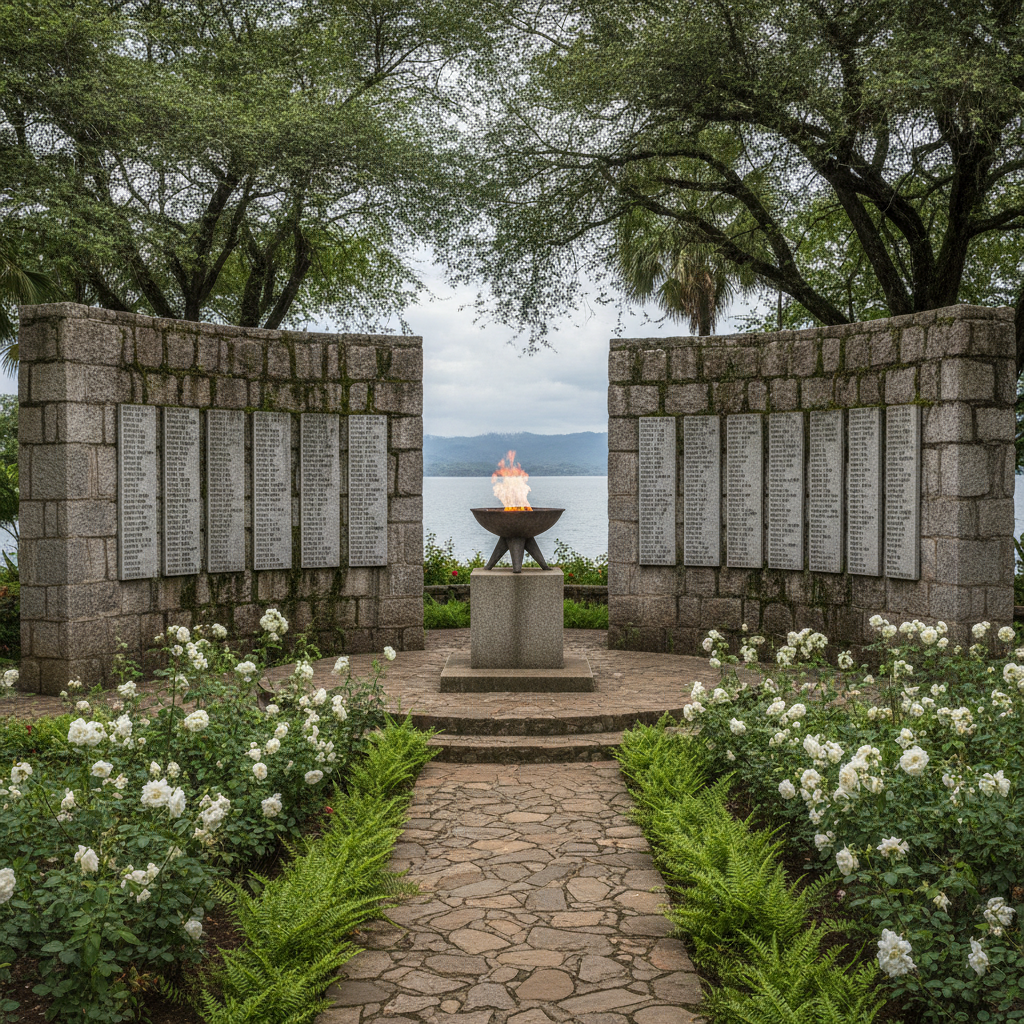
Memorial sites in Bujumbura
Several sites around Bujumbura mark the violence of the civil war years — silent memorials and mass graves that the city lives alongside as it attempts the difficult work of reconciliation
- 5
Youth Reconciliation Initiative
The generation born after the civil war engages with history through schools, cultural projects and inter-ethnic dialogue — Bujumbura's youth culture creates new identities that cross the old borders
- 6
Political Crisis 2015
The 2015 crisis – when President Nkurunziza sought a third term – triggered renewed violence and a large refugee exodus; the political tensions it revealed remain unresolved under the current government
Walk this route with audio
Stories play automatically as you reach each stop — no tapping needed.
More in Bujumbura
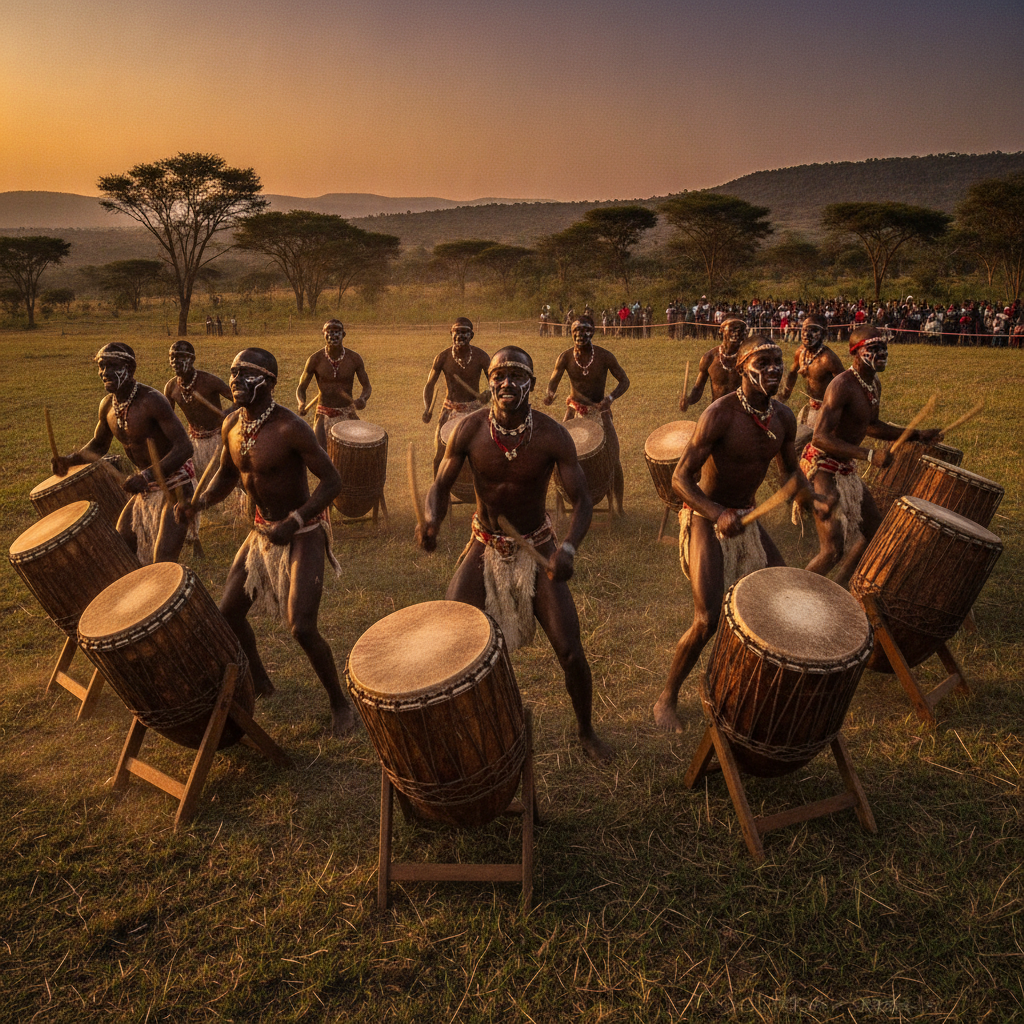
Ingoma Drumming: Burundi's UNESCO-Listed Royal Tradition
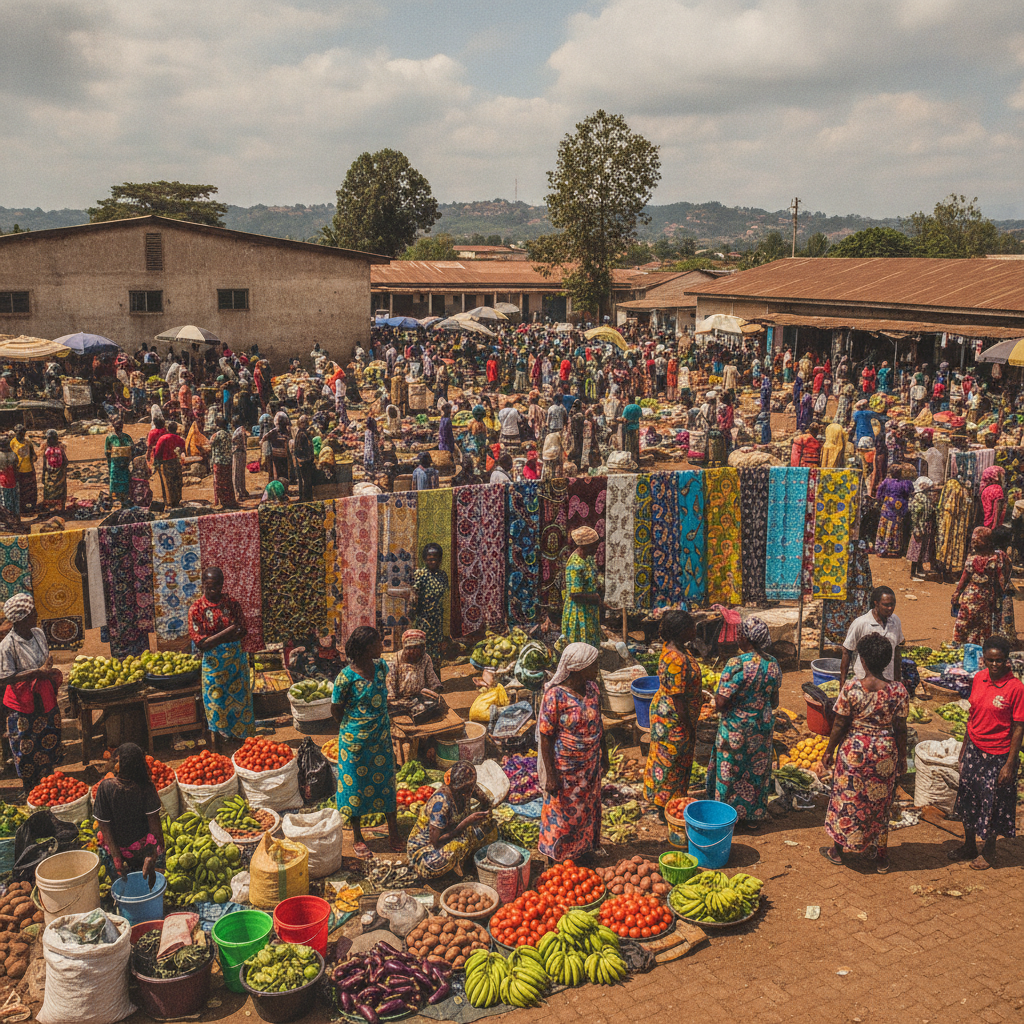
Bujumbura City: Markets, Architecture & Urban Life
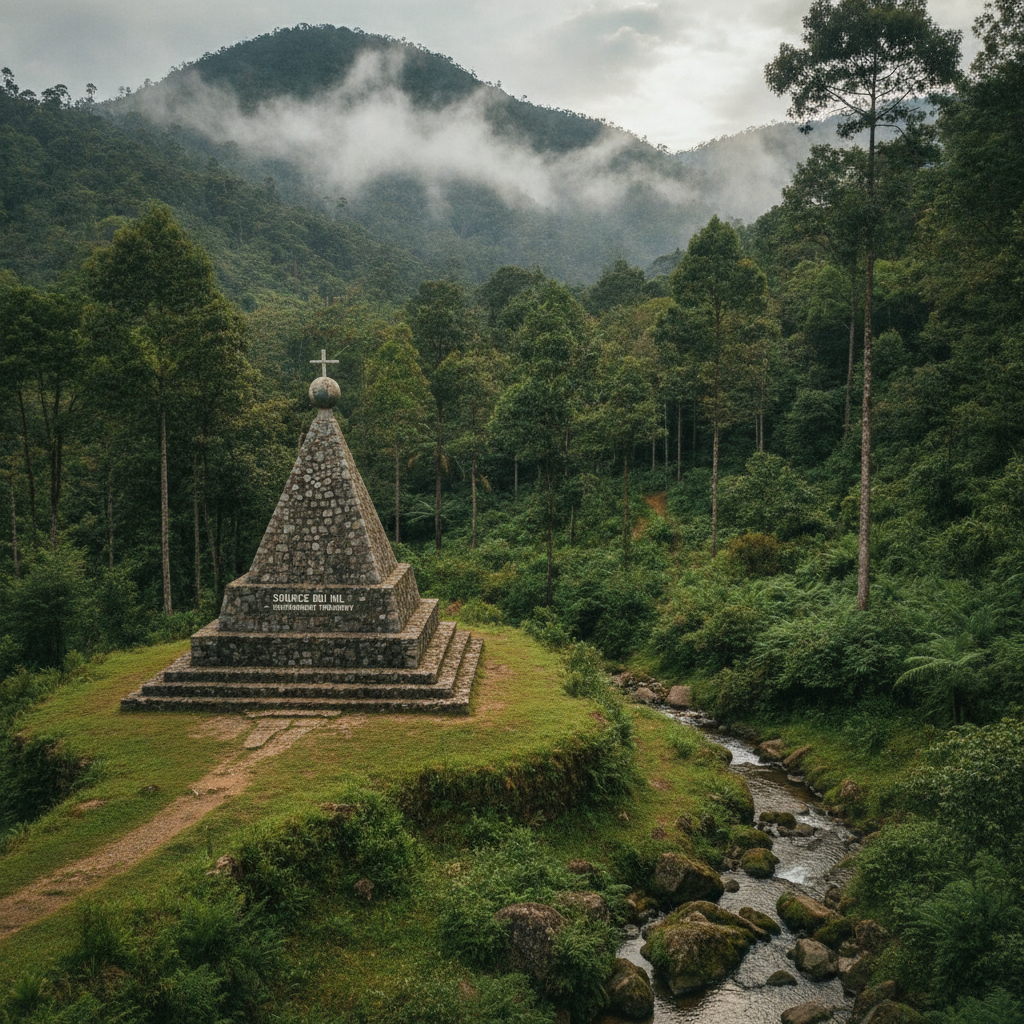
Source of the Nile: Burundi's Claim to the World's Longest River
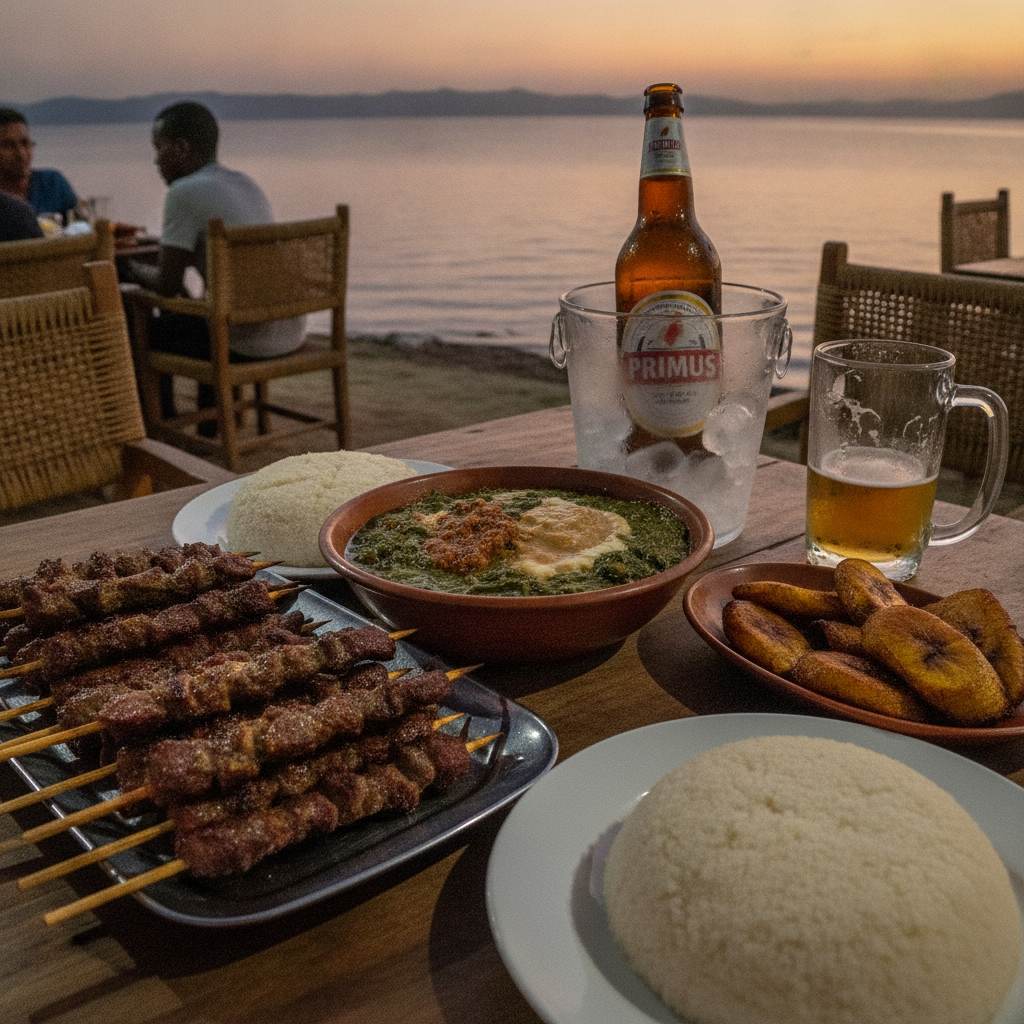
Burundian Food: Brochettes, Isombe & Lake Tanganyika Fish
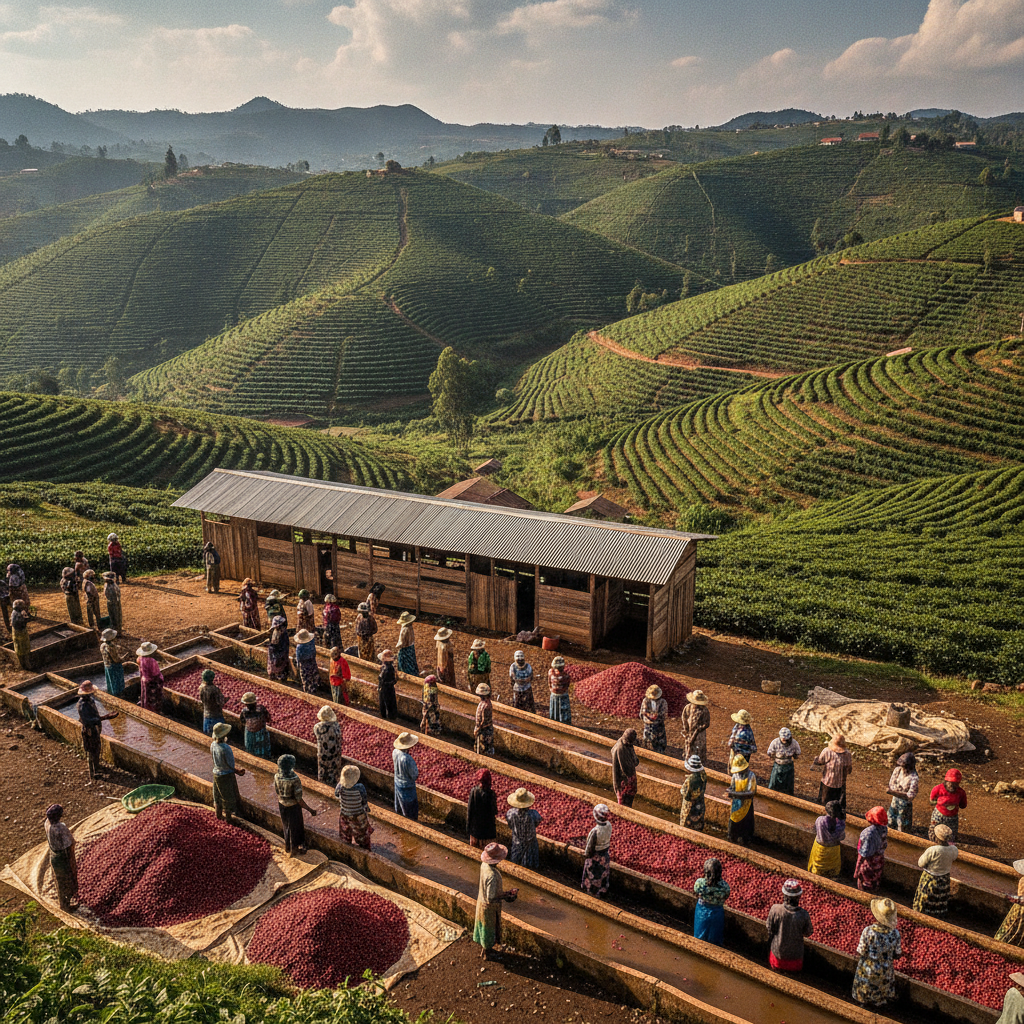
Burundian Coffee: Africa's Best-Kept Highland Secret