Bursa: First Ottoman Capital, the Osman Gazi Tomb and Foundation Legend, the Orhan Gazi Mosque, the Muradiye Complex with Royal Tombs, and the Ottoman Dynasty Founding Story
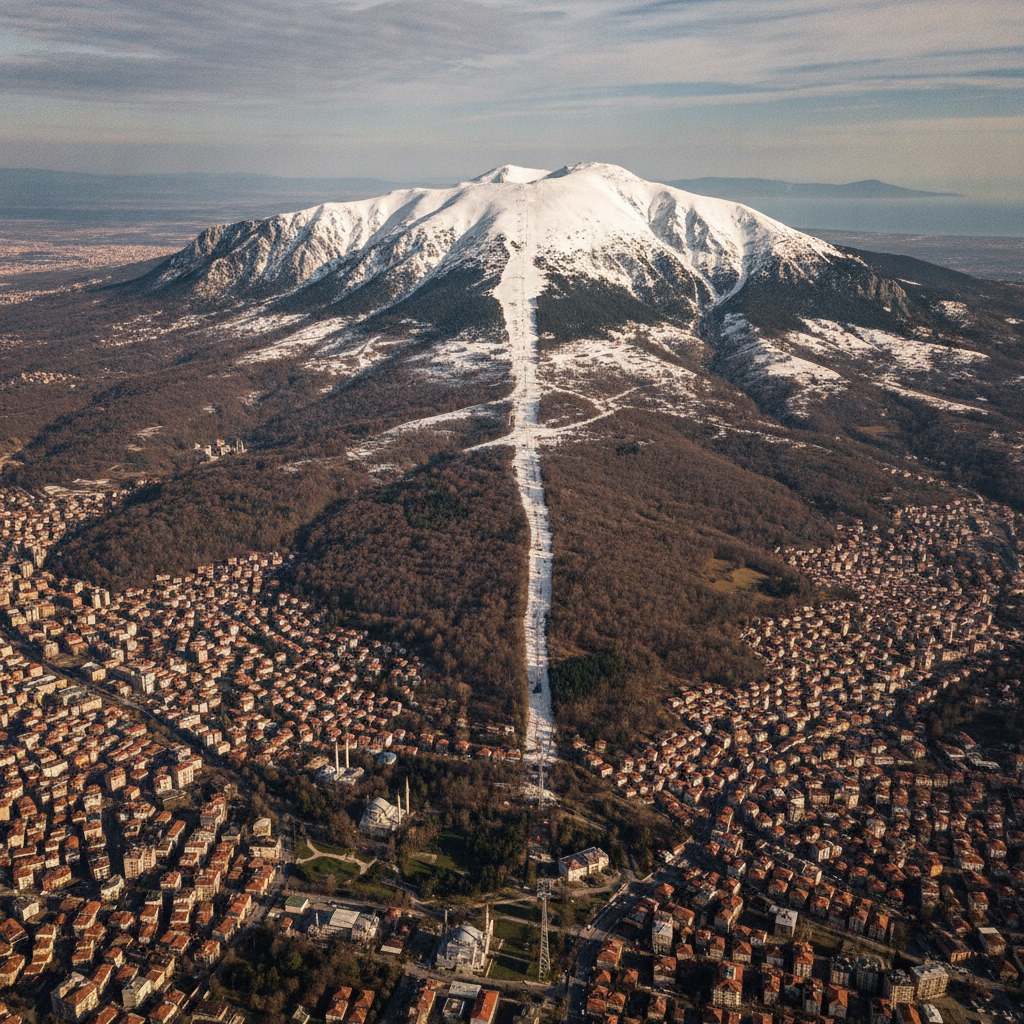
The Bursa Ottoman founding route covers the foundation legend of Osman Gazi, the Osman and Orhan tombs on the Byzantine citadel hill, the Orhan Gazi Mosque as the first Ottoman congregational mosque, the Muradiye complex with the most important royal Ottoman tomb ensemble, and the Ottoman dynasty founding story that transformed a small Anatolian border principality into an empire.
- 1
Osman Gazi: The Ottoman Founder and the Dream
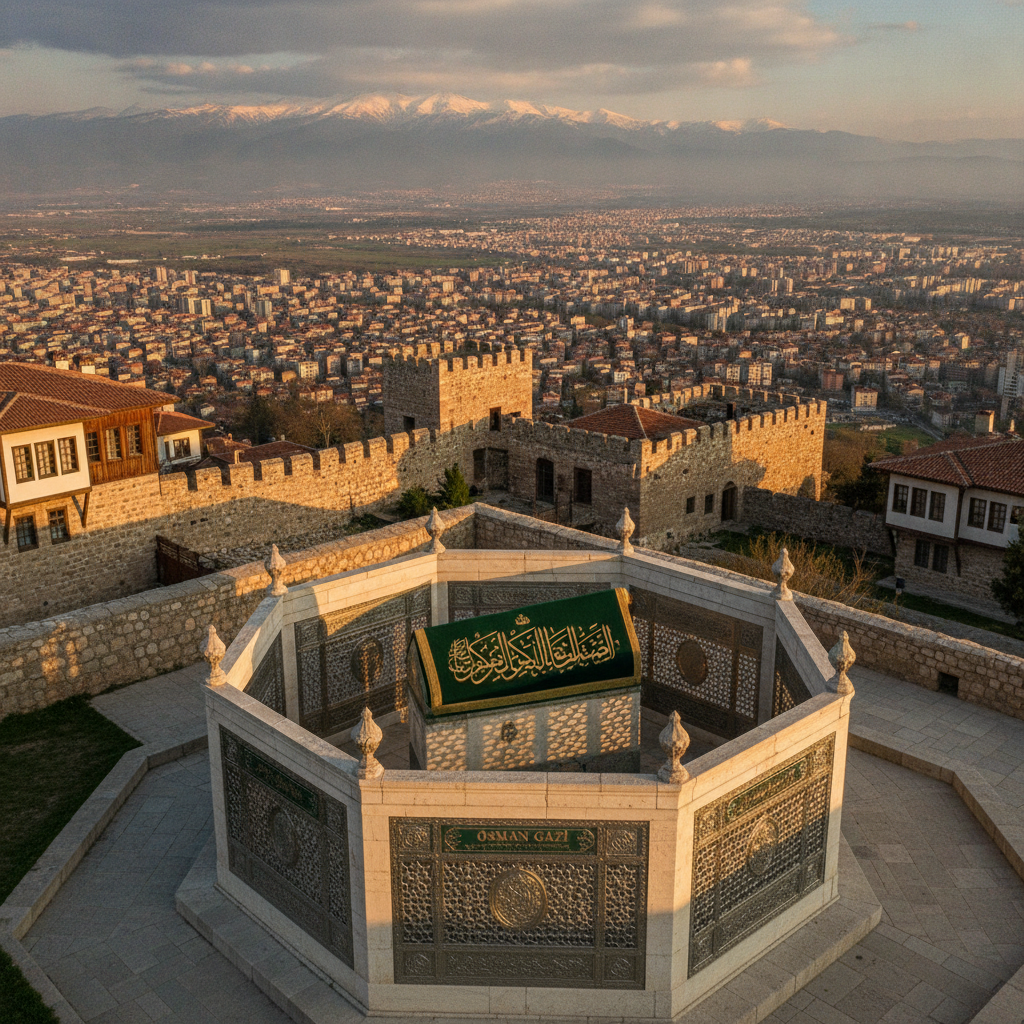
Osman I (c.1258-1326), the founder of the Ottoman dynasty, led the small Kayi Turkish border principality on the Byzantine frontier from approximately 1299 and is credited with the dream in which a moon rose from the chest of the Muslim scholar Sheikh Edebali and entered his own chest, interpreted as divine sanction for the future Ottoman empire. Osman never captured Bursa himself - the city fell to his son Orhan in 1326 - but asked to be buried there, and his tomb on the Byzantine citadel hill became the first Ottoman royal mausoleum and the most important single founding monument of the Ottoman state. The Osman Gazi tomb interior with the Iznik tile decoration added by later sultans is the most venerably loaded single space in Ottoman dynastic memory.
- 2
Orhan Gazi: The First Ottoman Sultan of Bursa
Orhan I (c.1281-1362), who captured Bursa in 1326 after a decade-long siege and made it the first Ottoman capital, built the first Ottoman congregational mosque, the first Ottoman madrasa, the first Ottoman hospital, and the first Ottoman caravanserai in Bursa, establishing the Ottoman institutional model of the pious foundation (vakif) that would build and maintain every subsequent Ottoman city. Orhan made the first Ottoman territorial expansion across the Marmara Sea to Thrace, creating the bridge between Anatolia and Europe that defined the subsequent 500 years of Ottoman expansion. The Orhan Gazi Mosque in the Bursa bazaar quarter is the oldest surviving Ottoman mosque in the world.
- 3
Bursa as Ottoman Capital: The 1326-1402 Period
Bursa served as the Ottoman capital from its capture in 1326 until 1402 when the Timur defeat at Ankara disrupted the Ottoman state and the capital shifted to Edirne. During these 76 years, five Ottoman sultans built their mosque complexes in Bursa, creating the most concentrated single group of early Ottoman imperial monuments anywhere and establishing the architectural and cultural vocabulary that the subsequent Ottoman classical period in Istanbul refined. The Bursa imperial mosque sequence from the Orhan Mosque through the Hudavendigar Mosque of Murat I to the Ulu Cami of Bayezid I and the Green Mosque of Mehmed I is the most complete single architectural evolution narrative in Ottoman history.
- 4
Muradiye Complex: The Royal Tomb Ensemble
The Muradiye complex in Bursa, built from 1424 by Sultan Murat II and completed by his successors, contains the most important single ensemble of early Ottoman royal tomb architecture in Turkey with 12 royal mausoleums built over the 15th century housing the tombs of Sultan Murat II himself, the Shahzade Cem who was defeated by his brother Bayezid II and died in French captivity, and the other princes and princesses of the Ottoman royal family. The individual mausoleum buildings in the Muradiye garden represent the most concentrated single study of early Ottoman tomb architectural evolution from the plain stone chamber to the elaborately tiled hexagonal domed mausoleum.
- 5
Shahzade Cem: The Tragic Ottoman Prince
Shahzade Cem, the son of Sultan Mehmed II the Conqueror and the brother of Bayezid II, fled after his defeat in the 1481 succession struggle to the Hospitalier Knights of Rhodes and subsequently became the political hostage-prisoner of the Pope in Rome where he died in 1495. His body was returned to Bursa and buried in the Muradiye complex. The Cem tomb with the original tile work representing the lost pre-Iznik ceramic tradition is the most poignant single monument in the Muradiye complex and the story of his 14-year exile at the most culturally sophisticated European courts is the most internationally entangled single episode in early Ottoman royal biography.
- 6
Ottoman Bursa Architecture: The Pre-Classical Style
The Bursa Ottoman architectural style of the 14th and early 15th centuries, characterized by the T-plan mosque with the side tabhane rooms for traveler accommodation, the single large dome over the prayer space, and the Persian-influenced tiled interior decoration, is distinct from the later Ottoman classical style centered on the single large central dome in the Istanbul Sultanahmet tradition. The Bursa T-plan mosque - exemplified by the Hudavendigar Mosque, the Beyazit Pasha Mosque, and the Green Mosque - is the most architecturally experimental single building type in the early Ottoman repertoire and the building type that most directly shows the transition from the Seljuk to the Ottoman architectural vocabulary.
Walk this route with audio
Stories play automatically as you reach each stop — no tapping needed.
More in Bursa
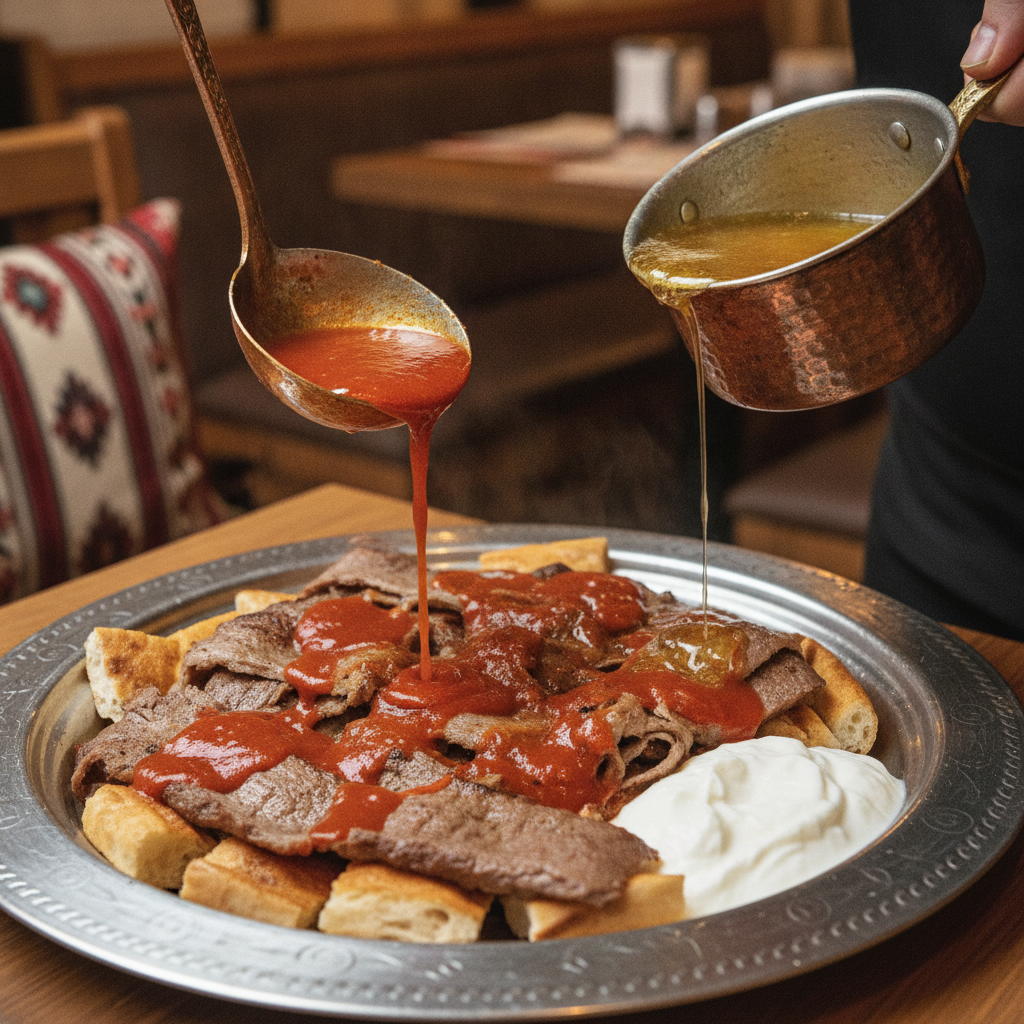
Bursa Cuisine: The Iskender Kebab Invention, the Chestnut and Uludag Honey Culture, the Inegol Kofte Tradition, the Bursa Peach Orchards, and the Ottoman Court Food Legacy
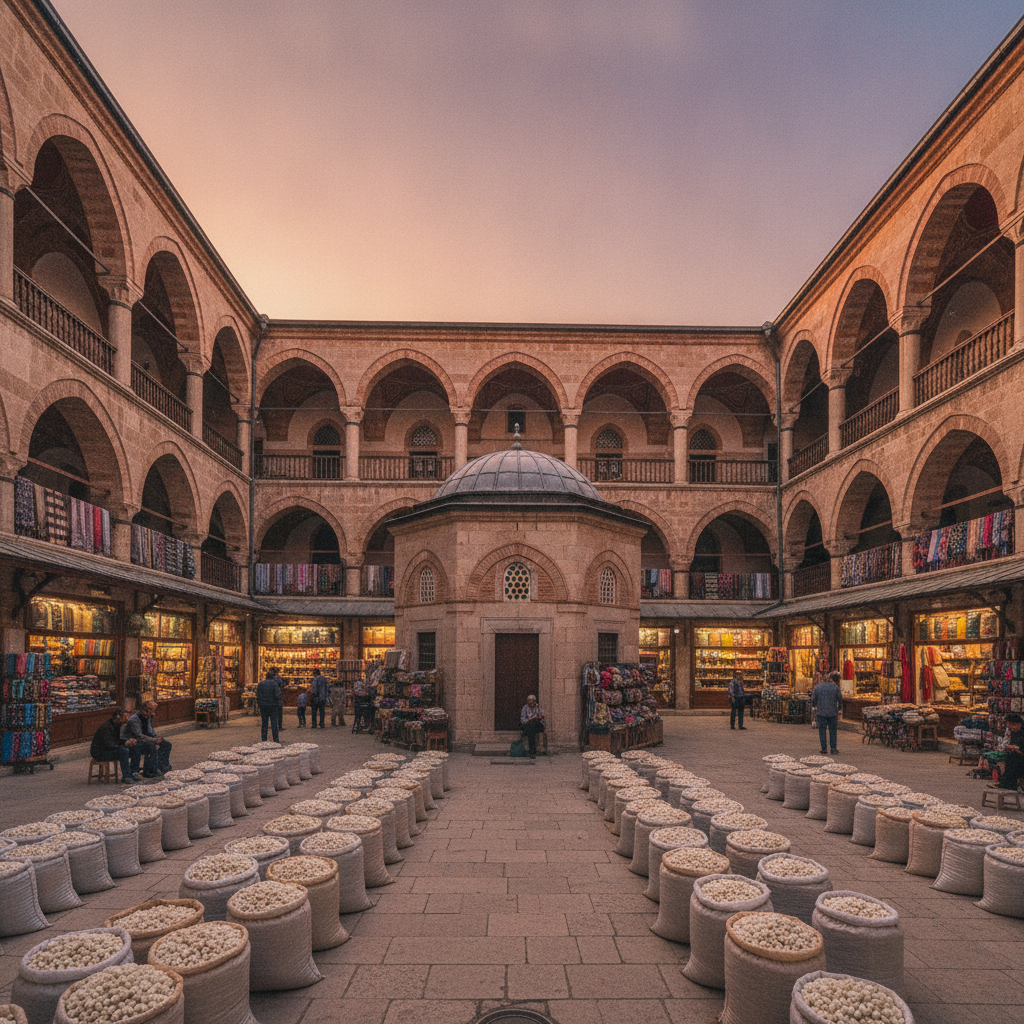
Bursa Silk Heritage: The Koza Han Cocoon Auction, the Ottoman Silk Industry Peak, the Bursa Ipek Silk Textile Tradition, the Silk Route Connection, and the Modern Silk Fabric Market
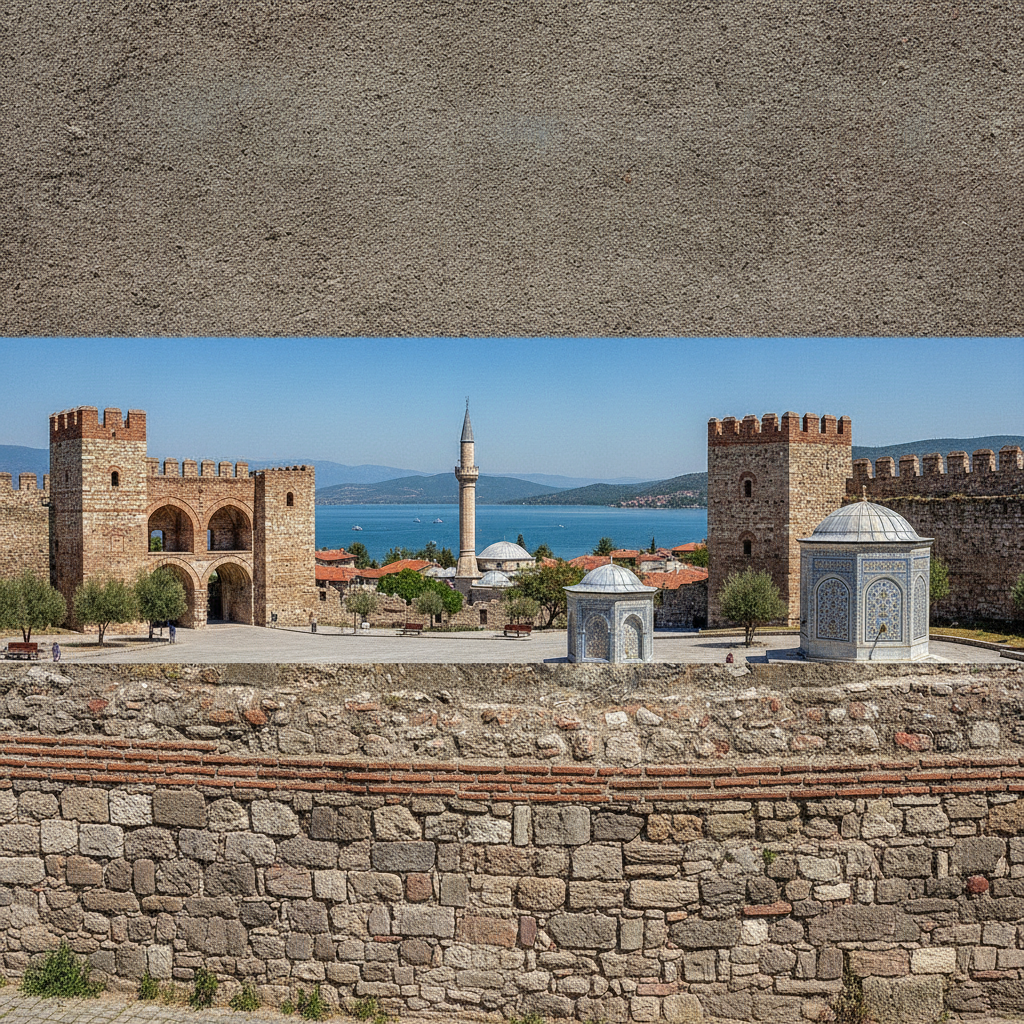
Bursa Region: The Iznik-Nicaea Byzantine Heritage, the First Council of Nicaea, the Iznik Tile Tradition, the Istanbul Day Trip Position, and the Bursa as the Ottoman Circuit Hub
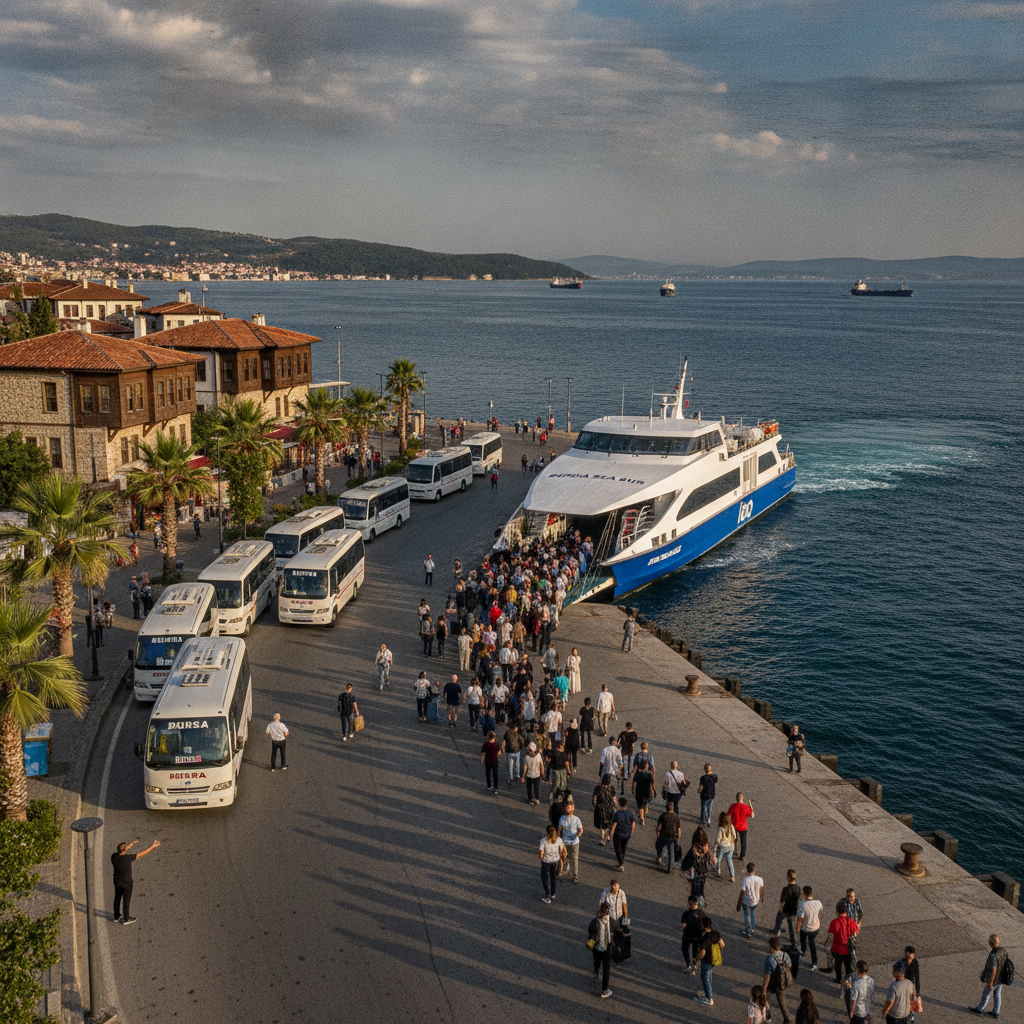
Bursa Practical: The Istanbul Ferry Connection, the Mudanya Arrival, Transport Within Bursa, the Best Accommodation Districts, the Optimal Visit Timing, and the Departure for the Marmara Circuit
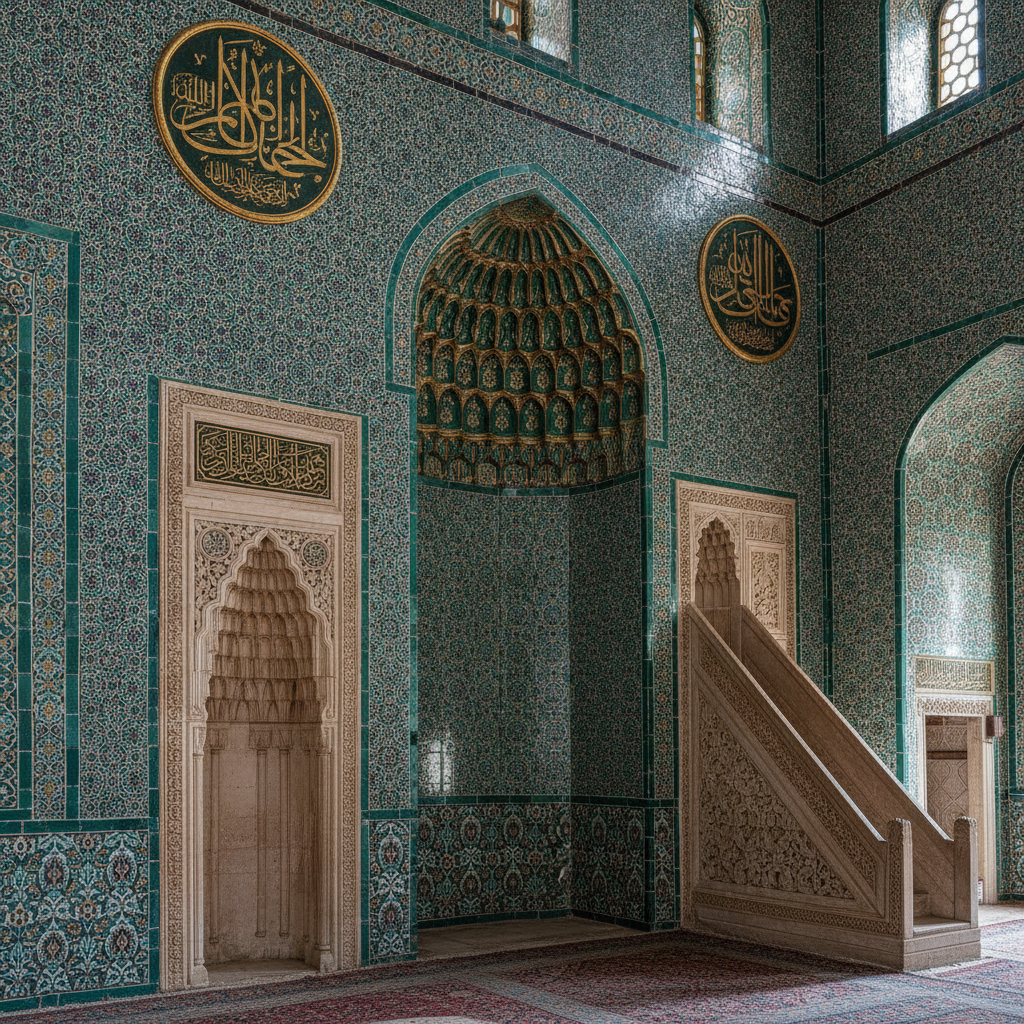
Bursa Essential: The Green Mosque and Green Tomb, the Grand Mosque Ulu Cami, the Covered Bazaar and Koza Han Silk Market, the Uludag Cable Car, and the First Ottoman Capital Heritage