Cairns: Cooktown Captain Cook History and Guugu Yimithirr Kangaroo Word, Gimuy Walubara Yidinji Country, Cairns as World Learn-to-Dive Capital, Wet Season Wildlife, North Queensland Tropical Produce, and Four-Route Final Complete Summary
Cairns final: Cooktown (HM Bark Endeavour beaching, Guugu Yimithirr people, kangaroo word origin), Gimuy Walubara Yidinji Indigenous heritage (Tjapukai Cultural Park), Cairns learn-to-dive capital (PADI courses, Coral Sea liveaboards), wet season wildlife and responsible reef travel, north Queensland mango and tropical produce, and the complete four-route Cairns visitor verdict.
- 1
Cooktown and the Endeavour River - Captain Cook History
Cooktown (approximately 240 km north of Cairns by the sealed inland route via the Kennedy Highway, or 170 km by the 4WD coastal route via Cape Tribulation and the Bloomfield Track): the northernmost significant town on the Queensland coast, where Captain James Cook beached the HM Bark Endeavour for repairs in June 1770 after striking the Great Barrier Reef. The Cooktown beaching: on the night of 11 June 1770, the Endeavour struck the reef at what is now called Endeavour Reef (approximately 22 km northeast of modern Cooktown). The crew spent 7 weeks repairing the ship at the mouth of the Endeavour River (the site of modern Cooktown). During this period, Joseph Banks conducted the first European scientific collection of Australian flora and fauna; the kangaroo was first described to Europeans during the Cooktown stay. The James Cook Museum (in the former convent building, Cooktown): the primary museum of Cook history in Australia, with the anchor and cannon from the Endeavour (jettisoned during the beaching to lighten the ship). The Guugu Yimithirr people: the traditional owners of the Cooktown area, whose language gave the English language the word kangaroo (Cook's crew heard the word from the Guugu Yimithirr people and transcribed it as kangaroo).
- 2
Cairns Indigenous Heritage - Gimuy Walubara Yidinji Country
Gimuy Walubara Yidinji: the traditional custodians of the land on which modern Cairns stands, with a history of continuous occupation of the Cairns area for at least 8,000 years. The name Gimuy: the traditional Yidinji name for the Cairns area, referring to the swampy, mangrove-fringed estuary that characterized the site before European settlement. The Yidinji people of the Atherton Tablelands and the Cairns coast: the Yidinji comprise multiple clan groups across the coastal and tablelands areas of north Queensland. The Tjapukai Aboriginal Cultural Park (at Smithfield, 15 km north of Cairns, adjacent to the Skyrail terminal): the primary Aboriginal cultural experience in north Queensland, with the creation theatre (the story of the Tjapukai Dreamtime told through performance), the dance theatre, and the hands-on cultural activities (didgeridoo, spear throwing, traditional fire making). The Gimuy Walubara Yidinji land rights: the Yidinji people have established native title over a significant area of the Cairns region, including sections of the Trinity Inlet and the mangrove coastline. The Jirrbal people of the Atherton Tablelands: the traditional owners of the rainforest areas of the Atherton Tablelands, with the Johnston River and the Millaa Millaa Falls area as significant cultural sites.
- 3
Cairns Diving Schools and the Learn-to-Dive Capital
Cairns as the learn-to-dive capital of Australia: the combination of warm water (26-28 degrees in the peak diving season), excellent visibility (15-25 m on the outer reef in the dry season), abundant marine life, a competitive market of dive schools, and the proximity to the Great Barrier Reef makes Cairns one of the best places in the world to learn to dive. The PADI Open Water certification in Cairns: the standard course takes 3 days in Cairns (1 day classroom/pool, 2 days on the reef with 4 open water dives). The Cairns dive schools: Tusa Dive, Pro Dive Cairns, Cairns Dive Centre, Deep Sea Divers Den, and Mike Ball Dive Expeditions are the primary operators. The discover scuba diving experience: the single-session introductory dive (1-2 dives on the reef, with an instructor in the water at all times, no certification required) is available for AUD 90-130 on most reef day trips. Advanced diver certifications in Cairns: the Advanced Open Water (AOW) course adds night diving, deep diving (to 30 m), and navigation. The Nitrox certification (enriched air diving): increasingly popular for extending bottom time on the reef; Cairns dive schools all offer Nitrox. The Cairns liveaboard experience: 3-night, 4-night, and 7-night liveaboard trips to the outer reef and the Coral Sea are the premium diving experience from Cairns, with up to 11-12 dives over the trip duration.
- 4
Cairns Weather, Wet Season Wildlife, and Responsible Travel
Cairns wet season (November to April): while the dry season (May to October) is the primary tourist season, the wet season has significant wildlife advantages. The wet season birdlife: the Atherton Tablelands are particularly alive with migratory shorebirds, the golden bowerbird (endemic to the Atherton Tablelands, the smallest bowerbird, building the tallest bower of any Australian bird) nests in the Wet Tropics highland rainforest during the summer. The wet season waterfalls: the Millaa Millaa Falls, the Barron Falls, and all Atherton Tablelands waterfalls reach their maximum flow in February-March. The stinger season: box jellyfish (Chironex fleckeri) and Irukandji jellyfish (Carukia barnesi) are present in tropical Queensland waters from October to May; swimming without a stinger suit during this period is inadvisable in open water. Responsible reef travel: the key behaviors for minimizing reef impact while visiting: never touch coral (even accidental contact can kill the coral polyps), do not collect shells or other marine organisms, apply reef-safe (non-oxybenzone) sunscreen (the chemicals in standard sunscreen are toxic to coral), do not anchor on coral, and report any bleaching, crown-of-thorns, or unusual activity to the Eye on the Reef program. Buy from local operators: the economic benefit of reef tourism must primarily flow to the local operators and the reef management funding (the Environmental Management Charge) rather than to tour aggregators outside the region.
- 5
Tropical Fruit World and North Queensland Produce
North Queensland tropical produce: the Atherton Tablelands and the coastal strip from Innisfail to Mossman produce some of the finest tropical fruit in Australia. The primary tropical fruit of north Queensland: the Kensington Pride mango (the Queensland mango, the primary variety of the Australian mango industry, available November to February), the red papaw (pawpaw, distinct from the yellow papaya sold in the south), the Queensland banana (the Cavendish varieties grown primarily in Tully and Innisfail areas), the macadamia nut (native to subtropical Queensland, now grown commercially in north Queensland), the avocado (the Atherton Tablelands produces premium Hass avocados), the lychee (the Mareeba area is the primary lychee growing region in Australia), and the durian (small-scale production in the Atherton area). The Cairns Rusty Market (on Sheridan Street, open Friday, Saturday, and Sunday morning): the best place to buy fresh north Queensland tropical fruit at local prices. The Mareeba Coffee (the Atherton Tablelands coffee production area, 70 km west of Cairns): Australia largest coffee growing region; the Skybury Coffee Plantation offers tours and tastings. The sugar cane industry: the coastal strip from Cairns to Mossman is the primary sugar cane growing area of far north Queensland; the Mossman Sugar Mill (the most northerly sugar mill in Australia) operates the crushing season from June to November.
- 6
Cairns Four-Route Final Complete Summary
Cairns four-route complete summary. Route 1: Great Barrier Reef (diving, pontoons, bleaching context), Daintree Rainforest and Cape Tribulation, Kuranda Scenic Railway and Skyrail, Atherton Tablelands waterfalls, practical guide (stingers, diving certification, adventure sports). Route 2: Mission Beach cassowaries, Tully River rafting, Port Douglas (Four Mile Beach, Agincourt Ribbon Reefs), Cape York Peninsula, Torres Strait Islands (Mabo decision). Route 3: Kakadu and Litchfield National Parks (Darwin day trip), Coral Sea liveaboard diving, reef conservation and bleaching science, Cairns Night Markets and Indigenous Art Fair. Route 4 (this route): Cooktown and Captain Cook history (Guugu Yimithirr people, kangaroo word origin), Gimuy Walubara Yidinji Indigenous heritage, Cairns as the world learn-to-dive capital, wet season wildlife and responsible reef travel, north Queensland tropical produce. The Cairns experience in one statement: the only place on earth where you can wake up and choose between snorkeling on the world largest coral reef or walking in the world oldest surviving tropical rainforest — both accessible within 2 hours — and where the Indigenous cultural heritage stretches back at least 40,000 years. It is one of the most genuinely remarkable visitor locations on earth, and the reef will not be in its current state forever.
Walk this route with audio
Stories play automatically as you reach each stop — no tapping needed.
More in cairns
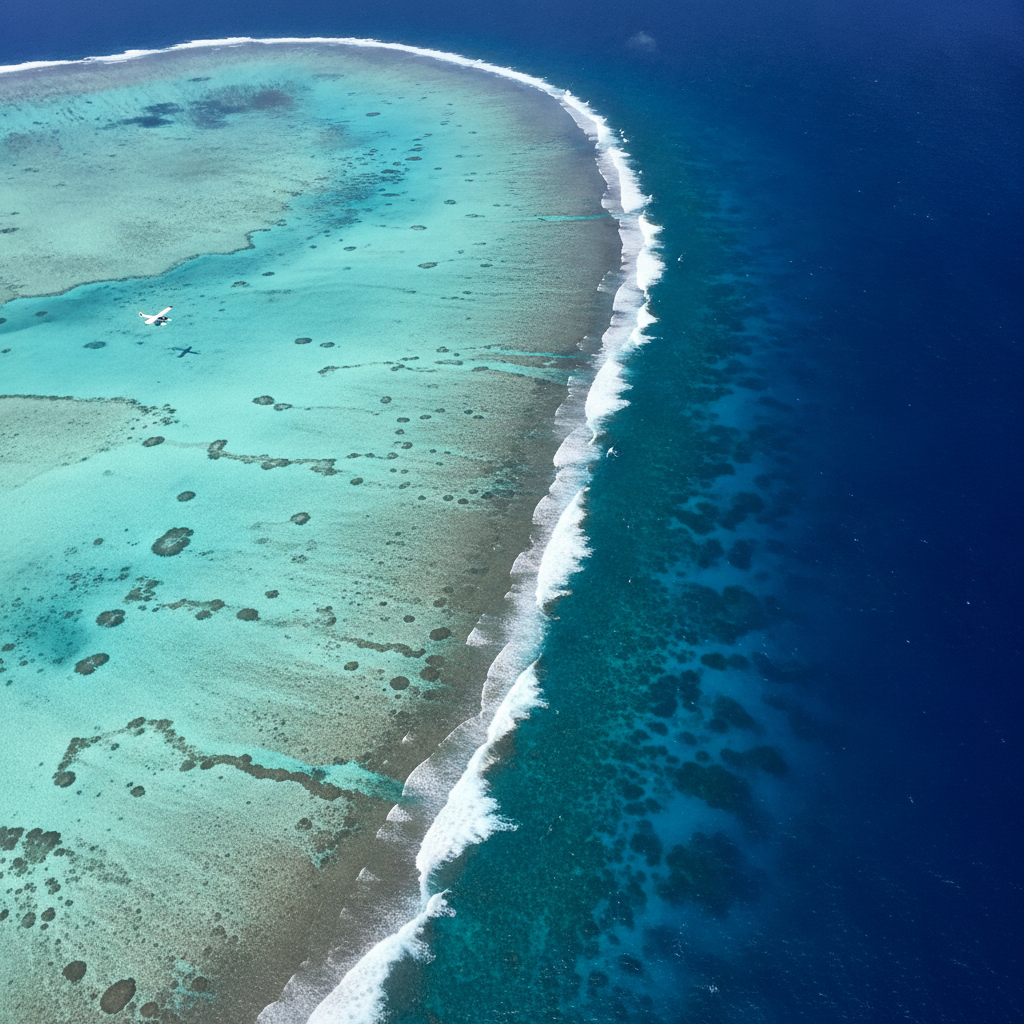
Cairns: Gateway to the Great Barrier Reef, Daintree Rainforest and Cape Tribulation, Kuranda Scenic Railway and Skyrail, Atherton Tablelands Waterfalls and Crater Lakes, Complete Practical Guide for the Tropical North
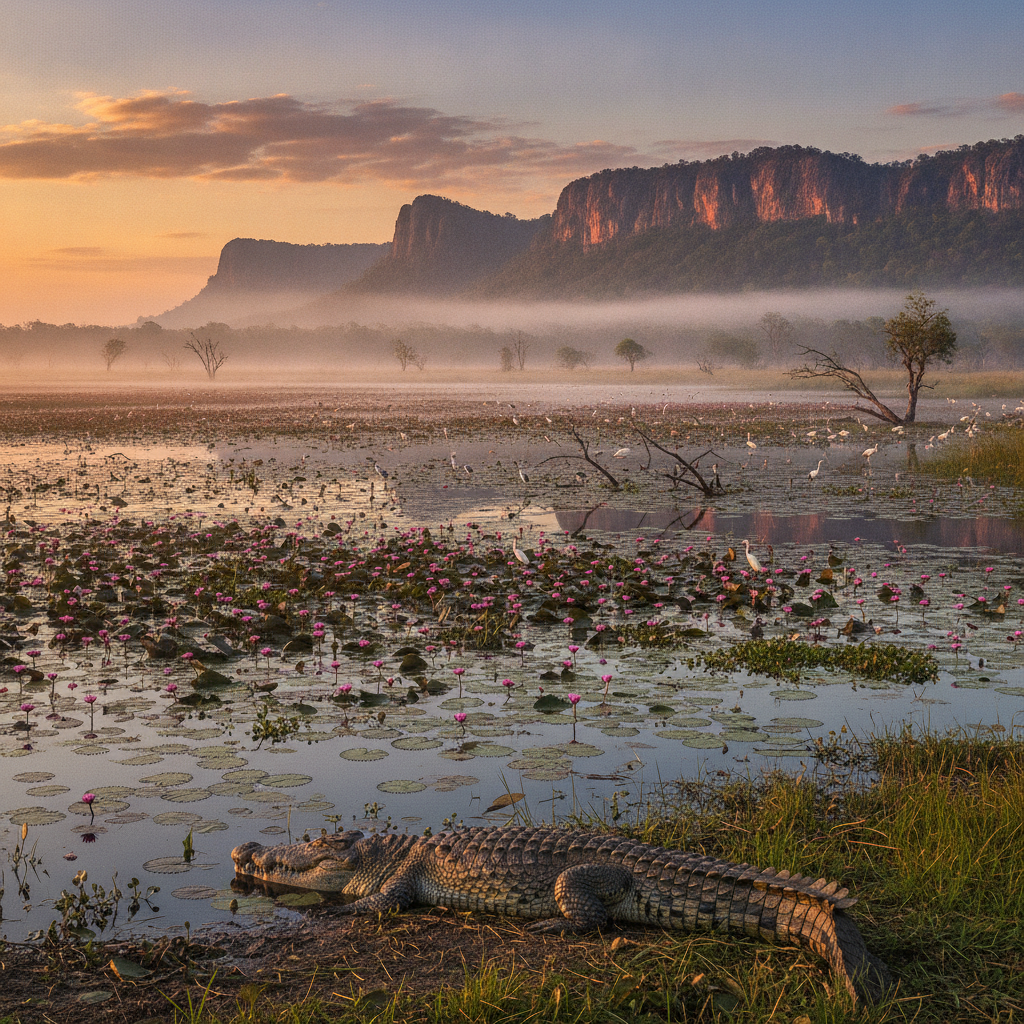
Cairns: Kakadu National Park and Yellow Water Billabong, Litchfield Swimming Holes, Darwin Tropical City, Coral Sea Liveaboard Diving and Osprey Reef, Great Barrier Reef Marine Conservation, Cairns Arts Scene, and Four-Route Complete Verdict