Calgary: The Wind That Raises Temperature 25 Degrees in One Hour, the Buffalo Jump Used for 5700 Years and the No-Tax Province That Explains Everything About Alberta Politics
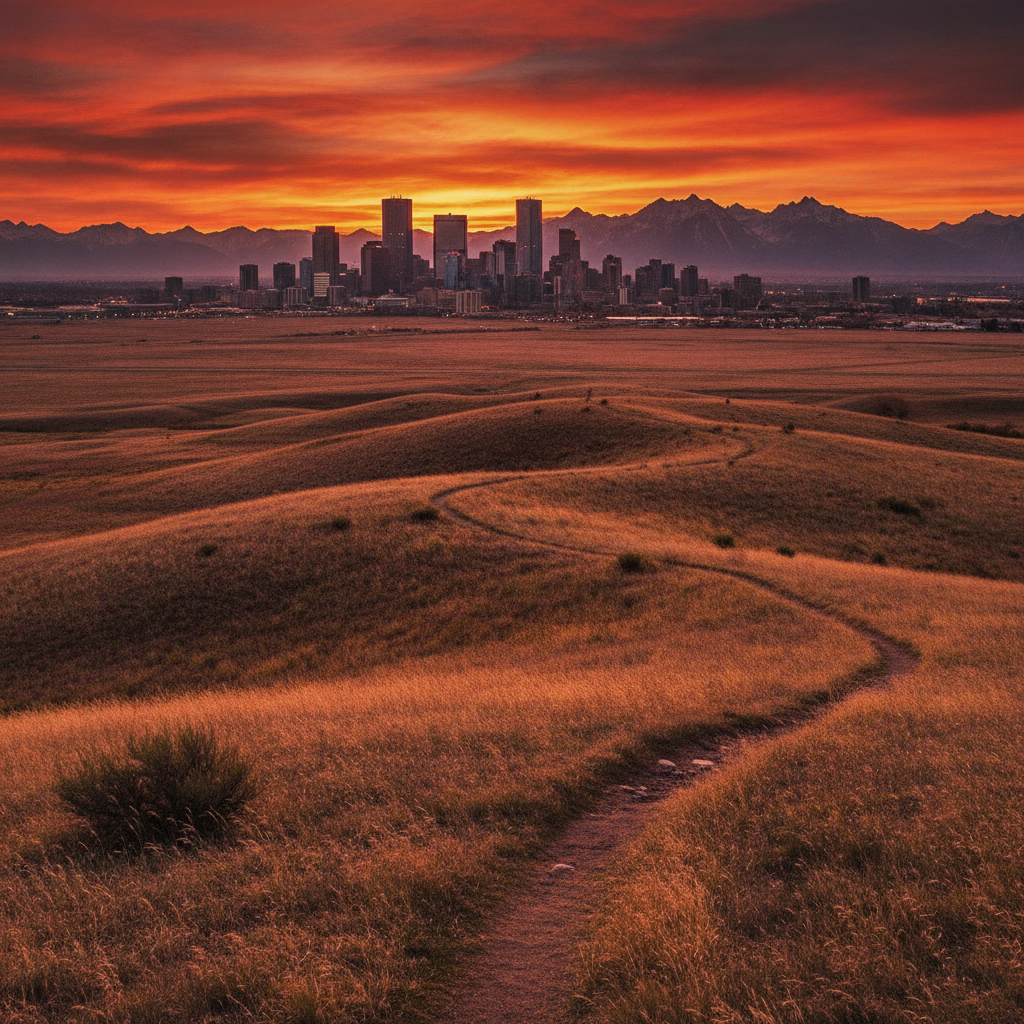
Wake up to minus 30 and by afternoon be in shirtsleeves when the chinook arch appears on the western horizon and warm mountain air descends from the Rockies in a single meteorological act that defines Calgary life, learn that the Blackfoot Confederacy signed Treaty 7 at Blackfoot Crossing in 1877 and then stand at the Head-Smashed-In Buffalo Jump where the same people drove bison off the same cliff for 5,700 years, attend a show at one of five Arts Commons venues in a cultural complex that oil money built in a city that did not want to be called a resource town, trace the sandstone heritage buildings of Stephen Avenue to a quarry in the Elbow River valley that supplied building material for an entire downtown, understand why Alberta has no provincial sales tax or provincial income tax and what that policy says about the relationship between oil wealth and political culture, and drive 90 minutes west to see the Rocky Mountain skyline that is visible from downtown Calgary on clear days because the same mountain air that creates the chinook also creates 333 sunny days a year.
- 1
Calgary Chinook Winds and Climate
Calgary has the most dramatic winter weather variation of any major Canadian city, driven by the chinook wind, a warm dry wind that descends from the Rocky Mountains and can raise temperatures by 20 to 30 degrees Celsius within hours, turning a minus 30 morning into a plus 10 afternoon and melting snow cover that returns within days. Chinooks occur on average 30 to 35 times per year in Calgary, giving the city significantly more mild winter days than cities at similar latitudes like Winnipeg or Saskatoon that lack the mountain influence. The chinook arch, a distinctive arc of cloud that appears on the western horizon as warm air descends from the mountains, is one of the most recognizable meteorological phenomena in Alberta and serves as a reliable indicator of an approaching chinook. The name chinook comes from the Chinook Nation of the Pacific Northwest, applied by traders to the warm winds because they associated the warmth with the direction from which the Chinook people traded. Calgary averages 333 sunny days per year, among the highest in Canada, because the mountain barrier intercepts precipitation and the descending air creates dry, clear conditions frequently. The combination of cold winters moderated by frequent chinooks and hot dry summers creates a semi-arid climate unusual for a Canadian city at 51 degrees north latitude.
- 2
Calgary Indigenous History Blackfoot Confederacy
Calgary sits within the traditional territory of the Blackfoot Confederacy, a powerful alliance of the Siksika, Kainai, and Piikani nations whose territory at its greatest extent covered a vast swath of the northern Great Plains from the North Saskatchewan River to the Missouri River. The Blackfoot were the dominant military and political force on the Canadian Plains before the near-extinction of the bison in the 1870s, which collapsed their food system and led to the treaties of 1877 under which the Blackfoot signed Treaty 7 at Blackfoot Crossing on the Bow River east of Calgary, ceding their traditional territory in exchange for reserve lands, annual payments, and other promises. The Blackfoot Crossing Historical Park on the Siksika Nation reserve 90 kilometres east of Calgary commemorates the Treaty 7 signing with an interpretive center designed by Siksika architects on the actual site of the ceremony. The Siksika, Tsuu Tina, and Stoney Nakoda Nations whose reserves adjoin the Calgary area maintain cultural centers and economic relationships with the city. The Head-Smashed-In Buffalo Jump World Heritage Site south of Calgary preserves a cliff used by Plains peoples for over 5,700 years to drive bison herds to their deaths, and is the most intact and best-documented buffalo jump site in the world.
- 3
Calgary Performing Arts and Culture
Calgary has developed a performing arts sector of unusual quality for a western Canadian city, driven by the oil wealth that funded major cultural facilities and organizations and by a civic ambition to be taken seriously as a cultural center rather than simply a resource town. Arts Commons, a complex of five performance venues in the downtown core completed in 1985, houses Theatre Calgary, the Calgary Philharmonic Orchestra, One Yellow Rabbit Performance Theatre, and several other companies. The Jubilee Auditorium, a provincially funded performing arts venue on the University of Calgary campus, presents Broadway touring productions and major visiting artists. The Epcor Centre for the Performing Arts is the formal name for Arts Commons. The Calgary International Film Festival, held annually in September, is one of the largest film festivals in western Canada. The National Music Centre in the East Village, opened in 2016 in a building designed by Allied Works Architecture that stacks interconnected pod structures to create a distinctive skyline presence, houses the Canadian Music Hall of Fame, the largest collection of instruments in the country, and interactive music making facilities open to the public. The East Village district east of downtown has been revitalized through cultural investment including the National Music Centre and the Central Public Library.
- 4
Calgary Beef Industry and Ranching History
Calgary was established as a North-West Mounted Police post in 1875 at the confluence of the Bow and Elbow rivers, grew rapidly as a cattle ranching centre after the arrival of the Canadian Pacific Railway in 1883, and was incorporated as a city in 1894. The cattle ranching industry of southern Alberta, which began in the 1880s when ranchers from eastern Canada and the United States brought longhorn and shorthorn cattle to the Foothills grasslands, made Calgary the beef capital of Canada and the institutional center of the Canadian cattle industry. The Calgary stockyards, in operation from 1903 to 1989, were for decades the largest stockyards in Canada and a major employer. The XL Foods meat packing plant in Brooks, Alberta, the largest beef processing facility in Canada, processes cattle whose production chain traces through the Calgary trade system. The Canadian beef industry is concentrated in Alberta because of the extensive foothills and prairie grasslands that feed cattle before they enter feedlot finishing. The ranching culture that created the Calgary Stampede persists in the foothills communities south and west of the city, where quarter horses, cattle operations, and rodeo traditions remain active parts of the rural economy.
- 5
TELUS Spark and Calgary Innovation
TELUS Spark, the Calgary science centre completed in 2011 on Saint Georges Drive in the Nose Creek valley east of downtown, is the most modern science centre in Canada, designed by Kasian Architecture with a curvilinear aluminum and glass shell over 160,000 square feet of interactive science exhibitions, digital dome theater, and outdoor science park. The centre reflects Calgary ambitions in technology and innovation beyond the petroleum sector. The University of Calgary, established in 1966 and growing to approximately 33,000 students, houses the Schulich School of Engineering, one of the largest engineering schools in Canada, and the Cumming School of Medicine, which manages clinical programs at Calgary hospitals. The Alberta Childrens Hospital, the Foothills Medical Centre, and the South Health Campus constitute a major medical cluster on the western edge of the city. Calgary has attracted technology companies in energy technology, agricultural technology, and financial technology drawn by the engineering talent base of the oil sector and by Alberta provincial tax advantages including no provincial sales tax and no provincial income tax, making Calgary a low-tax base for business operations by Canadian standards.
- 6
Calgary Stephen Avenue Walk
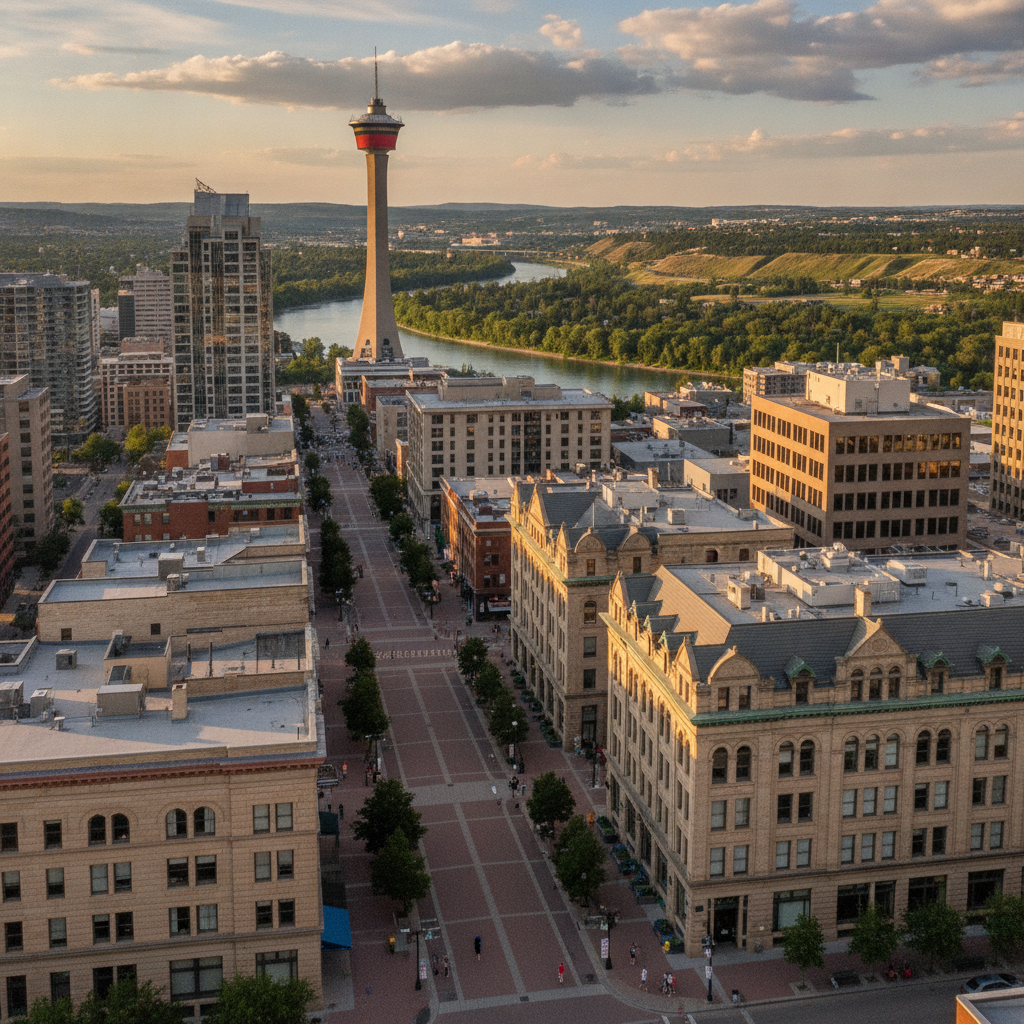
Stephen Avenue Walk, the 8-block pedestrian zone on 8th Avenue between Macleod Trail and 4th Street West in downtown Calgary, is the oldest commercial street in Calgary and the primary retail, restaurant, and entertainment street of the downtown core, with heritage sandstone buildings from the 1880s and 1890s housing contemporary restaurants and shops at street level below modern office towers. The sandstone used in the historic buildings along Stephen Avenue was quarried from the Elbow River valley, giving 19th-century Calgary a distinctive warm buff-colored commercial architecture. The Stephen Avenue Heritage Area contains the highest concentration of pre-1920 commercial architecture in Calgary. The Glenbow Museum adjacent to Stephen Avenue on 9th Avenue holds the largest collection of western Canadian history, Indigenous art, and natural history in the region. The Calgary Tower, completed in 1968 as the Husky Tower for the 1968 centennial of Alberta settlement, rises 190 metres above the downtown and has a glass floor observation deck and revolving restaurant at its summit. The city hall and Jack Singer Concert Hall adjoin the Stephen Avenue area and contribute to the civic presence of the downtown pedestrian zone.
Walk this route with audio
Stories play automatically as you reach each stop — no tapping needed.
More in Calgary
Calgary: The Stampede That Calls Itself the Greatest Outdoor Show on Earth, the Boom-Bust City Built on Beef and Oil and the Rockies 90 Minutes Away
Calgary: The Museum With the Most Dinosaur Skeletons on Earth 130 Kilometres Away, the National Energy Program That Alberta Still Calls Theft and the Elk You Meet Inside the Town of Banff
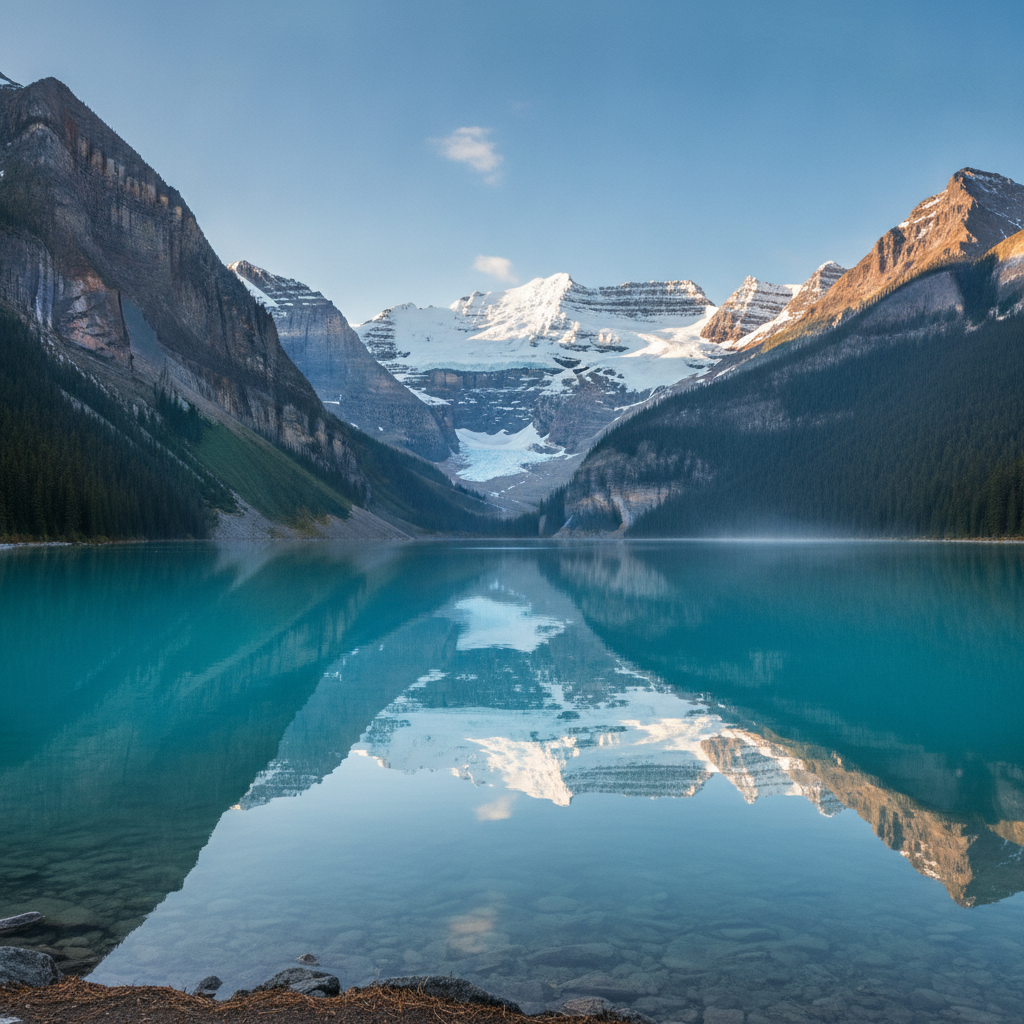
Calgary: The Saddle-Shaped Arena That Is a Structural Engineering Record, the Glacier Marked With Its Own Retreat in Decade Intervals and the Most Successful Franchise in Canadian Football History
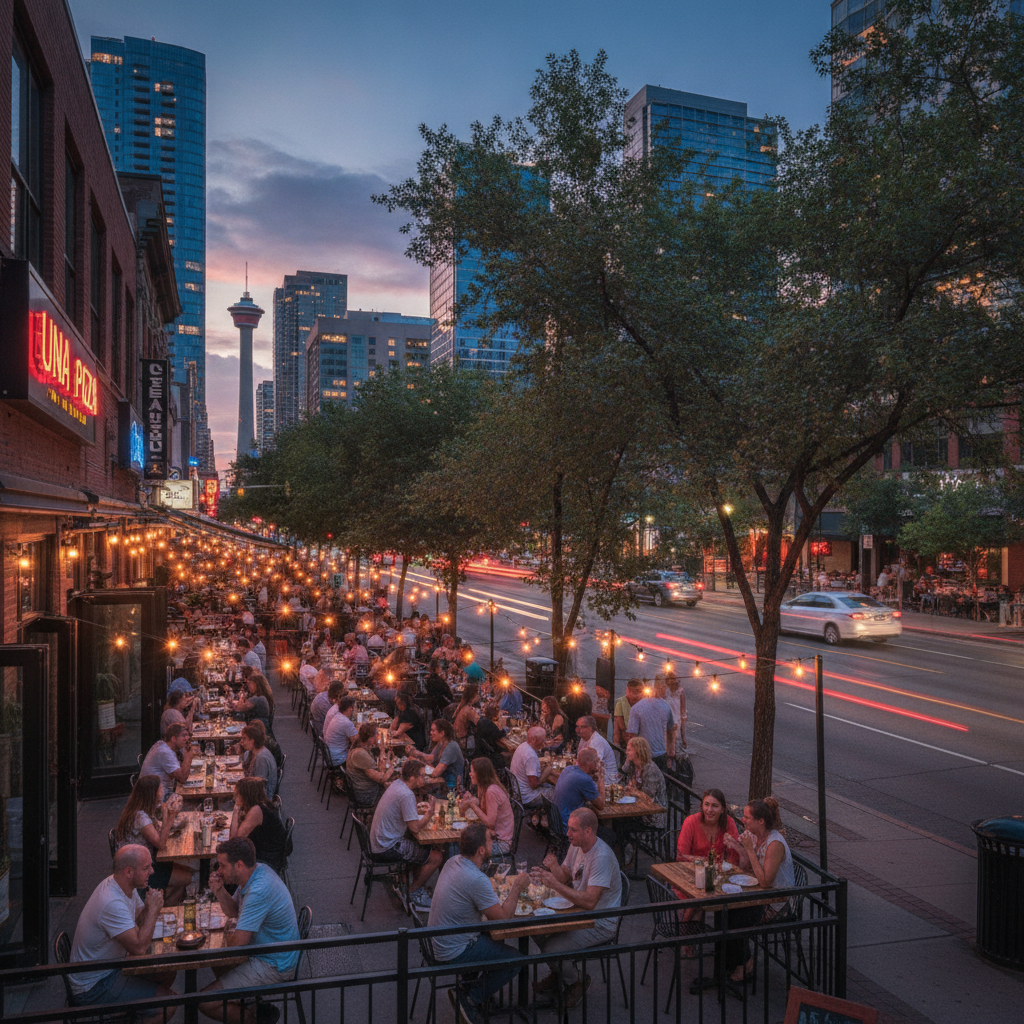
Calgary: The 2013 Flood That Filled the Hockey Arena to Row 4 and Was Followed by the Stampede Two Weeks Later, the Fastest Growing City in Canada and the Office Capital With More Space Per Person Than Anyone Else
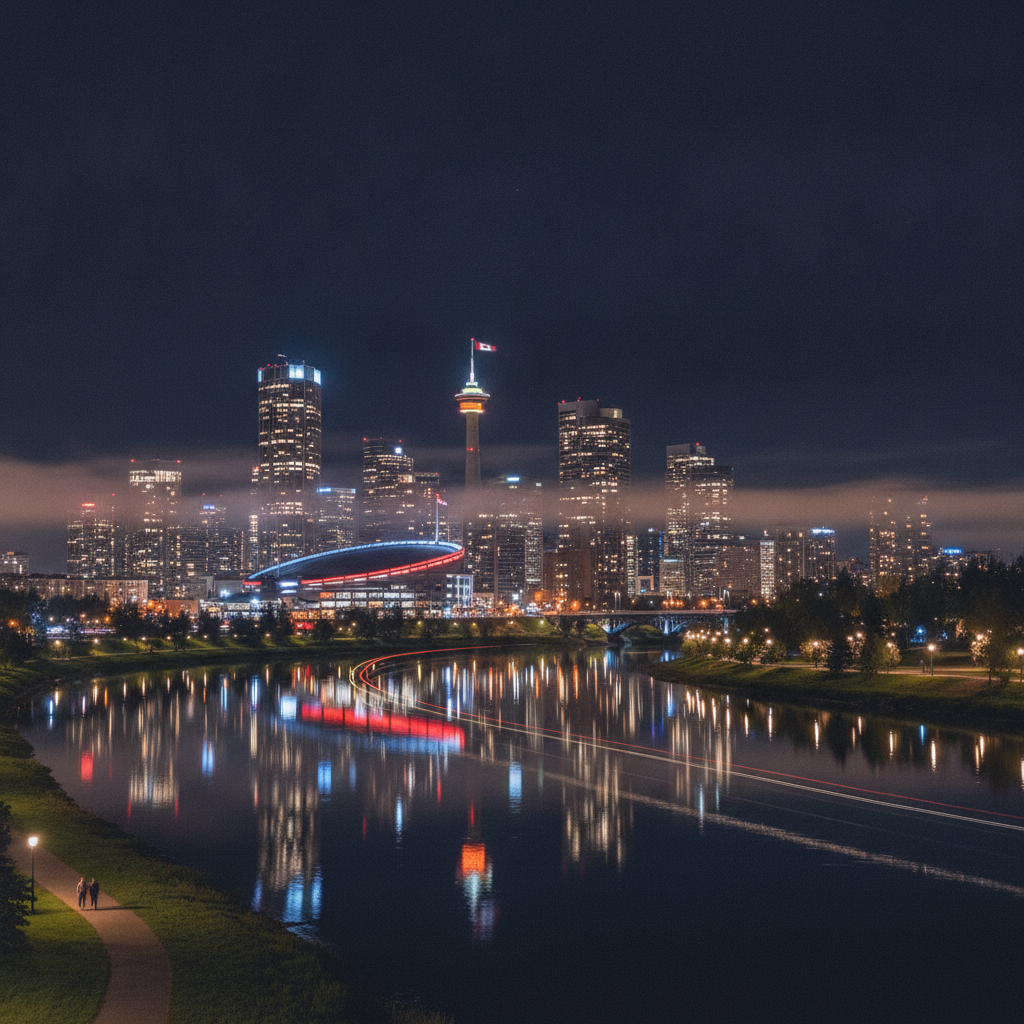
Calgary: The 110-Year-Old Indigenous Village at the Stampede That Is Simultaneously Cultural Celebration and Contested Display, the Wind-Powered Light Rail and the City Trying to Figure Out What Comes After Oil