Calgary: The Saddle-Shaped Arena That Is a Structural Engineering Record, the Glacier Marked With Its Own Retreat in Decade Intervals and the Most Successful Franchise in Canadian Football History
Drive 185 kilometres to the most photographed lake in Canada where the turquoise color comes from glacial flour suspended in meltwater and the glacier at the back of the valley has a row of dated markers showing where it was in each decade since 1900, see the complete Blackfoot material culture collection at the Glenbow Museum while it reopens in its new form after a renovation that should redefine what a western Canadian museum looks like, walk the Eau Claire riverfront to a Chinatown built by CPR workers barred from all other employment by legislation that excluded further Chinese immigration for 24 years after it passed in 1923, understand that the city whose entire identity is built on petroleum is simultaneously trying to figure out how to transition to renewable energy using the same geological infrastructure it drilled for oil, sit in the only saddle-shaped arena in professional sports where the roof is a structural record, and watch a bull rider last 8 seconds on an animal that was purpose-bred to make that impossible.
- 1
Lake Louise and the Icefields Parkway
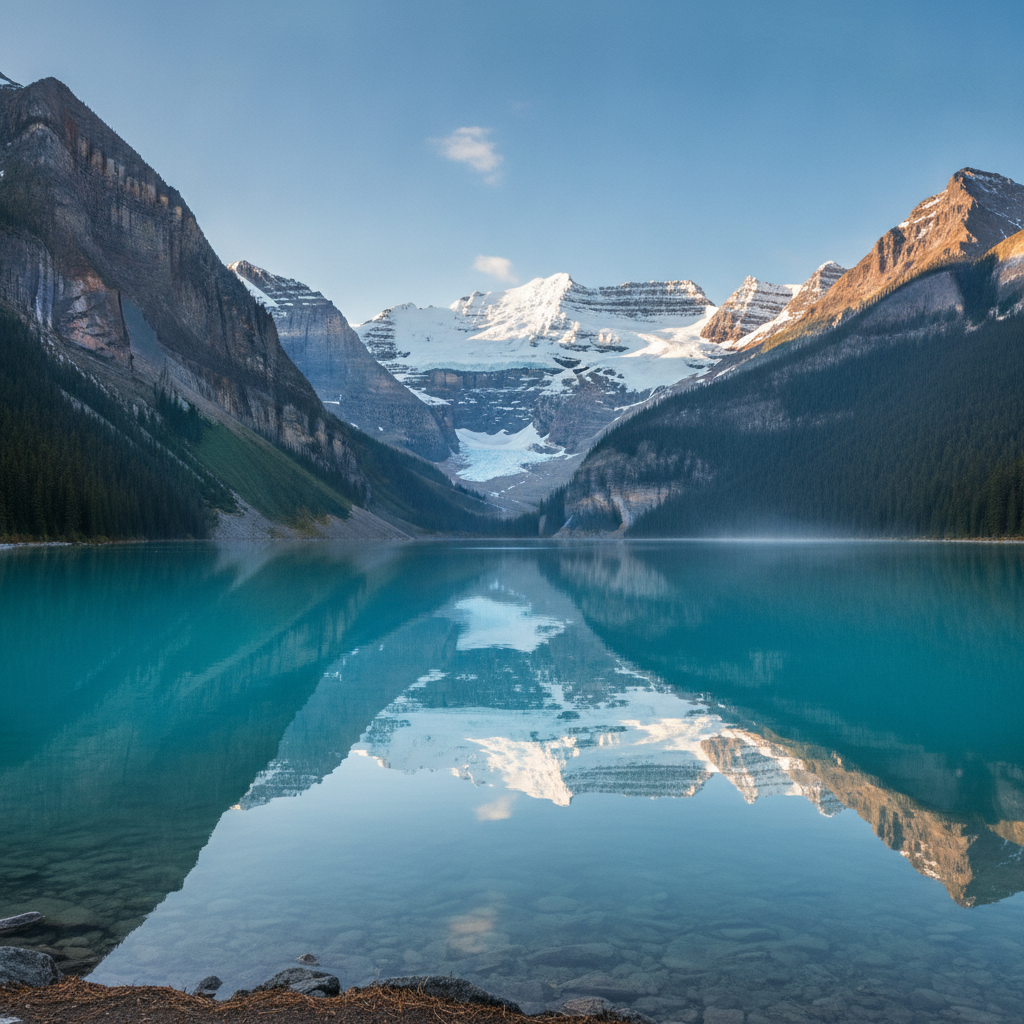
Lake Louise, 185 kilometres west of Calgary in Banff National Park, is the most photographed lake in Canada and one of the most photographed landscapes in the world, with its turquoise glacier-fed water, the Victoria Glacier at the head of the valley, and the Fairmont Chateau Lake Louise hotel reflected on the lake surface. The turquoise color results from rock flour, finely ground glacial sediment suspended in the meltwater. The Lake Louise ski area with 4,200 acres of terrain is the largest ski resort in Canada. The Icefields Parkway north from Lake Louise to Jasper, a 232-kilometre highway through high alpine terrain with a dozen major glaciers, five icefield complexes, and wildlife including moose, bear, caribou, and mountain goats visible along the roadside, is consistently ranked among the most spectacular drives in the world. The Athabasca Glacier at the Columbia Icefield, accessible by Brewster Ice Explorer bus from the Icefield Centre, allows visitors to walk on a glacier that receives roughly 7 metres of snowfall annually. The glacier has retreated more than 1.5 kilometres since 1900 and its recession is one of the most clearly documented climate change indicators in North America, visible in the dated markers along the access road showing the glacier terminus in each decade.
- 2
Calgary Glenbow Museum and Western Art
The Glenbow Museum, currently undergoing a major renovation and expected to reopen in 2025 in a reimagined format, holds the most significant collection of western Canadian history, First Nations art and material culture, and mineral and gemstone specimens in Canada, with over 1 million artifacts including the collection of Eric Harvey, an oil executive who donated his extensive collection of western Canadian historical material in the 1960s. The museum holds the most complete collection of Blackfoot material culture in the world, with clothing, weapons, ceremonial objects, and documentation of Blackfoot life before and after treaty. The painting collection includes major works by western Canadian artists including Paul Kane, who painted Indigenous life across the Canadian West in the 1840s and 1850s, and the artists of the Painters Eleven and the British Columbia abstraction movements. The Glenbow library and archives holds the most extensive collection of western Canadian documentary history. The Calgary Public Library system, anchored by the Central Library in East Village, has been a model of public library design and programming innovation since the building opened in 2018. The Nickle Galleries at the University of Calgary hold significant collections of coins and medals alongside contemporary art.
- 3
Calgary Eau Claire and Chinatown Walk
The Eau Claire district at the north edge of downtown Calgary, along the south bank of the Bow River west of Centre Street, takes its name from the Eau Claire and Bow River Lumber Company that operated a sawmill on the Bow River between 1886 and 1944, one of the major industrial enterprises of early Calgary that processed timber floated down the Bow River from mountain forests. The area is now a mixed-use district with a public market building, restaurants, residential towers, and Princes Island Park accessible by a pedestrian bridge over the river. The Calgary Chinatown on Centre Street North adjacent to Eau Claire, established by Chinese workers who completed the CPR in the 1880s and were then barred from most other employment by discriminatory provincial legislation, is a compact district of about four blocks with Chinese restaurants, grocery stores, and cultural organizations. The Chinese Exclusion Act of 1923, which prohibited Chinese immigration to Canada entirely until 1947, severely limited the growth of Calgary Chinatown and left a legacy of demographic skew in the Chinese-Canadian community. The Centre Street Bridge connecting downtown to the communities north of the Bow River is a 1916 reinforced concrete arch bridge with decorative lion sculptures on its approaches designated a Calgary heritage structure.
- 4
Calgary Sustainability and Green Transition
Calgary is undergoing a significant economic and environmental transition driven by the global shift away from fossil fuels and by the recognition within the city that the boom-bust oil cycle creates an unsustainable dependency. The City of Calgary has adopted a Climate Resilience Strategy targeting net-zero city operations by 2050. The Calgary Renewable Energy Program has installed solar panels on city facilities and supported residential solar adoption through a feed-in tariff program. The energy transition creates specific challenges for Calgary as the headquarters city of the Canadian petroleum industry: oil company employees and executives are beginning to manage the contraction of their industry while simultaneously representing its interests politically. The transition from petroleum engineering to renewable energy engineering, from drilling to hydrogen, from pipeline management to grid management, involves a massive retraining and redirecting of the technical workforce that Calgary oil companies built over 80 years. Alberta produces both the largest carbon emissions per capita in Canada and some of the most significant renewable energy resources in the form of wind in the south and solar across the province. The geothermal potential of the deep oil wells across Alberta has attracted growing research interest as a source of low-carbon heating energy using infrastructure already drilled.
- 5
Calgary Saddledome and Sports Venues
The Scotiabank Saddledome, the 19,289-seat arena completed in 1983 for the 1988 Calgary Winter Olympics and home to the Calgary Flames NHL team, is the most architecturally distinctive arena in North American professional sports, with its hyperbolic paraboloid cable-stay roof structure that creates the saddle shape visible on the Calgary skyline. The roof is the largest hyperbolic paraboloid structure in the world and was an engineering achievement at the time of construction. The arena has been proposed for replacement with a new arena in the Victoria Park area adjacent to Stampede Park since 2017, with negotiations between the city and the Flames organization ongoing. McMahon Stadium, home of the Calgary Stampeders CFL team, is a 35,000-seat outdoor football stadium in the University of Calgary area. The Calgary Stampeders have won the Grey Cup 9 times, more than any other CFL team, making them the most successful franchise in Canadian football history. The Foothills Athletic Complex and various community recreation centers constitute a public recreation infrastructure of high quality throughout the city. The WinSport Canada Olympic Park hosts public bobsled, ski jumping, and alpine skiing year-round as a legacy of the 1988 Olympics.
- 6
Calgary Stampede Rodeo Events
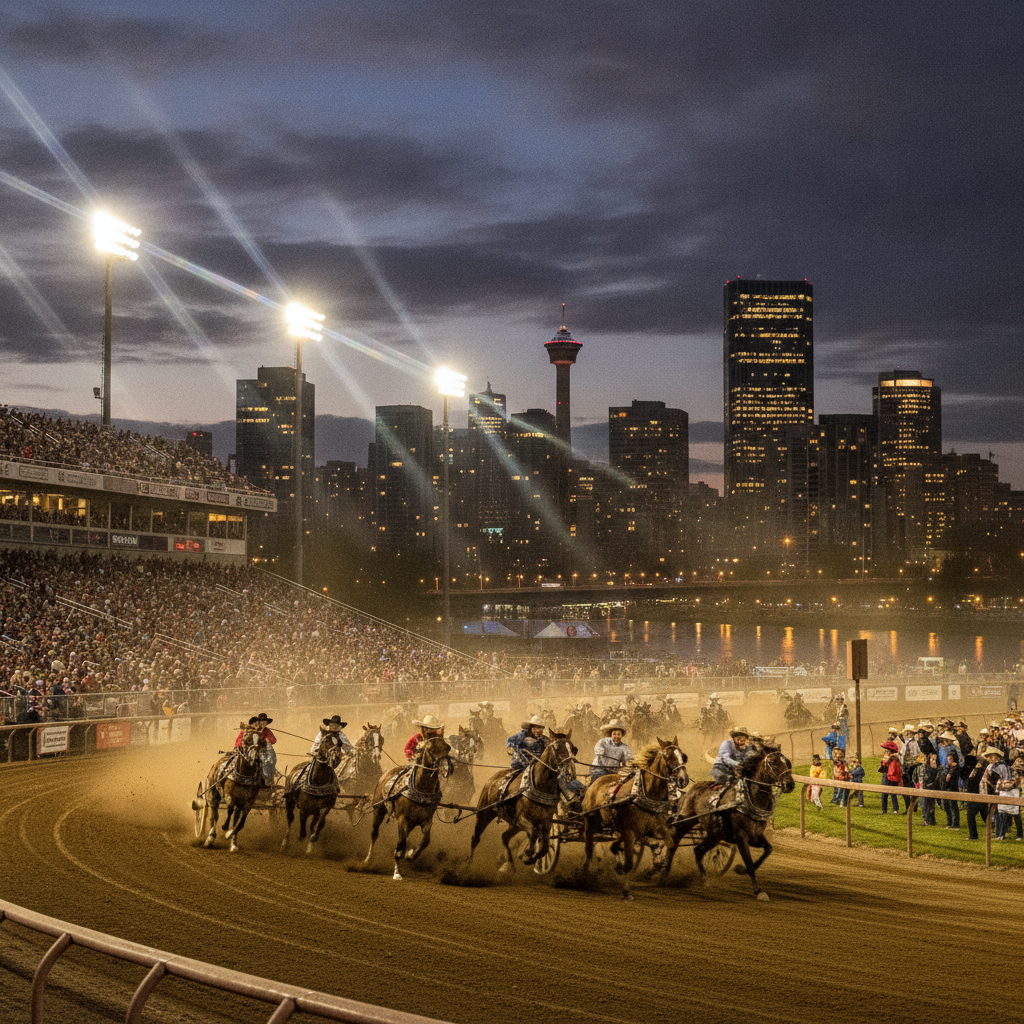
The Calgary Stampede rodeo competition, held in the Stampede Grandstand arena for the 10 days of the festival, presents world championship competitions in bareback bronc riding, saddle bronc riding, bull riding, steer wrestling, team roping, tie-down roping, and barrel racing, with total prize money exceeding 2 million dollars making it the richest rodeo in professional competition. Bull riding, in which a rider attempts to remain mounted on a bucking bull for 8 seconds, is the highest-profile and most dangerous rodeo event with serious injury occurring at most professional events and deaths occurring periodically. The bucking horses and bulls used in the Stampede rodeo are purpose-bred animals owned by stock contractors who supply competition animals to rodeos across North America, with the most successful bucking animals becoming as famous as the riders who attempt to ride them. The chuckwagon races, four horses per wagon racing in a figure-8 pattern then around the track, are unique to the Calgary Stampede and have been held since the first Stampede in 1912, representing the tradition of chuckwagon cook supply vehicles used on cattle drives. Animal welfare has been a persistent controversy at the Stampede, with deaths of horses in chuckwagon races generating protest from animal rights organizations and coverage that the Stampede organization manages through regulation and incident response protocols.
Walk this route with audio
Stories play automatically as you reach each stop — no tapping needed.
More in Calgary
Calgary: The Wind That Raises Temperature 25 Degrees in One Hour, the Buffalo Jump Used for 5700 Years and the No-Tax Province That Explains Everything About Alberta Politics
Calgary: The Stampede That Calls Itself the Greatest Outdoor Show on Earth, the Boom-Bust City Built on Beef and Oil and the Rockies 90 Minutes Away
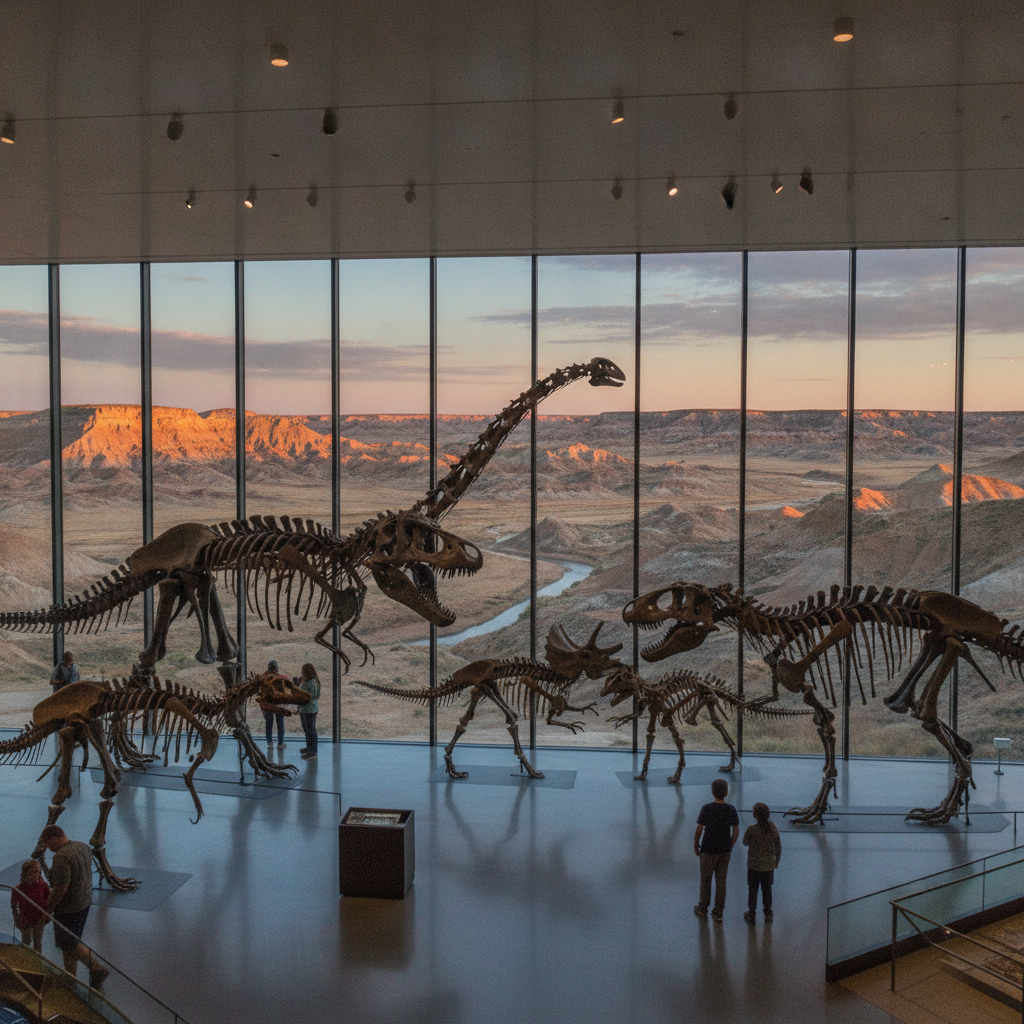
Calgary: The Museum With the Most Dinosaur Skeletons on Earth 130 Kilometres Away, the National Energy Program That Alberta Still Calls Theft and the Elk You Meet Inside the Town of Banff
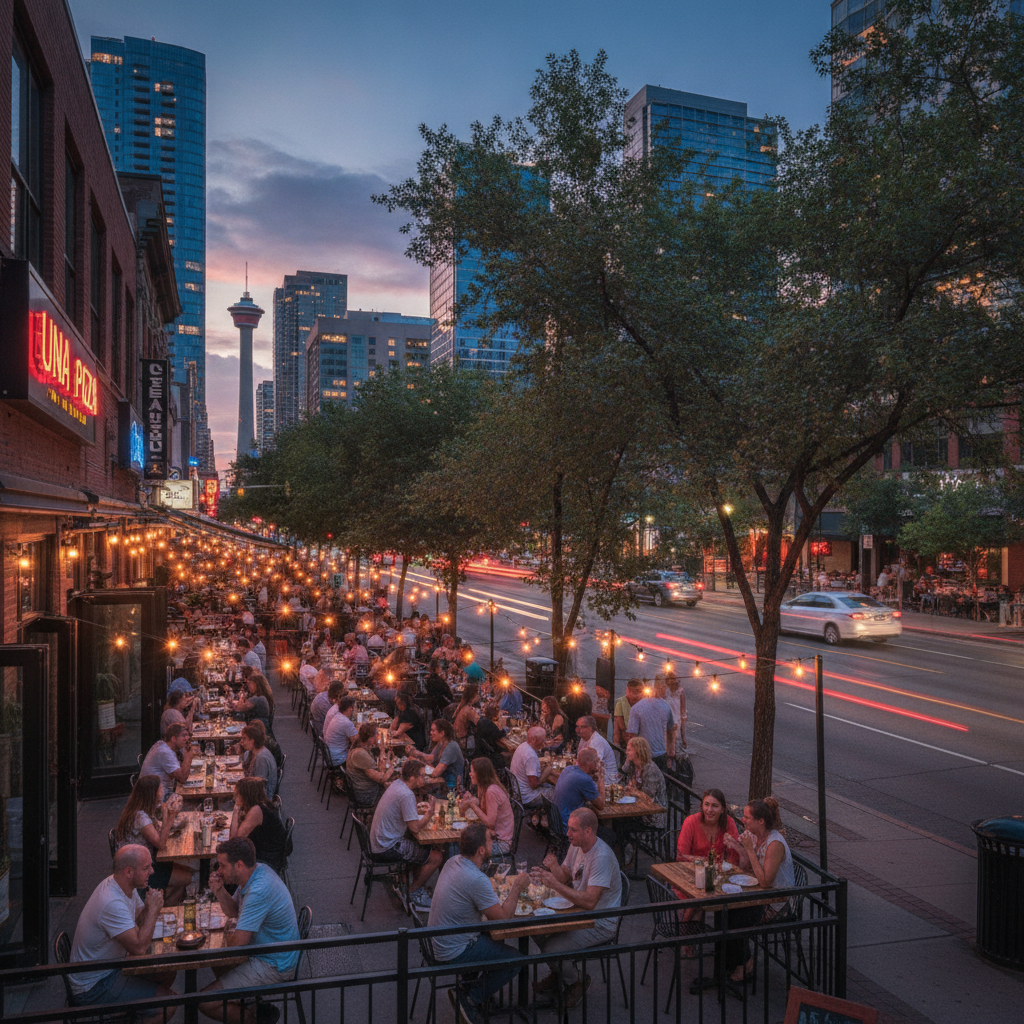
Calgary: The 2013 Flood That Filled the Hockey Arena to Row 4 and Was Followed by the Stampede Two Weeks Later, the Fastest Growing City in Canada and the Office Capital With More Space Per Person Than Anyone Else
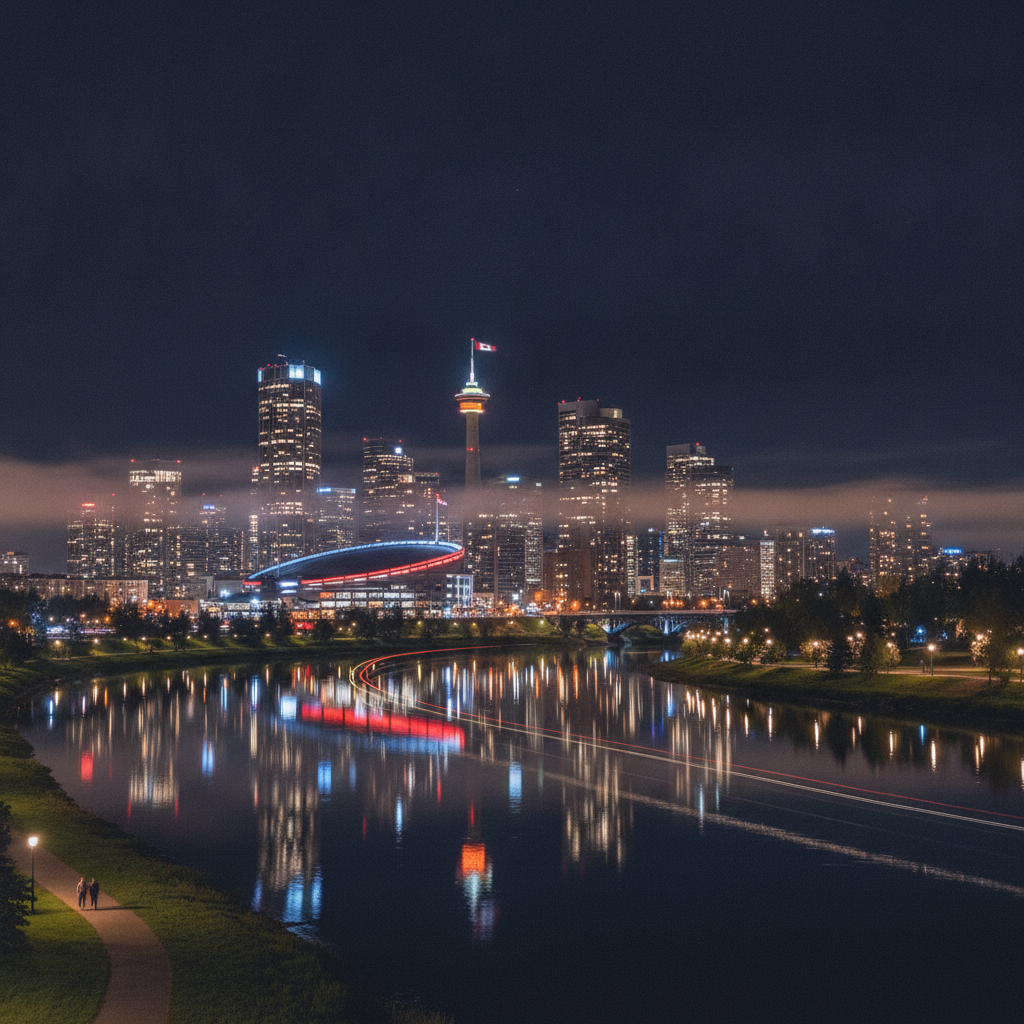
Calgary: The 110-Year-Old Indigenous Village at the Stampede That Is Simultaneously Cultural Celebration and Contested Display, the Wind-Powered Light Rail and the City Trying to Figure Out What Comes After Oil