Cali Afro-Colombian Culture: Music, Identity, and the Pacific Heritage
Cali is the Colombian city with the largest Afro-Colombian population in absolute numbers and one of the highest concentrations of African-descended people relative to total population of any major Colombian city. The Afro-Colombian communities of Cali and the surrounding Cauca Valley descend primarily from enslaved Africans brought to work the colonial sugar estates of the valley from the 16th century onward, with later arrivals from the Pacific coast communities of Buenaventura and the Choco department. The Afro-Colombian cultural heritage of the region is expressed in the Pacific coast musical traditions of marimba, currulao, and alabao, in the food traditions of the Pacific kitchen, in the religious syncretism of Pacific communities, and in the ongoing political mobilization for ethnic rights and territorial recognition that has made the Afro-Colombian movement one of the most politically significant minority rights movements in Latin America.
- 1
The Colombian Pacific Marimba: UNESCO Intangible Heritage
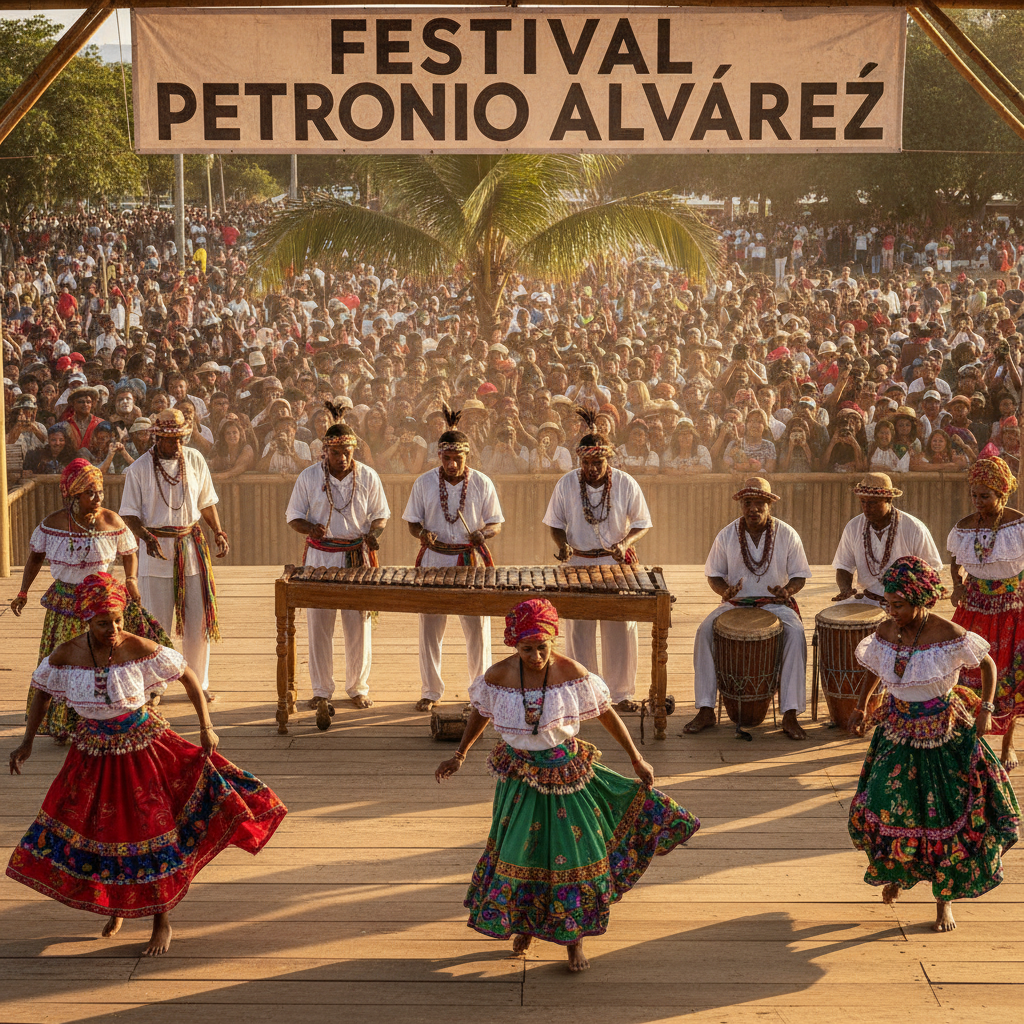
The marimba de chonta, the wooden-keyed percussion instrument of the Colombian and Ecuadorian Pacific coast, is the foundational instrument of the musical tradition of the Afro-Colombian Pacific communities and was inscribed in 2015 on the UNESCO Representative List of the Intangible Cultural Heritage of Humanity alongside the associated songs and ritual practices of the Colombian Pacific. The instrument, constructed from chonta palm wood keys suspended over bamboo resonators, produces a warm percussive tone that anchors the currulao musical genre alongside the cununos and bombos drums and the maracas shakers. The currulao, the principal musical and dance form of the Colombian Pacific, is danced in couples with intense hip movement and the woman using her skirt as a visual element; the music builds in intensity through the performance to a ritual climax. The marimba tradition in Cali is maintained by Afro-Colombian communities who have migrated from the Pacific coast and by cultural organizations dedicated to preserving the tradition in the urban context. The Festival Petronio Alvarez, held annually in Cali in August, is the most important gathering of Pacific coast Afro-Colombian music in Colombia and the primary venue for hearing authentic marimba, currulao, and chirimia in a festival context.
- 2
Festival Petronio Alvarez: Celebration of Pacific Music in Cali
The Festival de Musica del Pacifico Petronio Alvarez, named after the Afro-Colombian composer and guitarist Patricio Romano Alvarez who composed the most emblematic piece of Pacific coast music, is held annually in Cali in August and has grown since its founding in 1997 into one of the most important Afro-Colombian cultural events in the country, drawing performers from the entire Colombian Pacific coast and the Choco region alongside Afro-Colombian communities from Cali and across Colombia. The festival is explicitly organized as a space for the celebration and transmission of Pacific coast cultural traditions rather than as a commercial music event, with an emphasis on traditional instrumentation including the marimba, cununos, bombos, and guasas shakers. The food section of the festival is as important as the music, with Pacific coast preparations including encocado, tapao fish soup, and champús available from community stalls in what is one of the most complete presentations of Pacific coast cuisine available outside the coast itself. The festival draws hundreds of thousands of visitors over its five days, including international visitors specifically interested in Afro-Latin music traditions. The political dimension of the festival, as an assertion of Afro-Colombian cultural identity and visibility in a Colombian city that has often marginalized its African-descended population, is explicit in the festival organization's public statements.
- 3
Afro-Colombian Communities of the Aguablanca District
The Aguablanca District, the vast informal settlement on the flat eastern edge of Cali that grew primarily from rural-to-urban migration from the 1960s onward, is the largest concentration of Afro-Colombian population in Cali and one of the largest Afro-Colombian urban communities in Colombia. The district was built on poorly drained land subject to flooding near the Cauca River, and its development as an informal settlement reflected both the economic marginalization of Afro-Colombian migrants and the inadequacy of the formal urban planning response to rapid population growth. The Aguablanca communities have strong Pacific coast cultural ties maintained through community organizations, churches, and the Petronio Alvarez festival participation that brings Pacific coast cultural practitioners to Cali annually. The district has also been associated with gang violence and economic exclusion that are inseparable from the structural racism that has concentrated disadvantage in Afro-Colombian communities throughout Colombia. Community-based organizations in Aguablanca have developed cultural programs, youth sports initiatives, and economic development projects that work against these conditions; the Casa Cultural El Chontaduro is among the most recognized Afro-Colombian cultural organizations in the district.
- 4
Alabaos and Sacred Music: The Funeral Songs of the Pacific
The alabaos, unaccompanied group vocal chants performed during the nine-day mourning period following a death in Pacific coast Afro-Colombian communities, are among the most musically powerful and culturally significant expressions of the Colombian Pacific heritage. The alabaos are led by specialist singers called cantaoras who carry the repertoire of verses and lead the community in response; the chants combine Catholic content with African-derived musical structures including call-and-response patterns, pentatonic melodic elements, and communal participation that differs fundamentally from European Catholic liturgical music. The chigualo, a specific form of alabao performed when a child dies, treats the death of an unbaptized infant as a reason for celebration because the child goes directly to heaven, and involves music, games, and dancing alongside the ritual chanting. The gualí is a similar ritual for baptized children. These practices, which were condemned by the Catholic church during the colonial period and suppressed through much of the 20th century, have been revitalized through cultural rights activism and the UNESCO recognition of the marimba and associated traditions. In Cali, the alabao tradition is maintained by Pacific coast migrant communities and is performed at community events and the Petronio Alvarez festival.
- 5
Ethnic Rights and Afro-Colombian Political Organizing
The 1991 Colombian Constitution, which replaced the 1886 constitution that had governed Colombia for over a century, included for the first time explicit recognition of the multiethnic and multicultural character of the Colombian nation and provisions for the rights of Afro-Colombian communities. The subsequent Law 70 of 1993, known as the Law of Black Communities, established a framework for the collective territorial rights of Afro-Colombian communities on the Pacific coast, the right to intercultural education in Afro-Colombian languages, and protections for cultural and economic practices. The implementation of Law 70 has been uneven, with the territorial rights provisions generating ongoing conflicts with extractive industry and agribusiness interests that seek access to Pacific coast territories. The political organization Process of Black Communities, known by the Spanish acronym PCN, has been among the most politically sophisticated Afro-Colombian advocacy organizations, connecting local territorial struggles with international human rights frameworks and maintaining a consistent analysis of the connections between racism, economic exclusion, and political violence in Afro-Colombian communities. The human rights situation of Afro-Colombian communities in Buenaventura and the Pacific coast, where violence from armed groups competing for territorial control has produced massive displacement, is a continuing crisis documented by Colombian and international human rights organizations.
- 6
Cali's African Diaspora Cultural Legacy in Urban Space
The African diaspora cultural heritage of Cali is expressed not only in music and ritual but in the physical and social geography of the city, in the food traditions of the Galería Alameda market vendors, in the hair braiding and cosmetics businesses of the commercial streets, in the religious practices of the Pacific community churches, and in the athletic achievements that have made Cali a disproportionate producer of elite Colombian track and field athletes. Cali's dominance in Colombian and international athletics, particularly in sprint and middle-distance running, is widely attributed to the concentration of athletic talent in the Afro-Colombian communities of the city; Cali hosted the 1971 Pan American Games and the World Athletics Championships in 2022, and the Pascual Guerrero stadium has been the center of Colombian athletics development. The relationship between African-descended communities and the broader Caleño salsa culture is complex: the salsa music and dance that defines Cali's international identity has deep roots in the African musical heritage, though the commercial salsa scene of salsotecas and tourism has often been economically controlled by non-Afro-Colombian entrepreneurs while Afro-Colombian musicians and dancers provided much of the creative foundation. The tension between cultural contribution and economic marginalization is a persistent theme in the relationship between the Afro-Colombian community and the Cali city identity it has shaped.
Walk this route with audio
Stories play automatically as you reach each stop — no tapping needed.
More in Cali
Cali History: Colonial Foundation, Independence, and the Cauca Valley Economy
Cali: The Salsa Capital of the World and the Cauca Valley City
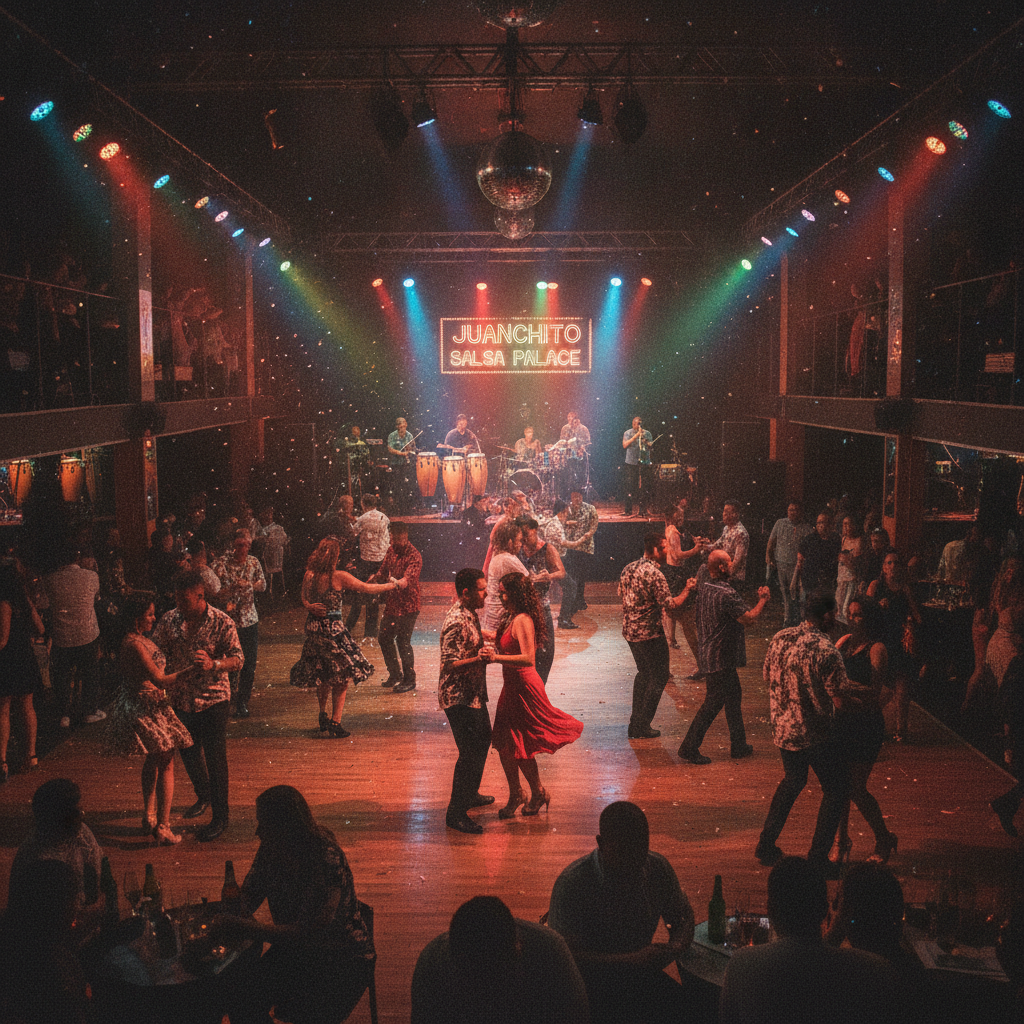
Cali Nightlife and the Salsoteca Culture: Dancing Until Dawn
Cali Practical Guide: Getting There, Neighborhoods, Safety, and the Colombia Southwest
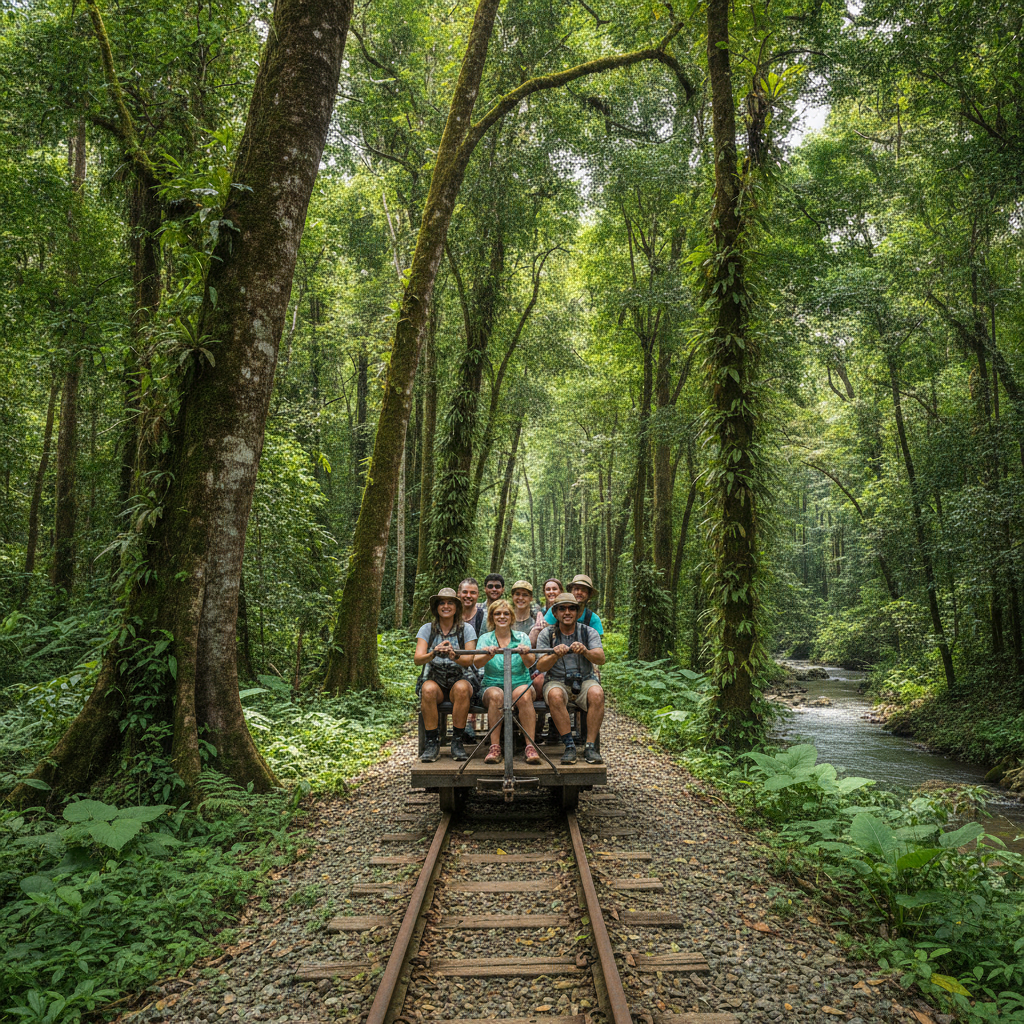
Cali Day Trips: Buenaventura, San Cipriano, Farallones, and the Coffee Towns