Cali Practical Guide: Getting There, Neighborhoods, Safety, and the Colombia Southwest
Cali is served by the Alfonso Bonilla Aragon International Airport with direct flights to Bogota, Medellin, and several international destinations including Miami and Madrid. The city is more compact than Medellin and the primary visitor neighborhoods of Granada and San Antonio are connected by efficient local transport. Safety has improved substantially from the cartel period but requires the standard urban awareness that applies in any major Colombian city. Cali serves as the natural base for exploring the Colombian southwest including Popayan, the Choco Pacific coast, and the coffee region to the north.
- 1
Alfonso Bonilla Aragon Airport: Cali Connections
The Alfonso Bonilla Aragon International Airport, located in Palmira approximately 20 kilometers northeast of the Cali city center, handles direct international flights to Miami on American Airlines and Avianca, to Madrid on Iberia and Avianca, and to several other destinations including Panama City on Copa and New York. Domestic connections from Cali cover all major Colombian cities including Bogota in approximately 45 minutes, Medellin in 40 minutes, Barranquilla, Cartagena, and San Andres island. The airport taxi fare to the city center is fixed at approximately 60,000 to 80,000 Colombian pesos; ride-hailing apps are available and typically cheaper for the same journey. The road from the airport to the city crosses the Cauca River flood plain and the sugar fields, giving arriving visitors an immediate impression of the flat agricultural valley that defines the Cali geography. Colombian domestic airlines including Avianca, LATAM Colombia, Wingo, and Ultra Air operate competitive fares on the Cali routes; booking two to four weeks in advance typically yields the best domestic pricing. The airport is at approximately 1,000 meters altitude, essentially the same elevation as the city center, so there are no altitude-related arrival complications unlike Bogota or La Paz.
- 2
Cali Neighborhoods: Where to Stay and Explore
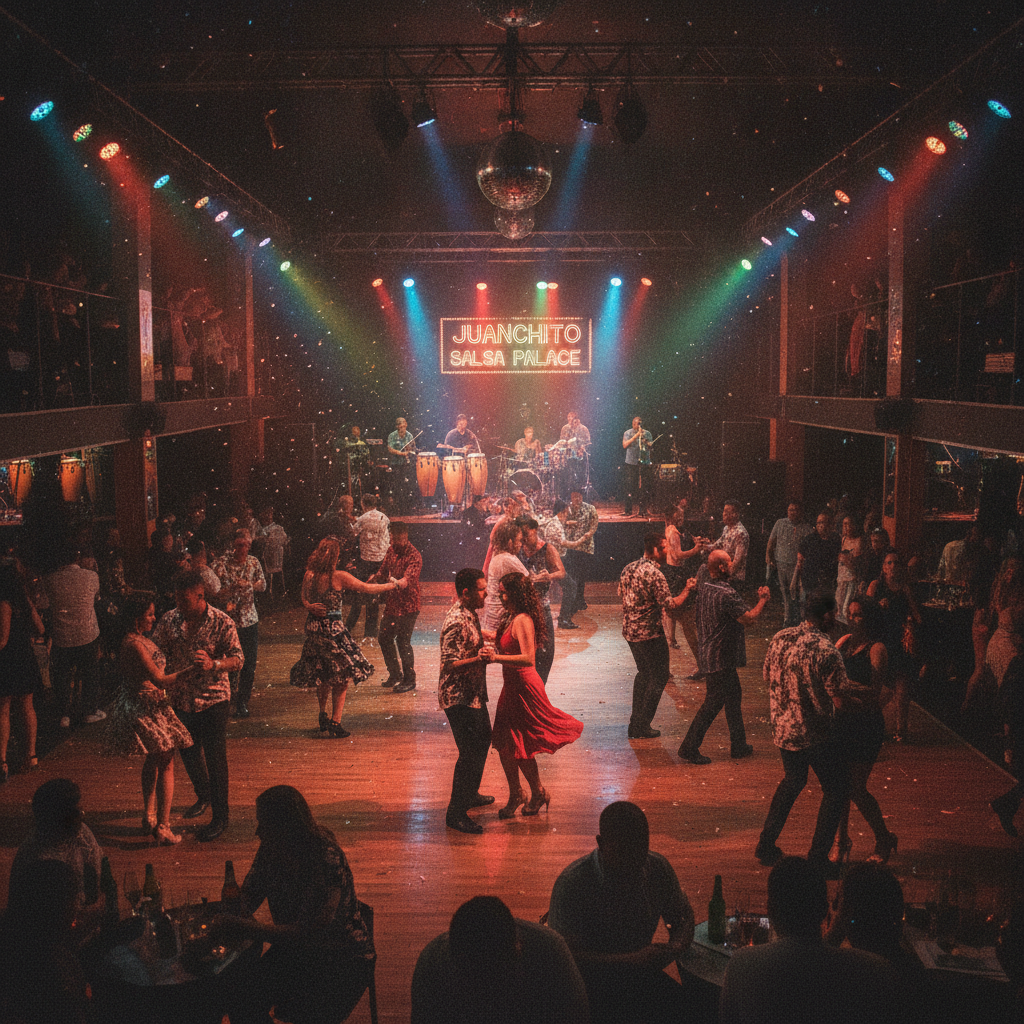
The primary visitor neighborhoods of Cali are organized around a more compact geography than Medellin, making the city navigable on foot for more of its attractions than a comparable Colombian city. The Barrio Granada in the north and the San Antonio and El Peñón areas in the center-west are the main bases for international visitors, offering concentrations of accommodation, restaurants, and the primary visitor infrastructure. San Antonio, the historic hillside neighborhood with colonial architecture, is the most atmospheric and visually distinctive area of the city and the location of most of the city's independent cultural businesses. The area around the Universidad del Valle in the south and the Ciudad Universitaria is the primary student neighborhood with cheaper food and informal social life. The Chipichape and Unicentro shopping centers in the north of the city are the primary commercial and middle-class leisure zones for Caleños. Juanchito, the salsa salsoteca zone east of the city on the Cauca River, is not an accommodation area but requires a taxi or rideshare of approximately 20 to 30 minutes from Granada. The flat topography of central Cali makes cycling a practical option for navigating between neighborhoods on non-holiday weekdays; the Ciclovía car-free road events on Sundays close major avenues to vehicles.
- 3
Getting Around Cali: MIO, Taxis, and the Flat City
The MIO, the Masivo Integrado de Occidente bus rapid transit system opened in 2009, operates along dedicated bus lanes on the major Cali avenues with 27 routes covering most of the city including the main visitor neighborhoods. The system uses a prepaid card for boarding; single journeys cost significantly less than taxis and the routes map covers more of the city than most visitors realize. Taxis are abundant in Cali and should be called through Tappsi or InDriver apps rather than hailed on the street, particularly at night, for safety reasons. The flat topography of central Cali, unusual among major Colombian cities, makes cycling practical throughout the day; several bike rental operations and a municipal bike share exist in the main neighborhoods. Walking is viable between Granada, San Antonio, and the historic center during daylight hours on the main streets. The Juanchito salsoteca zone and Buenaventura are the primary destinations requiring longer vehicle journeys; both are typically reached by taxi or organized transport from the city center. Night transport between neighborhoods by app-called taxi is standard and safe as long as the vehicle matches the app registration.
- 4
Cali Safety: Current Conditions and Visitor Guidance
Cali's safety situation has parallels to Medellin's trajectory: dramatic improvement from the cartel peak period of the 1990s, continuing gang-related violence at a reduced level in specific neighborhoods, and visitor-specific risks concentrated in particular situations. The homicide rate in Cali remains above most comparable Latin American cities despite the improvement from the 1990s peak, and certain neighborhoods including parts of Aguablanca and the eastern periphery carry genuine risk for visitors who stray from established visitor areas. The primary risks for visitors in tourist areas are phone theft, pickpocketing in crowded market areas, and the drink-spiking crimes more common in El Poblado in Medellin but present in Cali nightlife venues as well. Standard precautions include not displaying expensive phones and cameras in crowded streets, using app-called taxis at all hours, not accepting drinks from strangers in salsotecas, and checking current conditions with accommodation staff on arrival. The Feria de Cali period from December 25 to 30 concentrates visitor numbers and requires additional awareness as crowds provide better cover for opportunistic crime. The Colombian police presence in the main visitor areas of Granada and San Antonio is reasonably visible and the general atmosphere in these neighborhoods during the day is relaxed.
- 5
The Colombian Southwest: Cali as a Base
The Colombian southwest, the region extending from the Cauca Valley south through the Cauca and Nariño departments to the Ecuadorian border, is one of the most diverse and least-visited regions of Colombia, accessible from Cali by road and offering experiences from the colonial city of Popayan through the volcanic landscape of the Nariño paramos to the border town of Ipiales and the Las Lajas sanctuary. Las Lajas, a Gothic revival church built into the gorge of the Guaitara River near Ipiales on the Ecuador border, is one of the most dramatically sited religious buildings in the world and a major pilgrimage destination. The drive from Cali to Ipiales via Popayan covers approximately 600 kilometers through changing Andean landscapes of cloud forest, paramo, and volcanic peaks including the Galeras volcano above Pasto. The coffee region to the north of Cali, centered on Armenia and Salento in Quindio, is a 3-hour drive and represents the southern end of the Eje Cafetero. The Pacific coast from Buenaventura south to Tumaco is the least-visited section of the Colombian coastline, with access difficulties that have preserved both the biological richness and the isolation of the communities; travelers venturing into this region should research current security conditions carefully as the Pacific coast has been an active conflict zone.
- 6
Planning a Cali Visit: When to Go, What to Prioritize
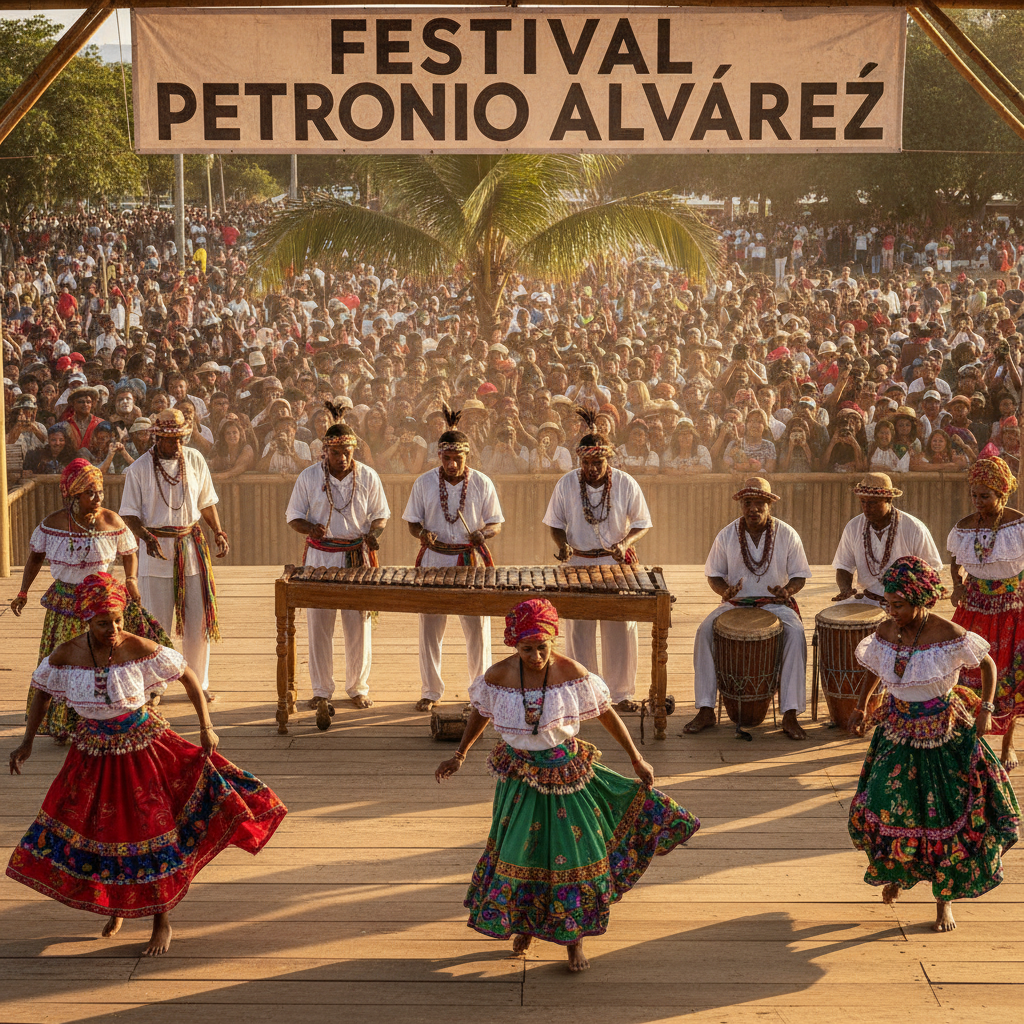
The ideal visit to Cali involves matching the timing to the Feria de Cali in late December if the festival experience is the priority, or to the Petronio Alvarez festival in August for the Afro-Colombian music focus; outside these periods the city is relaxed and less crowded but the nightlife and salsa culture continue throughout the year. The warm year-round climate makes Cali comfortable at any season without the altitude and temperature variability of Bogota or Medellin; the rainy seasons in April and October bring afternoon showers that clear quickly. A minimum three-day visit allows the historic center and San Antonio, the Granada restaurant and nightlife scene, one Juanchito salsoteca evening, and the Cali Zoo; five to seven days allows Guatape as a day trip, a Pacific coast excursion, and a more thorough exploration of the salsa school scene. The visitor who combines Cali with Bogota and Cartagena has the standard Colombia triangle; adding Medellin and the coffee region completes a comprehensive Colombia circuit. Budget travelers will find Cali among the most affordable major cities in Colombia for accommodation and food; the salsa school fees and occasional salsoteca covers represent the primary discretionary expenses beyond the standard hostel and street food budget.
Walk this route with audio
Stories play automatically as you reach each stop — no tapping needed.
More in Cali
Cali History: Colonial Foundation, Independence, and the Cauca Valley Economy
Cali Afro-Colombian Culture: Music, Identity, and the Pacific Heritage
Cali: The Salsa Capital of the World and the Cauca Valley City
Cali Nightlife and the Salsoteca Culture: Dancing Until Dawn
Cali Day Trips: Buenaventura, San Cipriano, Farallones, and the Coffee Towns