Cappadocia Essential: Hot Air Balloon at Sunrise over Goreme, Fairy Chimneys, Underground City of Derinkuyu, Cave Church Frescoes, Uchisar Castle Rock Fortress, and the Volcanic Landscape Origins
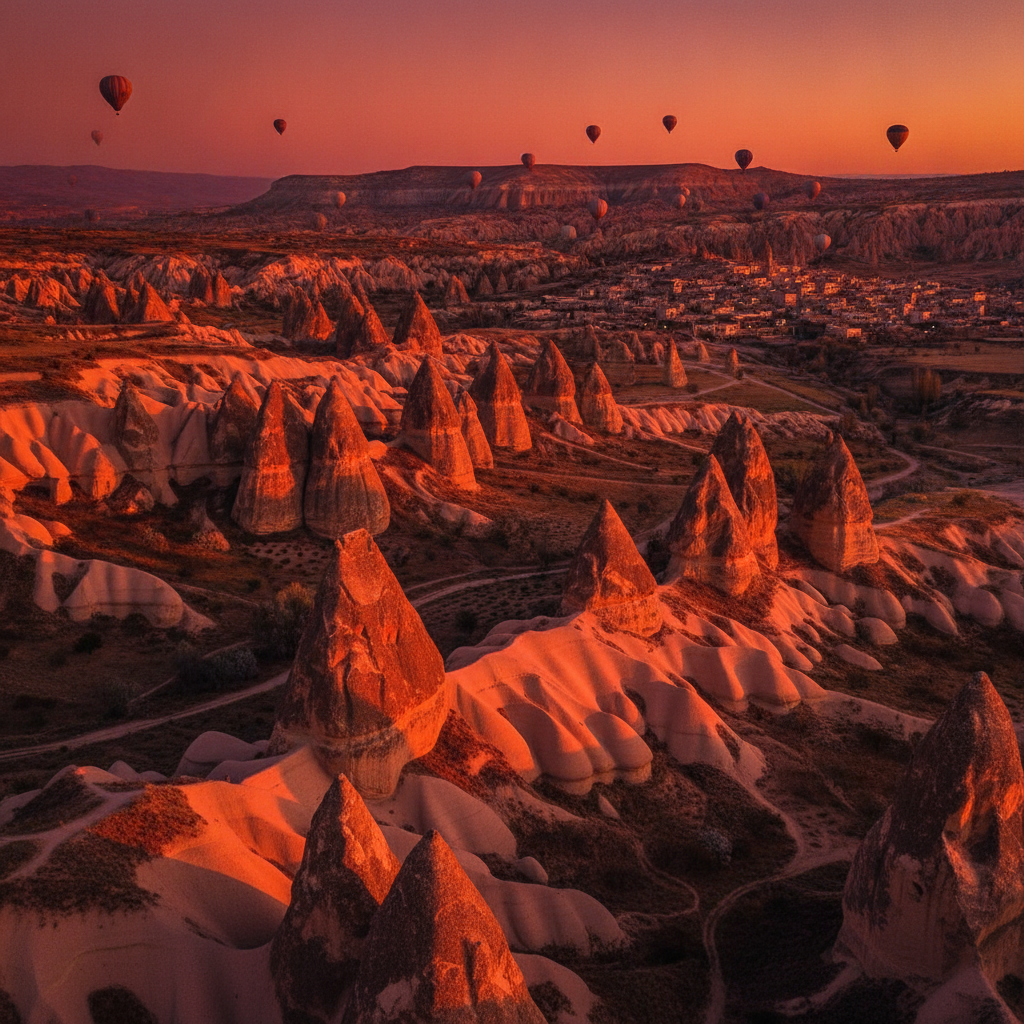
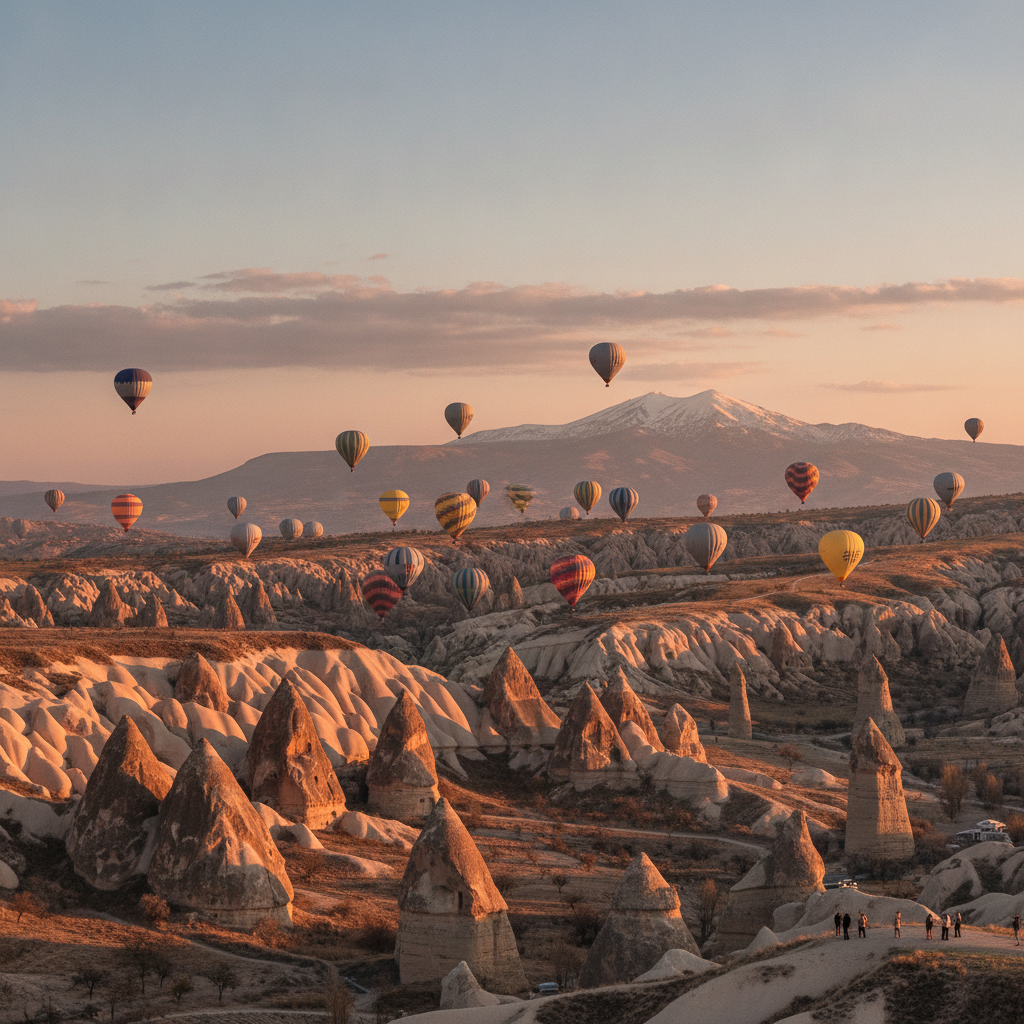
The Cappadocia essential circuit covers the sunrise hot air balloon flight over the Goreme valley, the fairy chimney rock formations, the underground city of Derinkuyu with its 18 levels, the Byzantine cave church frescoes of the Goreme Open Air Museum, the Uchisar castle rock fortress, and the volcanic origins of the extraordinary landscape.
- 1
Hot Air Balloon: The Cappadocia Sunrise Classic
The hot air balloon flight over Cappadocia at sunrise, when the morning calm before the thermal winds allows the balloons to fly low between the fairy chimneys and through the valleys of the Goreme landscape, is the single most iconic travel experience in Turkey and the one that most completely captures the otherworldly quality of the Cappadocian landscape from the aerial perspective that the ground circuit cannot provide. The 1 to 1.5-hour flight, departing in the 45 minutes before sunrise and reaching the maximum altitude at the moment of sunrise, is the most photographically productive 90 minutes in the Cappadocia visit.
- 2
Fairy Chimneys: The Volcanic Tuff Formations
The fairy chimneys of Cappadocia, the conical rock formations of volcanic tuff capped with harder andesite or basalt that protected the softer column beneath from erosion while the surrounding landscape was stripped away over millions of years, are the most extraordinary natural rock formations in Turkey and the geological feature that defines the Cappadocia visual identity in the world travel imagination. The best fairy chimney groupings are in the Urgup area and the Pasabag monks valley where the mushroom-form chimneys with the double and triple caps represent the most photogenic geological specimens.
- 3
Derinkuyu Underground City: 18 Levels Deep
Derinkuyu, the largest of the 36 underground cities discovered in Cappadocia and the one accessible to the greatest depth, was carved from the volcanic tuff by the early Christian communities beginning in the Byzantine period and possibly earlier, reaching 18 levels to a depth of 85 meters and containing the residences, the stables, the kitchens, the storage rooms, the churches, and the wine presses of a community of approximately 20,000 people who could live entirely underground for extended periods to escape the Arab raids of the 7th and 8th centuries.
- 4
Goreme Open Air Museum: The Byzantine Cave Churches
The Goreme Open Air Museum, the UNESCO World Heritage site containing the most concentrated collection of Byzantine cave churches with intact fresco programs in Turkey, preserves the painted interiors of the Tokali Church, the Dark Church, the Snake Church, and the Buckle Church with the 10th to 12th century Byzantine iconographic programs that represent the most complete surviving picture of Byzantine provincial religious art outside Constantinople. The Dark Church frescoes, the best preserved in the museum because the lack of daylight protected them from light damage, are the finest single Byzantine fresco ensemble accessible to the public visitor.
- 5
Uchisar Castle: The Highest Natural Rock Fortress
Uchisar, the most prominent of the Cappadocian tuff pinnacles at 1,350 meters elevation, was carved into a multi-story fortress by successive inhabitants from the Byzantine period and provides the most complete aerial view of the Cappadocia landscape from the castle summit, with the Pigeon Valley, the Goreme valley, the Rose Valley, and the Erciyes volcano all visible from the single vantage point. The Uchisar village below the castle, with the cave hotel conversions and the boutique restaurants in the carved stone houses, is the most atmospherically complete Cappadocia accommodation base.
- 6
Volcanic Origins: The Cappadocia Geology
The Cappadocia landscape was created by the volcanic eruptions of the Erciyes, Hasandag, and Gulludagi volcanoes between 9 and 3 million years ago that deposited the thick layers of volcanic ash and tuff that solidified into the tufa stone. The subsequent erosion by the Kizilirmak and its tributaries, combined with the freeze-thaw cycles of the continental climate, carved the tufa plateau into the extraordinary valley and pinnacle landscape that the Byzantine communities then carved into churches and dwellings and the modern tourism economy has converted into cave hotels and restaurants.
Walk this route with audio
Stories play automatically as you reach each stop — no tapping needed.
More in Cappadocia
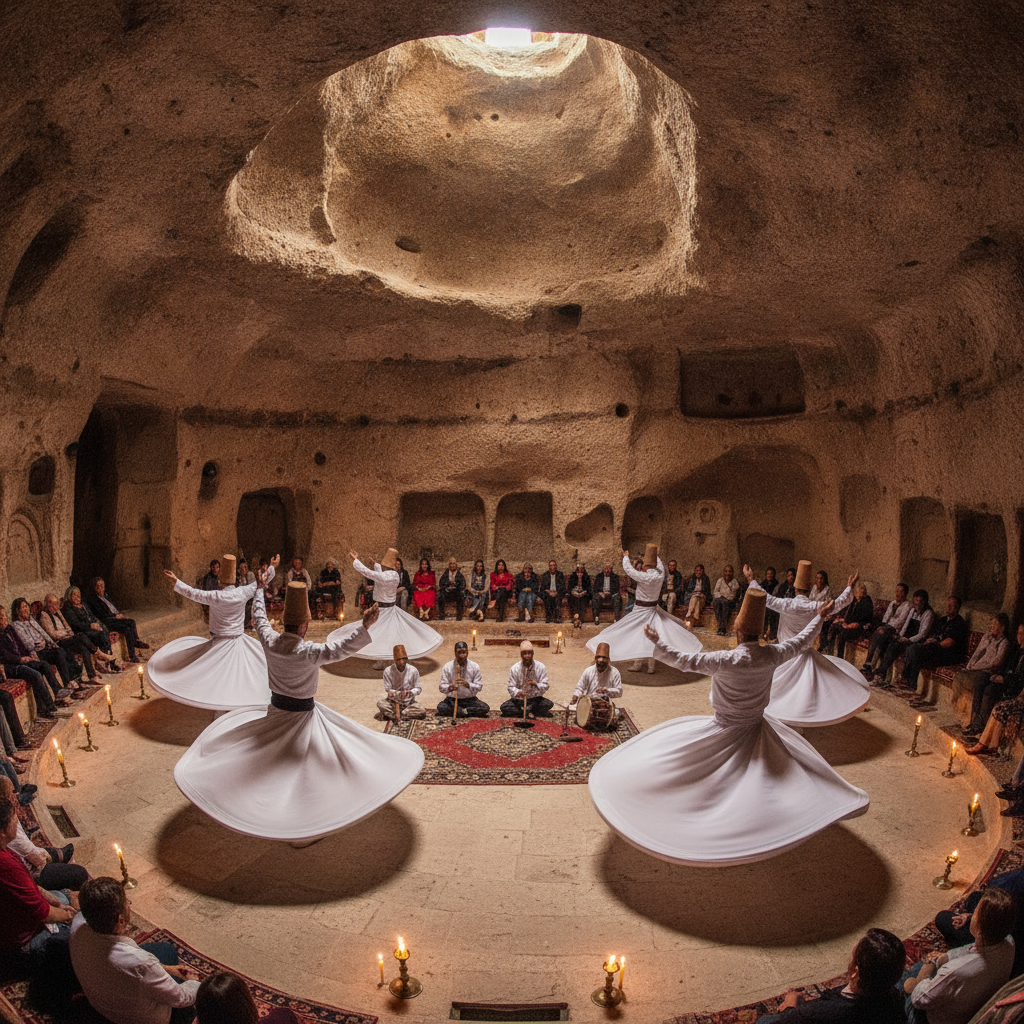
Cappadocia Culture and Departure: Turkish Night Folk Dancing, Cappadocia Pottery Workshop, Hamam Experience, Whirling Dervish Sema Ceremony, Konya Day Trip, and the Cappadocia Practical Departure Summary
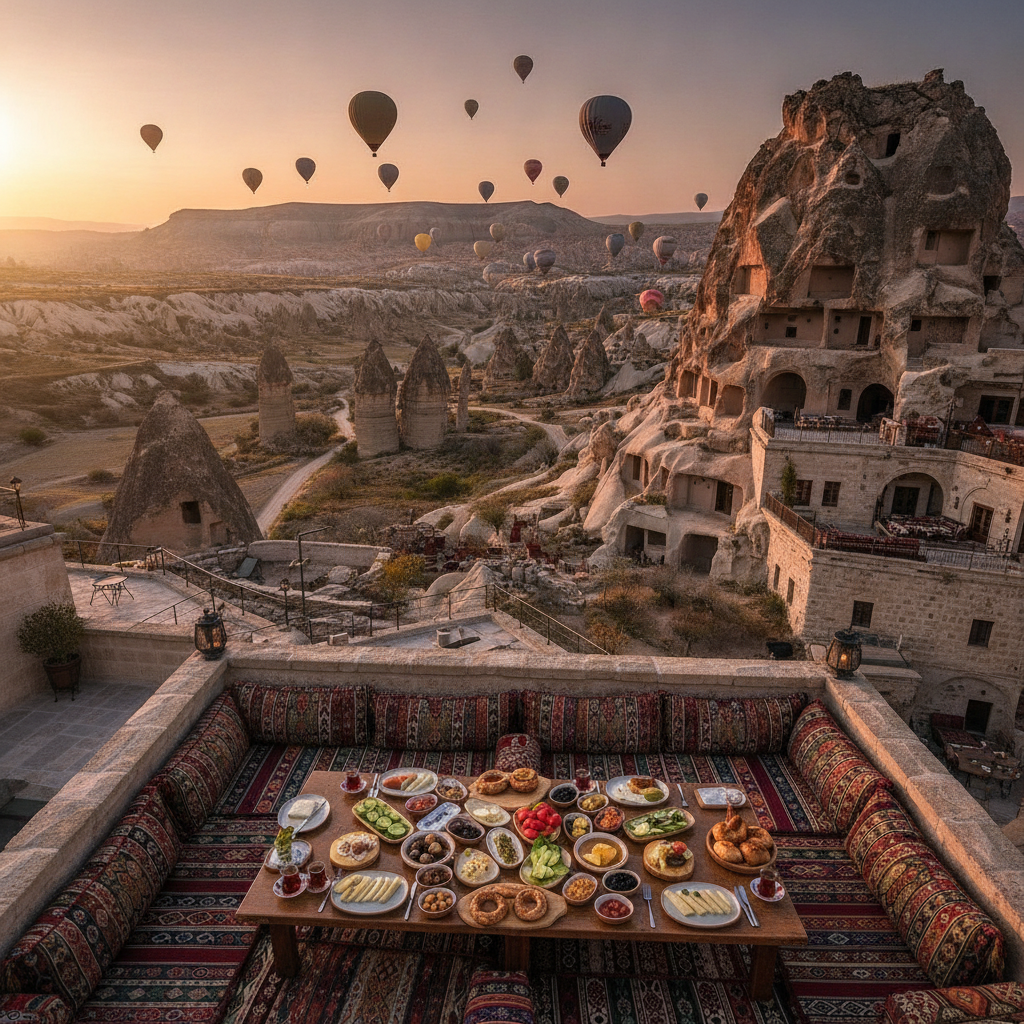
Cappadocia Cave Hotels: Underground Luxury at Goreme and Uchisar, Kayakapi Premium Cave Hotel at Urgup, Ortahisar Castle Village, the Cave Hotel Breakfast Terrace Experience, and Cappadocia Overnight Circuit
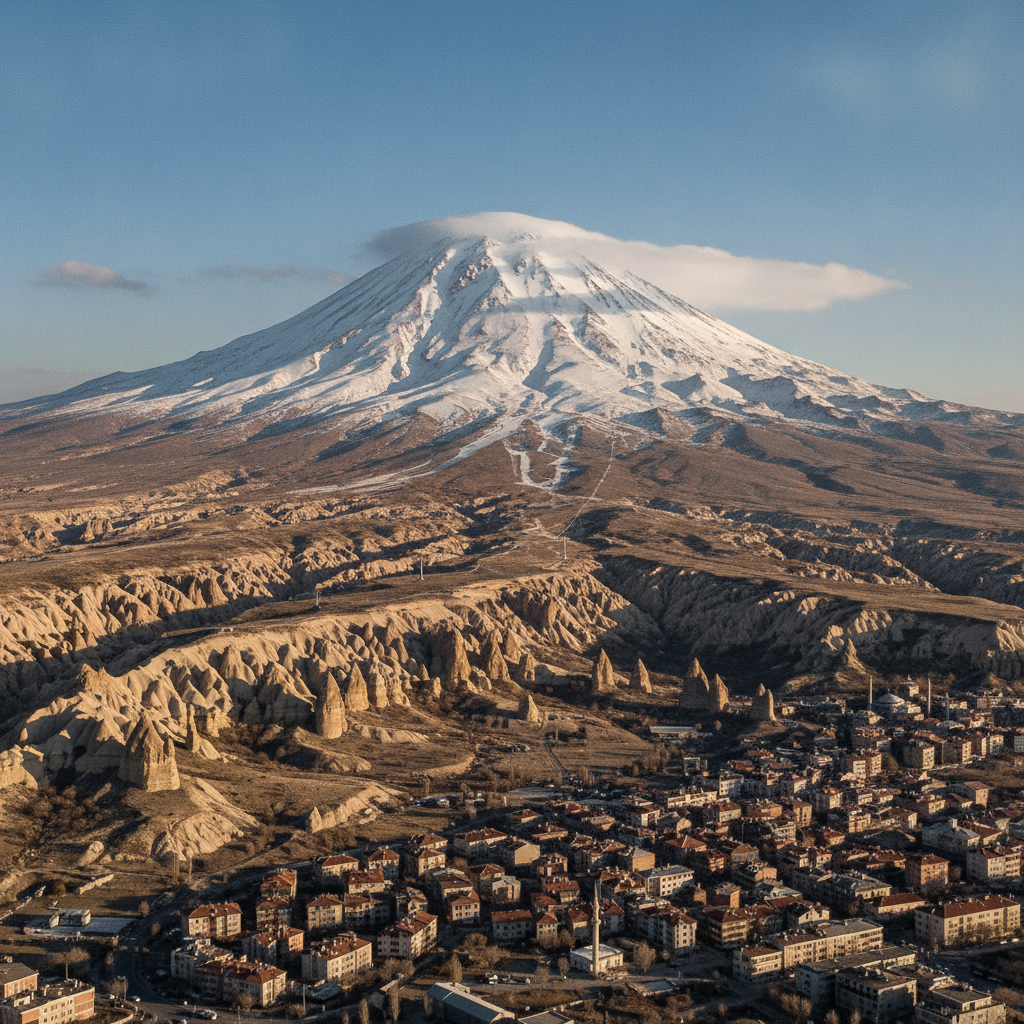
Kayseri and Erciyes: The Seljuk City, Erciyes Volcano Skiing Resort, Kultepe Assyrian Trading Colony, Kayseri Castle and Bazaar, Mount Erciyes Summit, and the Gateway City to Cappadocia
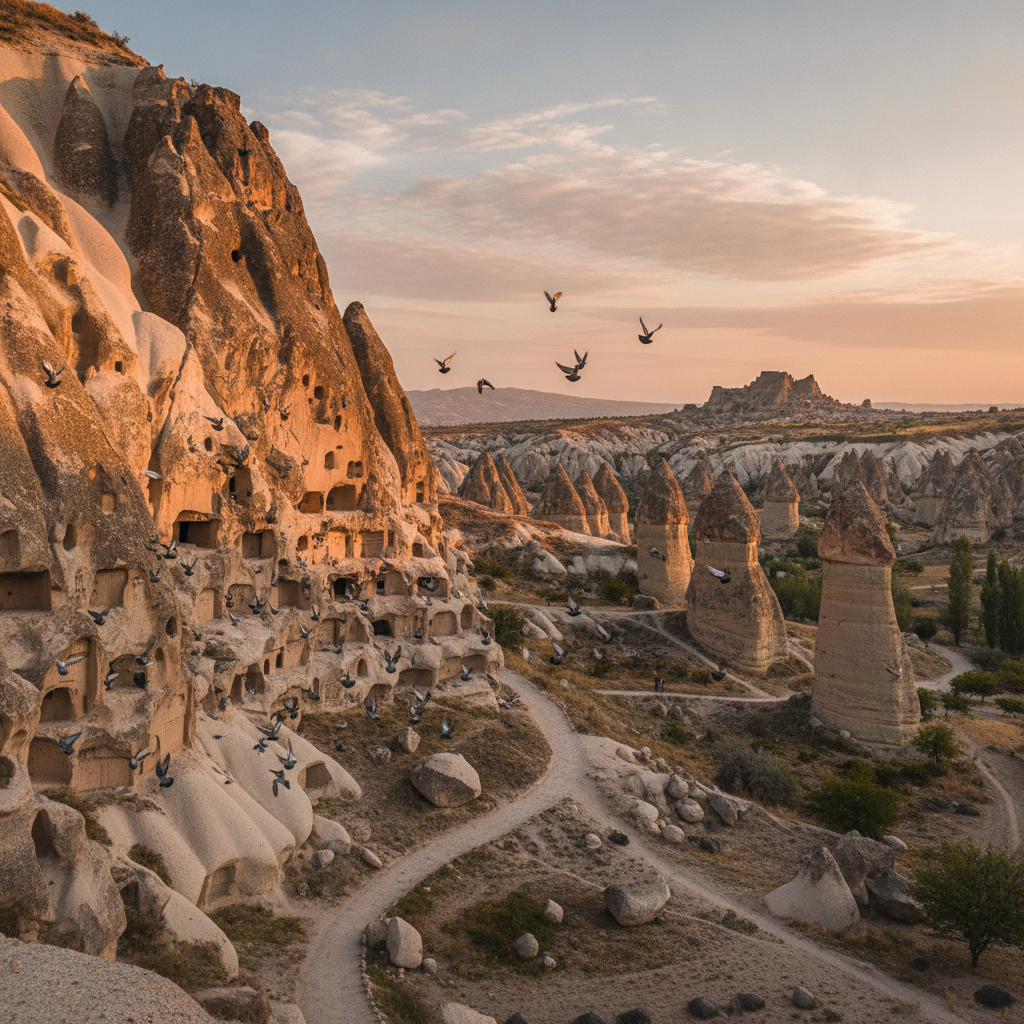
Cappadocia Villages and Valleys: Pigeon Valley Dovecotes, Horse Riding on the Plateau, Soganli Valley Byzantine Churches, Mustafapasa Greek Heritage Houses, and the Cappadocia Agricultural Life
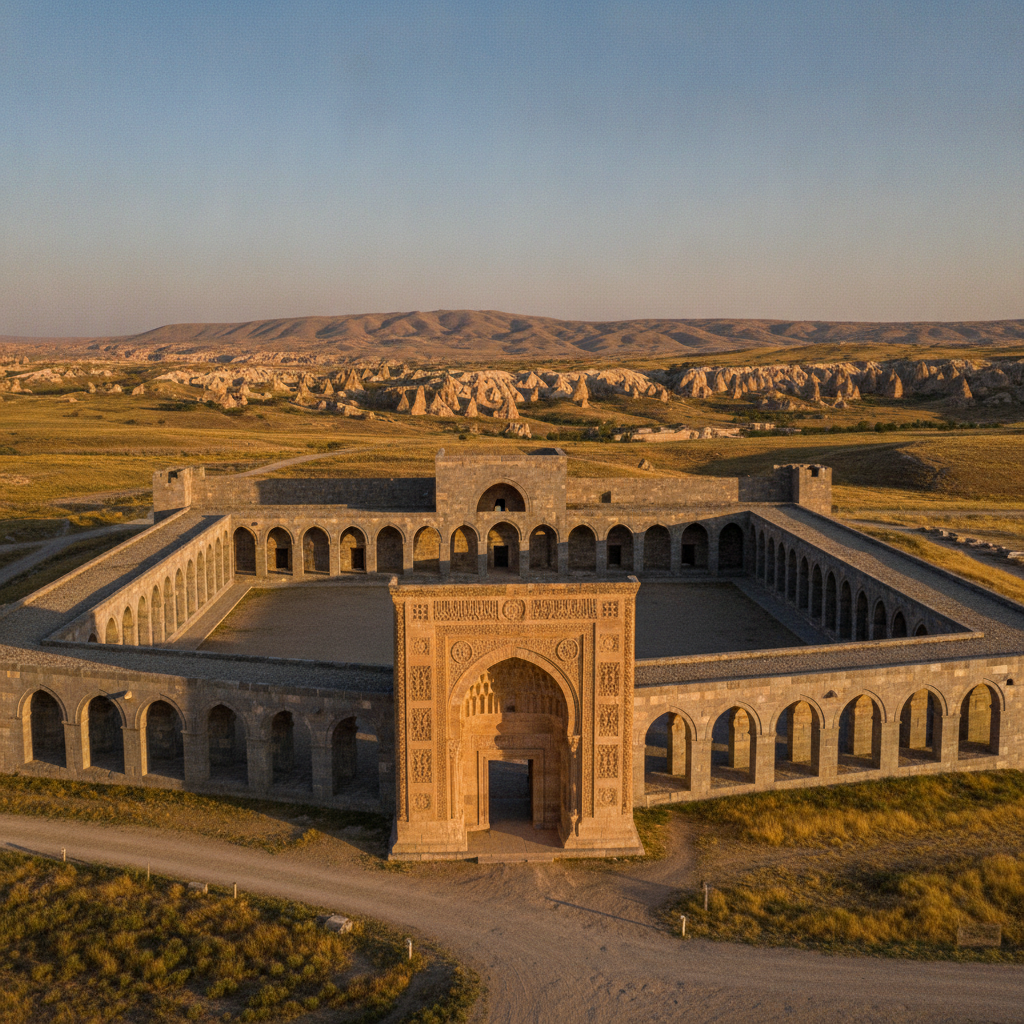
Cappadocia History: Hittite Origins, Kaymakli Underground City Interior, the Caravanserai at Sultan Han, Byzantine to Seljuk Transition, the Silk Road Heritage, and the Historical Layers of Anatolia