Casablanca Has the Largest Concentration of Art Deco Architecture Outside Europe With 300 Significant Buildings Built 1930-1955 Under French Protectorate Urban Planner Henri Prost; The 2003 Casablanca Bombings Killed 45 People and Fundamentally Shaped Moroccan Counter-Terrorism Policy; The Casablanca Brand Founded 2018 by Moroccan-French Designer Charaf Tajer Creates Luxury Sportswear Internationally
Casablanca having approximately 300 Art Deco and Mauresque buildings from 1930-1955 making it the largest Art Deco concentration outside Europe per association Casamemoire; the February 20 Movement of 2011 prompting King Mohammed VI's constitutional reforms approved July 1 2011; the 2003 Casablanca bombings (45 killed) inspiring Nabil Ayouch's 2012 film Les Chevaux de Dieu; the Moroccan caftan tradition and the annual Casablanca Caftan Fair since 1998; the Ain Diab Corniche as the primary nightlife zone; and a complete Casablanca 3-day itinerary covering the Hassan II Mosque, Art Deco downtown, Habous quarter, and a Rabat day trip.
- 1
Art Deco Casablanca – The Largest Concentration of Art Deco Architecture Outside Europe
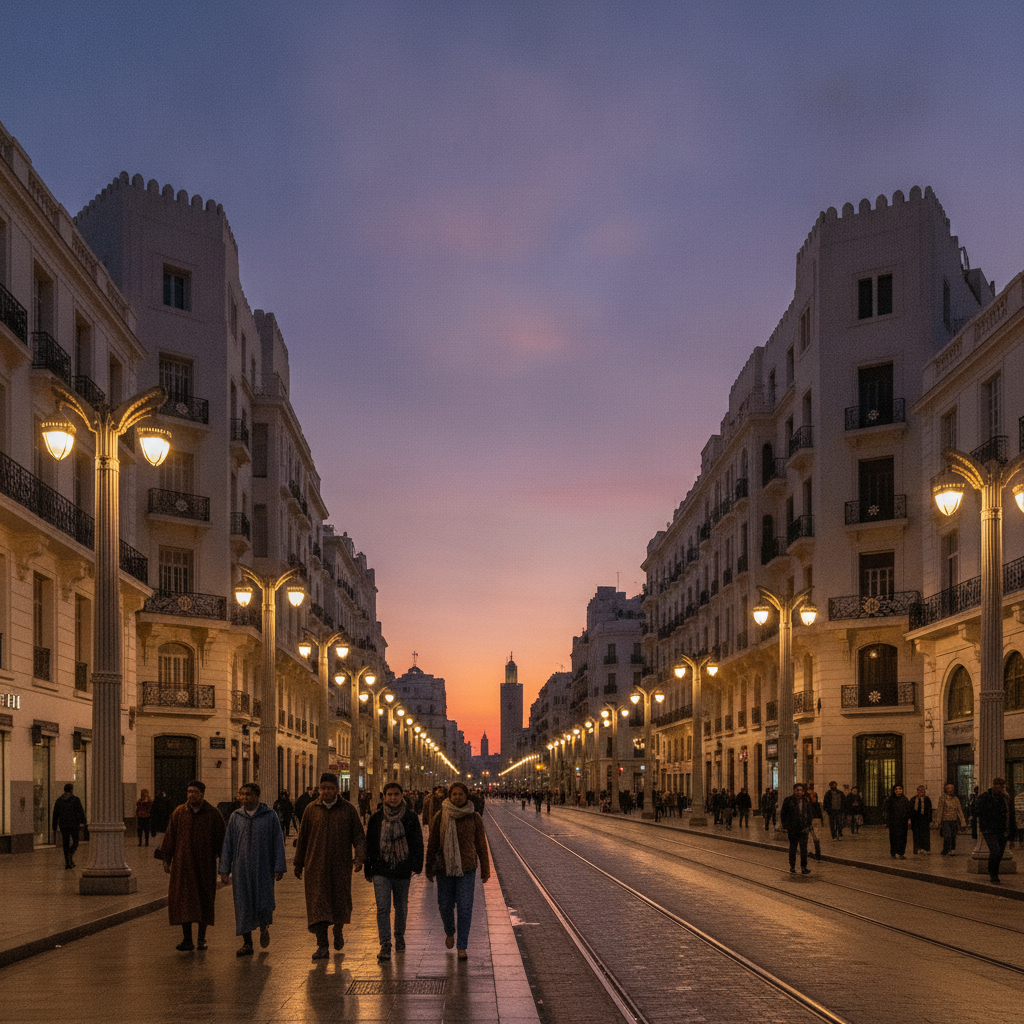
Casablanca Art Deco — the extraordinary concentration of 1930s-1940s Art Deco and Modernist architecture that makes Casablanca's downtown a unique urban heritage landscape: the architectural guide. The context (Art Deco in Casablanca is a product of the French Protectorate building boom of 1920-1955: the French colonial city was designed by the urban planner Henri Prost (1872-1959) who created the overall urban plan for Casablanca in 1917: Prost's plan separated the French colonial ville nouvelle from the Moroccan medina — a dual-city approach that preserved the medina while building an entirely new European city adjacent to it: the Art Deco concentration (the downtown Casablanca triangle formed by Boulevard Mohammed V, Boulevard Hassan Seghir, and the port area contains approximately 300 significant Art Deco and Modernist buildings from the 1930s-1950s: the buildings combine European Art Deco formal vocabulary with Moroccan Islamic decorative elements (geometric tilework, moucharabieh screens, horseshoe arches) — a style sometimes called Mauresque or Moroccan Art Deco: the key buildings (the Central Post Office (Postes Maroc) — a 1918 neoclassical building with a subsequent 1930s Art Deco extension: the Banque du Maroc (Bank Al-Maghrib) headquarters: the Wilaya (the former French Residence-Generale: now the seat of the Casablanca Governor): the Cinema Rialto (1930 — a pristine Art Deco cinema facade on Rue Mohammed el Qorri): the Hyatt Regency Hotel (the former Hotel Lincoln (1952) — a modernist tower): the Villa des Arts (a 1934 Art Deco villa now a contemporary art museum): the threat (the Casablanca Art Deco heritage is under constant demolition pressure from real-estate development: conservation efforts by the association Casamemoire have documented and advocated for hundreds of threatened buildings).
- 2
The 2011 Arab Spring in Morocco – the February 20 Movement and Constitutional Reform
Morocco and the Arab Spring — the 2011 February 20 Movement and the distinctive Moroccan response to the wave of protest that swept the Arab world: the political history guide. The Arab Spring context (the Arab Spring (the wave of popular protests and revolutions that swept the Arab world in 2010-2012): Tunisia (Ben Ali fled January 14, 2011): Egypt (Mubarak resigned February 11, 2011): Libya (Gaddafi killed October 2011): Syria (civil war began March 2011): Morocco (the 20 February Movement launched February 20, 2011 — the date was chosen by Moroccan activists coordinating on social media: the protests called for democratic reform, a new constitution, an elected prime minister, an end to corruption, and Amazigh rights: the Casablanca protests (Casablanca was a primary center of the February 20 protests: tens of thousands marched in Casablanca, Rabat, and other cities: the Moroccan response (King Mohammed VI moved faster and more decisively than any other Arab ruler: on March 9, 2011 Mohammed VI announced a package of constitutional reforms: the 2011 constitution was drafted by a royal commission and approved by referendum on July 1, 2011 (98.5% in favor): the key constitutional changes (the Prime Minister (re-designated as Head of Government) must be drawn from the largest party in parliament: Tamazight (Berber) was recognized as a co-official language alongside Arabic: enhanced guarantees for civil liberties and judicial independence: the result (Morocco avoided the revolutionary upheaval that destroyed Libya, Syria, and Yemen: the Islamist Justice and Development Party (PJD) won the November 2011 parliamentary elections — the first time an Islamist party led the Moroccan government: the February 20 Movement assessed that the reforms were insufficient — the movement continues).
- 3
Casablanca Fashion and Moroccan Design – Caftan Culture and Contemporary Style
Casablanca fashion and Moroccan design culture — the fashion identity of Morocco's largest city and the global influence of traditional Moroccan dress: the fashion guide. The caftan (the Moroccan caftan (kaftan) — the long, flowing garment that is the premier form of formal Moroccan dress for women: the Moroccan caftan tradition is distinct from the Eastern caftan tradition: the Moroccan caftan is typically made of silk, brocade, or chiffon: the embroidery (sfifa — the traditional Moroccan embroidery technique used to decorate caftan necklines and hems with intricate gold or silver thread: the Casablanca Caftan Fair (the annual Casablanca Caftan Fair (Caftan Maroc — the primary fashion event of Morocco: held annually in Casablanca since 1998: showcases Moroccan fashion designers working with traditional caftan silhouettes and modern influences: the djellaba (the djellaba — the long hooded garment worn by both men and women in Morocco: the primary everyday outer garment for Moroccan women in more traditional contexts: the Marrakech djellaba has a pointed hood: the Fez djellaba has a rounded hood: the babouche (Moroccan babouche slippers — the pointed leather slip-on slipper made in Moroccan tanneries (primarily Fez): the yellow babouche is traditional for men: the white babouche for women: the contemporary fashion (Casablanca has a growing contemporary fashion scene: the brand Casablanca Paris (founded 2018 by Charaf Tajer — the Moroccan-French designer): the brand creates luxury sportswear with Moroccan and Mediterranean aesthetic influences: the Zara and European chains (Casablanca's Morocco Mall (opened 2011 — the largest shopping mall in Africa) houses international brands: Morocco Mall: Zara, H and M, luxury flagship stores).
- 4
Casablanca Cinema – Moroccan Film and the National Cinema Center
Casablanca and Moroccan cinema — the film culture of Morocco's largest city and the internationally recognized Moroccan film industry centered in Casablanca: the cinema guide. The CCM (the Centre Cinematographique Marocain (CCM) — established 1944 (during the French Protectorate): the primary state institution for Moroccan cinema: funding, co-production, film archives, and the regulation of cinema in Morocco: the Moroccan film industry (Moroccan cinema has produced approximately 15-20 feature films per year in recent years: the primary production centers are Casablanca and Rabat: the international recognition (Moroccan films have been submitted for the Academy Award for Best International Feature Film (foreign language film) since 1981: Nabil Ayouch (born 1969 — Moroccan-French director — the most internationally prominent Moroccan filmmaker: films include Les Chevaux de Dieu (Horses of God) (2012 — about the 2003 Casablanca bombings: Razzia (2017): Haut et Fort (Casablanca Beats) (2021 — selected for the Cannes Film Festival Official Competition): the 2003 Casablanca bombings (May 16, 2003 — a coordinated terrorist attack in Casablanca: 5 near-simultaneous suicide bombings by Salafist Jihadia group killed 45 people including the 12 attackers: the bombings took place in a Spanish club, a Jewish community center, a hotel, a Jewish cemetery, and a Belgian consulate: the deadliest terrorist attack in Moroccan history: the bombing significantly shaped Moroccan security policy and the treatment of religious extremism: the FIFM (the Festival International du Film de Marrakech (FIFM) — the primary Moroccan international film festival: established 2001: held annually in Marrakech: features significant international films and Moroccan cinema).
- 5
Casablanca at Night – The Nightlife District and the Casablanca-Rabat Weekend Culture
Casablanca nightlife and weekend culture — the entertainment and social scene of Morocco's largest city and the weekend lifestyle of Casablancan society: the nightlife guide. The Ain Diab Corniche (the Ain Diab Corniche district is the primary nightlife zone of Casablanca: the Corniche road (Boulevard de la Corniche) from the Hassan II Mosque westward to the Ain Diab district is lined with bars, nightclubs, beach club-restaurants, and hotels: the beach clubs (the Ain Diab beach clubs that function as daytime swimming and dining venues transform into nightlife venues after sunset: the primary nightlife cluster: restaurants and bars on the Corniche road: Le Cabestan — a renowned Casablanca seafood restaurant on the Atlantic rocks: the nightclub scene (Casablanca has the most active nightclub scene in Morocco: the primary nightclubs are in the Corniche and Maarif districts: the nightlife is predominantly upscale and targets wealthy Moroccan urbanites and expatriates: dress codes are enforced: alcohol is served in licensed venues: the social culture (Moroccan social life is centered on family, hospitality, and cafe culture: the Maarif district (the Maarif — the primary upscale residential and commercial neighborhood of Casablanca: boutiques, restaurants, and cafes: the twin-city weekend (the Casablanca-Rabat axis — many Casablancan families have a second residence on the Rabat coast: the weekend migration northward to Rabat and Temara beaches is a cultural institution: the cafe culture (Moroccan cafe culture — the cafe as the primary male social space: mint tea, coffee, and shisha: the proliferation of cafes throughout Casablanca: the Moroccan cafe as a political, social, and intellectual institution).
- 6
Casablanca 3-Day Itinerary – Art Deco, the Hassan II Mosque, and the Atlantic
The Casablanca 3-day itinerary — a structured guide to experiencing the primary sights and culture of Morocco's largest city in three days: the itinerary guide. Day 1 (the Hassan II Mosque and the seafront: morning: visit the Hassan II Mosque on a guided tour (tours available at approximately 9am, 10am, 11am, 2pm, and 3pm): reserve a tour in advance (the mosque website or the tourist office): after the mosque: walk south along the Atlantic seafront to the lighthouse (El Hank Lighthouse): afternoon: lunch at a seafood restaurant on the Corniche: afternoon: the Corniche beach clubs (take a swim in the Atlantic or one of the ocean pools: evening: dinner at Le Cabestan (seafood restaurant on the Atlantic rocks) or at a Corniche restaurant: Day 2 (the Art Deco downtown and the medina: morning: Art Deco walking tour of the downtown: start at the Central Post Office on Place Mohammed V: walk Boulevard Mohammed V east toward the port: the key buildings: Wilaya, Cinema Rialto, the covered market (Marche Central): the Casablanca medina (small and accessible — the Al Khayyatin Mosque gate: the ramparts: afternoon: the Quartier des Habous (take a taxi to the Habous neighborhood: browse the souks and the Mohamed Diouri Square: the Royal Palace facade (the exterior of the Casablanca royal palace is adjacent to the Habous): evening: dinner in the Maarif district: Day 3 (day trip to Rabat: take the morning train to Rabat (45 minutes): visit the Kasbah des Oudaias: the Mohammed V Mausoleum: the Hassan Tower: the Chellah necropolis: return to Casablanca by evening train: the transport (the Casablanca tramway (T1 and T2 lines) covers key points: grand taxis for the Corniche: the train for Rabat: the accommodation (the Hyatt Regency (former Hotel Lincoln — the historic luxury option in the downtown Art Deco district).
Walk this route with audio
Stories play automatically as you reach each stop — no tapping needed.
More in Casablanca
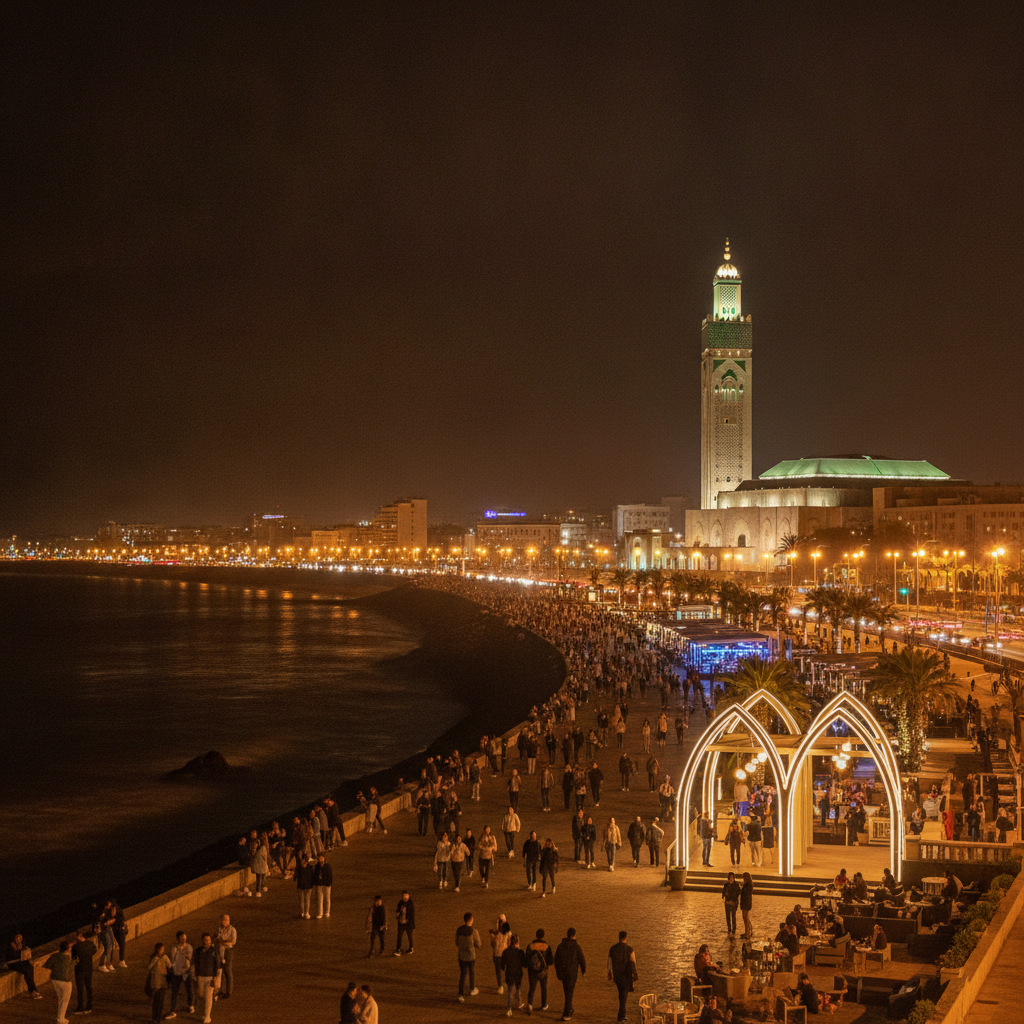
Casablanca Lifestyle: Ain Diab Beach, the Corniche Restaurant Scene, the Morocco Nightlife Capital, the Luxury Hotel Strip, and the Casablanca Urban Middle Class Culture
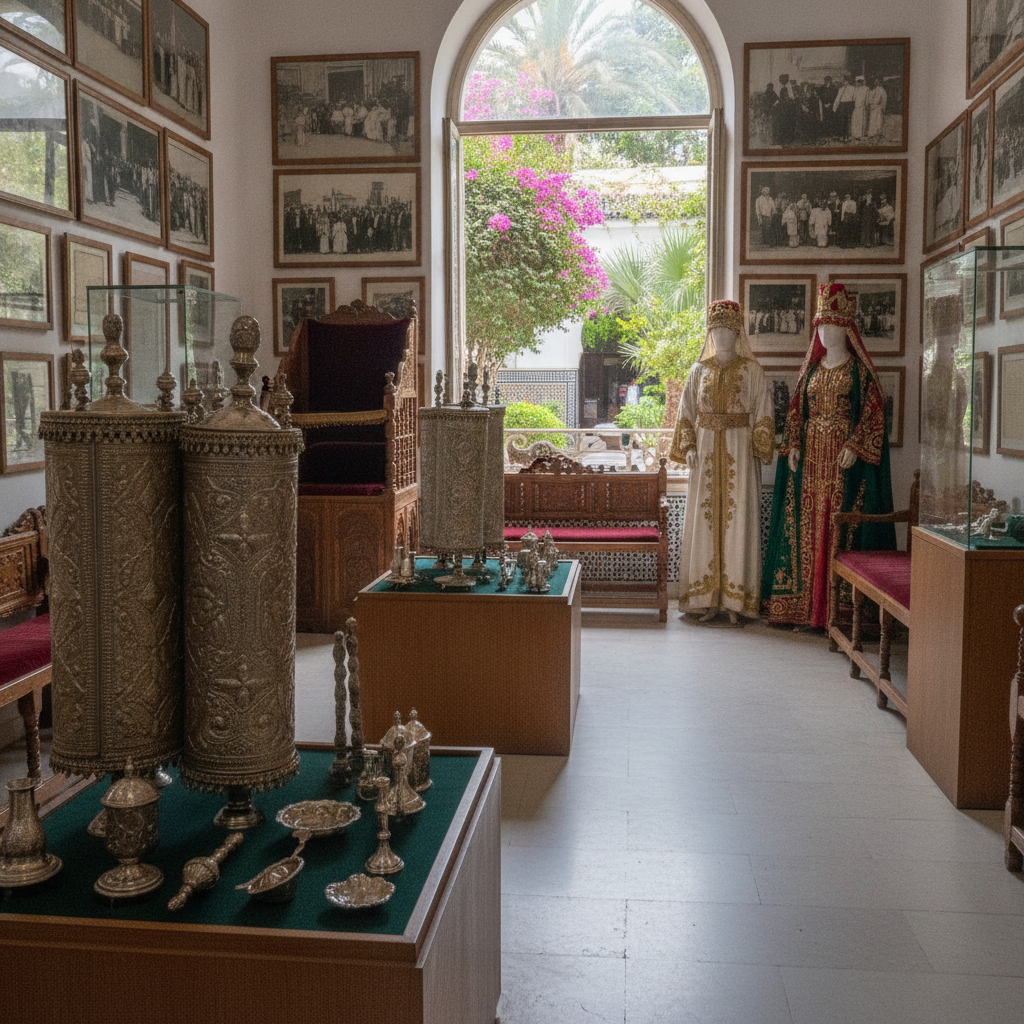
Casablanca Jewish Heritage: The Mellah District, the Miara Cemetery, the Museum of Moroccan Judaism, the Sephardic Cultural Legacy, and the Moroccan Jewish Community Today
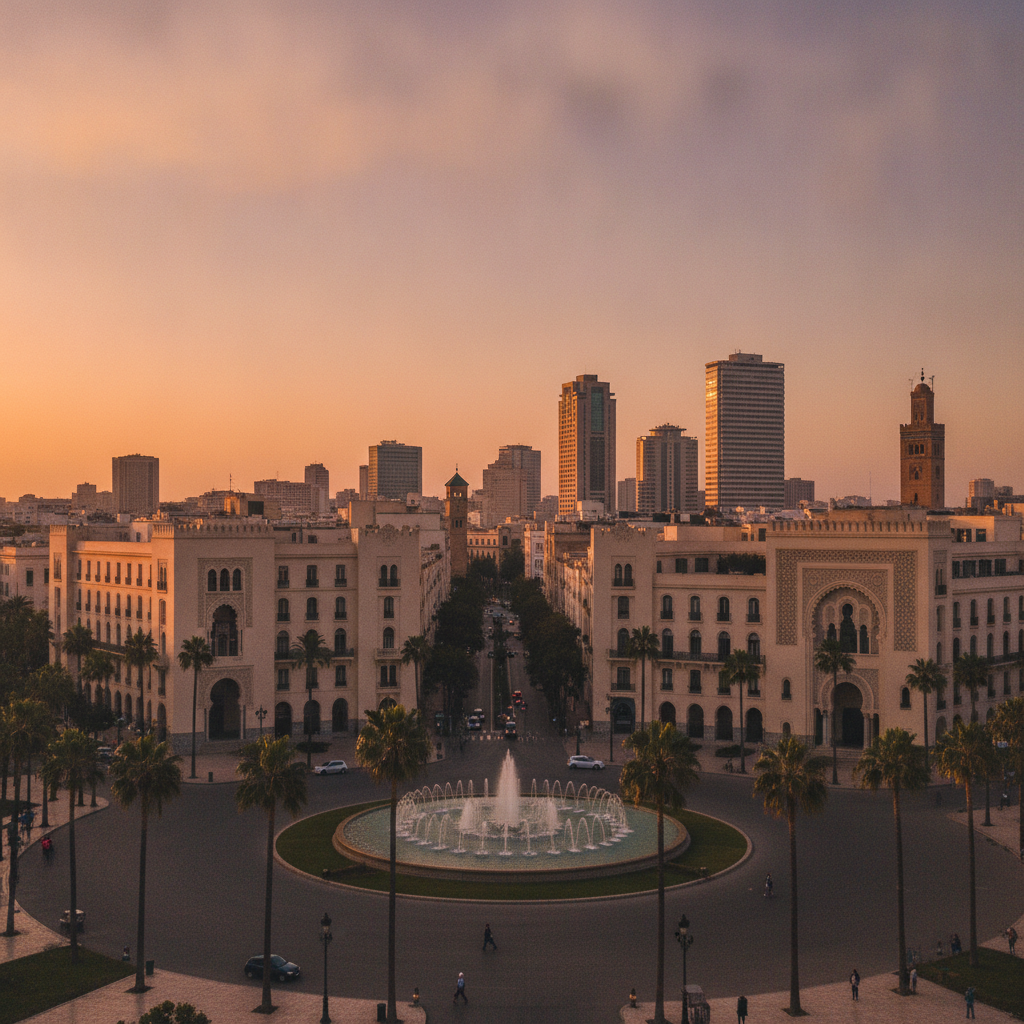
Casablanca Modern City: Mohammed V Square, the Habous New Medina, the Villa des Arts, the Casablanca Financial Centre, and the Contemporary Moroccan Art Scene
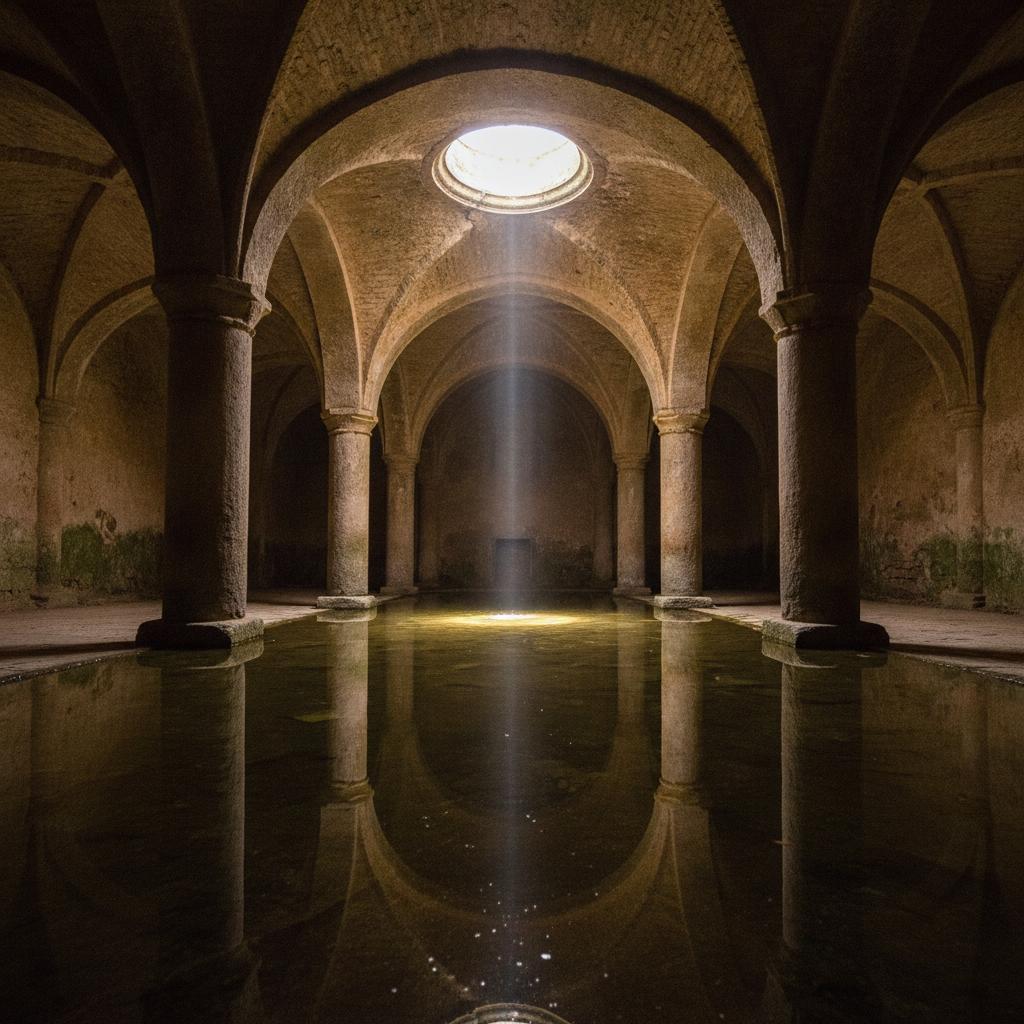
Casablanca Region: El Jadida and the Portuguese Cistern, the Mazagan Coastal Drive, the Oualidia Oyster Lagoon, and the Atlantic Coast South of Casablanca
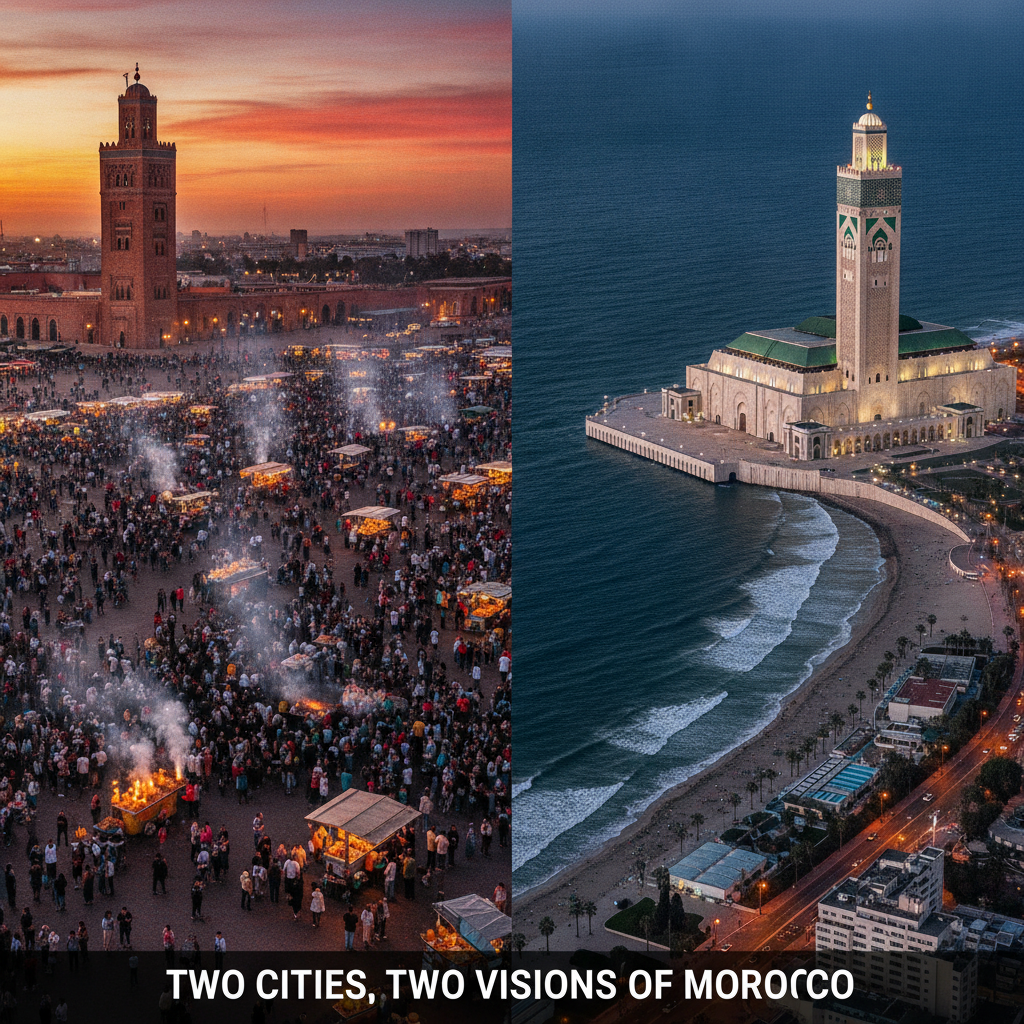
The 1942 Casablanca Film Was Shot Entirely in Hollywood by Filmmakers Who Had Never Visited Morocco Yet Accidentally Captured a Real Wartime Dynamic; The Bou Craa Phosphate Mine in Moroccan-Administered Western Sahara Is One of the World's Largest Phosphate Deposits; Moroccan Argan Oil Has Grown From a Cottage Industry to an Approximately USD 10 Billion Annual Global Market