Cebu's Wider Visayas: Malapascua's Dawn Thresher Shark Cleanings, Siquijor's Good Friday Herbalist Gathering & Bacolod Chicken Inasal's Global Fast Food Expansion
The 24 million Cebuano speakers who claim their English is less Tagalog-influenced than Manila's versus the Tagalog speakers who claim they invented the national language; Monad Shoal's thresher sharks coming to 25 metres for wrasse cleaning at dawn—the only predictable shallow thresher shark dive in the world; Tanon Strait's Irrawaddy dolphins in coastal saltwater rather than their typical river habitat; the Pamilacan Island community transitioning from hand-thrown harpoon whale hunting in the 1980s to whale-watching cooperative by the 1990s; Siquijor's mangkukulam healers gathering every Good Friday in San Antonio for Catholic blessing of their herbal preparations; and the Negros hacienda families whose 19th-century sugar estates are intact landholdings producing the chicken inasal that Mang Inasal turned into the Philippines' most eaten fast food product.
- 1
The Visayan People & Cebuano Language
Cebuano (also called Bisaya or Binisaya—the Cebuano dialect of the Visayan language family)—is spoken by approximately 24 million people across the Visayas and Mindanao, making it the second most spoken language in the Philippines after Filipino/Tagalog and more widely spoken than any other indigenous Philippine language. The Visayan cultural sphere: the Visayas (the central island group of the Philippine archipelago—Cebu, Bohol, Leyte, Samar, Negros, Panay, and adjacent smaller islands) is the most linguistically and culturally diverse region of the Philippines, with multiple distinct Visayan languages (Cebuano, Hiligaynon/Ilonggo, Waray, Kinaray-a) that are mutually comprehensible but distinct. The Cebuano cultural character: Cebuanos are culturally distinct from Tagalogs (Manila and Luzon)—the long-standing cultural rivalry between Cebu and Manila manifests in debates about which city should be the national capital (Cebu was the capital first), which lechón is superior, and which city has the better English accent (Cebuanos claim their English is less influenced by Tagalog phonology). The Cebuano diaspora: Cebuano-speaking Filipinos are disproportionately represented in the global Filipino diaspora—the Visayan work ethic, English fluency, and the tradition of overseas work from the Cebu/Iloilo maritime communities mean that Cebuano communities are found in every major Filipino overseas destination.
- 2
Cebu's Thriving Diving Scene – Technical Diving & Cebu Reefs
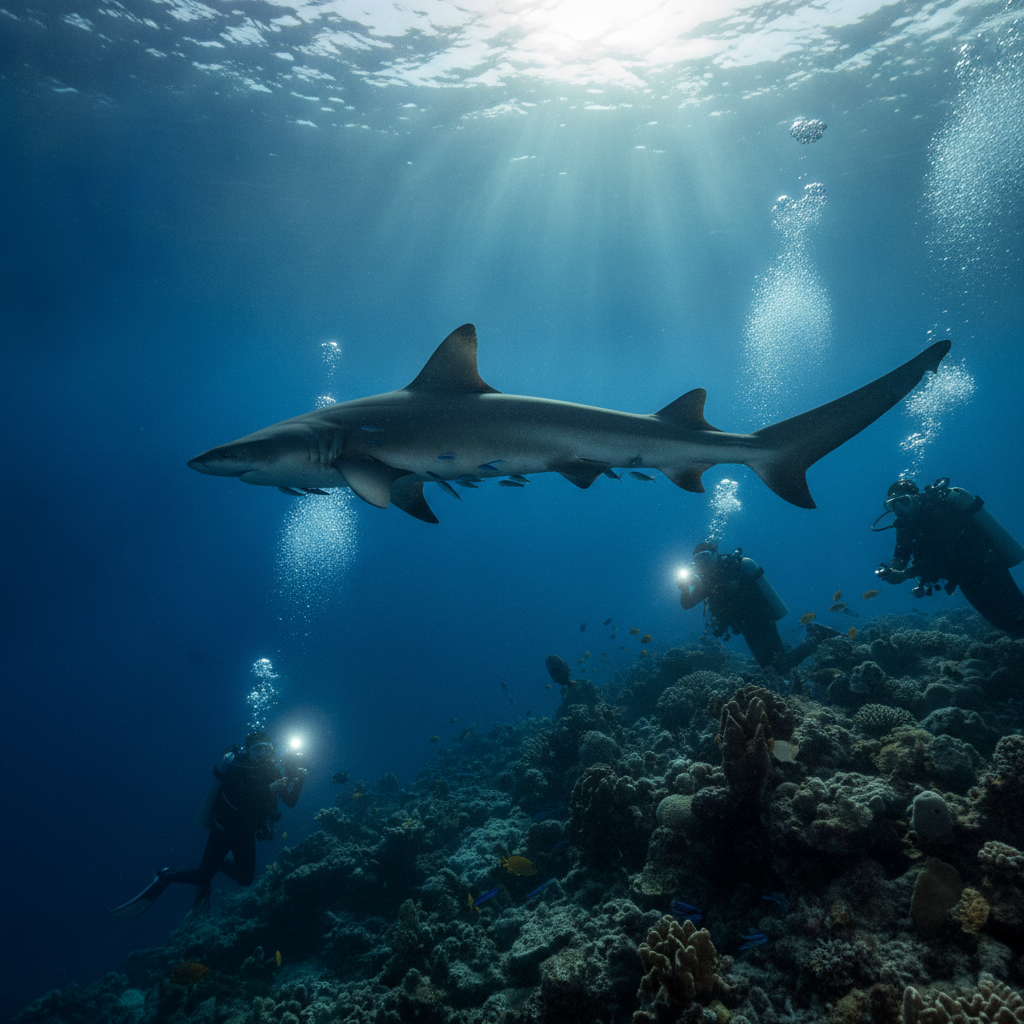
Cebu's waters—the Cebu Strait between Cebu and Bohol islands, the Camotes Sea between Cebu and Leyte, and the diving sites accessible from the various island bases—constitute one of the most diverse dive environments in the Philippines. The Cebu City-based dive sites: the Shangri-La Marine Sanctuary (the reef system managed by the Shangri-La Mactan Resort—a private marine sanctuary that has restricted fishing and development since the 1990s, producing a reef health that contrasts sharply with the surrounding areas; access is possible for non-guests for a fee); the Olango Island Wildlife Sanctuary (accessible by banca—local outrigger boat—from Mactan; a marine reserve known for flamingo chick sightings and migratory bird stopovers—one of the most important migratory bird sites in the Philippines). The Malapascua Island diving (70 km north of Cebu City, the island accessible by boat from Maya pier in north Cebu): the most internationally known dive destination in north Cebu—the primary location in the world where thresher sharks (Alopias vulpinus—the distinctive long-tailed pelagic shark) are reliably encountered in shallow water (Monad Shoal—a seamount at 20–30 metres depth where thresher sharks come to be cleaned by wrasse in the early morning); other sites including the Gato Island bat cave dive (a limestone tunnel inhabited by venomous sea snakes that divers can swim through) and the Dona Marilyn wreck.
- 3
The Cebu Strait Whale-Watching & Marine Mammals
The Bohol Sea and Cebu Strait—the waters between Cebu, Bohol, Leyte, and Siquijor islands—constitute one of the most important cetacean habitats in the Philippines, with year-round populations of spinner dolphins and pygmy sperm whales and regular seasonal visitors including Bryde's whales, false killer whales, and pilot whales. The Bohol Sea whale-watching: the area between Panglao Island (Bohol) and Cebu's southern tip (the Tanon Strait)—a UNESCO Biosphere Reserve that includes the waters between Cebu and Negros—has one of the highest spinner dolphin population densities in Southeast Asia; whale-watching boats from Pamilacan Island and from Oslob (in addition to the controversial whale shark operation) offer legitimate cetacean observation. The Tanon Strait (the 5-km-wide channel between Cebu and Negros—the deepest strait in the Visayas at approximately 530 metres): a designated protected seascape, particularly important for Irrawaddy dolphins (Orcaella brevirostris—a species more typically found in rivers and estuaries, but present in the Tanon Strait year-round—one of the last significant coastal Irrawaddy dolphin populations in the Philippines). The Pamilacan tradition: the people of Pamilacan Island (Bohol) were historically renowned as traditional whale and ray hunters—using hand-thrown harpoons from outrigger boats, a practice that continued legally until the late 1980s; the community transitioned to whale-watching tourism in the 1990s, becoming one of the Philippines' first whale-watching cooperatives.
- 4
Cebu's Nightlife & the IT Park Food Scene
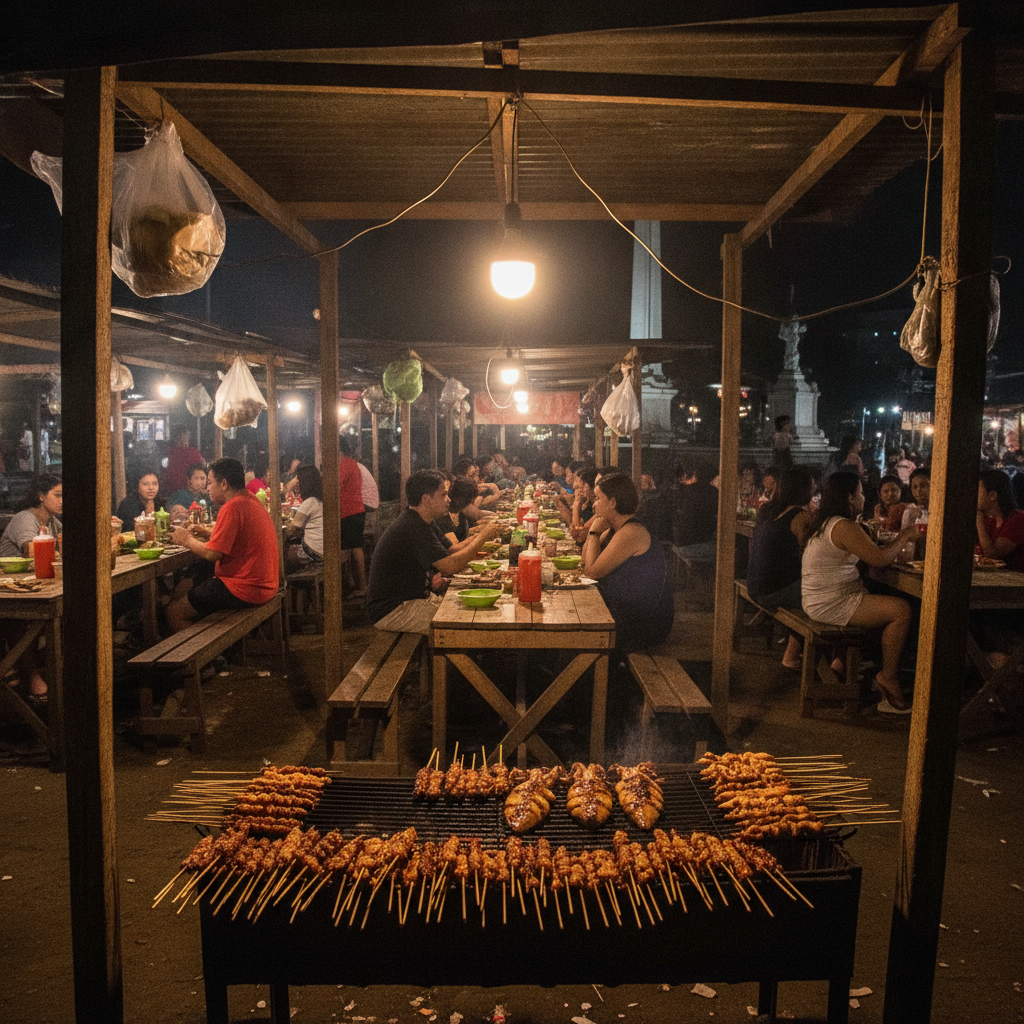
Cebu City's nightlife—the most active in the Visayas and arguably more authentic than Manila's tourist-oriented entertainment districts—is concentrated in three areas: the IT Park (a 24-hour district where the nightlife serves the BPO workforce on their overnight breaks and the young professional class after work), the Mango Square area (the older nightlife district of Colon Street and Mango Avenue—a more traditional bar and club scene), and the upscale bars and restaurants of the Escaño and Salinas Drive areas. The IT Park food and bar scene: the most globally-influenced dining in Cebu is concentrated within the IT Park boundary (because the BPO workforce—young, English-speaking, with exposure to Western culture—creates demand for international food options); Anzani (a converted Mediterranean-style villa with Italian-leaning cuisine and wine programme—the best-reviewed restaurant in Cebu by Philippine food media); the Crossroads food park (container bar concept—craft beer, Korean-fusion, and Filipino snack food in a festival seating layout). The Cebuano drinking culture: the Cebuanos are known for their distinctive beer culture—San Miguel (the Philippine national beer) and Pale Pilsen dominate; the Lapu-Lapu, a rum-based cocktail, is the Cebu equivalent of a city-specific cocktail (the name is a reference to the hero chieftain; the cocktail has no standardised recipe but typically involves rum, fruit juice, and crushed ice). The Mango Street: Cebu's Mango Avenue (formally Gen. Maxilom Avenue) is the most colourful street entertainment district in the Visayas—karaoke bars, nightclubs, and the distinctive Philippine street entertainment culture.
- 5
Siquijor – The Island of Fire & Healing Traditions
Siquijor (an island province 55 km southeast of Cebu, accessible by fast ferry from Bohol's Tagbilaran port in 1 hour or from Cebu's South Pier in 3 hours)—is the most distinctive island in the Visayas for cultural tourism: a small island (314 km²) with a reputation throughout the Philippines for mysticism, traditional healing, and folk magic that draws both curious tourists and Filipinos seeking traditional cures. The Siquijor reputation: throughout Philippine popular culture, Siquijor is associated with mangkukulam (faith healers, sometimes called witches by sceptical outsiders) who are believed to practice both white magic (healing) and black magic (the kulam curse—a form of sorcery); the island is pejoratively called the 'island of witches' in Tagalog popular culture but is more respectfully known as the 'island of fire' (from the bioluminescent fire observed by early Spanish explorers on the shoreline—now understood to be bioluminescent plankton or fungi on beach driftwood). The healing traditions: the Good Friday Healing Festival (in San Antonio, Siquijor—the most significant traditional healing event in the Philippines): herbalists and faith healers from across Siquijor gather with their preparations (herbal medicines, potions, anting-anting amulets) for annual blessing by a Catholic priest—a syncretic blend of Catholicism and pre-colonial animist healing practice. The island's natural qualities: aside from its reputation, Siquijor has excellent beaches (Salagdoong Beach—with a cliff-jumping platform and clear water), good snorkelling, and the most cicada-dense forest in the Visayas.
- 6
Negros & the Hacienda Sugar Economy – Cebu's Western Neighbour
Negros Occidental (the western half of the island of Negros—the fourth-largest island in the Philippines, immediately west of Cebu)—is the centre of the Philippine sugar industry: approximately 60% of the Philippines' sugarcane is grown on Negros, most of it on hacienda (large plantation) landholdings that were established in the Spanish colonial period and persist largely intact as the dominant form of land tenure. The hacienda system: the Negros sugarcane haciendas are among the largest surviving agricultural estates in Southeast Asia—the most prominent hacienda families (the Cojuangcos, Lopezes, Aranetas, and a few dozen other surnames) have controlled the Negros sugar economy since the 19th century. The Bacolod City (the provincial capital of Negros Occidental—accessible from Cebu by fast ferry in 4 hours or by air in 30 minutes): the most overlooked major Philippine city—a population of 600,000, a sophisticated food scene built on hacienda wealth (Calea—the most celebrated bakery in the Philippines, famous for the most elaborate cakes in the country; Chicken Inasal—Bacolod is the origin of inasal, the marinated grilled chicken that became the most common fast food product in the Philippines through the Mang Inasal chain), and the Masskara Festival (October—the 'city of smiles' festival, where masks are the central decoration). The Negrense planter class: the Negros sugar hacienda culture has produced a distinctive Negrense planter identity—Spanish mestizo, Catholic, politically conservative, and with a lifestyle of conspicuous consumption that has generated both the finest restaurant scene in the Visayas and some of the most persistent rural poverty in the Philippines.
Walk this route with audio
Stories play automatically as you reach each stop — no tapping needed.
More in Cebu
Cebu's Five-Century Faith: 9 Daily Basilica Masses, the Simala Miracle Shrine's Neo-Gothic Ex-Votos & Bantayan's 'How Boracay Used to Be' Beach
Cebu's Full Complexity: Philippine Eagle's 800 Mindanao Survivors, the 1906 Sakada Recruitment That Built the Hawaiian Filipino Community & Boracay's Raw Sewage Closure Warning
Cebu's Other Depths: Bohol's 1,776 Chocolate Hills, Mactan's 90% Philippine Guitar Output & the Sardine Column Swirling Off Moalboal Shore
Cebu: Magellan's 1521 Cross, the Sto. Niño Devotion That Draws 2 Million to Sinulog & Anthony Bourdain's Lechón Crackling Revelation