Charleston: Where the Charleston Dance Was Born, 40 Percent of All Enslaved Africans Arrived and James Beard Cooks Shrimp Grits
Eat shrimp and grits as the Lowcountry dish that James Beard chefs made famous, walk the oldest formal gardens in America at Middleton Place terraced to butterfly lakes on the Ashley River, trace the Charleston dance origin to the Jenkins Orphanage Band children on the waterfront in the 1920s, stroll the pineapple fountain Waterfront Park to the Battery promenade with Fort Sumter in the harbor, visit Fort Moultrie on Sullivan Island where Poe served under a fake name in 1827, and enter the International African American Museum at Gadsden Wharf where 100000 enslaved people arrived.
- 1
Charleston Food Scene and Lowcountry Cuisine
Charleston has developed one of the most celebrated restaurant scenes in the American South, receiving more James Beard Award nominations and wins per capita than virtually any other American city in the 2010s. Sean Brock at Husk and McCrady pioneered a rigorous approach to Lowcountry ingredients and heritage grain varieties. The Lowcountry culinary tradition is distinct from broader Southern cooking through its African and West African foundation: rice cultivation brought by enslaved Africans from Sierra Leone, okra, field peas, and the one-pot cooking of pilau and perloo, the Lowcountry precursor to pilaf. The Gullah Geechee people, descendants of enslaved Africans who maintained distinct cultural and linguistic traditions in the Sea Islands, are the source of this culinary inheritance. Shrimp and grits, now ubiquitous in American restaurants, was essentially invented in the Lowcountry. The Wednesday and Saturday Farmers Market at Marion Square is the largest in South Carolina.
- 2
Middleton Place and Ashley River Plantations
Middleton Place on the Ashley River 14 miles northwest of Charleston, developed beginning in 1741 and now a National Historic Landmark, contains the oldest formal landscaped gardens in America, designed in the English style with terraced lawns descending to two ornamental butterfly lakes. The plantation was home to Arthur Middleton, a signer of the Declaration of Independence, and Henry Middleton, president of the First Continental Congress. The main house was destroyed by Union troops in 1865 and the south flanker survives as the museum. The plantation honestly addresses its history of slavery with dedicated programming and interpretation. Drayton Hall, completed in 1742 and now a National Trust property, is the only pre-Revolutionary plantation house on the Ashley River to survive the Civil War intact, having been spared when its owner convinced Union soldiers it was being used as a hospital. The plantation is presented unrestored and unfurnished to show the architecture in its raw state.
- 3
Charleston Jazz and Music Heritage
Charleston is the birthplace of the Charleston dance, the jazz-era dance that swept the world in the 1920s after its introduction on Broadway in the 1923 musical Runnin Wild. The dance originated in the African American community of the Charleston waterfront, particularly on Jenkins Orphanage, and was performed by children from the Jenkins Orphanage Band. James Brown, though not from Charleston, recorded multiple shows at the Charleston Municipal Auditorium. The city music heritage extends from gospel in the historic African American churches of the Neck area through jazz and blues to the contemporary music scene centered on the Upper King Street corridor. The Charleston Music Hall on John Street presents a variety of genres. The dockworker and stevedore culture of the Charleston waterfront produced musical traditions that blended West African, Caribbean, and American influences in the pre-jazz era. Gullah spiritual song traditions are preserved through the community and through scholars and performers.
- 4
Waterfront Park and Battery Promenade
Waterfront Park at the foot of Vendue Range along the Cooper River, completed in 1990 after decades of planning, is a linear park with angled wooden piers extending into the harbor, the famous pineapple fountain reflecting pool, and views across the Cooper River to the Patriots Point naval museum and the Arthur Ravenel Jr. Bridge. The Battery at the southern tip of the Charleston peninsula combines a seawall promenade with White Point Garden, a park studded with Civil War artillery and monuments. The antebellum homes facing the harbor on Battery Street, including Edmondston-Alston House, are among the most photographed residential facades in the South. The harbor views from the Battery show Fort Sumter, Morris Island, James Island, and the Atlantic Ocean beyond. The Battery and Waterfront Park connect to form a 2-mile waterfront promenade that is the social spine of the historic district.
- 5
Sullivan Island and Beach Communities
Sullivan Island, a barrier island connected to the mainland east of Charleston by the Ben Sawyer Bridge, is home to Fort Moultrie, where the colonists defeated a British naval assault in June 1776 in one of the first American victories of the Revolutionary War, and where the fort was rebuilt over successive eras through World War II. Edgar Allan Poe was stationed at Fort Moultrie in 1827 and 1828 under an assumed name and set his story The Gold-Bug on Sullivan Island. The beach community on Sullivan Island and the adjacent Isle of Palms is where Charleston residents have summered since the 19th century. Folly Beach on the opposite side of the peninsula is a more casual beach community with a surf culture and music venues. The Sea Islands extending south from Charleston, including Kiawah Island, Seabrook Island, and Edisto Island, offer resort beaches and some of the most pristine coastal landscapes on the Atlantic seaboard.
- 6
Charleston African American History
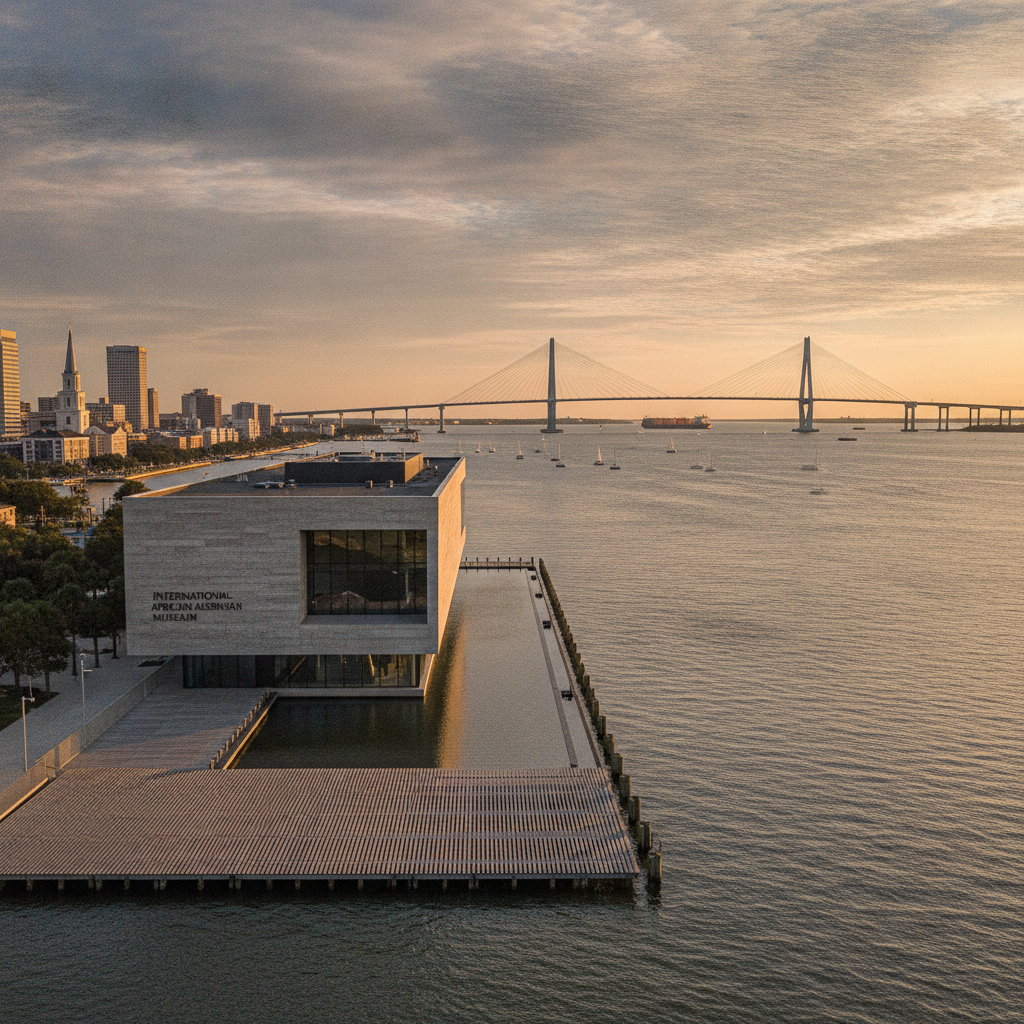
The African American history of Charleston is the foundational history of the city, as enslaved Africans constituted the majority of the population for most of the city history and their labor built every significant structure and institution. The International African American Museum, opened in 2023 on the site of Gadsden Wharf where over 100,000 enslaved Africans entered the country, is the most significant new museum in the American South in decades and directly confronts the Middle Passage experience. Charleston was the largest port of entry for enslaved Africans in North America, receiving an estimated 40 percent of all Africans brought to what is now the United States. The Denmark Vesey House on Bull Street marks the home of the free Black carpenter who planned a massive slave revolt in 1822, was betrayed, and was hanged along with 34 others. Mother Emanuel AME Church on Calhoun Street, founded in 1816 and one of the oldest Black churches in the South, was the site of the 2015 mass shooting by a white supremacist that killed nine worshippers.
Walk this route with audio
Stories play automatically as you reach each stop — no tapping needed.
More in Charleston
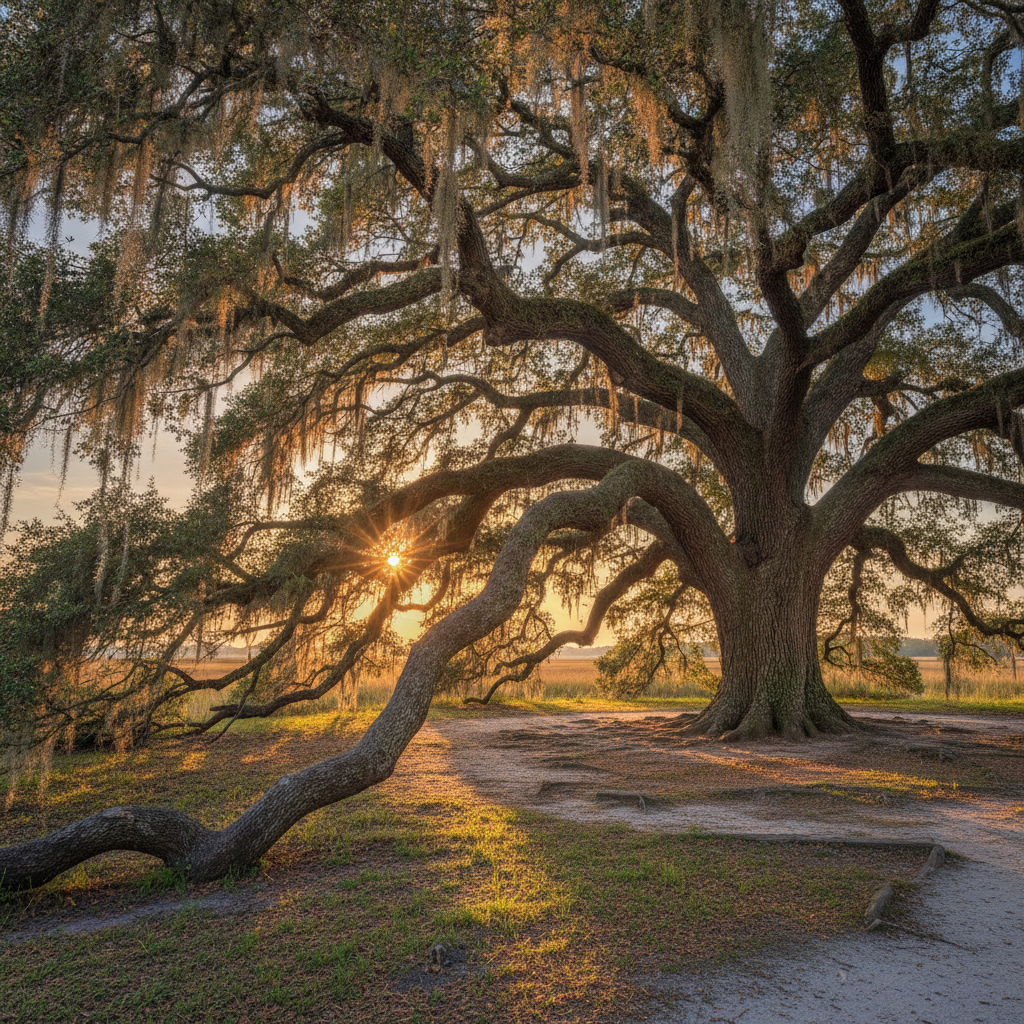
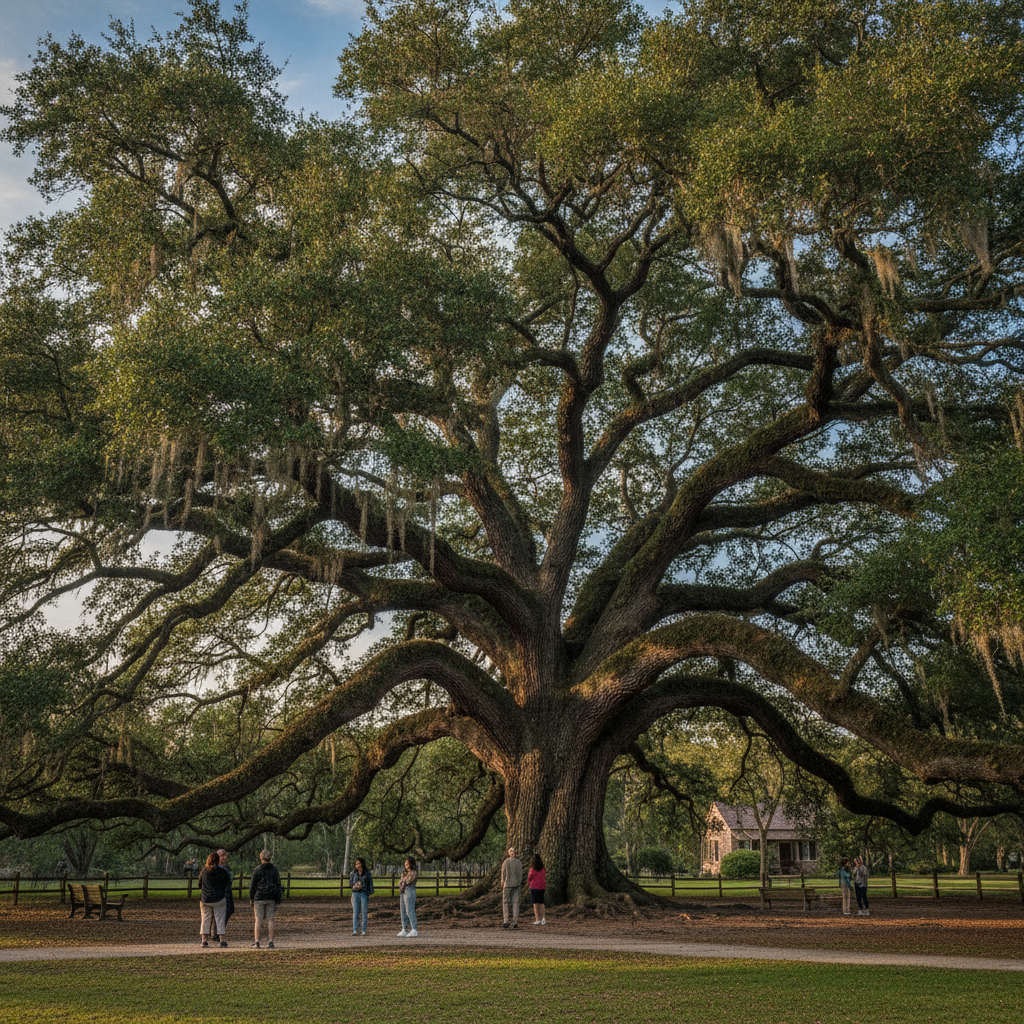
Charleston R4: Angel Oak Johns Island (400-500 years old 8.5m trunk live oak, Spanish moss bromeliad absorbs nutrients from air, Francis Beidler Forest 1000-year-old virgin bald cypress), Sea Islands Gullah heritage (Penn Center St. Helena Island 1862 first school for freed people, MLK SCLC meeting place 1960s, Port Royal Experiment 1861 first test of African American freedom, Hunting Island pristine dark sand beach), Columbia and SC interior (Congaree National Park old-growth bottomland firefly synchronization May-June, SC Aquarium sea turtle rehabilitation, Cowpens Battlefield 1781 Revolutionary War turning point), Francis Marion National Forest (longleaf pine ecosystem 3% remaining, red-cockaded woodpecker, Sewee Visitor Center Cape Romain, Wambaw Creek wilderness canoe trail), New Charleston food (Rodney Scott BBQ 2018 James Beard first Black pitmaster Outstanding SE, whole-hog live oak pits, Leon's Oyster Shop Upper King fried chicken oyster bar, craft cocktail Husk Bar Gin Joint), Ghost tours (most haunted US city top 3, Unitarian churchyard Annabel Lee grave, Old City Jail 1802 Lavinia Fisher first US female serial killer Denmark Vesey 1822 rebellion, Dock Street Theatre ghost Juanita)
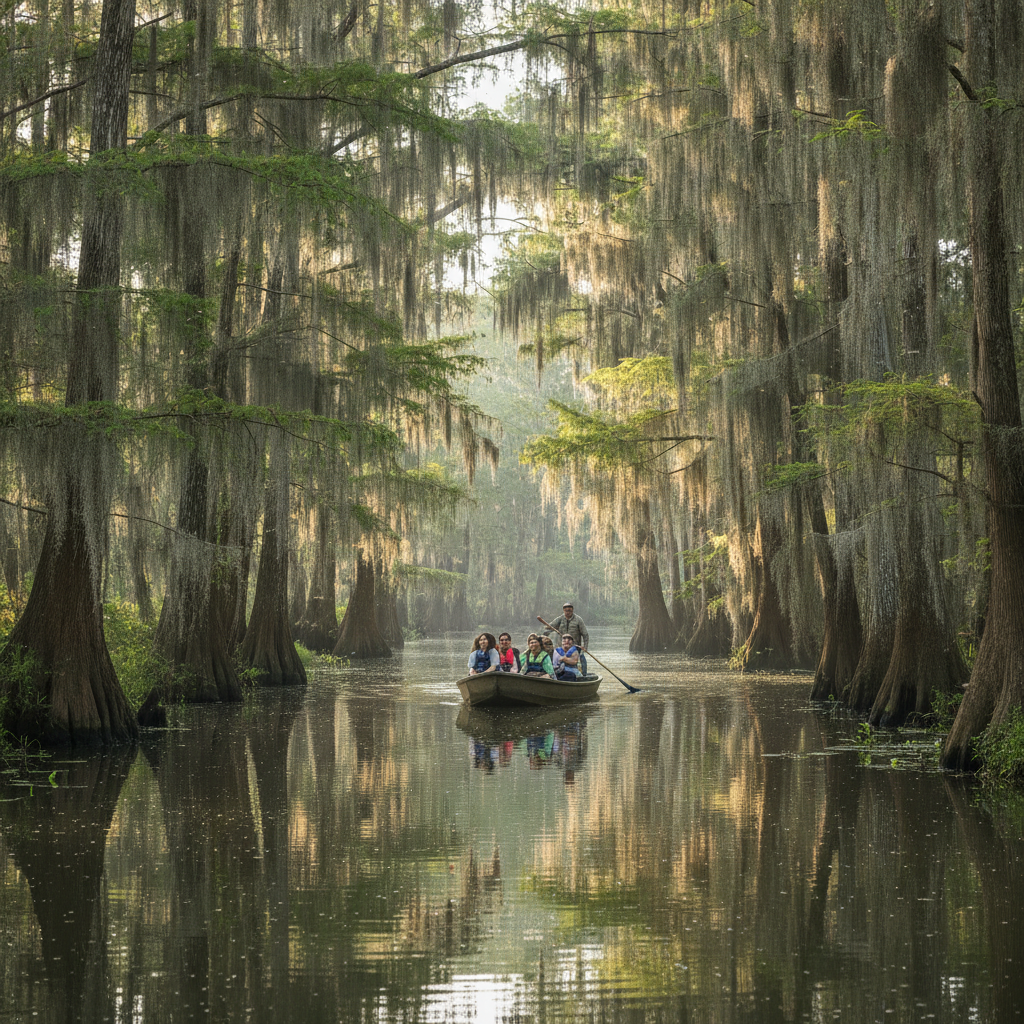
Charleston: America Oldest Museum, Self-Supporting Spiral Staircase and the Swamp Canal Older Than the Nation
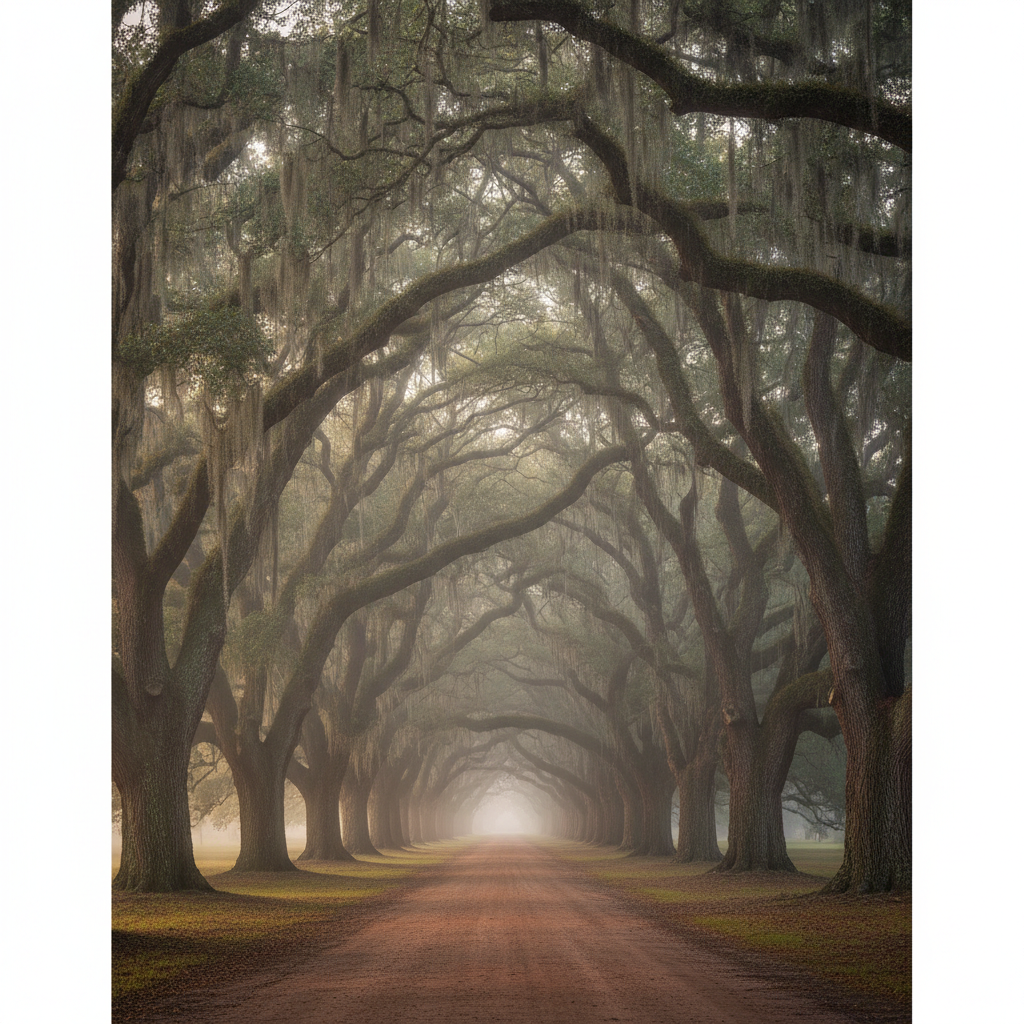
Charleston R2: Ashley River plantations (Middleton Place oldest US landscaped gardens 1741, Drayton Hall 1738 unaltered Palladian most significant US plantation house, Magnolia 1676 oldest US gardens Audubon Swamp Garden, Boone Hall Avenue of Oaks 1743), Plantation tourism ethics and Gullah tours (Slave Street brick cabins Gullah Theater, Sea Islands Johns Wadmalaw Edisto tours), Charleston Earthquake 1886 (magnitude 7.0-7.3 most powerful East Coast historical, 100 dead 2,000 buildings destroyed, Hurricane Hugo 1989 Category 4 USD 7B 27 dead, seawall flood infrastructure), Holy City churches (St. Michael's 1752 oldest SC building, Circular Congregational 1681 oldest congregation graves to 1695, Kahal Kadosh Beth Elohim 1749 oldest active Reform Jewish US, Mother Emanuel 1816 AME shooting June 17 2015 9 killed Confederate flag removed), Outdoor kayaking ACE Basin (350,000 acres largest undeveloped East Coast estuary, Hunting Island Lighthouse 1875 climbable, Congaree National Park old-growth bottomland), Day trips (Columbia USC Gamecocks Dawn Staley, Beaufort Big Chill Prince of Tides Forrest Gump filming, Port Royal Sound Civil War 1861, Hilton Head 24 golf courses)
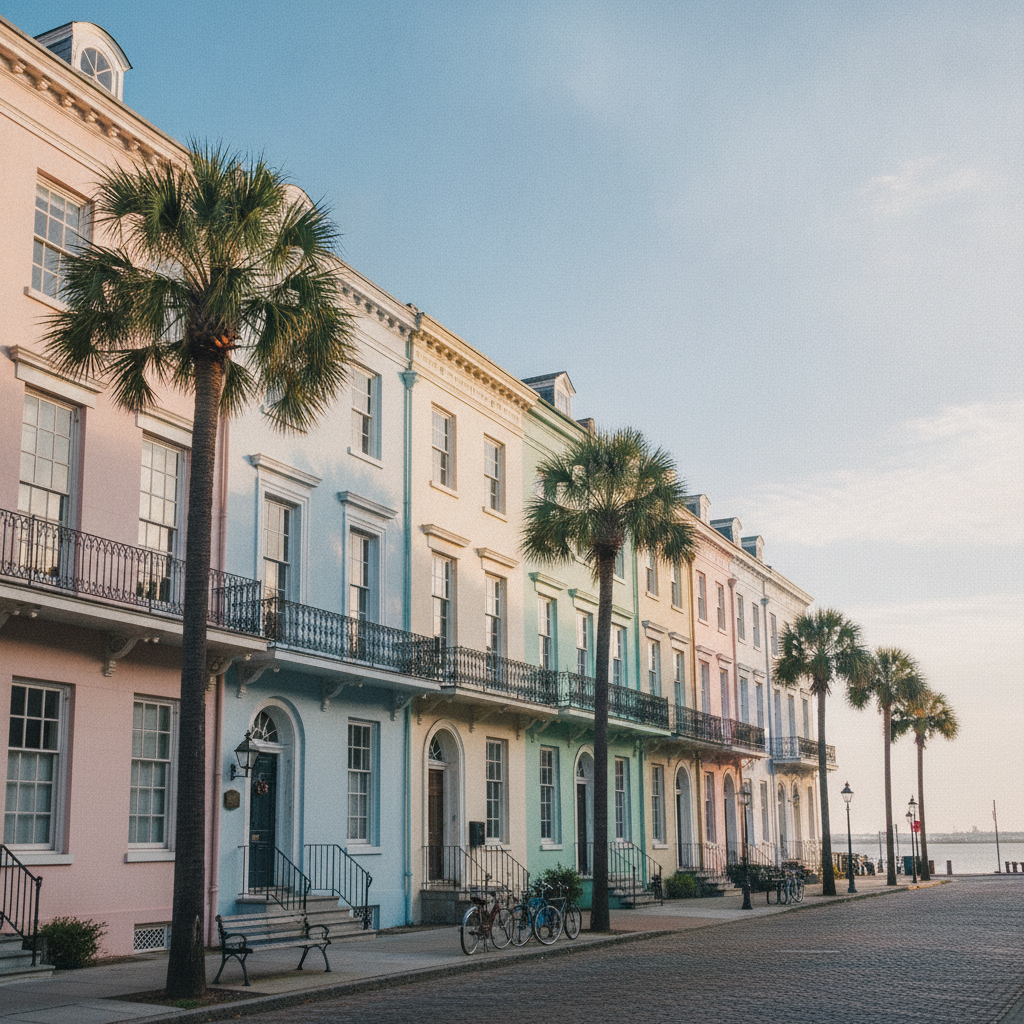
Charleston: First Submarine to Sink a Warship, Gullah Creole Language and the Pastel Row That Started a Design Trend
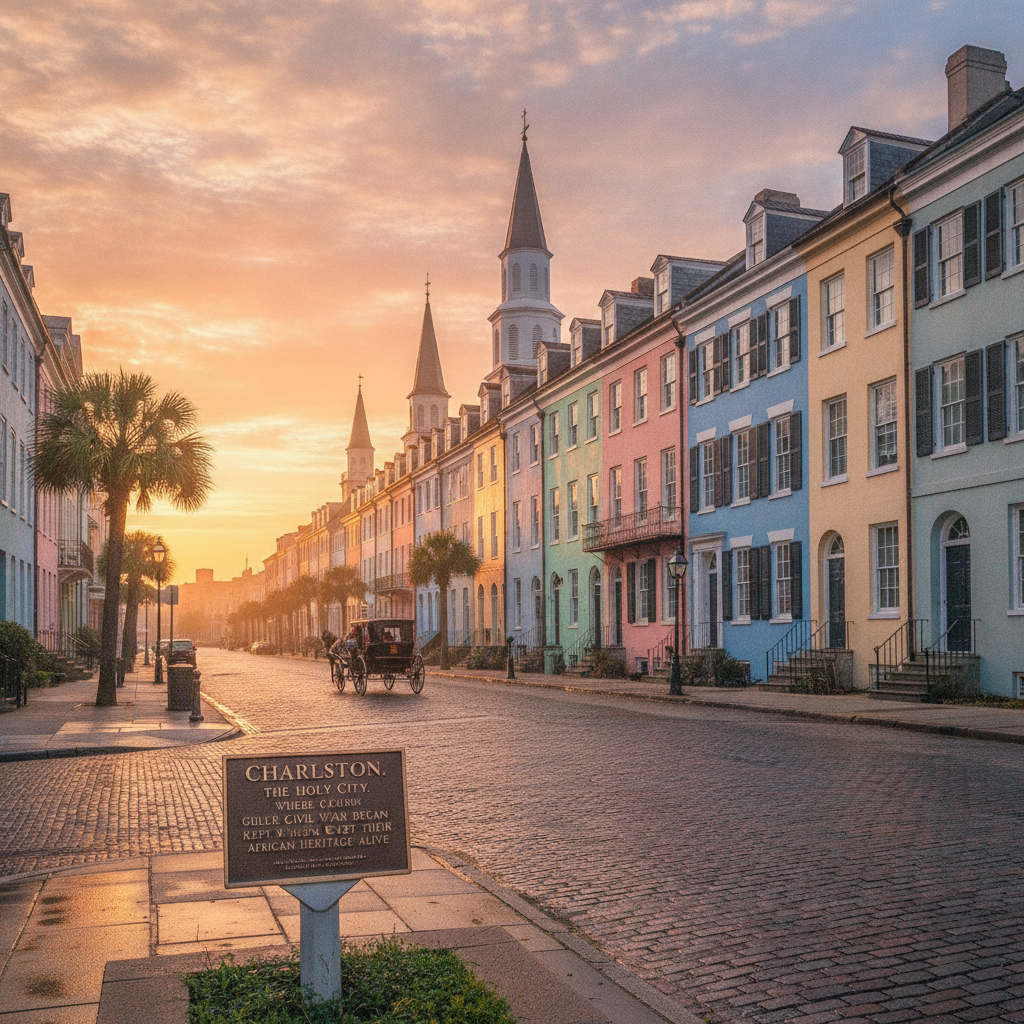
Charleston: Antebellum architecture (Holy City 400 churches, Charleston single house 300 surviving, Rainbow Row 1740s 13 pastel houses, Battery and White Point Garden Fort Sumter views), Fort Sumter (Civil War opened April 12 1861, 34-hour bombardment, 54th Massachusetts Infantry Glory film, H.L. Hunley first combat submarine sank USS Housatonic 1864 recovered 2000), Gullah Geechee culture (creole language rice cultivation sweetgrass baskets, International African American Museum January 2023 Gadsden's Wharf 40% all enslaved Africans imported, Lowcountry rice made Charleston wealthiest colonial city), Lowcountry food (FIG 2003 Lata James Beard 2009, Husk Sean Brock all-Southern-sourced menu, shrimp grits she-crab soup Lowcountry boil, Charleston City Market 1804 sweetgrass weavers), Spoleto Festival USA (largest US performing arts festival 17 days 150 performances 80,000 attendees, first US historic preservation ordinance 1931), Practical (Sullivan's Island Folly Beach Isle of Palms Kiawah Ocean Course 1991 Ryder Cup, ACE Basin largest undeveloped estuary East Coast, spring and fall best seasons CHS airport)