The Chefchaouen Jewish Community Spoke Haketia (15th Century Castilian Spanish) for 430 Years After the 1492 Expulsion and Spanish Military Officers Who Entered the City in 1920 Could Understand the Jewish Residents; The Rif Mountain Wild Thyme Honey Is the Primary Product of Chefchaouen's Traditional Agricultural Economy; Chefchaouen Receives 300,000-400,000 Visitors Per Year in a 0.4 km2 Medina
Haketia speakers understood by Spanish officers in 1920 after 430 years; Rif mountain wild thyme honey as primary traditional product; 300,000-400,000 visitors in a 0.4 km2 medina; the Rif cedar and Spanish fir forests under climate change stress; women's cooperatives as sustainable alternatives to cannabis; and Chefchaouen's future as a managed heritage destination.
- 1
Getting Lost in Chefchaouen - Navigation and the Blue Maze
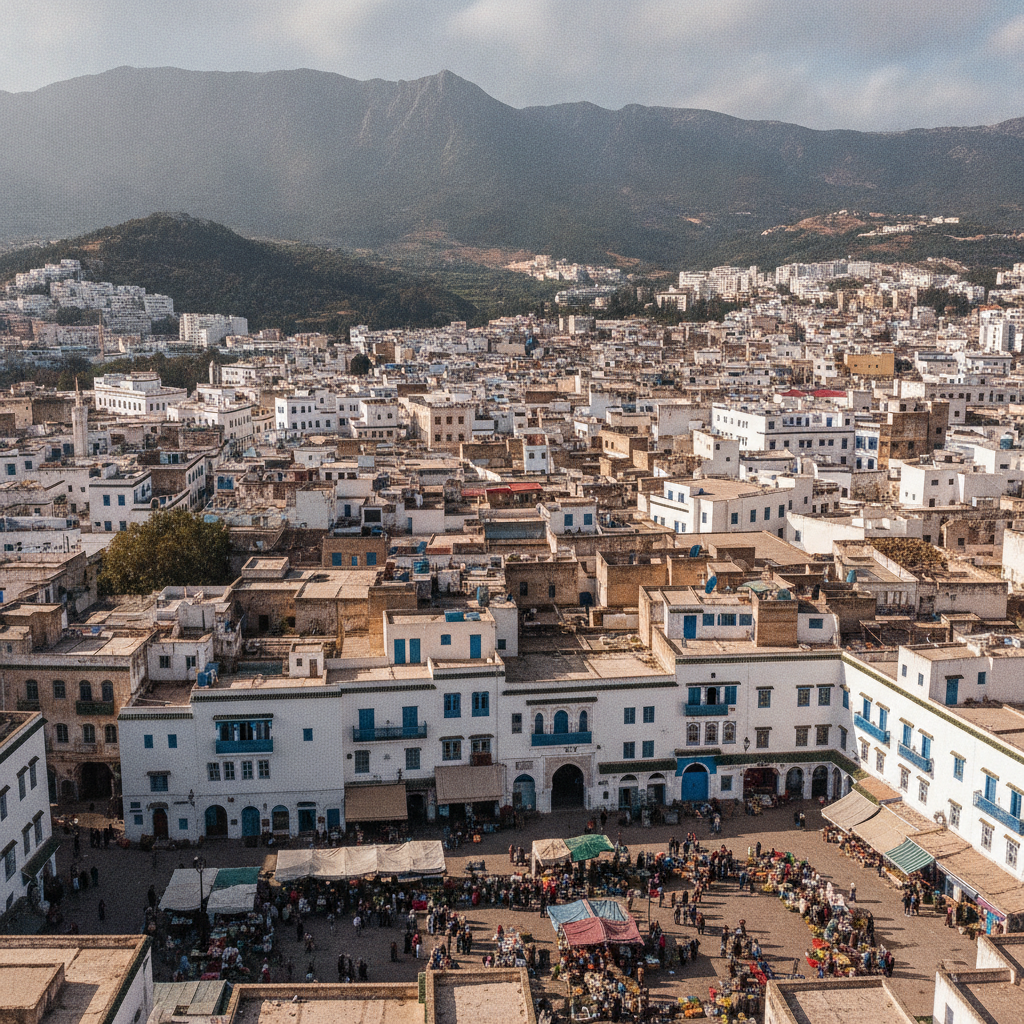
Navigation in the Chefchaouen medina: the paradox of a small medina (0.4 km2) that still disorients visitors and the art of getting pleasantly lost in the Blue City. The uniform blue color of all surfaces makes landmarks difficult to identify. The strategy: the sound of the Ras el-Maa waterfall marks the eastern edge; the call to prayer from the Grand Mosque marks the Plaza Uta el-Hammam; moving uphill leads south toward the medina wall and the Spanish Mosque; moving downhill leads north toward the Plaza. The Google Maps offline map works for primary thoroughfares but the residential dead-end alleys (derbs) are not mapped and simply end. The medina is small enough and safe enough that being lost simply means finding a different blue alleyway; every direction reveals a new photogenic composition. Arriving at Bab Ain gate at 6:30-7am gives approximately 1.5-2 hours of near-empty medina before tourist groups arrive around 8:30-9am.
- 2
The Chefchaouen Jewish Quarter - 430 Years of Haketia Sephardic Heritage
The Sephardic Jewish community of Chefchaouen, who lived in the Blue City for 430 years after the 1492 expulsion from Spain. The Alhambra Decree (March 31 1492) expelled all Jews from Spain; approximately 80,000-150,000 Sephardic Jews left. A significant number settled in Chefchaouen. The community maintained Haketia (Judeo-Spanish - medieval Castilian with Hebrew, Arabic, and later French elements) as their primary language for 430 years. When Spanish military officers entered Chefchaouen in 1920 they found that many Jewish residents still communicated in a form of 15th century Castilian Spanish that the officers could understand. The community emigrated primarily to the Spanish enclave of Ceuta in the 1930s-1950s and to Israel after 1948. No Jewish community remains in Chefchaouen today. The former Mellah (Jewish quarter) is now indistinguishable from the rest of the blue medina.
- 3
The Herbs of the Rif Mountains - Wild Thyme, Rosemary, and the Herbalist Market
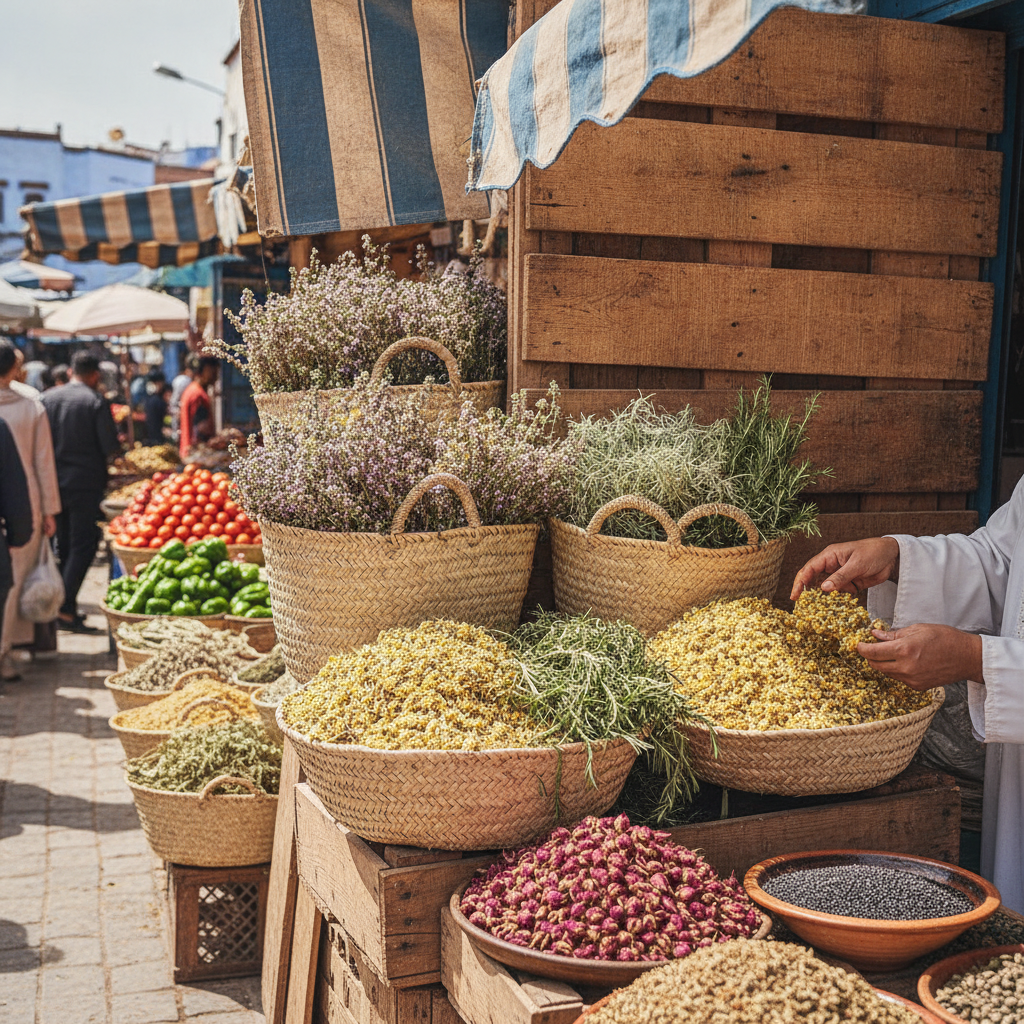
The herb culture of northern Morocco and the extraordinary richness of wild medicinal and culinary herbs from the Rif mountains limestone landscape. The primary wild herbs: wild thyme (zaatar - Thymus species - the primary source of Rif mountain thyme honey), wild rosemary (azir), wild sage (salmiya), wild oregano, wild chamomile (babunaj - used as a calming tea), black seed (Nigella sativa - habba sawda - regarded in Islamic medicine as a cure for everything except death). The herbalist section of the Chefchaouen market sells dried herbs, medicinal plants, spices, and honey in woven baskets. Fresh mint (Mentha spicata) is grown in garden plots by Jebala Berber farming communities. The Rif mountain forests produce wild mushrooms (chanterelles, porcini, boletus) after autumn rains. Jebala women collect wild herbs and forest products as a supplement to household income.
- 4
Chefchaouen Sustainability - Water, Waste, and Eco-Tourism in the Rif
The sustainability challenge of Chefchaouen: managing 300,000-400,000 visitors per year in a mountain town of 45,000 inhabitants. The primary sustainability challenges: water supply (the Ras el-Maa spring under growing tourism pressure; the Oued Laou river stressed by climate change affecting Rif precipitation); waste management (traditional medina drainage not designed for current tourism volume; plastic waste in mountain streams); the Talassemtane National Park under visitor pressure from the Akchour trail. The 2021 cannabis legalization offers a sustainability pathway: licensed cultivation could provide more stable legal income while reducing cannabis expansion into protected forests. Eco-tourism initiatives: eco-lodges in the Rif mountains, certified organic honey and cheese from Rif communities, women's cooperatives producing traditional textiles, USAID and EU alternative livelihood programs. The Rif cedar and Spanish fir forests are under climate change heat and drought stress.
- 5
Chefchaouen for Families - Kid-Friendly Activities in the Blue City
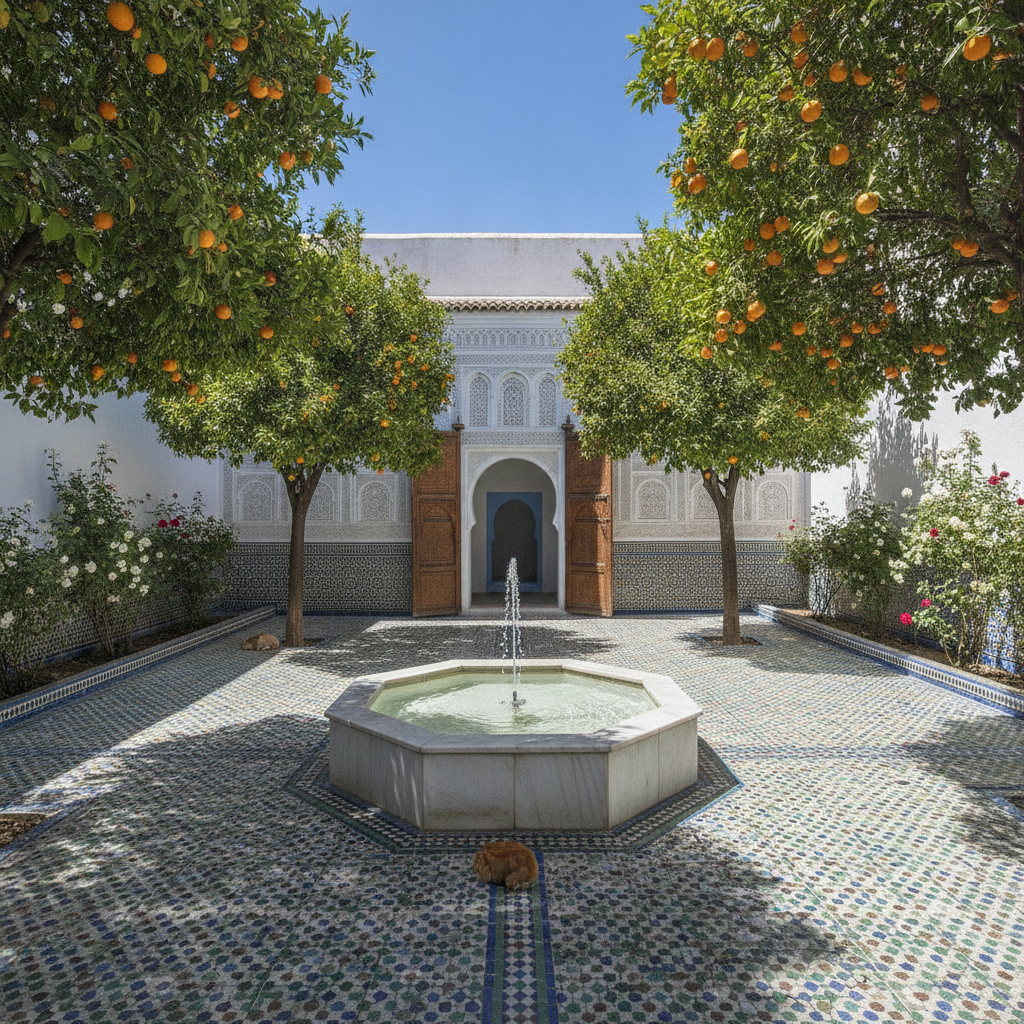
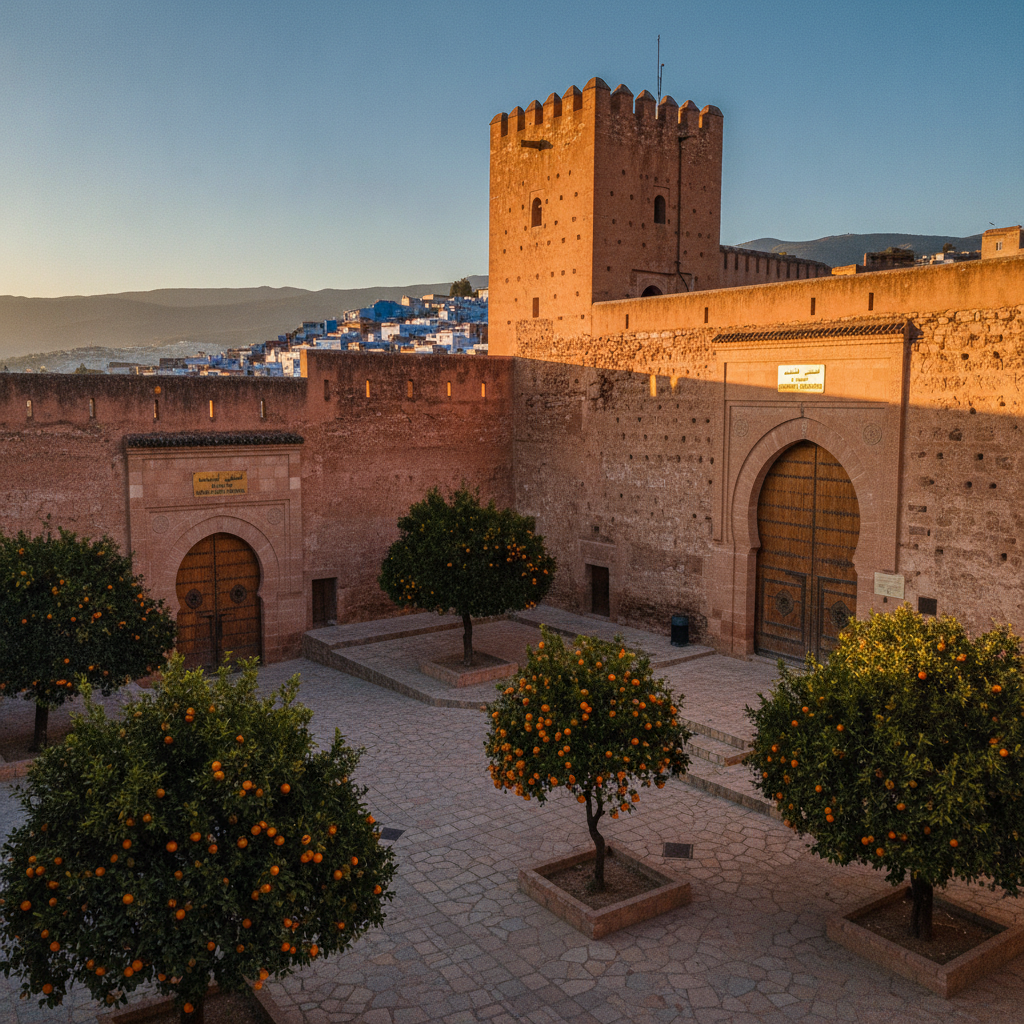
Chefchaouen for families: why the Blue City is one of Morocco's most family-friendly destinations. The medina is compact (0.4 km2), flat enough for young children in the central area, and very safe. The cats (the 500-1,500 medina cats are a source of endless fascination for children: well-fed and generally friendly: the cat photography challenge for children: find the most colorful cat on the bluest wall). The Ras el-Maa waterfall and pool: children swim in the natural limestone pool in summer: the waterfall is a 10-15 minute walk from the Plaza Uta el-Hammam. The Akchour waterfall hike: suitable for children aged 7+ for the lower waterfall (1.5 hours each way from the parking area): the gorge swimming pools. The Kasbah museum: the small ethnographic museum in the 15th century Kasbah is manageable for children aged 8+. The food: the Chefchaouen kefta tagine and the local goat cheese are child-friendly. The goat cheese (jben): buying a fresh goat cheese disc from the market and eating it with honey is a simple and authentic experience that children enjoy. The accommodation: the medina riads with their central courtyard fountains are delightful for children (the fountain, the citrus trees, the cats on the terrace).
- 6
Chefchaouen Complete Legacy - The Blue Pearl in the 21st Century
Chefchaouen complete legacy: the Blue City's significance, challenges, and future in the 21st century. The unique identity: Chefchaouen has one of the most immediately recognizable visual identities of any city in the world; the blue medina is globally distributed as a visual reference after Paris and Venice. The historical foundation beneath the Instagram aesthetic: a refugee foundation (1471); the preservation of Andalusian culture for 400+ years; the Haketia-speaking Jewish community; 430-year isolation from European contact; the Abd el-Krim Rif resistance; the cannabis economy. The challenges: managing 300,000+ visitors in a 0.4 km2 medina; water and waste sustainability; authenticity erosion as the medina is increasingly organized around tourism; 90,000 Rif farming families transitioning from illegal to licensed cannabis; the Rif mountains under climate change precipitation stress. The future: Chefchaouen is well-positioned to remain one of Morocco's primary tourist destinations; the blue aesthetic will continue to attract visitors; the challenge is managing that attraction sustainably while preserving the authentic Andalusian-Moroccan mountain culture that underlies the blue paint.
Walk this route with audio
Stories play automatically as you reach each stop — no tapping needed.
More in Chefchaouen
The Jebala Berbers of Chefchaouen's Western Rif Mountains Have Largely Lost Their Tamazight Language to Arabic Over the 17th-18th Centuries But Maintain a Distinct Cultural Identity in Dress, Music, and Agricultural Practices; Chefchaouen Spring (March-May) Offers the Best Combination of Wildflower Bloom, Mild Temperatures, Good Light, and Moderate Crowds; The Ouezzane Wazzaniyya Sufi Zawiya 44 km South of Chefchaouen Was Historically One of the Most Powerful Religious-Political Institutions in Morocco
Chefchaouen History: The Spanish Protectorate Era, the Rif War and Abd el-Krim, the Closed City Period, the Independence and Reopening, and the Bilingual Spanish-Arabic Culture
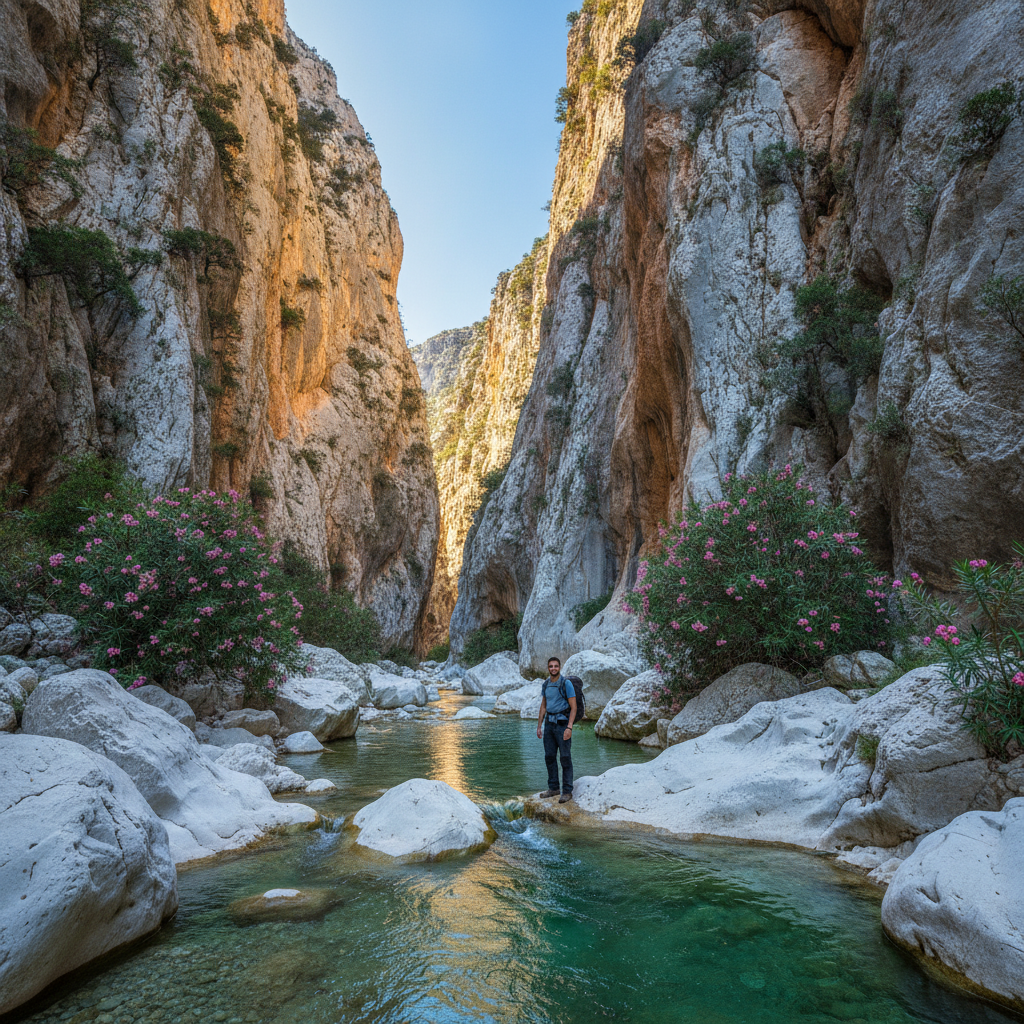
The Talassemtane National Park Protects the Only Significant Moroccan Population of the Abies Pinsapo Spanish Fir Tree Whose Primary Habitat Is the Sierra de las Nieves in Southern Spain; Chefchaouen Medina Was Described by Spanish Military Officers Entering in 1920 as the Most Perfectly Preserved Medieval Andalusian City Outside Andalusia Itself; The Beat Generation Writers Paul Bowles William S. Burroughs and Allen Ginsberg Were All Connected to Tangier During Its International Zone Period (1923-1956)
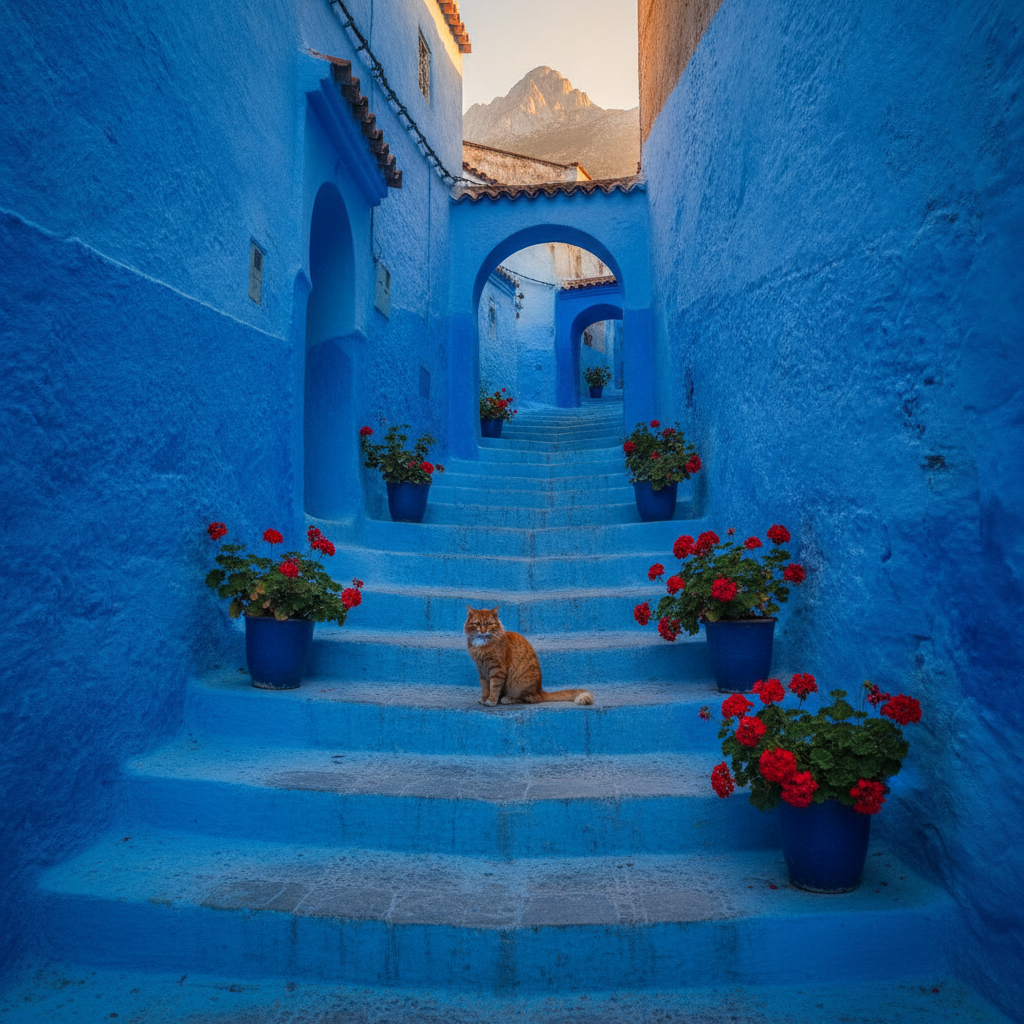
Chefchaouen's Blue Medina May Have Been Painted Blue By Jewish Refugees From the 1492 Spanish Expulsion Who Painted Doorways the Color of Heaven; The Rif Mountains Produce Approximately 40-60% of the Hashish Consumed in Europe With 90,000 Farming Families Dependent on Cannabis Cultivation; Morocco Legalized Cannabis Cultivation Under License in 2021 After Decades of the Largest Illegal Cannabis Production Zone in the World
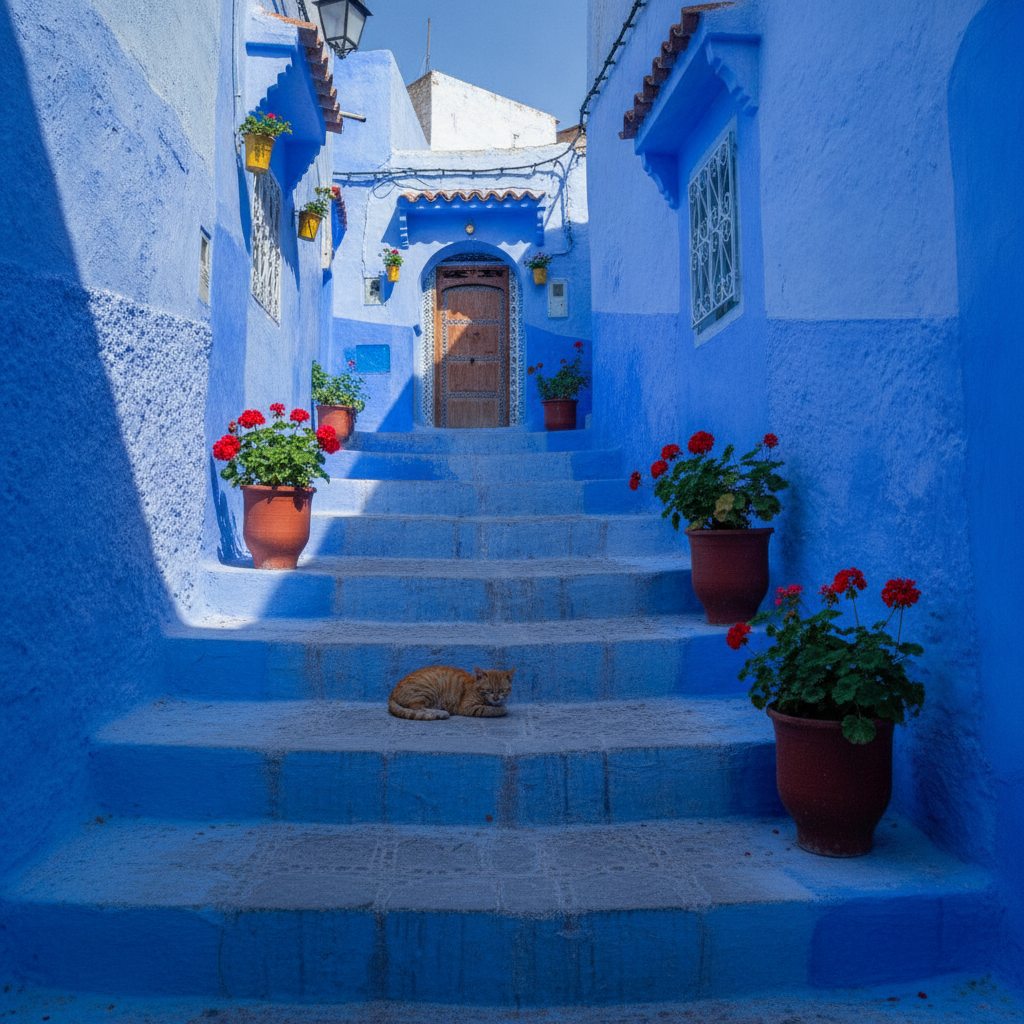
Chefchaouen Essential: The Blue-Painted Medina, the Uta el-Hammam Central Square, the Kasbah, the Rif Mountain Setting, the Photography Paradise, and the Blue Washing Tradition