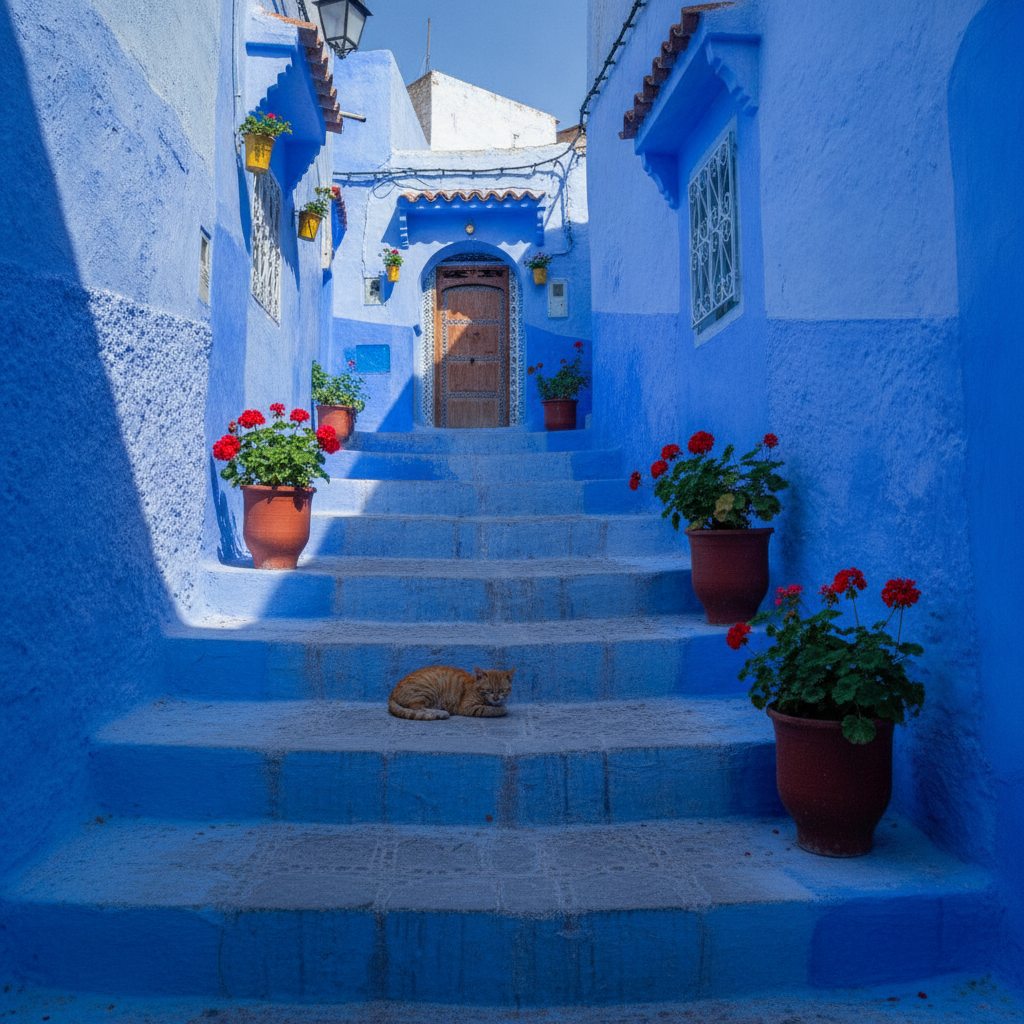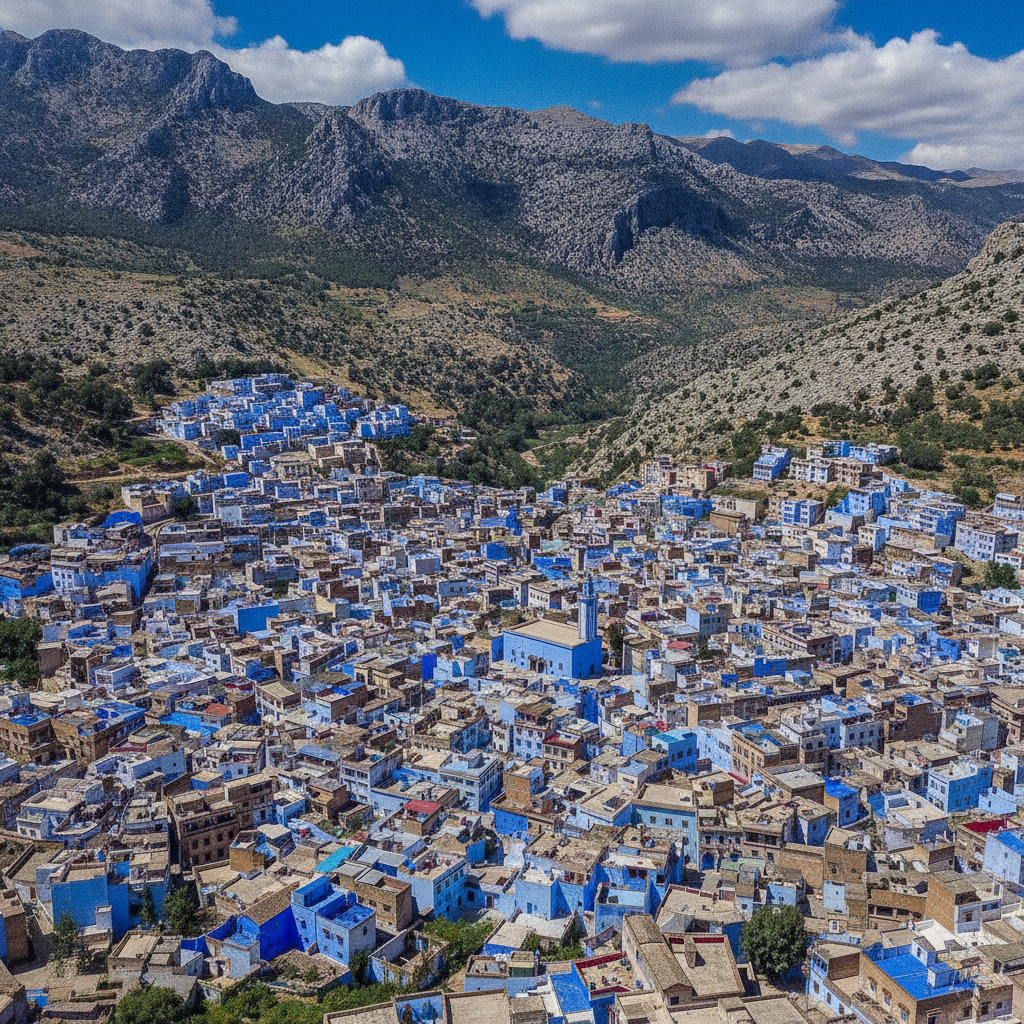
Abd el-Krim's Rif Republic Defeated 10,000 Spanish Soldiers at the Battle of Annual in 1921 Before Being Crushed by Combined French-Spanish Forces Using Mustard Gas Chemical Warfare Against Civilians; Morocco Was the First Country to Recognize American Independence in 1777 Before Any European Nation; Chefchaouen Was Inaccessible to Non-Muslim Europeans Until Spanish Military Forces Entered in 1920 and Found a Population Still Speaking Haketia Judeo-Spanish
Abd el-Krim defeating 10,000 Spanish soldiers at Annual 1921 then crushed by mustard gas; Morocco recognizing US independence in 1777 before any European nation; Chefchaouen inaccessible to non-Muslims until 1920 with a population still speaking Haketia Judeo-Spanish; the Tetouan UNESCO medina as the finest surviving Andalusian-Moroccan domestic architecture; Paul Bowles living in Tangier for 52 years; and Chefchaouen complete guide with Akchour waterfall hike and CTM buses from Tangier in 2.5 hours.
- 1
The Spanish Protectorate in Northern Morocco - Chefchaouen and Tetouan Under Spain
The Spanish Protectorate of Morocco (1912-1956) and its legacy in northern Morocco and Chefchaouen: the history guide. The protectorate division (the 1912 Treaty of Fez divided Morocco between a French zone (the majority) and a Spanish zone (the northern strip and the Ifni enclave in the south): the Spanish zone was relatively poor and mountainous - the Rif and the Jebala mountains - compared to the fertile French zone: the Spanish zone capital was Tetouan: the Spanish in Chefchaouen (Chefchaouen was inaccessible to Europeans until 1920: the city was one of the last cities in Morocco closed to non-Muslim entry: the first non-Muslim Europeans to enter Chefchaouen in modern times were the Spanish military forces who captured the city in 1920: the Spanish military commander found a small, isolated Moorish-Andalusian city that had changed little since the 15th century: many of the inhabitants in 1920 still spoke a form of Haketia (Judeo-Spanish) and Andalusian Arabic as their primary languages: Abd el-Krim and the Rif War (the Rif War (1920-1926): the armed uprising of the Rif Berbers against Spanish and French colonialism: led by the Rif political and military leader Muhammad ibn Abd al-Karim al-Khattabi (Abd el-Krim): the Battle of Annual (1921): Abd el-Krim's forces defeated the Spanish army at Annual: approximately 10,000 Spanish soldiers killed: one of the greatest military defeats suffered by a European colonial power by an indigenous African resistance movement: the Republic of the Rif (1921-1926): Abd el-Krim established the Republic of the Rif (al-Jumhuriyya al-Rifiyya) - one of the first modern republics in the Arab world: eventually defeated by a combined French-Spanish force using poison gas (mustard gas) against civilian and military targets in the Rif - one of the first uses of chemical warfare against a civilian population in history.
- 2
Chefchaouen Textiles and Crafts - The Wool Weavers and the Djellaba Tradition
Chefchaouen crafts - the textile and weaving traditions of the Rif mountain city and the distinctive local craft production: the crafts guide. The Chefchaouen market (the weekly Chefchaouen market (the Monday and Thursday market in the Place Mohammed V outside the medina): the primary market for the surrounding Rif mountain villages: the market goods: local agricultural produce (herbs, honey, olives, olive oil), livestock, and the distinctive local crafts: the textiles (the Chefchaouen textile tradition: the primary craft is hand-woven woolen products in the distinctive Chefchaouen color palette: the colors (the Chefchaouen textile tradition uses indigo blue, white, and black as the primary colors in combination with natural undyed wool (cream/brown tones): the woven products: woolen blankets (handira), woven storage bags (kbira), and the distinctive Chefchaouen djellaba: the djellaba (the Chefchaouen djellaba is a distinctive regional variant of the standard Moroccan djellaba outer garment: the Chefchaouen djellaba is woven from coarse mountain wool in natural undyed white or cream with blue and black geometric border patterns: the djellaba hood (the Chefchaouen djellaba has a distinctive pointed hood (qob) in a different weave from the body: the weavers (the traditional hand weavers (nassajin) of Chefchaouen work on upright wooden frame looms: the looms are often set up in the doorways of workshops in the medina souks: the leather goods (the local leather tradition: the hand-stitched leather bags (sharaba) and the babouche slippers in the distinctive Chefchaouen blue: the goat cheese (jben chaouni: the fresh local goat cheese sold in the weekly market: produced by the Rif mountain Berber farming communities).
- 3
The Berber Jebala Culture of the Rif - The Indigenous People of Chefchaouen's Mountains
The Jebala Berber culture of the western Rif mountains - the indigenous Amazigh population whose culture underlies the Islamic-Andalusian culture of Chefchaouen: the indigenous culture guide. The Jebala (the Jebala (also Jebli) - the Berber Amazigh communities of the western Rif mountains and the Jebala region of northern Morocco: the Jebala are among the most Arabicized of the Moroccan Berber groups - the majority speak Moroccan Darija Arabic rather than a Tamazight Berber dialect (the Arabic-Berber language shift in the Jebala region was largely complete by the 17th-18th centuries): the Jebala cultural identity (the Jebala maintain a distinct cultural identity marked by: the specific style of Jebala women's dress (the Jebala women's haik - the large white or cream woolen wrap dress worn over the head with the face partially uncovered): the Jebala music (the Jebala musical tradition: the malhun sung poetry tradition in the Jebala dialect: the female qasba flute players: the Jebala traditional dances): the Jebala settlements (the Jebala settlement pattern: fortified hilltop villages (douar) of stone and rammed earth construction in the mountain valleys: the grain stores (agadir): the communal grain storage fortresses of the mountain communities: the market (the weekly tribal market (souk) as the primary economic and social gathering of the Jebala community: the Chefchaouen market serves the surrounding Jebala mountain communities: the colonial disruption (the Spanish Protectorate and the subsequent Moroccan state disrupted traditional Jebala governance structures: the post-independence period saw significant internal migration from the Rif and Jebala mountains to the coastal cities (Tangier, Tetouan, Casablanca): the current situation (the Jebala mountain communities are among the poorest in Morocco: the cannabis economy is the primary income source for many Jebala and Rif Berber farming families).
- 4
Tetouan - The Andalusian City Near Chefchaouen and the Spanish Protectorate Capital
Tetouan - the primary city near Chefchaouen and the former capital of the Spanish Protectorate of Morocco: the city guide. The location (Tetouan is located 60 km northeast of Chefchaouen and 57 km southeast of Tangier at the foot of the Rif mountains: the primary city of the Spanish zone of Morocco: the Tetouan medina (the UNESCO World Heritage-listed medina of Tetouan (1997): the Tetouan medina was largely rebuilt in the 15th century by Andalusian Muslim refugees from Granada and other Spanish cities after the Reconquista: the medina has a distinctively Andalusian character - the whitewashed houses, the wrought iron window grilles (rejas), the cobblestone streets - that distinguishes it from the traditional Moroccan medinas of Fes and Marrakech: the Andalusian character (the Tetouan medina contains the finest surviving Andalusian-Moroccan domestic architecture in Morocco: the whitewashed house facades with ornate carved plaster decorative bands and wooden balconies: the network of derbs (residential alleys): the souks (the souks of Tetouan are less touristy than those of Fes or Marrakech - the medina is used primarily by the local population: the National Museum of Tetouan (the ethnographic and archaeological collections of northern Morocco: the Musee de la Kasbah: the Spanish colonial architecture (the Spanish Protectorate capital built a significant colonial city adjacent to the Tetouan medina in a Neo-Moorish architectural style (combining Spanish colonial architecture with Moroccan Mudejár elements): the result is a distinctive hybrid urban landscape: the Tetouan fine arts (the Tetouan School of Fine Arts (Ecole des Beaux-Arts de Tetouan) - one of the most important art schools in Morocco: founded during the Spanish Protectorate: the Tetouan embroidery (Terz Tetouani) - the Tetouan embroidery tradition: distinct geometric patterns in polychrome silk thread).
- 5
Tangier - The Gateway City and Day Trip From Chefchaouen
Tangier - the international port city at the entrance to the Mediterranean and the most accessible major city on a day trip from Chefchaouen: the Tangier guide. The location (Tangier is located at the entrance to the Strait of Gibraltar: the northernmost city of Morocco: visible across the Strait of Gibraltar from the Spanish coast (the distance from Tangier to Tarifa (Spain) is approximately 14 km): the international period (the Tangier International Zone (1923-1956): Tangier was governed as a jointly-administered international zone by Britain, France, Spain, and several other European powers during this period: the International Zone gave Tangier a unique status with no customs duties, a free press, multiple currencies, and a tolerance for activities (gambling, drug dealing, and sexual conduct) that were illegal in the surrounding European colonial territories: the American writers (Tangier's unique status attracted a community of American and European writers and artists in the 1950s-1960s: the primary Beat Generation connection: Paul Bowles (1910-1999) - the American writer who lived in Tangier for 52 years until his death: his novel The Sheltering Sky (1949) brought Tangier to the attention of the American literary public: William S. Burroughs wrote parts of Naked Lunch in Tangier: Allen Ginsberg and Jack Kerouac visited Tangier: the Grand Socco (the Grand Socco (Place du Grand Socco - the primary market square of the Tangier medina and the junction between the medina and the ville nouvelle: the American Legation Museum (the American Legation Building in Tangier: the first American public property outside the United States (1821): the first country to recognize American independence was Morocco (1777) - the Sultan of Morocco opened his ports to American ships before any European nation: the Kasbah (the Tangier Kasbah and the Dar el-Makhzen (the former Moroccan royal palace - now a museum).
- 6
Chefchaouen Complete Guide - Blue City, Rif Mountains, and Northern Morocco
Chefchaouen complete guide - the comprehensive reference for visitors to Morocco's most photographed city and the broader northern Morocco region: the complete guide. The city (Chefchaouen (Chaouen, Xauen): population approximately 45,000: altitude approximately 600-900m in the western Rif mountains: founded 1471 by Ali ibn Rashid: the blue medina (the entire medina painted in varying shades of blue from cerulean to indigo: the probable origin - Jewish refugee community from 1492 Spanish expulsion: amplified by tourism from the 1980s: the primary sights: the Plaza Uta el-Hammam (the central square with the octagonal-minaret Grand Mosque and the Kasbah museum): the Ras el-Maa spring and waterfall (the eastern medina water source): the Spanish Mosque viewpoint (30-40 min hike above the medina - the best panoramic view): the blue alleyways for photography (best before 9am): the Kasbah museum (Moroccan traditional art and Islamic history displays): the natural setting (the Rif limestone mountains surrounding the city: the Talassemtane National Park (the protected park east of Chefchaouen: the Akchour waterfall hike (16 km east - 1.5-2 hours each way through the park gorge): the crafts (Chefchaouen local products: the jben goat cheese, the Rif honey, the woolen djellabas, the blue leather goods): the logistics (no airport, no train: CTM buses from Tangier 2.5h, Fes 4h, Casablanca 5.5h: the season (year-round: spring and autumn are the best seasons: July-August is hot and crowded with Moroccan domestic tourists: Ramadan is particularly atmospheric in the medina: the nearby cities (Tetouan 60 km (UNESCO medina): Tangier 78 km (the literary city, the Strait of Gibraltar, the first country to recognize US independence).
Walk this route with audio
Stories play automatically as you reach each stop — no tapping needed.
More in Chefchaouen
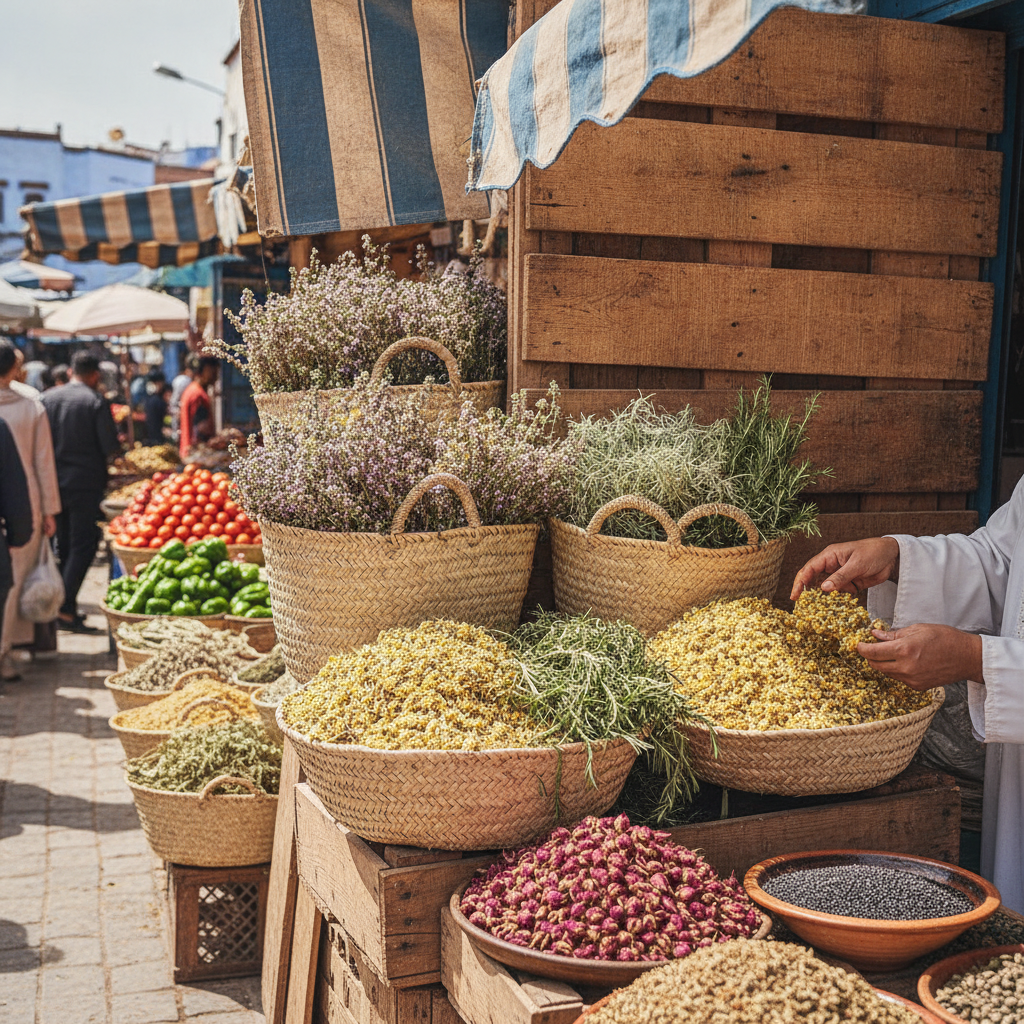
The Chefchaouen Jewish Community Spoke Haketia (15th Century Castilian Spanish) for 430 Years After the 1492 Expulsion and Spanish Military Officers Who Entered the City in 1920 Could Understand the Jewish Residents; The Rif Mountain Wild Thyme Honey Is the Primary Product of Chefchaouen's Traditional Agricultural Economy; Chefchaouen Receives 300,000-400,000 Visitors Per Year in a 0.4 km2 Medina
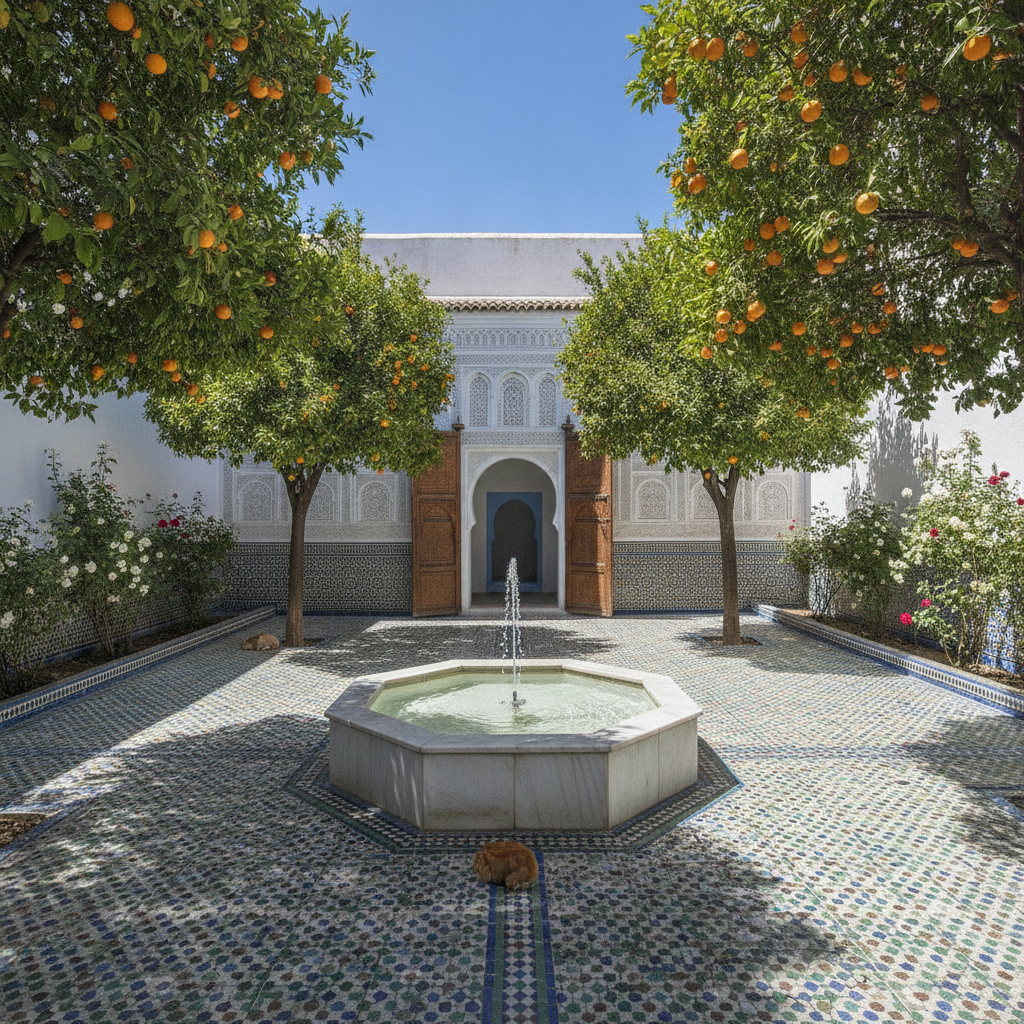
The Jebala Berbers of Chefchaouen's Western Rif Mountains Have Largely Lost Their Tamazight Language to Arabic Over the 17th-18th Centuries But Maintain a Distinct Cultural Identity in Dress, Music, and Agricultural Practices; Chefchaouen Spring (March-May) Offers the Best Combination of Wildflower Bloom, Mild Temperatures, Good Light, and Moderate Crowds; The Ouezzane Wazzaniyya Sufi Zawiya 44 km South of Chefchaouen Was Historically One of the Most Powerful Religious-Political Institutions in Morocco
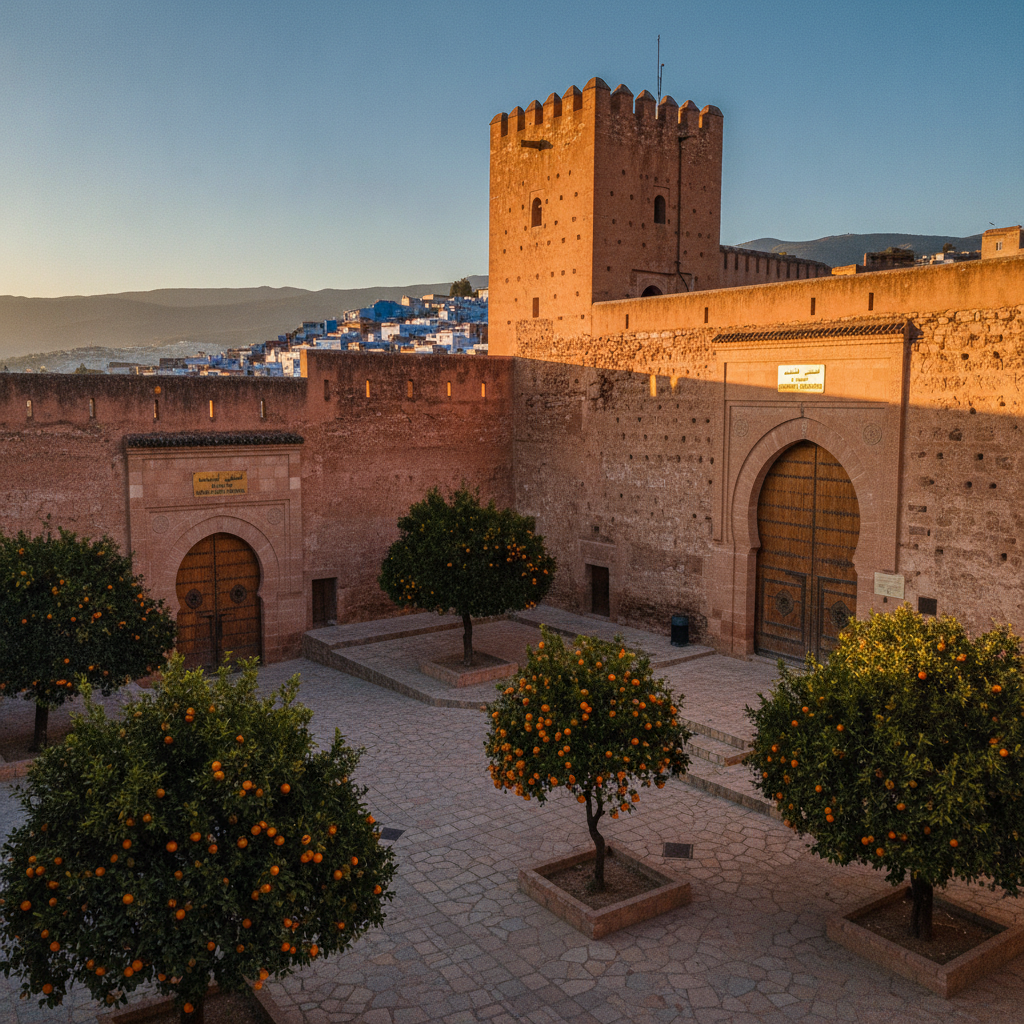
Chefchaouen History: The Spanish Protectorate Era, the Rif War and Abd el-Krim, the Closed City Period, the Independence and Reopening, and the Bilingual Spanish-Arabic Culture
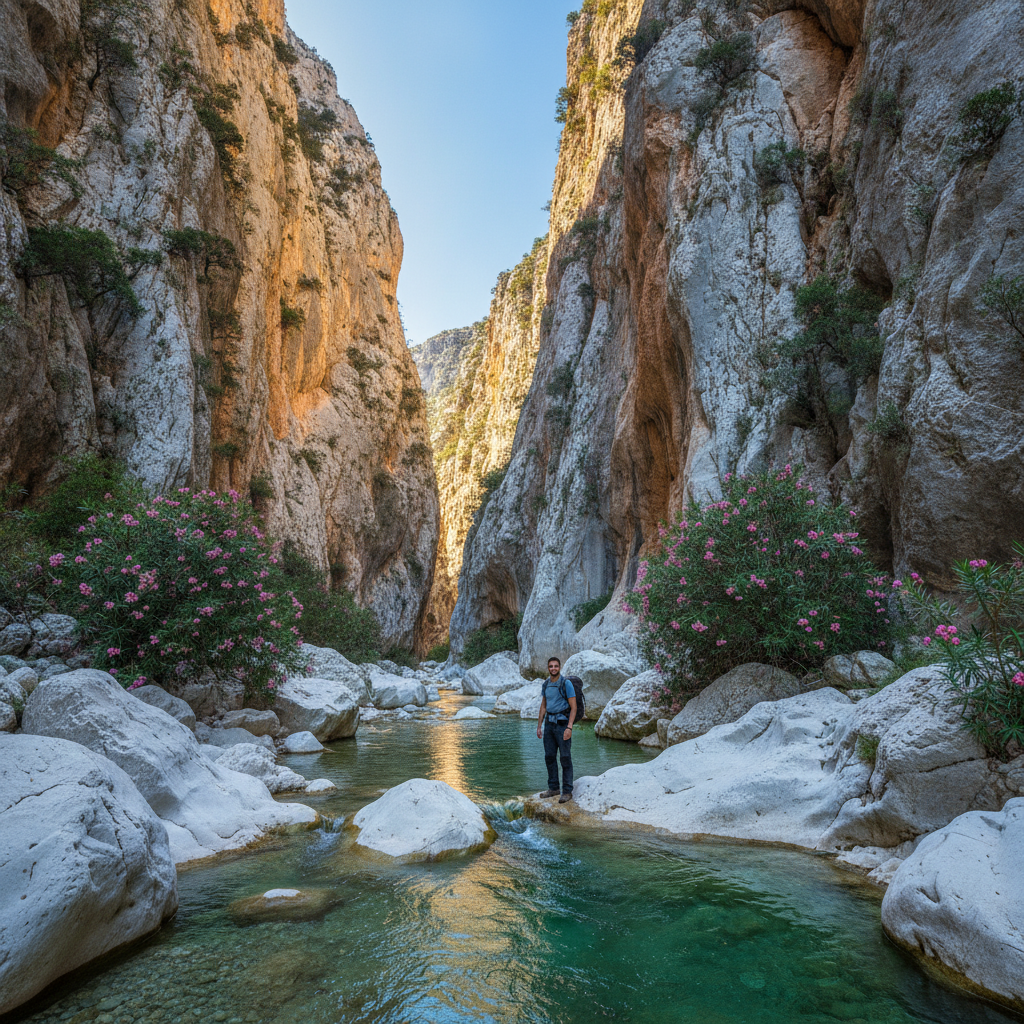
The Talassemtane National Park Protects the Only Significant Moroccan Population of the Abies Pinsapo Spanish Fir Tree Whose Primary Habitat Is the Sierra de las Nieves in Southern Spain; Chefchaouen Medina Was Described by Spanish Military Officers Entering in 1920 as the Most Perfectly Preserved Medieval Andalusian City Outside Andalusia Itself; The Beat Generation Writers Paul Bowles William S. Burroughs and Allen Ginsberg Were All Connected to Tangier During Its International Zone Period (1923-1956)
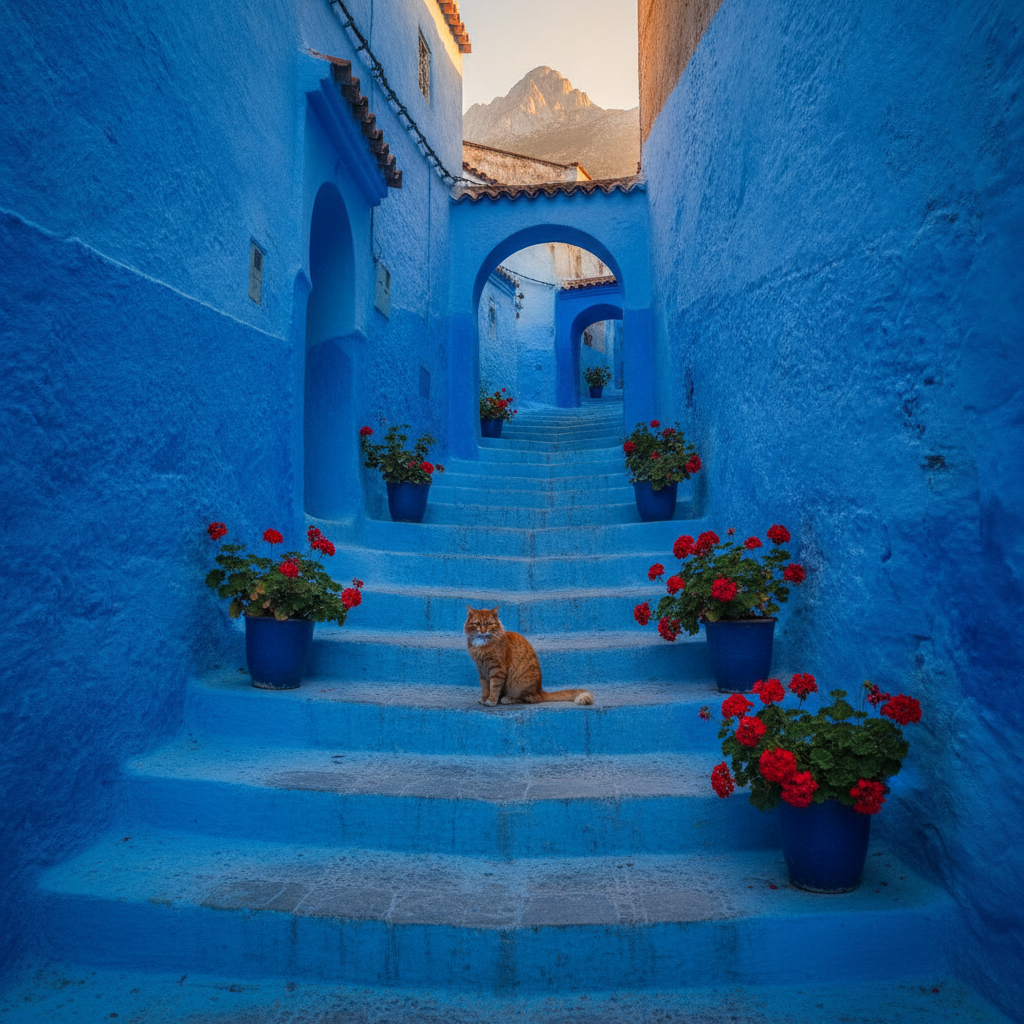
Chefchaouen's Blue Medina May Have Been Painted Blue By Jewish Refugees From the 1492 Spanish Expulsion Who Painted Doorways the Color of Heaven; The Rif Mountains Produce Approximately 40-60% of the Hashish Consumed in Europe With 90,000 Farming Families Dependent on Cannabis Cultivation; Morocco Legalized Cannabis Cultivation Under License in 2021 After Decades of the Largest Illegal Cannabis Production Zone in the World