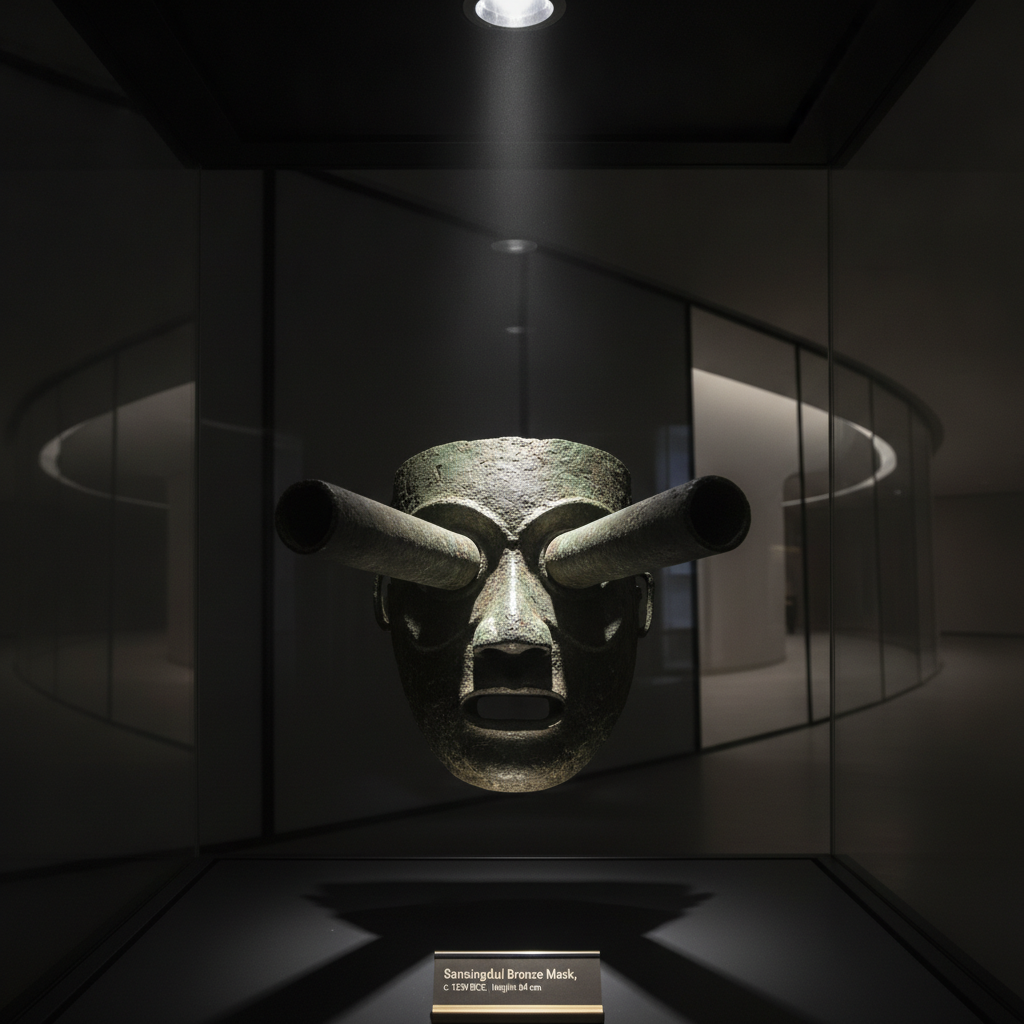
The Sichuan Opera, Du Fu's Thatched Cottage & the Plain That Fed the Han Dynasty
The Wuhou Shrine's reverse hierarchy (minister above emperor) as a unique Chinese temple convention; Du Fu's Thatched Cottage as the most visited poet's residence in China; the Chengdu Plain's Han Dynasty rice surplus feeding the empire during the Three Kingdoms wars; the biànliǎn face-changing as Chinese state secret; the Sanxingdui sacred tree's cosmic symbolism; and the Chengdu teahouse as the most democratized social institution in Chinese urban history.
- 1
Du Fu's Thatched Cottage – Poetry in Exile
Du Fu's Thatched Cottage (杜甫草堂—the thatched hut where the Tang Dynasty poet Du Fu (712–770 CE) lived in exile in Chengdu from 759–765 CE): the most visited poet's residence in China and the cultural site that positions Chengdu in the Chinese literary canon. Du Fu is considered alongside Li Bai as the greatest Chinese poet (the two poets are known as 'Li Du'—the pairing that defines the Tang Dynasty poetic tradition). The cottage (the reconstructed thatched hut within a large garden park in the western part of Chengdu city center—the original hut was rebuilt multiple times after Du Fu's death): the 1,500 poems Du Fu wrote during his Chengdu years (240 poems in total during the Chengdu period—a quarter of his surviving output) include 'Spring View' (春望) and 'Eight Poems on Autumn' (秋兴八首). The gardens (the 20-hectare park surrounding the cottage, planted with bamboo, persimmon trees, and osmanthus—the plants mentioned in Du Fu's Chengdu poems): the most literarily annotated urban garden in China.
- 2
Sichuan Opera – Kunqu's Wild Southern Cousin
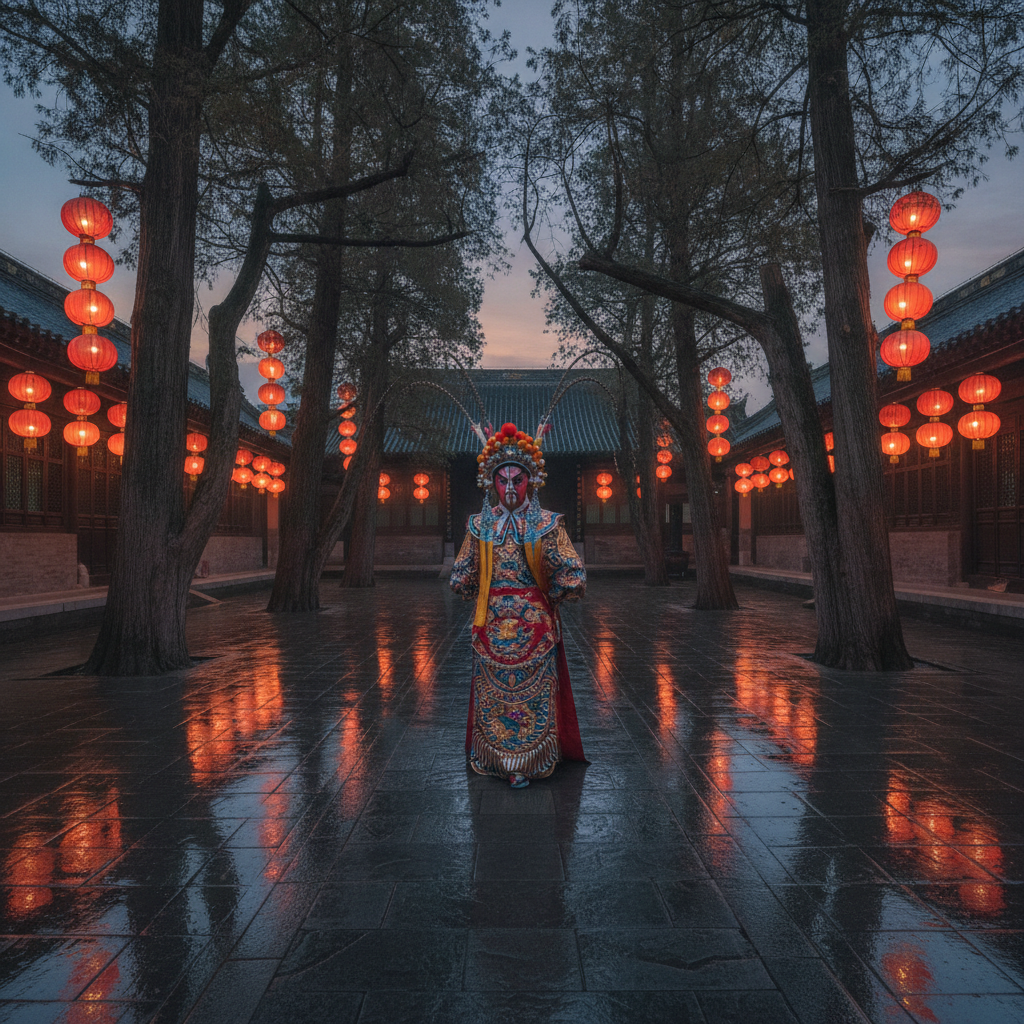
Sichuan opera (川剧, Chuān jù): the regional opera tradition that developed in Chengdu from the early Qing Dynasty (17th century) by combining the techniques of 5 different regional opera styles (Kunqu, Huiqu, Shaanxi opera, Hubei opera, and Sichuan folk drama) into a style notable for its comic timing, percussion-heavy accompaniment, and the spectacular special effects not found in Beijing opera. The biàn liǎn (变脸—face-changing): the most internationally famous Sichuan opera technique—the rapid switching of elaborately painted masks by performers using a technique classified as a Chinese state secret and taught only within designated opera families. The speed: the mask changes in under 0.1 seconds (filmed at 1,000 frames per second, the mechanism is still partially obscure). The fire-spitting (喷火, pēn huǒ): the second Sichuan opera special effect—the performer spits flammable liquid onto a lit torch to produce a fireball—performed at close range to the audience in the intimate Chengdu opera theatres. The primary performance venues: the Sichuan Opera Changyu Theatre (锦江剧场) near the Jinli area and the Qintai Grand Theatre.
- 3
The Chengdu Plain – Land of Abundance
The Chengdu Plain (成都平原—the flat alluvial basin of the Sichuan Basin, approximately 450 km² in area, at 500m elevation): the most fertile agricultural plain in China and the agricultural base that made Sichuan the 'Land of Abundance' (天府之国, tiānfǔ zhī guó) for the past 2,000 years. The rice surplus (the Dujiangyan-irrigated Chengdu Plain produced the rice surplus that fed the Qin Dynasty armies during the unification of China in 221 BCE and supplied the Han Dynasty capital during the Three Kingdoms wars): the most strategically important agricultural zone in pre-modern Chinese history. The current agricultural productivity: the Chengdu Plain produces approximately 30% of Sichuan Province's grain output and the majority of its vegetable production despite covering only 10% of the province's land area. The agricultural landscape visible from the train between Chengdu and Dujiangyan (the rice paddies, rape flower fields in spring, and tangerine orchards that characterize the flat plain between the city and the mountains)—the most agricultural approach to any major Chinese city.
- 4
Chengdu's Bookstores & Literary Culture
The Chengdu literary culture: the city's position as the publishing and literary center of western China, the home of the most bookstores per capita of any major Chinese city, and the location of several of China's most architecturally celebrated independent bookstores. Fangsuo Commune (方所—the flagship independent bookstore in the Taikoo Li Chengdu mall): the bookstore designed as a library-cultural-space hybrid (4,000 m² of books, art objects, plants, and reading spaces in a converted mall basement): named one of the world's 10 most beautiful bookstores by multiple international design publications. The Chengdu poetry tradition (the city that produced Du Fu, Xue Tao (the Tang Dynasty woman poet who invented the Xue Tao poetry paper—a small red paper format still manufactured today), and the contemporary Sichuan poetry school (四川诗派)—the 1980s avant-garde poetry movement that produced the most internationally translated contemporary Chinese poets). The Chengdu bookstore circuit: the Yu Chengdu Bookstore (Yu Chengdu 言几又书店) and the Page One Bookstore in Taikoo Li.
- 5
Chengdu's Parks & Green Infrastructure
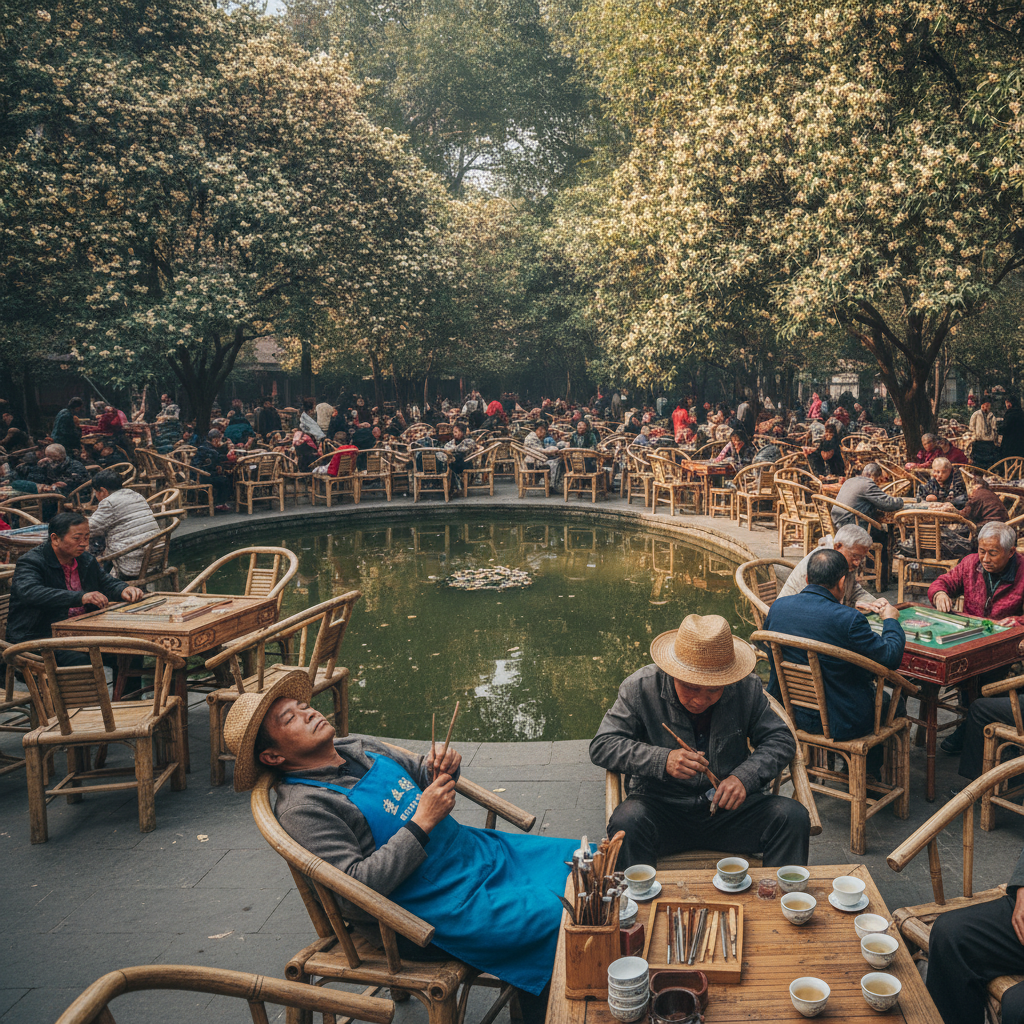
Chengdu has the highest park coverage of any Chinese city of comparable size—a legacy of the garden culture embedded in the Sichuan lifestyle philosophy. The People's Park (人民公园): the 140,000 m² central park housing the most famous Chengdu teahouse (2,000 seats), the most politically symbolic monument in the city (the monument to the Railway Protection Movement (保路运动—the 1911 rebellion that triggered the Xinhai Revolution overthrowing the Qing Dynasty—the most consequential single political event to start in Chengdu)), and the largest mahjong playing area in any Chinese urban park. The Tianfu Greenway (天府绿道): the 16,000-km greenway network surrounding and connecting Chengdu—the largest urban greenway system in China and the most ambitious urban ecological corridor project in any Chinese city. The osmanthus season: October–November, when the Chengdu parks and streets fill with the fragrance of osmanthus (桂花, guì huā) trees in bloom—the most characteristic seasonal smell of Chengdu.
- 6
Chengdu Accommodation & Visitor Intelligence
The Chengdu accommodation landscape: the city with the most complete range of visitor accommodation in western China. The Taikoo Li area (the luxury boutique hotels surrounding the Taikoo Li open-air shopping center in the Chunxi Road district—the Niccolo Chengdu, the Temple House (博舍), and the Jing Hotel): the most design-focused accommodation in Chengdu. The Temple House (博舍): the boutique hotel built within and around a Qing Dynasty courtyard complex in the Taikoo Li development—the most architecturally distinctive hotel in Chengdu (winner of multiple international design awards; the courtyard pools and the preserved Qing-period buildings in the hotel's center). The budget options: the Chengdu Youth Hostel near the Wuhou Shrine and the international backpacker zone in the streets south of the Jinli Ancient Street. The visitor intelligence: the Chengdu weather (the city is famously overcast—the Sichuan Basin weather produces fewer sunny days per year than almost any other major Chinese city (the local saying: 'Sichuan dogs bark at the sun (蜀犬吠日)' because sunny days are so rare that even dogs are startled by them)); the optimum visit months (March–May and September–November for the most comfortable temperatures and the lowest rainfall).
Walk this route with audio
Stories play automatically as you reach each stop — no tapping needed.
More in Chengdu

The Institution Responsible for 80% of All Captive Panda Births, the Firefox Browser Named After a Red Panda & the 1,200-Year Stone Buddha With a Built-In Rain Drainage System
The Earthquake That Exposed Tofu Construction, the Dinosaur Capital Producing More Significant Fossils Than Anywhere in China & the Dog That Barks at the Sun
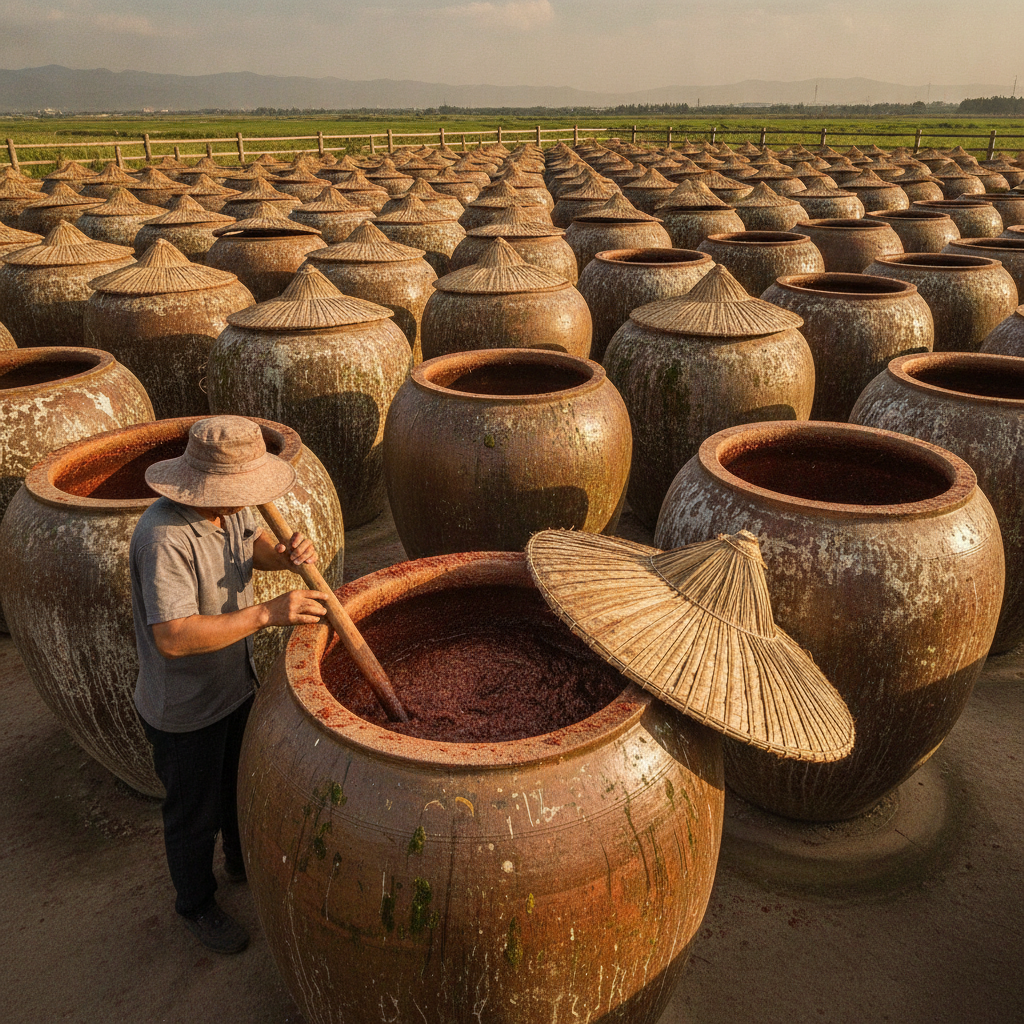
The 300-Year Paste With Its Own Museum, the Glacier Descending to 2,850m (the Lowest in Asia South of the Arctic Circle) & the Wonton Restaurant Open Since 1941
The UNESCO Gastronomy City Where the Spice Numbs Before It Burns, the 3,000 Aggressive Mountain Monkeys Armed With Walking Sticks & the State-Secret Face-Changing Opera That Switches Masks in 0.1 Seconds