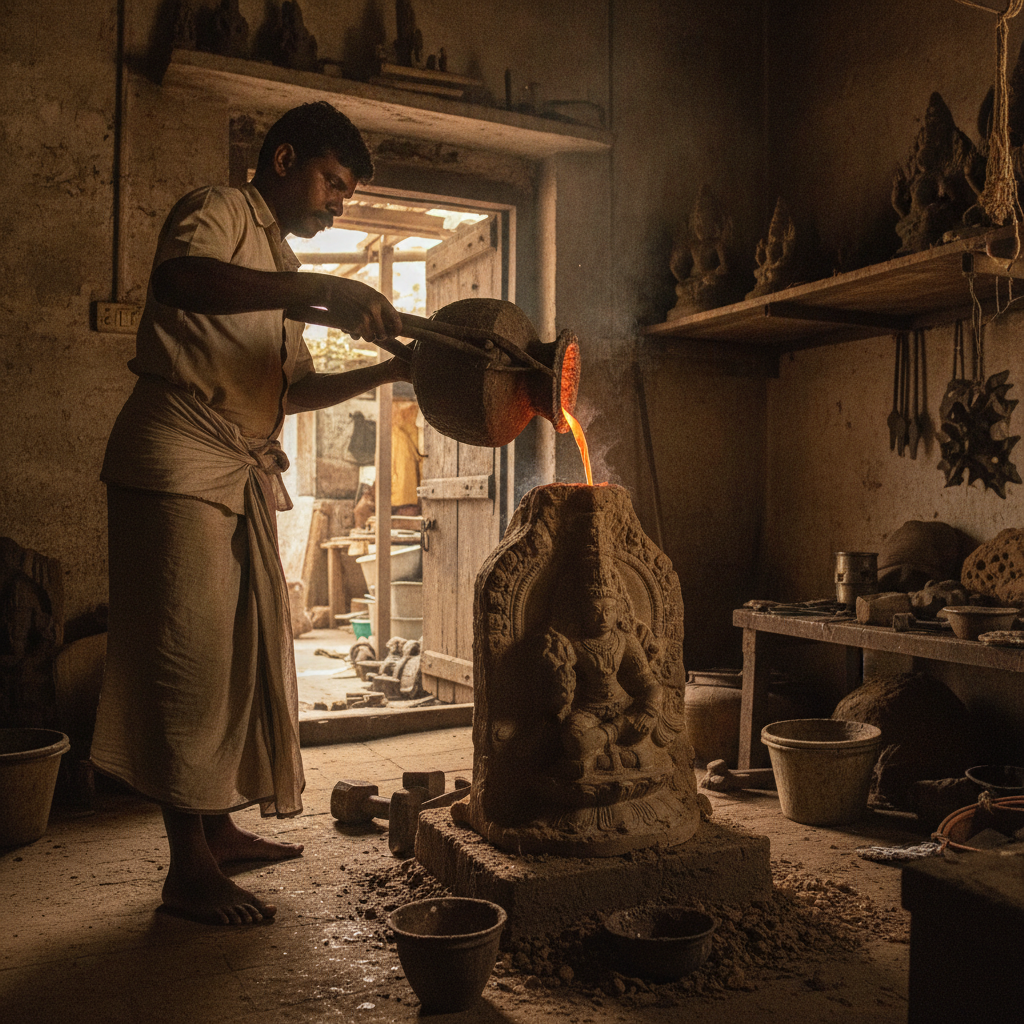
Chennai's Arts Capital: 2,000 Carnatic Music Performances in 45 Days, Bharatanatyam's Sacred Dance Origins & Rajinikanth's Japan Fan Clubs
Immerse in Chennai's extraordinary arts world—the Margazhi Season's 45-day cascade of 2,000 Carnatic music events from 6am bhakthi concerts to evening extravaganzas across 100 sabhas, the Carnatic system's 72 parent scales and three 18th-century composer-saints whose kritis define the repertoire, Bharatanatyam's transformation from Devadasi temple service banned in 1947 to the world's most performed classical dance form through Rukmini Devi's Kalakshetra revival, Tamil cinema's Pa. Ranjith making the first Dalit-centred blockbusters while Rajinikanth has fan associations in Japan, and the 1965 anti-Hindi agitation where two suicides stopped the government from imposing Hindi nationally.
- 1
Chennai's Music Season – The Margazhi Phenomenon
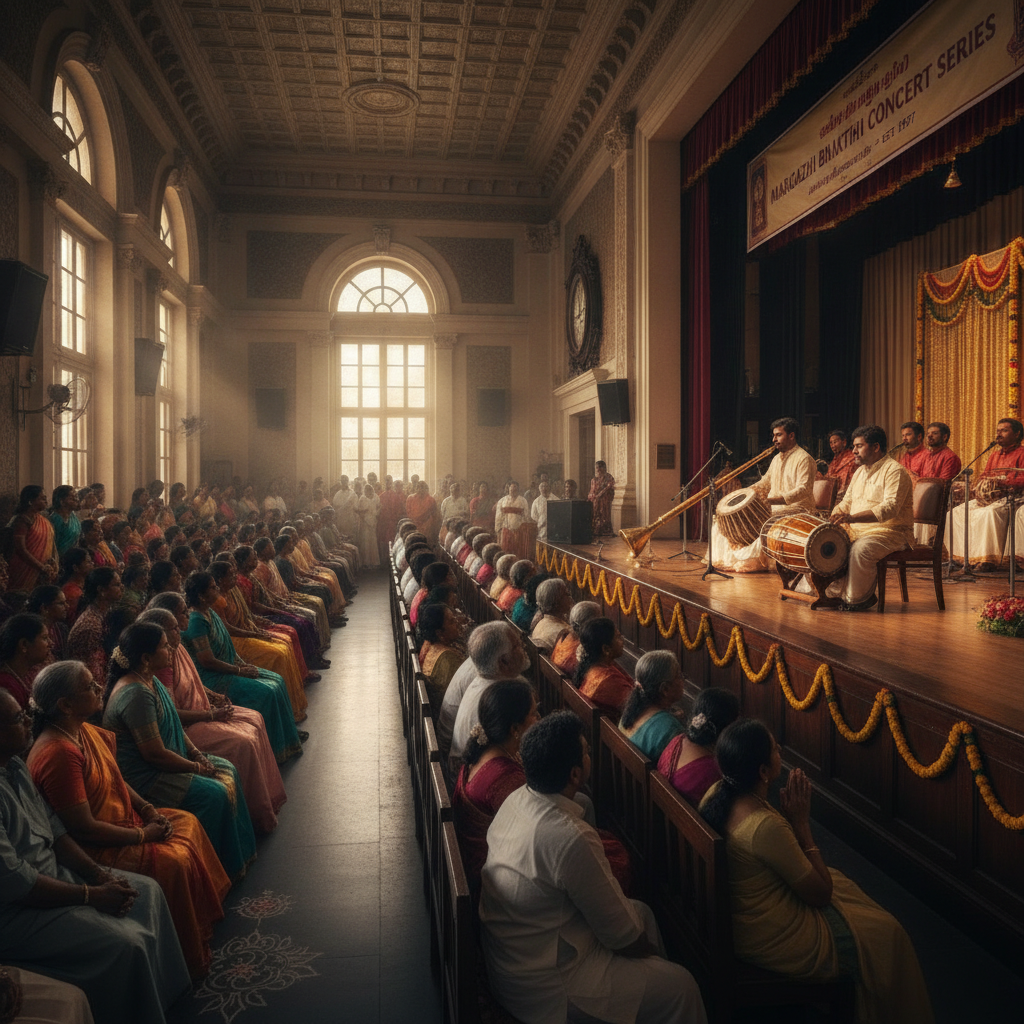
The Margazhi Music Season—45 days from mid-December to mid-January, during the Tamil month of Margazhi which is considered particularly auspicious—is the largest concentration of Carnatic music and Bharatanatyam performances in the world, with approximately 2,000 events across 100+ sabhas (cultural organisations—the unique Chennai institution that organises performances, maintains membership databases, and runs their own performance halls). The major sabhas (Music Academy, established 1928; Mylapore Fine Arts Club; Krishna Gana Sabha) have morning, afternoon, and evening concerts daily; 'bhakthi' (early morning) concerts begin at 6am. Getting tickets: sabha memberships (₹5,000–15,000/year) give priority; individual concerts ₹100–500 (€1.10–5.50). The best performers (Sanjay Subrahmanyan, TM Krishna—the most controversial contemporary Carnatic vocalist, who performs in non-traditional venues for non-traditional audiences—Sudha Ragunathan) draw full halls across the season.
- 2
Carnatic Music – The South Indian Classical System
Carnatic music—the classical music system of South India, dating in its theoretical formulation from the medieval period (Sarangadeva's Sangitaratnakara, 13th century) and its current repertoire primarily from three composer-saints of the 18th century (the Trinity: Tyagaraja, Muthuswami Dikshitar, and Syama Sastri, all from Tiruvarur, Tamil Nadu)—is a distinct system from Hindustani (North Indian) classical music. Key structural elements: 72 parent scales (melakarta ragas) from which hundreds of derived ragas are generated; rhythmic cycles (tala) of great complexity; the kriti (composition) as the primary musical form; elaborate improvisation (manodharma sangita) within the raga framework. The standard Carnatic concert format: opening with a varnam, several kritis, raga-alapana (solo exposition of a raga), then neraval and swarakalpana improvisations.
- 3
Bharatanatyam – Sacred Dance from the Temple
Bharatanatyam—the classical South Indian dance form that is now the most widely performed classical dance in India—originated in the temple dance traditions of Tamil Nadu: the Devadasi system, in which women were dedicated to temple service (including performance of sacred dance as part of worship), was practised in Tamil Nadu temples from the medieval period. The British colonial administration banned Devadasi practice as immoral in 1947 (the Devadasi Abolition Act, Tamil Nadu, 1947); Rukmini Devi Arundale (1904–1986)—a Brahmin woman who had learned ballet from Anna Pavlova and then turned to reviving Bharatanatyam—was largely responsible for transforming the tradition from temple service to concert stage, codifying and presenting it at the Kalakshetra Foundation she established in 1936. The Arangetram (debut public performance of a student after years of study) is one of the most significant ceremonies in Chennai's cultural calendar.
- 4
Tamil Cinema – Kollywood & the Cultural Industry
Tamil cinema (Kollywood—a portmanteau of Kodambakkam, the Chennai suburb that houses the studios, and Hollywood)—is the second largest film industry in India after Bollywood, producing 200+ Tamil-language films annually and distributing to Tamil-speaking audiences in Tamil Nadu, Sri Lanka, Malaysia, Singapore, and Tamil diasporas worldwide. Tamil cinema has produced directors of international calibre: Mani Ratnam (Roja, Bombay, Guru—who works across Tamil and Hindi cinema), Pa. Ranjith (Kabali, Kaala—the first Tamil director to consistently centre Dalit identity and Ambedkarite politics), and S.S. Rajamouli (from Telugu cinema, but part of the South Indian cinematic culture). The 'Superstar' culture—Rajinikanth (the most bankable star in Indian cinema with a cult following in Japan), Kamal Haasan, Vijay—reflects Tamil cinema's particular relationship between star and audience (fan associations, political potential, mass devotion).
- 5
Chennai's Dravidian Politics – The Two Leaves & Tamil Identity
Tamil Nadu politics has been dominated since 1967 by Dravidian parties—the DMK (Dravida Munnetra Kazhagam) and AIADMK (All India Anna Dravida Munnetra Kazhagam)—with the Indian National Congress and the BJP winning minimal support in Tamil Nadu, making it India's most distinctive regional political culture. The Dravidian movement (founded by E.V. Ramasamy 'Periyar'—the anti-Brahmin social reformer and rationalist whose Self-Respect Movement in the 1920s–1940s challenged Brahminical Hinduism and caste hierarchy) established Tamil identity as distinct from the Hindi-belt national identity. The 1965 anti-Hindi agitations (when the Indian government attempted to impose Hindi as the sole national language—Tamil Nadu responded with mass protests and two suicides that provoked government retreat) remain the defining moment of Tamil political identity. Tamil Nadu has some of India's strongest caste-based reservation policies and social equality outcomes.
- 6
Practical Chennai – Airport, Metro & Seasonal Advice
Chennai International Airport (MAA)—14 km southwest of central Chennai, the fourth busiest airport in India—has direct flights to major international destinations (Singapore, Kuala Lumpur, Dubai, London, Frankfurt) and all major Indian cities. The Chennai Metro (opened 2015, two lines crossing in the central city) covers the key tourist areas: Egmore (Government Museum), Central (main railway station), and the Koyambedu bus terminal. Auto-rickshaws (₹50–200/€0.55–2.20, meters are legally required but rarely used—negotiate before boarding); Ola and Uber operate reliably in Chennai. The best season: November–February (temperatures 22–30°C, the pleasant period between the north-east monsoon and the summer heat). Chennai has a unique monsoon pattern: the north-east monsoon (October–December) brings rain while the rest of India is dry; the south-west monsoon (June–September) brings less rain to Chennai than to most of India. December combines the music season with pleasant weather—the ideal time to visit.
Walk this route with audio
Stories play automatically as you reach each stop — no tapping needed.
More in Chennai
Chennai Essentials: Marina Beach at Dawn, Dravidian Temple Towers & the World's Largest Classical Arts Festival
Chennai's Region: Mahabalipuram's Rock Sculptures, Kanchipuram's 1,000 Temples & the Detroit of India's Auto Economy
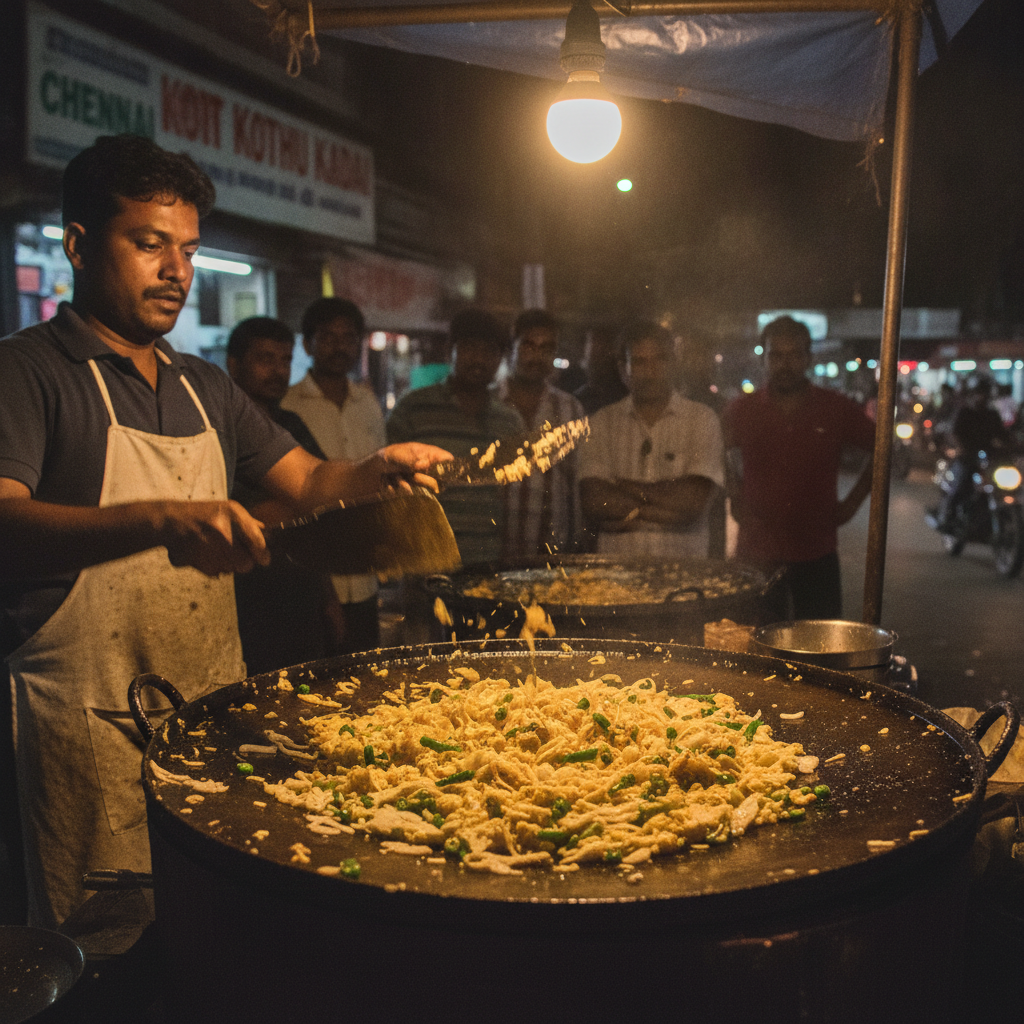
Chennai Living: Filter Coffee Pulled from a Height, St Thomas Arriving in 52 AD & 50,000 Koreans on the IT Corridor
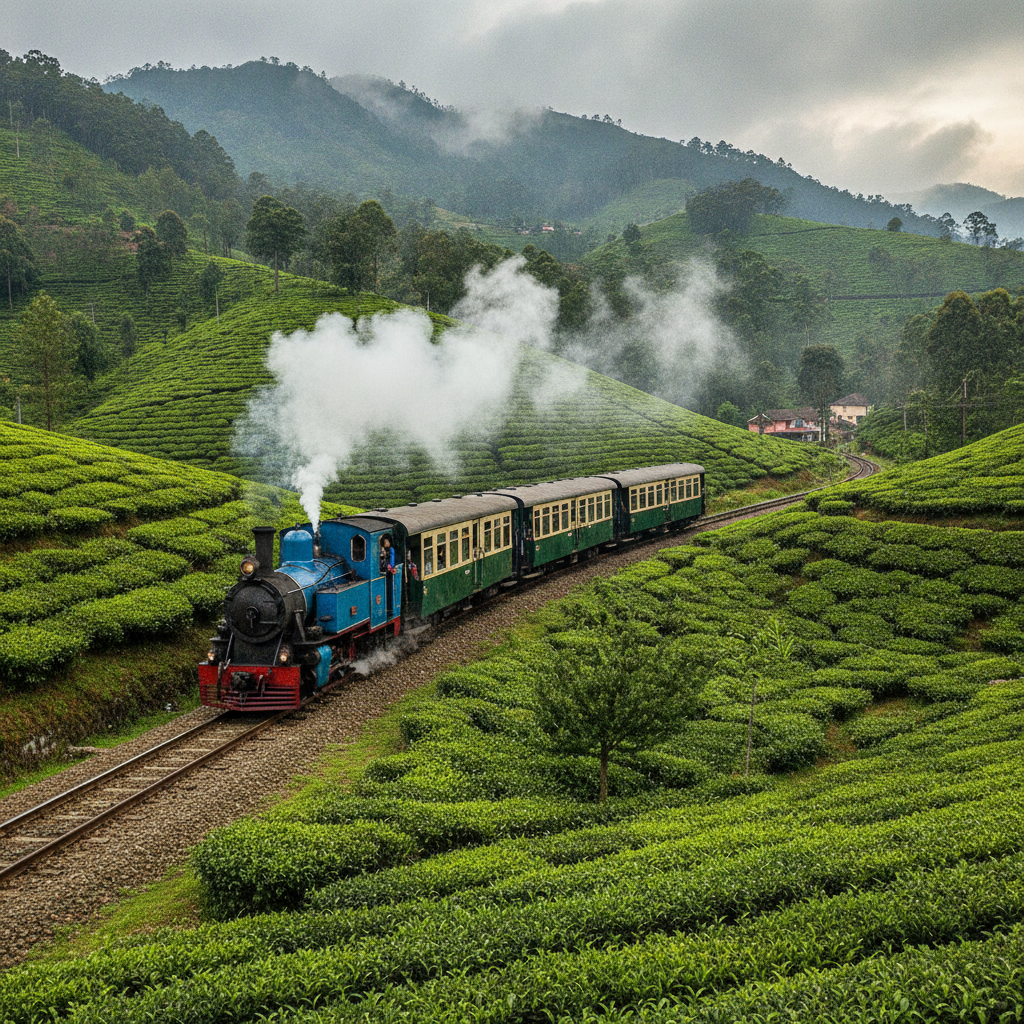
Chennai's Day Trips: Chettinad's Italian Marble Mansions, Pondicherry's French Quarter & Thanjavur's 66-Metre Chola Tower