Chennai's Weight: Periyar Burning Images of Rama, Spotted Deer on the IIT Campus & the 2019 Water Crisis That Ran Four Reservoirs Dry
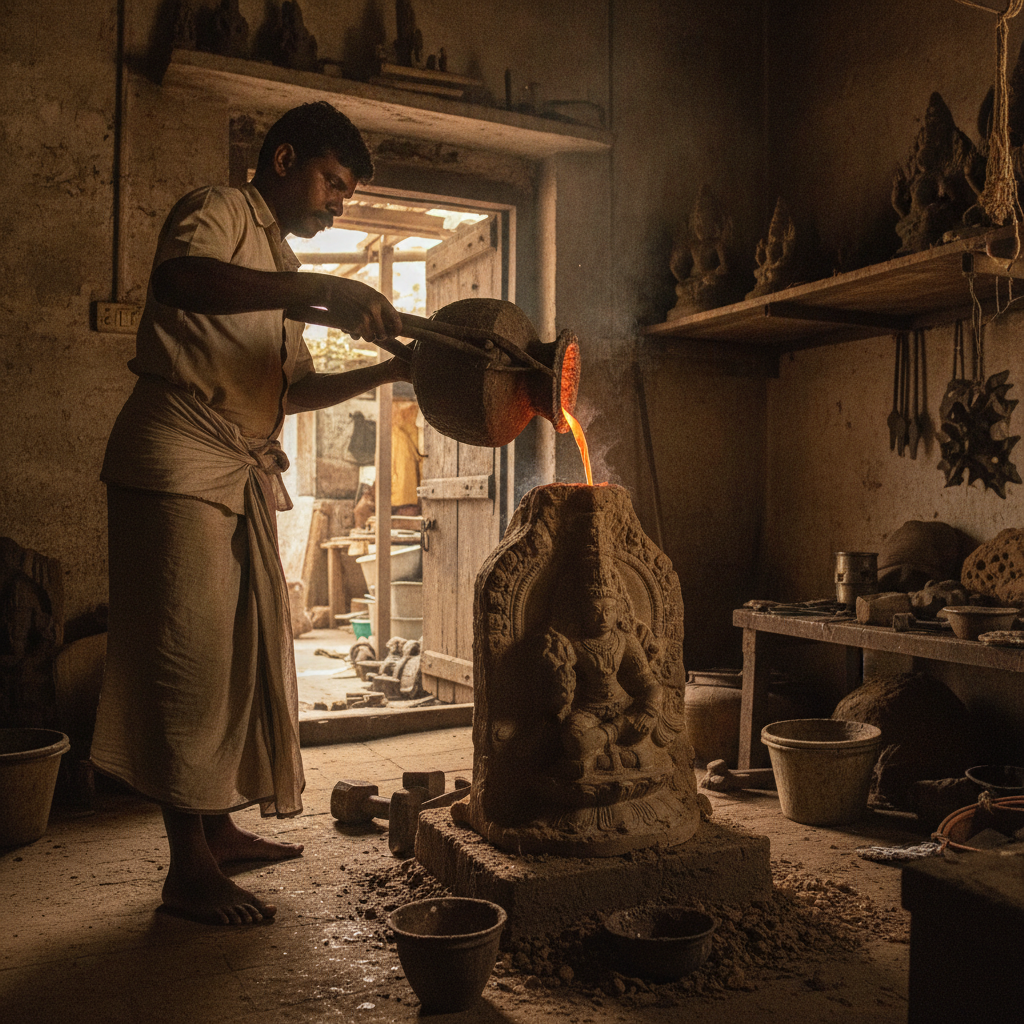
Reckon with Chennai's full dimensions—Periyar burning Rama images in the 1920s as protest against Brahmin supremacy while advocating for women's divorce rights 50 years before Indian law caught up, the Luz Church of 1516 (oldest in India) and St Mary's Church of 1680 (oldest Anglican church) to the full arc of colonial Christianity, spotted deer and macaques on the only IIT campus inside a wildlife reserve, Swamimalai masters pouring molten bronze into lost-wax Nataraja moulds using 1,000-year-old Chola technique while the Metropolitan Museum holds pieces removed during colonialism, and the 2019 summer when Chennai's four reservoirs ran simultaneously dry and water arrived by train from 200 km away as a preview of what climate change means for a 10-million-person city built on wetlands.
- 1
Tamil Identity & the Dravidian Movement – Periyar's Legacy
E.V. Ramasamy Naicker ('Periyar', 1879–1973)—the most radical social reformer in Indian history—founded the Self-Respect Movement in 1925, which rejected Brahminical Hinduism, the caste system, and what he considered the cultural imperialism of Sanskrit-based North Indian culture over Dravidian (South Indian) culture. Periyar burned images of Rama (the Hindu god who is revered across North India as a symbol of virtue) as a protest against what he saw as the propagation of Brahmin supremacy through religious mythology. He advocated atheism, rationalism, women's equality (including divorce rights, widow remarriage, and women's right to property—decades before Indian law recognised these), and Tamil cultural pride. The Dravidian movement he founded is still the dominant political force in Tamil Nadu; his statues are in every Tamil Nadu town.
- 2
Chennai's Churches – The Portuguese, Dutch & British Legacy
Chennai's Christian heritage encompasses three distinct European colonial periods. Portuguese (1500s): San Thome Cathedral (Mylapore, 1523 original), the Church of Our Lady of Light (Luz Church, 1516—the oldest church in India), and the Armenian Church of St Mary. British (1640s–1947): St Mary's Church within Fort St George (1680, oldest Anglican church in India), St Andrew's Kirk (1821, Egmore—the finest neo-classical church in Chennai, with a Doric portico and a circular nave inspired by St Martin-in-the-Fields, London), and St George's Cathedral (1816, Royapettah—the Anglican cathedral of the Diocese of Madras). The Santhome Basilica, having been elevated to Minor Basilica status by the Vatican in 1956, is the most visited Catholic church. The diversity of Chennai's church architecture—from 16th-century Portuguese to 19th-century Neo-Gothic—reflects the successive waves of European presence.
- 3
Chennai's IIT & Educational Institutions
Chennai is home to the Indian Institute of Technology Madras (IIT Madras)—consistently ranked India's best engineering institution (QS World Ranking: top 250 globally) and occupying a 617-acre campus in the Adyar area, the only IIT campus located inside a wildlife reserve (spotted deer and bonnet macaques roam the campus freely). The Madras Medical College (1835—the second oldest medical institution in Asia) and the University of Madras (1857—one of India's first universities, established by the British) anchor Chennai's education legacy. Tamil Nadu as a state has the highest rate of private engineering college growth in India (700+ private engineering colleges); the resulting proliferation of engineering degrees without matching job opportunities has been a recurring policy concern. Chennai's Loyola College, Stella Maris College, and Presidency College maintain strong liberal arts traditions alongside the STEM dominance.
- 4
Chennai's Waterways & Backwaters – The Buckingham Canal
The Buckingham Canal—a 796 km inland waterway running parallel to India's east coast from Andhra Pradesh through Tamil Nadu, originally constructed by the British East India Company from 1806 to connect the Krishna-Godavari delta with Chennai—was once a major freight artery, carrying rice, cotton, and other agricultural produce. The canal runs through Chennai itself (largely in poor condition, used for sewage disposal rather than navigation) and connects to the Adyar River. The Adyar Creek estuary (south Chennai) and the Kovalam Backwaters (40 km south of Chennai, small scale compared to Kerala's backwaters but more accessible) offer kayaking and boat touring. The Chennai Port Trust controls a 6 km section of canal near the port that is still navigable; a heritage canal restoration proposal (INTACH-backed) has been under discussion for years without implementation.
- 5
The Bronze Casting Tradition – Lost-Wax Sculpture from Chola to Contemporary
The South Indian bronze casting tradition (using the lost-wax or cire perdue method—a sculpted wax model coated in clay, the wax burned out, molten bronze poured in)—reached its artistic apex in the Chola period (9th–13th century) and has been practised continuously since. The Swamimalai village near Thanjavur (350 km south of Chennai) is the living centre of this tradition: master craftsmen (stapathis) of the Sthapathi community have been producing bronzes using Chola-era techniques for generations. The finest contemporary bronze casting (life-size Nataraja, deity figures for temples across the world) is produced here. The Tamil Nadu government's Thanjavur Art Gallery and the Chennai Government Museum maintain the finest publicly accessible Chola bronze collections; the Metropolitan Museum (New York), the British Museum, and the Musée Guimet (Paris) hold important pieces removed during the colonial period—some now subject to repatriation requests.
- 6
Chennai's Future – Climate Vulnerability & the Water Crisis
Chennai is one of the world's most climate-vulnerable major cities. The 2015 Chennai floods (November–December, the worst flooding since 1876)—caused by the north-east monsoon combined with poor urban drainage planning—killed 280 people and caused ₹20,000 crore (€2.2 billion) in economic damage, displacing 1.8 million residents. The 2019 Chennai water crisis—when all four major reservoirs serving the city ran dry simultaneously, requiring water to be supplied by train from Vellore (200 km away)—was one of the first major urban water-supply failures in a major city of over 10 million people. Both events were attributed to a combination of natural weather extremes and governance failures: destruction of natural water retention (wetlands, lakes, and tanks in the urban fringe developed for real estate), inadequate drainage infrastructure, and overextraction of groundwater. Chennai's situation is a leading example in global climate adaptation discussions.
Walk this route with audio
Stories play automatically as you reach each stop — no tapping needed.
More in Chennai
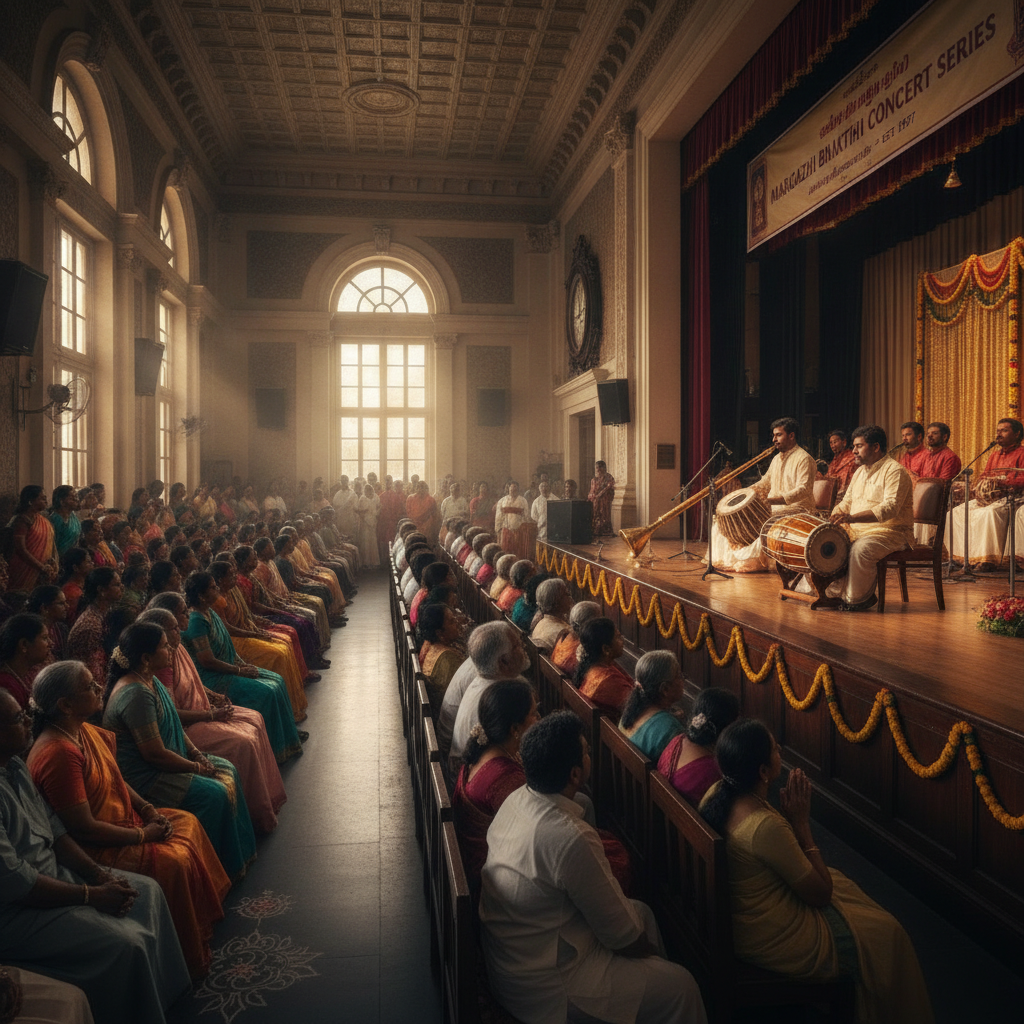
Chennai's Arts Capital: 2,000 Carnatic Music Performances in 45 Days, Bharatanatyam's Sacred Dance Origins & Rajinikanth's Japan Fan Clubs
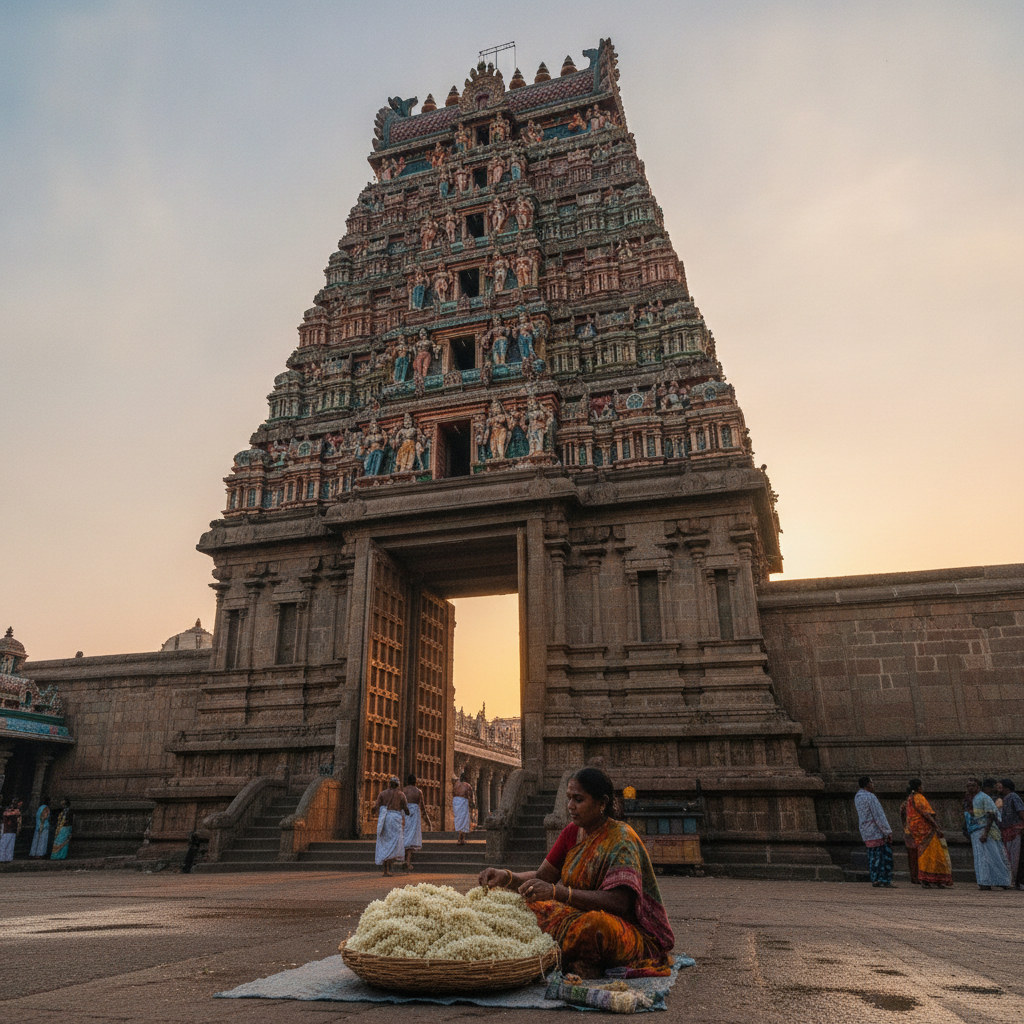
Chennai Essentials: Marina Beach at Dawn, Dravidian Temple Towers & the World's Largest Classical Arts Festival
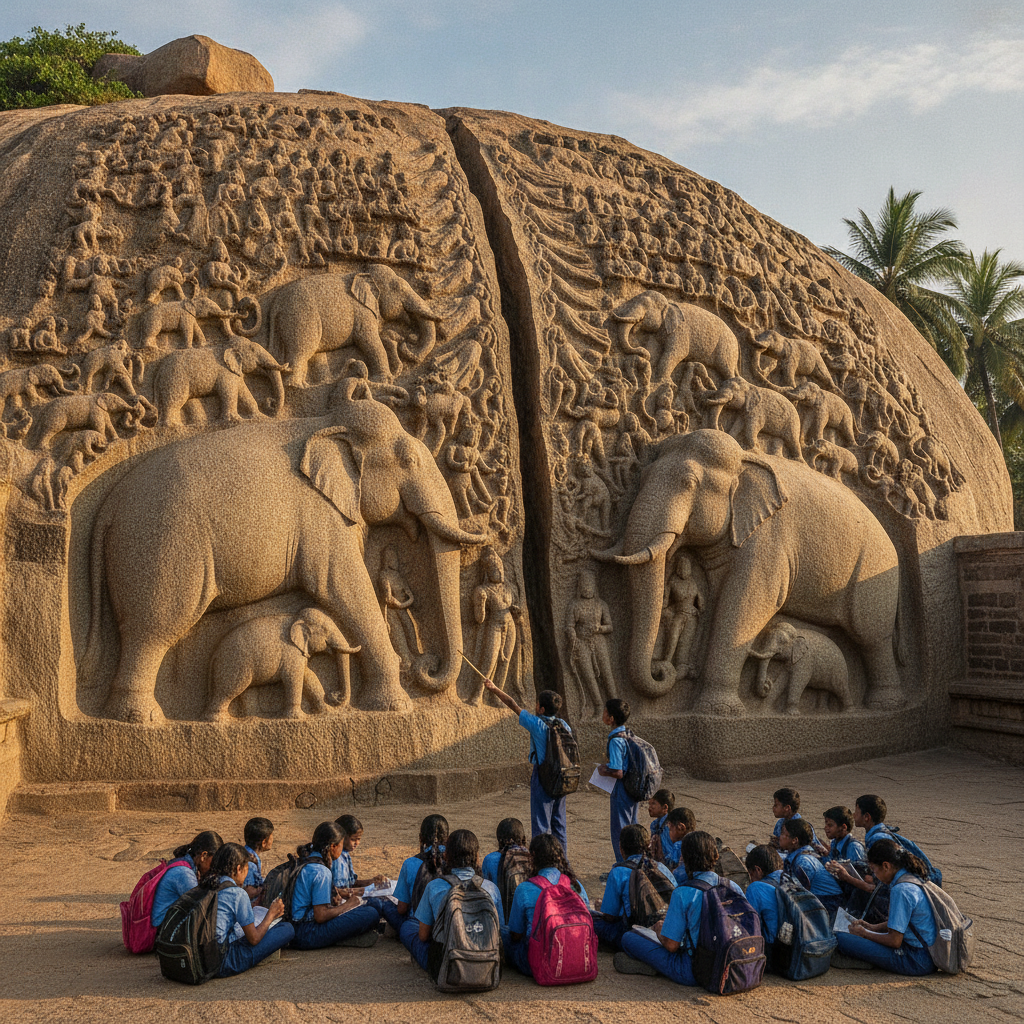
Chennai's Region: Mahabalipuram's Rock Sculptures, Kanchipuram's 1,000 Temples & the Detroit of India's Auto Economy
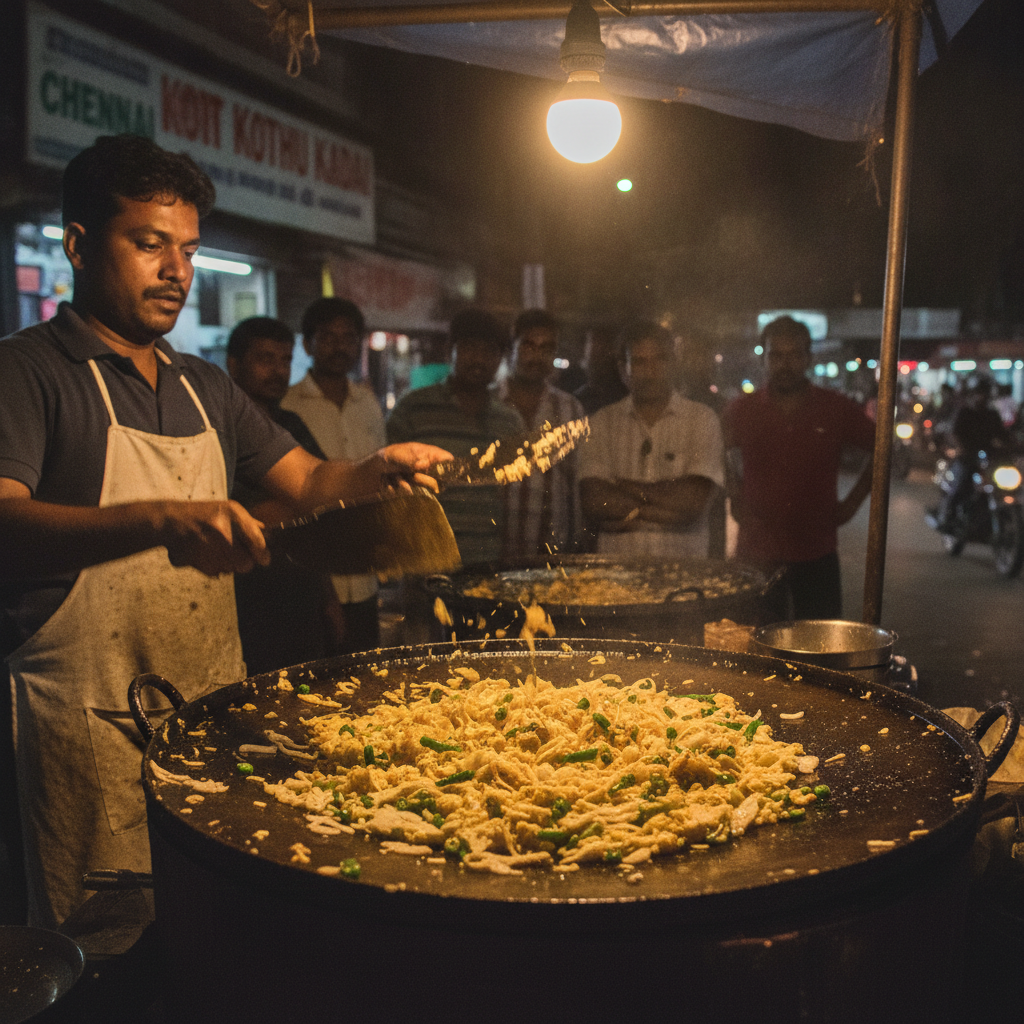
Chennai Living: Filter Coffee Pulled from a Height, St Thomas Arriving in 52 AD & 50,000 Koreans on the IT Corridor