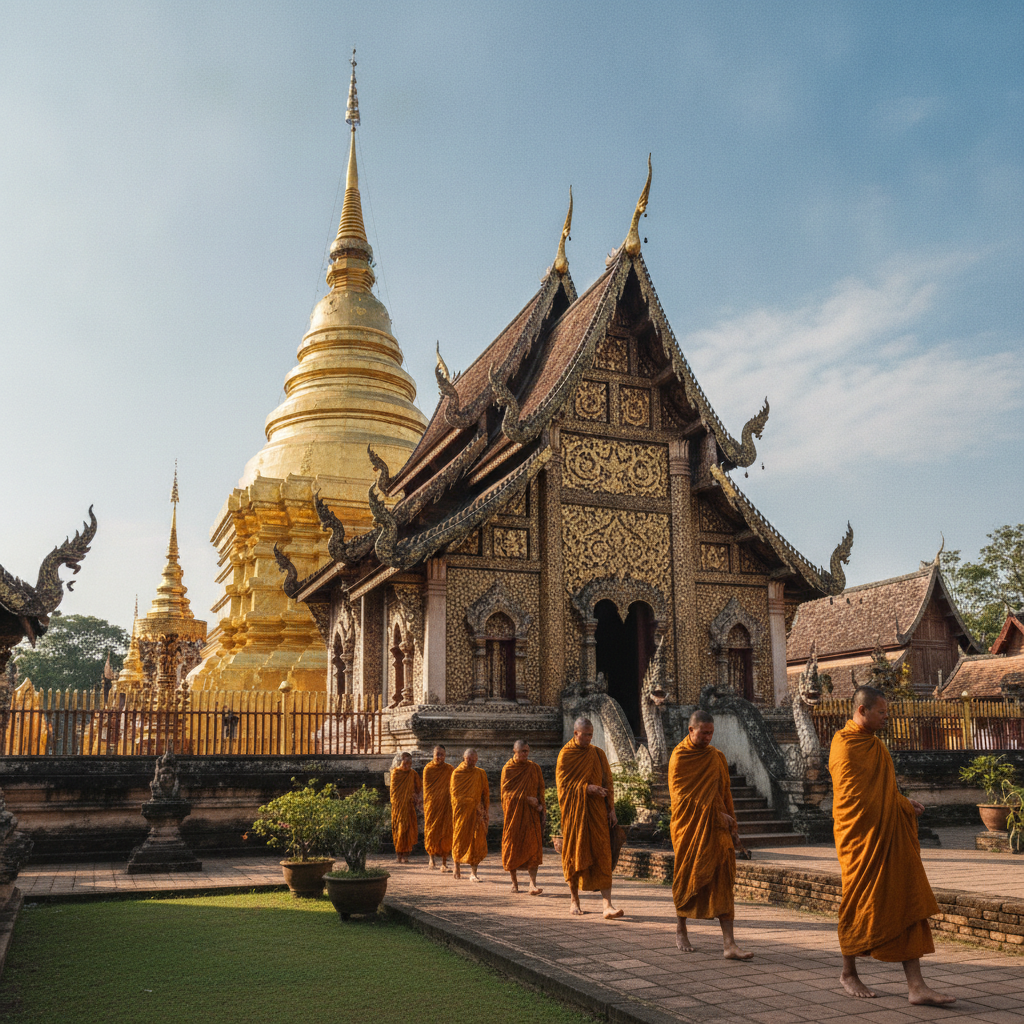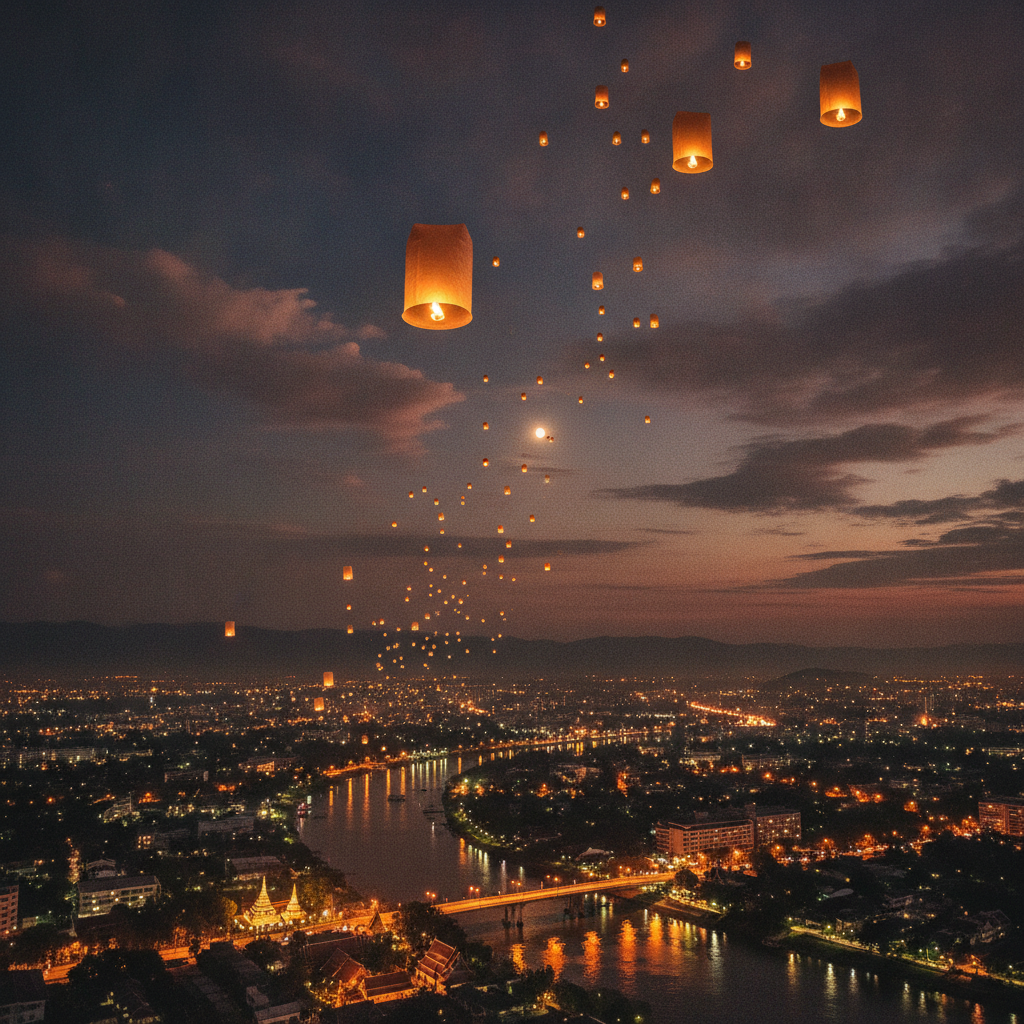
Chiang Mai's Depth: Lanna's 700-Year Kingdom, Yi Peng Lanterns Rising & the Digital Nomad Capital of the World
Go deeper into Chiang Mai—the Lanna Kingdom that resisted Sukhothai and Ayutthaya for 200 years producing a distinct Buddha image style and script before Burma finally absorbed it in 1558, Wualai silversmith repousse and Bo Sang's painted paper parasol production, vipassana retreats at Wat Suan Dok and yoga studios in Nimman for the extended wellness visitor, the world's favourite digital nomad city ($800/month comfortable life, CAMP café open 24 hours, fibre internet in every guesthouse), thousands of paper lanterns floating into the November sky at Yi Peng, and the ethical trekking question around hill tribe village visits.
- 1
The Lanna Kingdom – Chiang Mai's 700-Year History
The Lanna Kingdom ('Kingdom of a Million Rice Fields')—founded in 1296 by King Mengrai at the confluence of the Ping and Kuang rivers—was an independent northern Thai polity that was never conquered by the Sukhothai or Ayutthaya kingdoms to the south, maintaining its distinct cultural identity through a series of alliances and vassal relationships. Lanna's greatest period was the 15th–16th centuries (under King Tilokaraj, r. 1441–1487), when the kingdom produced a distinctive school of Buddhist art (the Lanna style—recognisable by the elongated flame-shaped topknot of the Buddha image), literature in the Lanna script (still used in formal contexts), and music (the pinpeat ensemble). Lanna finally submitted to Burmese control in 1558 and was not formally integrated into the Thai state until 1899 under King Chulalongkorn's centralisation reforms.
- 2
Chiang Mai's Craft Traditions – Silverwork, Lacquer & Celadon
Chiang Mai is the centre of northern Thai craft production—historically the artisan workshops of the Lanna royal court, now a diversified craft economy serving both Thai and international markets. The major crafts: Silverwork (the village of Wualai Road south of the old city, where Shan/Burmese silversmiths settled in the 19th century, produces repousse silver—designs hammered into silver from the reverse; silver temples, betel boxes, and jewellery); Lacquerware (red-and-black lacquer on wood or bamboo framework, produced in the Bo Sang village 9 km east); Celadon pottery (crackle-glazed stoneware in pale green, produced by Chinese Yunnanese techniques in kilns around Chiang Mai—Thai Celadon, Mengrai Kilns); Umbrella making (Bo Sang Umbrella Village—intricate painted paper parasols). The Bo Sang Umbrella Festival (January) is the most photogenic craft festival in northern Thailand.
- 3
Chiang Mai's Meditation & Yoga Scene
Chiang Mai has developed one of the most accessible and affordable meditation and yoga infrastructures of any city in Asia—a product of the city's established population of long-term Western residents, the Buddhist temple infrastructure that offers meditation space, and the relatively low cost of living that allows extended stays. Vipassana (insight meditation) courses: Wat Suan Dok (an urban temple that offers Monday evening 'Monk Chat' and runs a 3-day meditation retreat programme for foreigners), Northern Insight Meditation Centre, and Doi Suthep-Pui Park retreats. Yoga: the Nimman area (the most gentrified neighbourhood, centred on Nimmanhaemin Road) has the highest density of yoga studios. The combination of mountain environment, good food, relatively cool climate, and low cost makes Chiang Mai a natural base for extended wellness stays—digital nomads often combine remote work with daily yoga or meditation practice.
- 4
Chiang Mai's Digital Nomad Culture
Chiang Mai has been the world's most popular digital nomad city for much of the 2010s–2020s, consistently topping surveys of remote workers' preferred locations. The reasons: high-speed internet (fibre broadband widely available, co-working spaces well-established), low cost of living (a comfortable life costs $800–1,200/month including accommodation, food, and transport—versus $3,000–5,000 in equivalent Western cities), excellent food, walkable old city, day-trip access to nature, and a visa regime (Thailand's 60-day tourist visa, extendable, later supplemented by the Long-Term Residence Visa for remote workers) that accommodates long stays. The co-working scene: CAMP (Maya Mall—the original nomad café, operating 24 hours with power and wifi in exchange for a purchase), MANA, Yellow (multiple branches), Punspace (Nimman and Old City). The nomad community has created its own ecosystem of networking events, accommodation platforms, and social clubs.
- 5
Chiang Mai's Festivals – Yi Peng & Songkran
Chiang Mai's two major festivals are among the most spectacular in Southeast Asia. Yi Peng Lantern Festival (Loy Krathong, full moon of November)—when thousands of paper lanterns (khom loi) are released simultaneously into the night sky over Chiang Mai—is one of Asia's most photographed events: the sky fills with hundreds of thousands of floating lights as the Ping River carries floating krathong (lotus-shaped offerings with flowers, incense, and a candle). The mass lantern release at the Maejo University grounds (ticketed event, 15 km north, different date from the city release) is the most concentrated single release. Songkran (Thai New Year, April 13–15)—the world's largest water festival, when the entire city engages in continuous water throwing for 3 days—is celebrated with particular intensity in Chiang Mai (the Old City moat becomes a water fight arena; the entire main road becomes a water battle zone).
- 6
Chiang Mai's Trekking & Hill Tribe Villages
Chiang Mai is the primary base for trekking into northern Thailand's mountainous hinterland and visiting the hill tribe communities (ethnic minority groups who migrated from Yunnan, Tibet, and Myanmar into Thailand's highlands over the past 200 years). The major hill tribe groups in Chiang Mai province: Karen (the largest, 400,000+ in Thailand, traditionally woven textiles and animist/Christian religion), Hmong (known for silver jewellery and embroidered appliqué clothing), Akha (distinctive headdresses of silver balls and coins), Lisu (colourful woven textiles), and Lahu. The 'long-neck Karen' (Kayan Lahwi women with brass rings elongating the neck)—a small group relocated to villages near Mae Hong Son—are the most photographed but have been criticised as a 'human zoo' tourist attraction; visiting them requires careful ethical consideration. Reputable trekking agencies (the Chiang Mai Tourism Authority maintains a licensed guide list) offer 1–3 day treks with homestays.
Walk this route with audio
Stories play automatically as you reach each stop — no tapping needed.
More in Chiang Mai
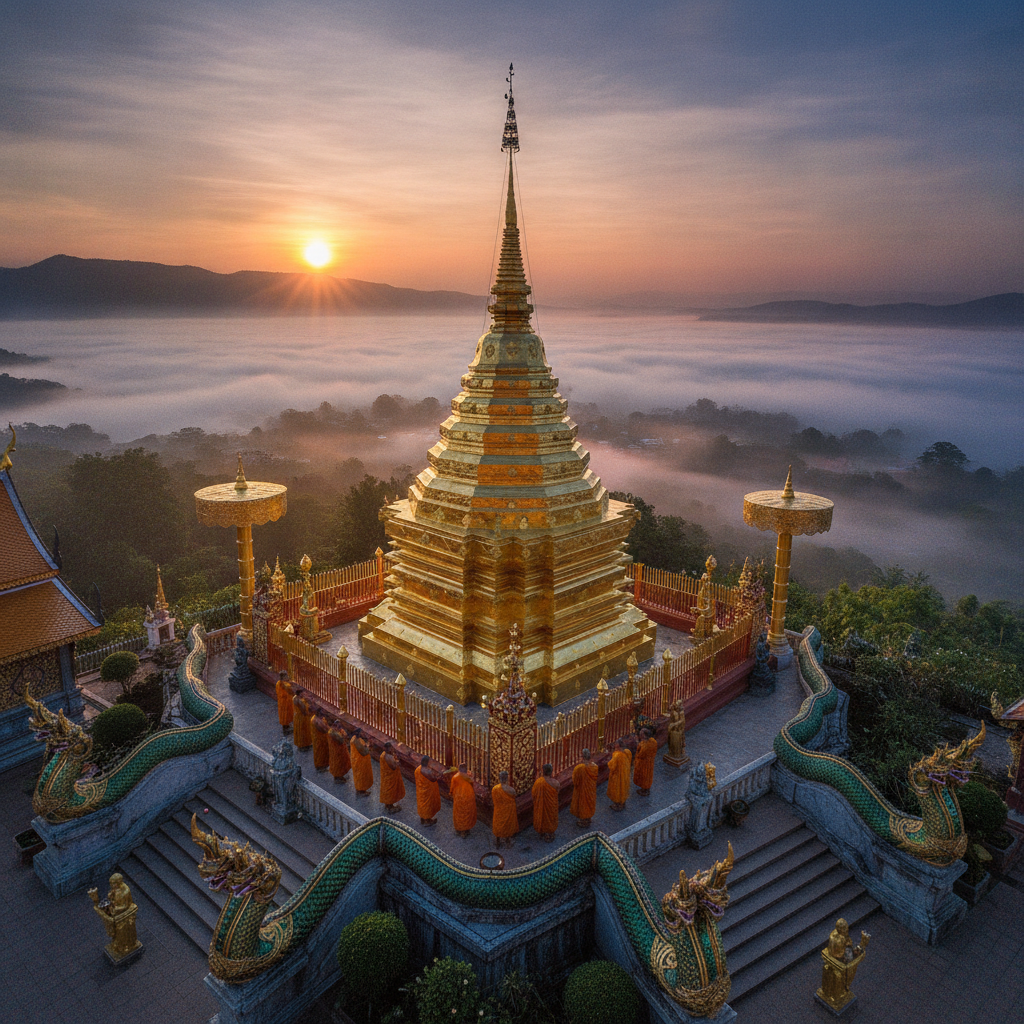
Chiang Mai Essentials: 300 Old City Temples, Khao Soi Noodles & Ethical Elephant Sanctuaries in the Mountains
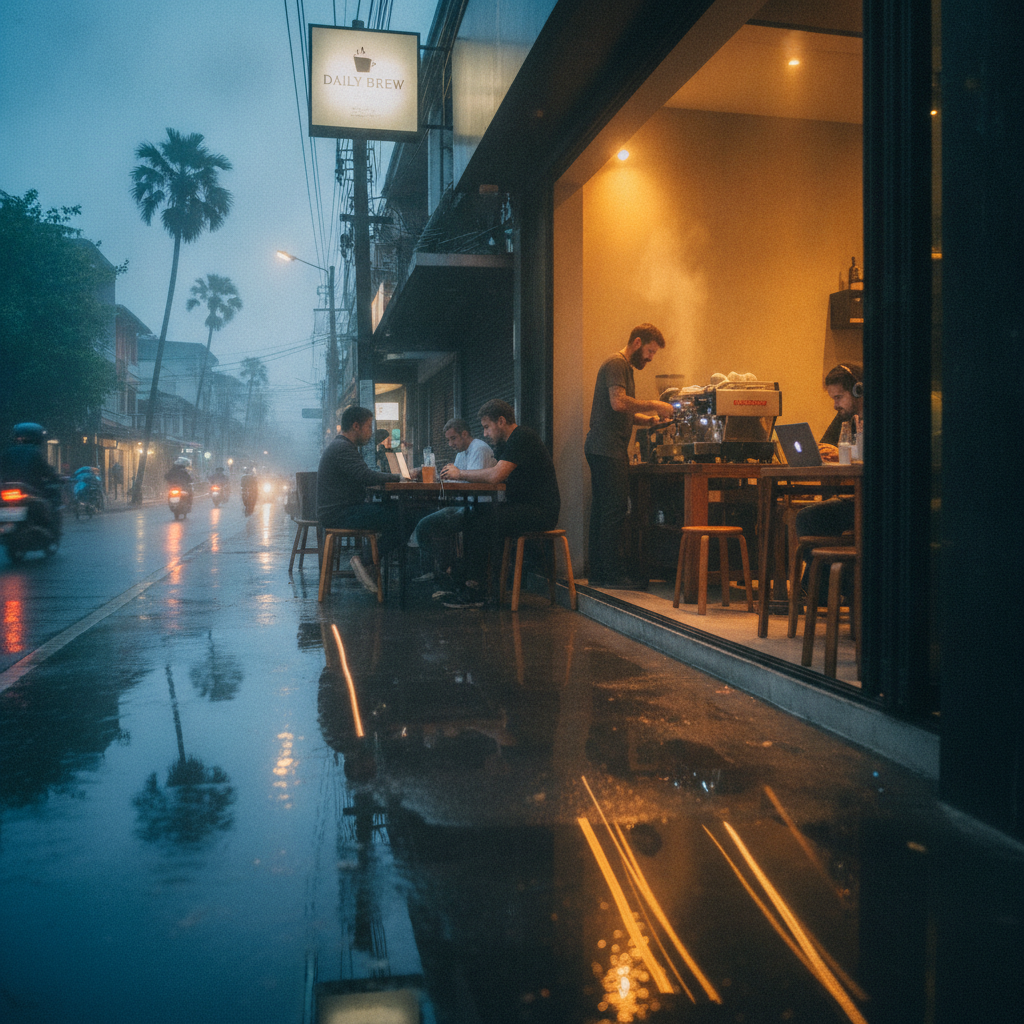
Chiang Mai Living: Akha Ama Coffee from Hill Tribe Growers, Muay Thai at Lanna Camp & Night Train to Bangkok
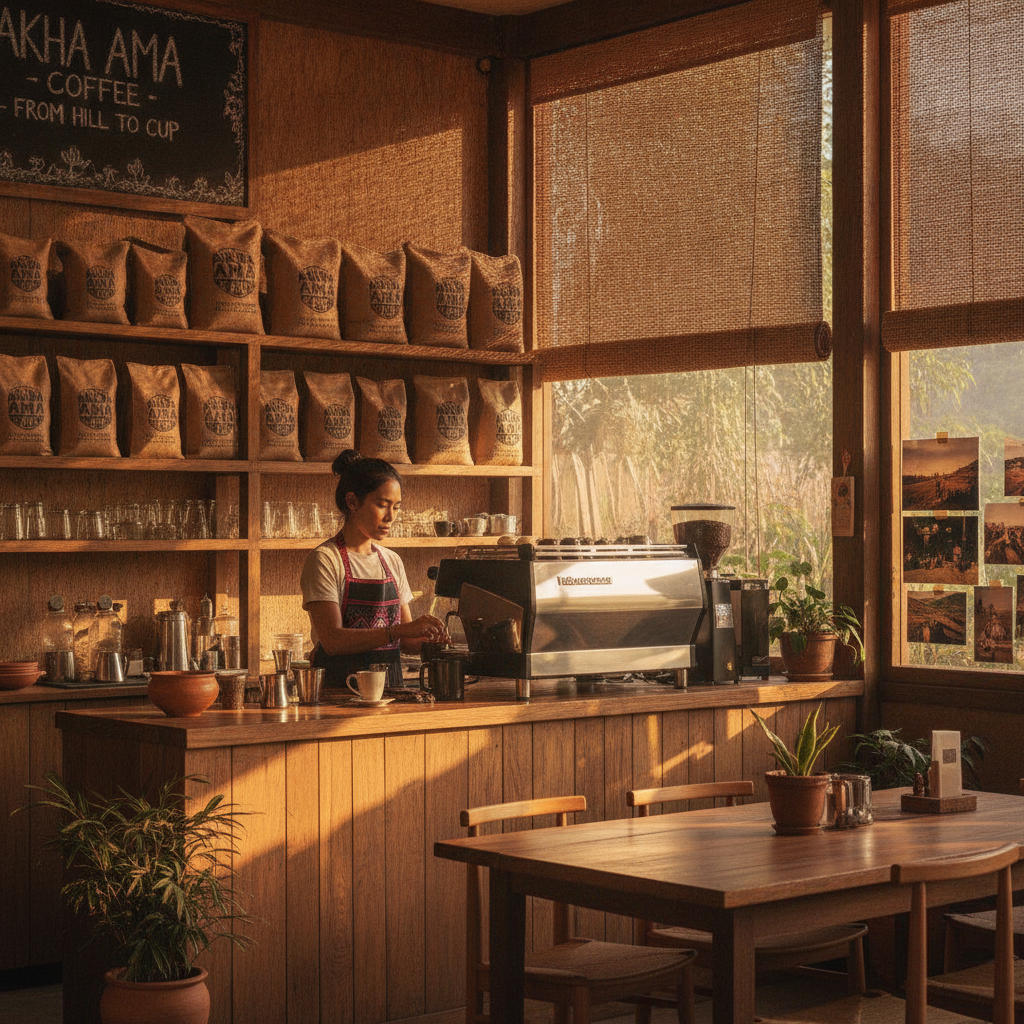
Chiang Mai's Layers: Akha Ama Coffee from Hill Tribe Farms, MAIIAM Contemporary Art & Shan-Myanmar Deep Roots
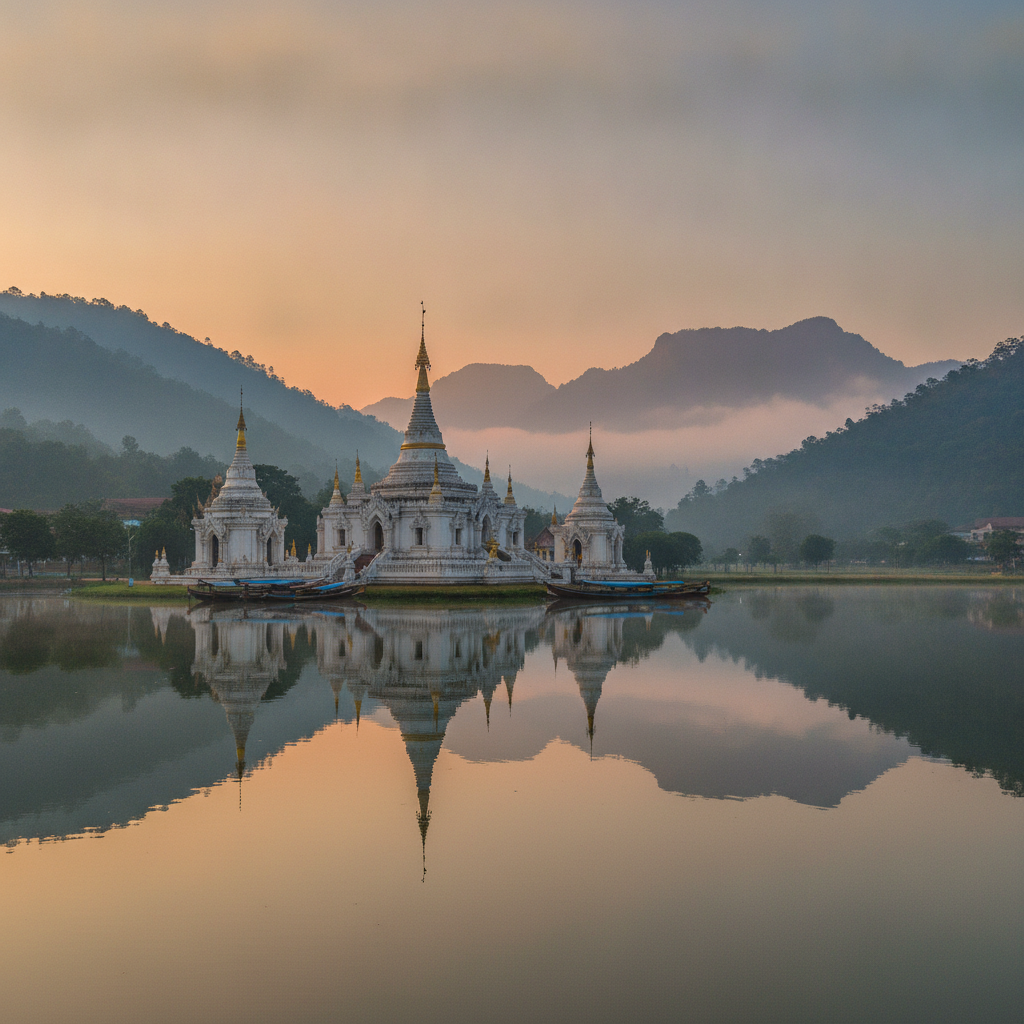
Beyond Chiang Mai: Mae Hong Son's 1,864 Curves, White Temple at Chiang Rai & the Region's Hardest City to Leave