Chiang Mai Living: Akha Ama Coffee from Hill Tribe Growers, Muay Thai at Lanna Camp & Night Train to Bangkok
Experience Chiang Mai day-to-day—Akha Ama's barista who sources directly from his own community's arabica mountain farms two hours north, a half-day northern Thai cooking class starting at Warorot Market and ending with khao soi and sai oua, the Riverside Restaurant's live music above the Ping River that teak merchants built mansions beside in the 19th century, Lanna Muay Thai Camp training sessions for the visitor who wants more than a tourist boxing show, Zoe in Yellow's outdoor bar cluster as backpacker social gravity, and the Bangkok night train route that the bus and plane cannot replicate.
- 1
Chiang Mai's Nimman Area – The Gentrified Quarter
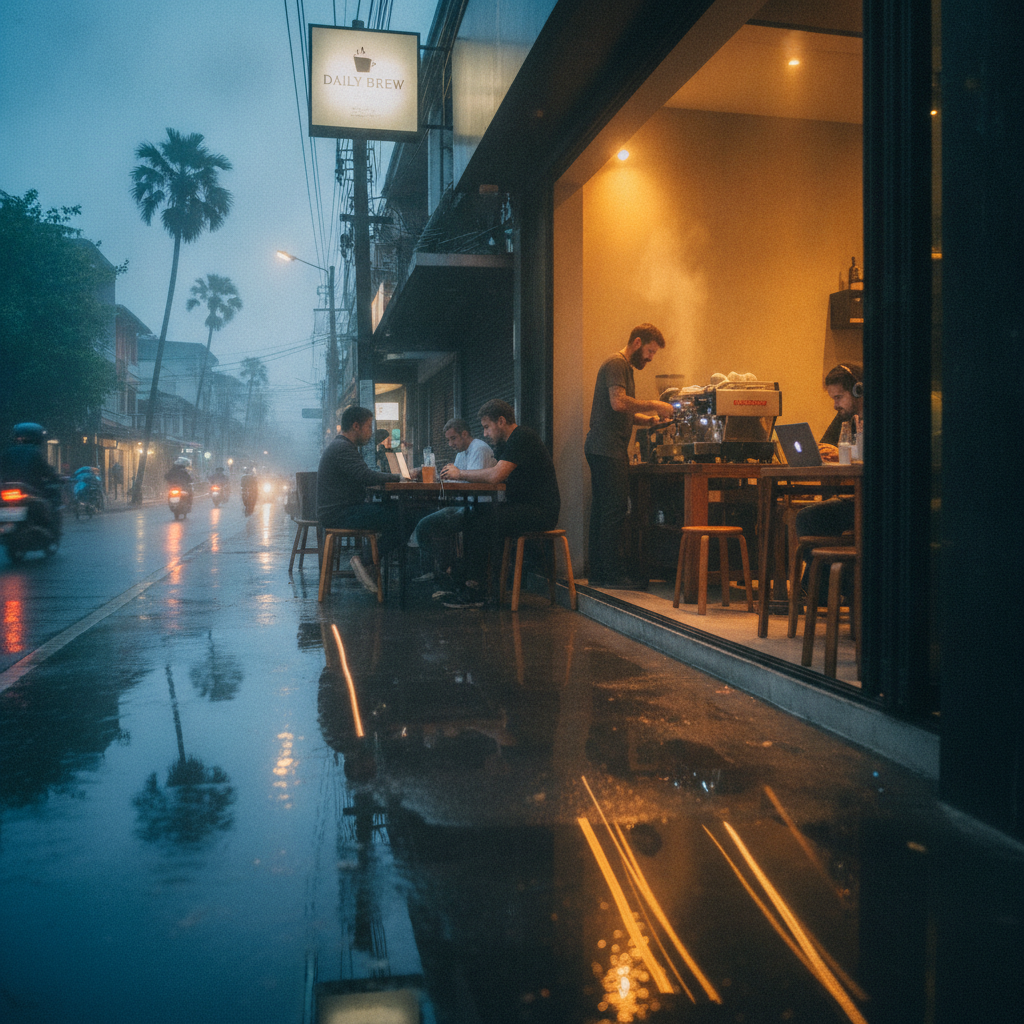
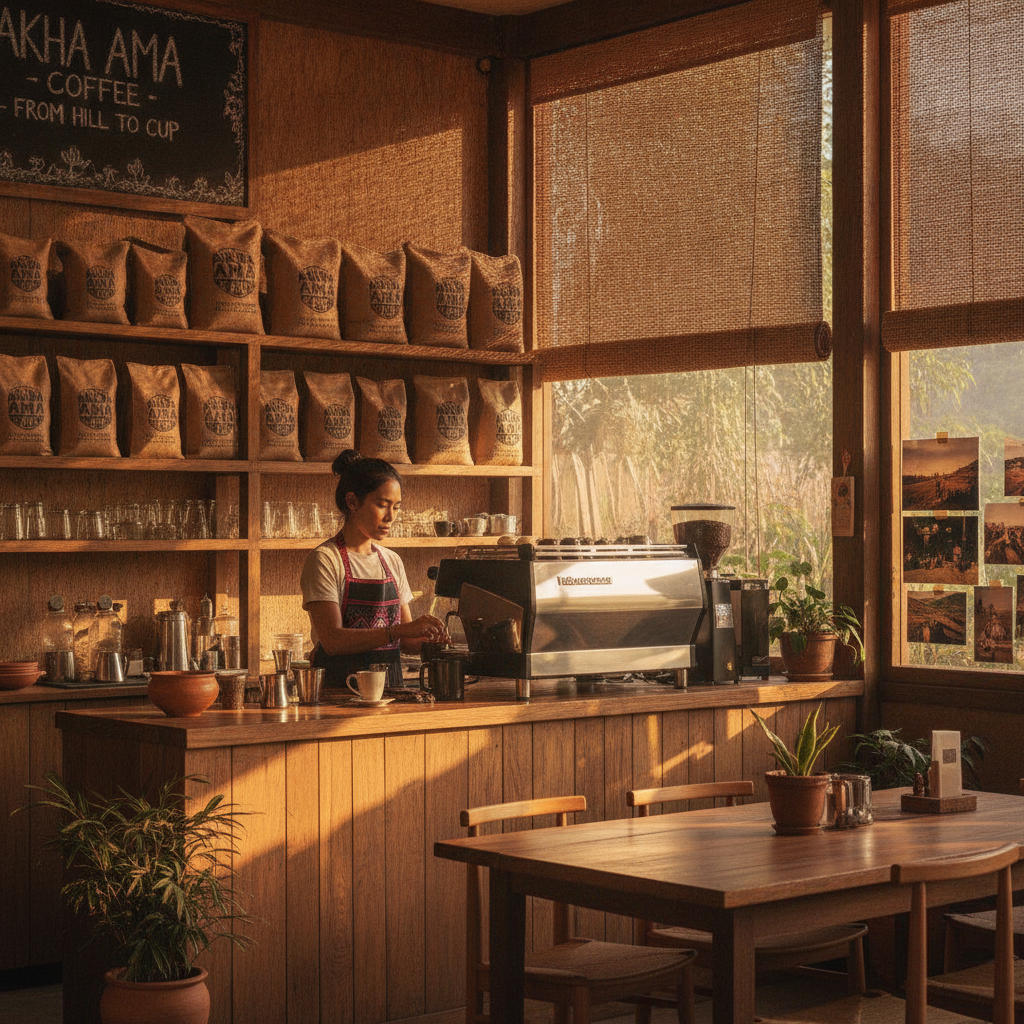
Nimmanhaemin Road (Nimman)—the main artery of Chiang Mai's most gentrified neighbourhood, 2 km west of the old city—is the centre of the city's café culture, boutique shopping, and contemporary Thai art scene. The street and its side sois (lanes) contain an extraordinary density of specialty coffee shops (Ristr8to—Chiang Mai's most awarded espresso bar; Ninety One Coffee; Akha Ama—founded by an Akha hill tribe member, sourcing directly from Akha-grown arabica in the mountains north of Chiang Mai), art galleries (the Gallery SEESCAPE, OP Garden), and boutique clothing stores. The MAYA Lifestyle Shopping Centre anchors the northern end; the One Nimman complex (a designed 'instagrammable' market district) draws younger Thai and international visitors. The neighbourhood's character has changed significantly since 2015—rising rents have displaced some of the original independent cafés and boutiques with chain establishments.
- 2
Chiang Mai's Cooking Schools – Thai Cuisine Education
Learning to cook Thai food in Chiang Mai is one of the most popular tourist activities in Southeast Asia—the city has more cooking schools per tourist than almost any other destination in Asia. The standard format: morning market visit to buy ingredients, then 4–6 hours cooking 5–7 dishes (typically pad thai, green curry, som tam, tom kha gai, mango sticky rice), eating the results, and going home with a recipe booklet. Prices: ₹1,000–2,500 baht (€27–68) per person for a full-day class. Well-established schools: Thai Farm Cooking School (farm-based, 15 km from city, organic garden setting), Asia Scenic Thai Cooking (old city, highly rated), Baan Thai Cooking School. The focus on northern Thai cuisine (khao soi, sai oua, nam prik noom) at northern-specialist schools distinguishes the best Chiang Mai cooking education from Bangkok equivalents.
- 3
Chiang Mai's Night Scene – Riverside, Zoe in Yellow & Beyond
Chiang Mai's nightlife is modest by Bangkok standards but active for a city of 150,000 (metropolitan area 1 million). The areas: the Old City (Moonmuang Road area, Loi Kroh Road)—bars and guesthouses clustered around the east moat. The Night Bazaar area (Chang Khlan Road)—the more tourist-oriented entertainment complex with Kalare Night Bazaar's Thai boxing (Muay Thai) shows, live music, and the Anusarn market. The Riverside (Ping River)—the Good View and Riverside Restaurant bars, live music nightly, outdoor seating above the river. Zoe in Yellow (Ratvithi Road, near the old city north gate)—the original young backpacker bar enclave (multiple adjoining bars with outdoor seating), still the social hub for budget travellers. The Nimman area has more sophisticated cocktail bars; the hipster coffee-bar overlap means some café-style venues transition to cocktail bars in the evening.
- 4
Chiang Mai's Muay Thai Scene
Muay Thai ('Thai boxing'—the Thai martial art using fists, elbows, knees, and legs)—while originating in central Thailand—has a significant presence in Chiang Mai. The Kalare Night Bazaar and Loi Kroh Road boxing stadiums (Muay Thai Park) host tourist-oriented shows nightly: professional Muay Thai bouts (often featuring Thai fighters against each other rather than tourist participation) with traditional sarama music accompaniment, pre-fight ceremonies (wai kru—the ritual homage to teacher and spirits), and genuine sporting quality at some venues. For serious practitioners: the Lanna Muay Thai Boxing Camp (established 1986—one of Thailand's oldest and most respected training camps, producing champion fighters) accepts visiting students for training courses (1 week–3 months). Several other camps (Tiger Muay Thai equivalent, Santai Camp) offer shorter tourist-oriented training sessions.
- 5
The Mae Ping River & the City's Water History
The Ping River—flowing south through Chiang Mai from the mountains of Chiang Dao before continuing to join the Chao Phraya system that reaches Bangkok and the Gulf of Thailand—was the reason King Mengrai chose the site for Chiang Mai in 1296: the river provided irrigation for the Ping valley's rice paddies, water transport connections to the south, and a western defensive boundary for the new city. The traditional teak trade (the export of northern Thailand's teak forests down the Ping and Chao Phraya Rivers to Bangkok and to British Burma) created Chiang Mai's 19th-century wealth; the teak merchant community (primarily from Shan States and Burma, with British and Chinese trading companies) built the teak mansions (many surviving in the Nimmanhaemin and Ping River areas) that are Chiang Mai's finest secular architecture. River boat tours on the Ping are offered from the Riverside restaurant area.
- 6
Practical Chiang Mai – Getting There, Getting Around & Where to Stay
Chiang Mai International Airport (CNX)—5 km from the old city—receives flights from Bangkok (1 hour, multiple daily, ₹500–2,500 baht/€14–68; the night train from Bangkok Hua Lamphong to Chiang Mai is 12 hours and a classic journey, ₹600–1,800 baht/€16–49 for sleeper). Getting around: red songthaew (red pickup truck taxis, ₹30–50 baht/€0.82–1.37 shared, ₹80–120 baht/€2.20–3.30 charter for short trips—the traditional Old City transport), Grab (Thai equivalent of Uber, widely used), hired bicycle (₹50–100 baht/day, the Old City is compact and bikeable), and scooter hire (₹150–250 baht/day, requires licence—the easiest way to reach Doi Suthep and the surrounding hills). Best accommodation: the Old City guesthouses (₹400–1,200 baht/€11–33/night) are best placed for temple exploration; Nimman area boutique hotels (₹1,200–3,000/€33–82) for café culture. Best season: November–February (cooler and less humid; March–April the burning season creates severe air pollution from agricultural fires).
Walk this route with audio
Stories play automatically as you reach each stop — no tapping needed.
More in Chiang Mai
Chiang Mai Essentials: 300 Old City Temples, Khao Soi Noodles & Ethical Elephant Sanctuaries in the Mountains
Chiang Mai's Depth: Lanna's 700-Year Kingdom, Yi Peng Lanterns Rising & the Digital Nomad Capital of the World
Chiang Mai's Layers: Akha Ama Coffee from Hill Tribe Farms, MAIIAM Contemporary Art & Shan-Myanmar Deep Roots
Beyond Chiang Mai: Mae Hong Son's 1,864 Curves, White Temple at Chiang Rai & the Region's Hardest City to Leave