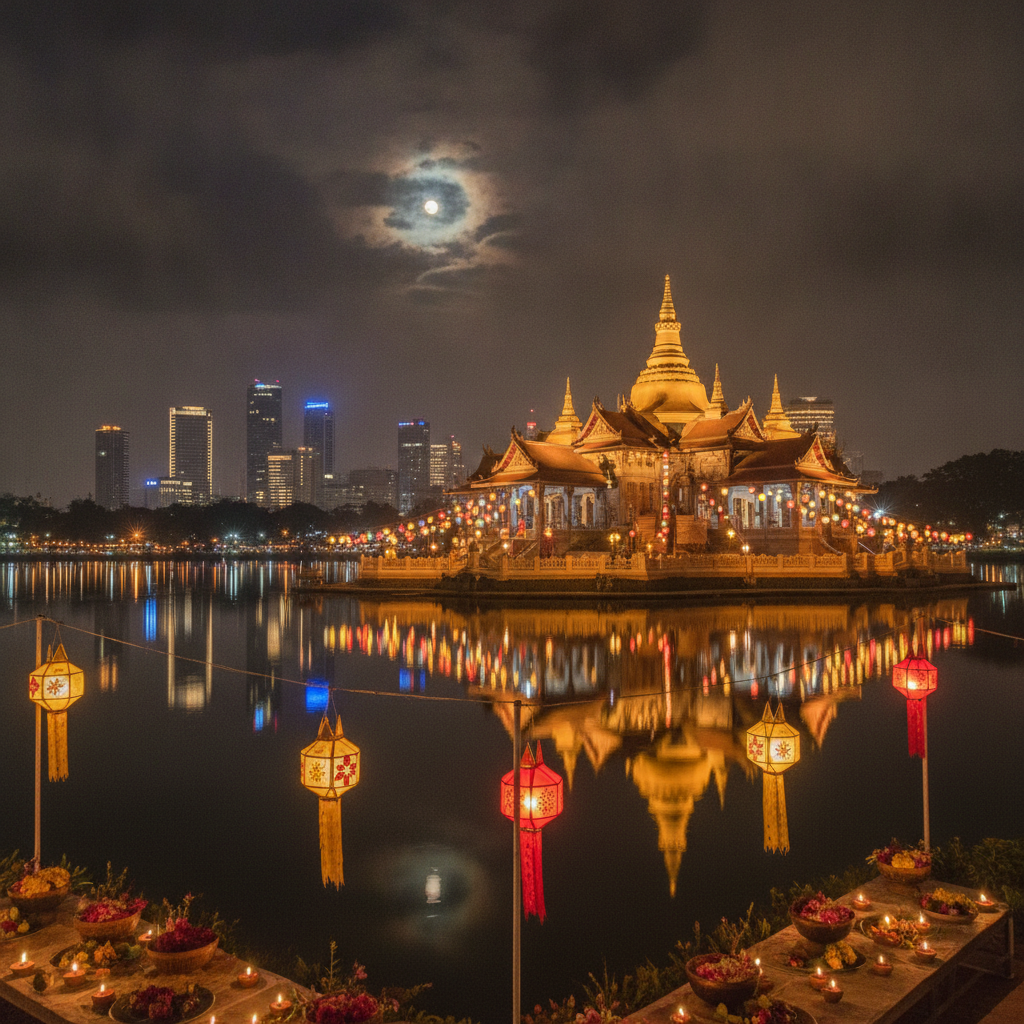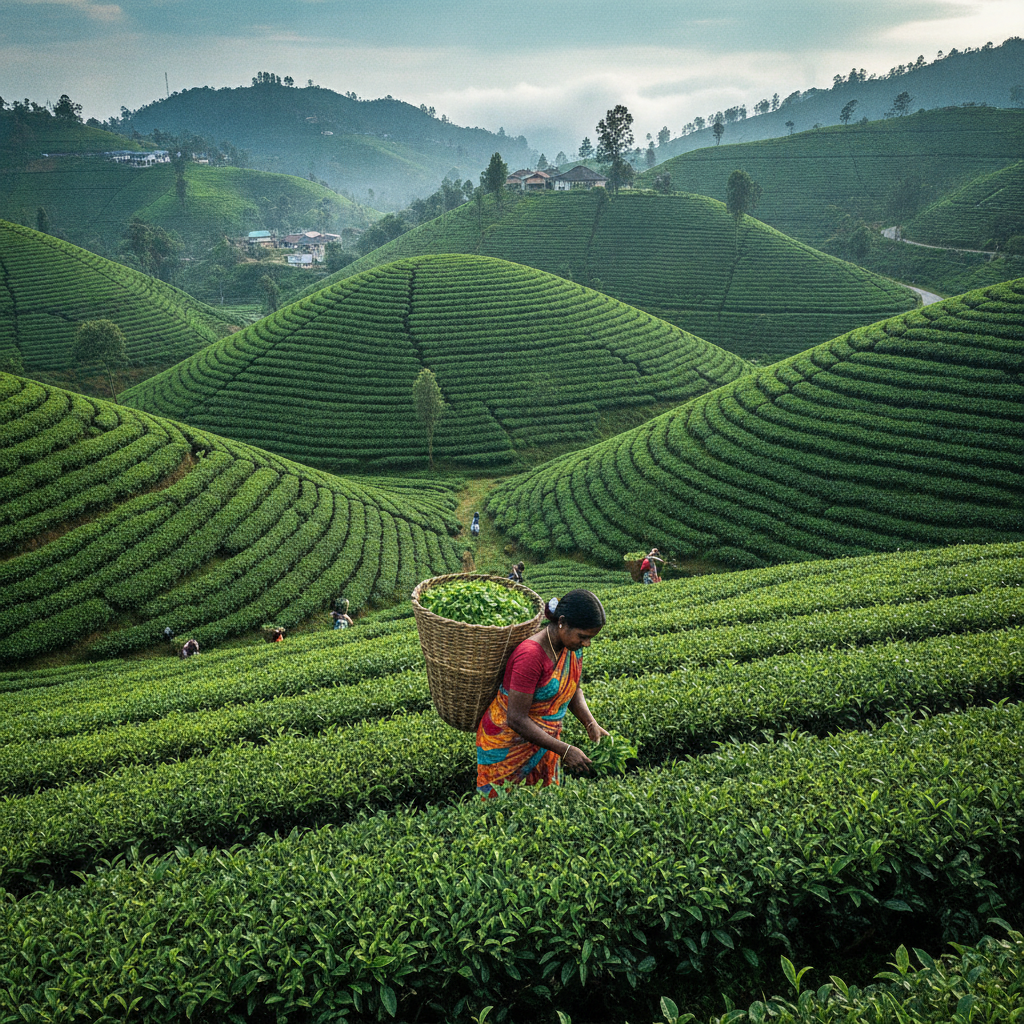
Colombo Practical Guide: 40-Minute Airport Train, 2022 Economic Crisis Recovery & Ceylon Cinnamon
Navigate Sri Lanka's capital and context—the express train from Bandaranaike Airport to Fort Station for €0.55, the 2022 economic crisis where the president fled protestors and power cuts ran 13 hours (now stabilised by IMF bailout), Sri Lanka's two-monsoon coast system for optimal trip planning, the world's best true Ceylon cinnamon still sold in Pettah (a different species from what you buy at home), and the Sri Maha Bodhi tree grown from the original Bodhi Tree cutting in 288 BC.
- 1
Getting to & Around Colombo
Bandaranaike International Airport (CMB) is 35 km north of Colombo—the express train (Colombo Katunayake Express) takes 40 minutes to Fort Station (LKR200/€0.55); taxis cost LKR3,000–4,000 (€8–11). Colombo's city transport uses tuk-tuks (negotiate price before boarding; LKR50–200/km), the Colombo city bus network, and Uber/PickMe ride-hailing apps. The Colombo metro's Blue Line (Phase 1, 15.7 km) opened in 2022—the first metro in Sri Lanka—connecting Pettah to Malabe. Inter-city travel uses comfortable A/C express buses or the colonial-era railway network.
- 2
Sri Lanka's Economic Crisis & Recovery
Sri Lanka's 2022 economic crisis—the worst since independence—saw the country default on its foreign debt ($51 billion), fuel queues of 10+ hours, power cuts of 13 hours daily, and President Gotabaya Rajapaksa fleeing the country after protestors stormed his residence. The immediate cause was foreign exchange depletion (exacerbated by COVID tourism loss and organic farming policy failure); deeper causes included decades of fiscal mismanagement. An IMF bailout ($3 billion, 2023) and sharp austerity measures have stabilised the currency; tourism has recovered strongly from 2023.
- 3
Best Time to Visit Sri Lanka & Colombo
Sri Lanka has two monsoon seasons affecting different coasts: the southwest monsoon (May–September) brings rain to Colombo and the west coast; the northeast monsoon (November–January) affects the east coast. The optimal Colombo/west coast season is December–April. The Hill Country and east coast are best July–September (dry season for those areas). For whale watching at Mirissa: November–April. For surfing at Arugam Bay: April–October. Sri Lanka can theoretically be visited year-round by moving between the two coasts as seasons change.
- 4
Sri Lankan Spice Trade History
Sri Lanka (formerly Ceylon) was the world's most important source of cinnamon for over 2,000 years—the island's cinnamon (Cinnamomum verum) is a different species from the Vietnamese/Chinese cassia sold as cinnamon in most countries and is considered far superior in flavour. The Portuguese established control of the cinnamon trade in 1505; the Dutch VOC took over in 1658; the British took the island in 1796. Colombo's spice market in Pettah still sells true Ceylon cinnamon. Black pepper, cardamom, cloves, and nutmeg were also major Sri Lankan exports in the colonial spice trade era.
- 5
Colombo's Contemporary Art Scene
Colombo's contemporary art scene has expanded significantly since the end of the civil war (2009). The Saskia Fernando Gallery (Cinnamon Gardens) is the leading commercial gallery for Sri Lankan contemporary art; the Lionel Wendt Centre stages music, film, and theatre. The Colombo Art Biennale (founded 2009) is a significant biennial event; the Paradise Road Galleries support emerging Sri Lankan artists. The civil war's aftermath—displacement, ethnic tension, reconciliation—provides the central theme for much contemporary Sri Lankan art. The Geoffrey Bawa architectural legacy (Sri Lanka's most important architect) is celebrated in the Geoffrey Bawa Trust.
- 6
Sri Lanka's Buddhist Heritage & Temples
Sri Lanka is one of the world's oldest Buddhist countries—Buddhism arrived in the 3rd century BC during the reign of Emperor Ashoka and has been the state religion continuously. The Cultural Triangle (Anuradhapura, Polonnaruwa, Sigiriya) contains the ancient cities where Sri Lanka's Buddhist civilisation flourished from the 3rd century BC to the 12th century AD. Anuradhapura (250 km north of Colombo) contains the Sri Maha Bodhi—a tree grown from a cutting of the original Bodhi Tree under which the Buddha attained enlightenment, the oldest historically documented living plant on earth (288 BC).
Walk this route with audio
Stories play automatically as you reach each stop — no tapping needed.
More in Colombo
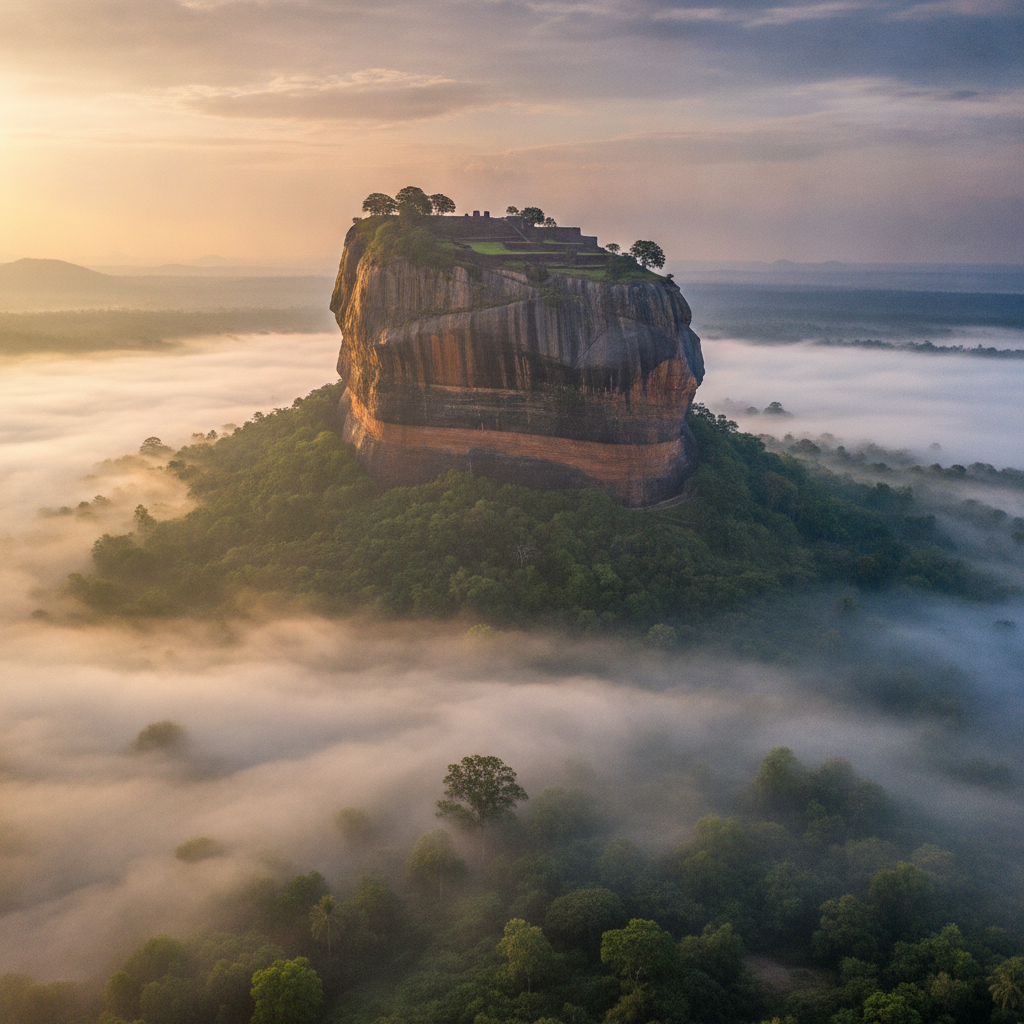
Sri Lanka from Colombo: Sigiriya's Cloud Maidens, Kandy's Buddha Tooth & World's Best Leopard Sightings
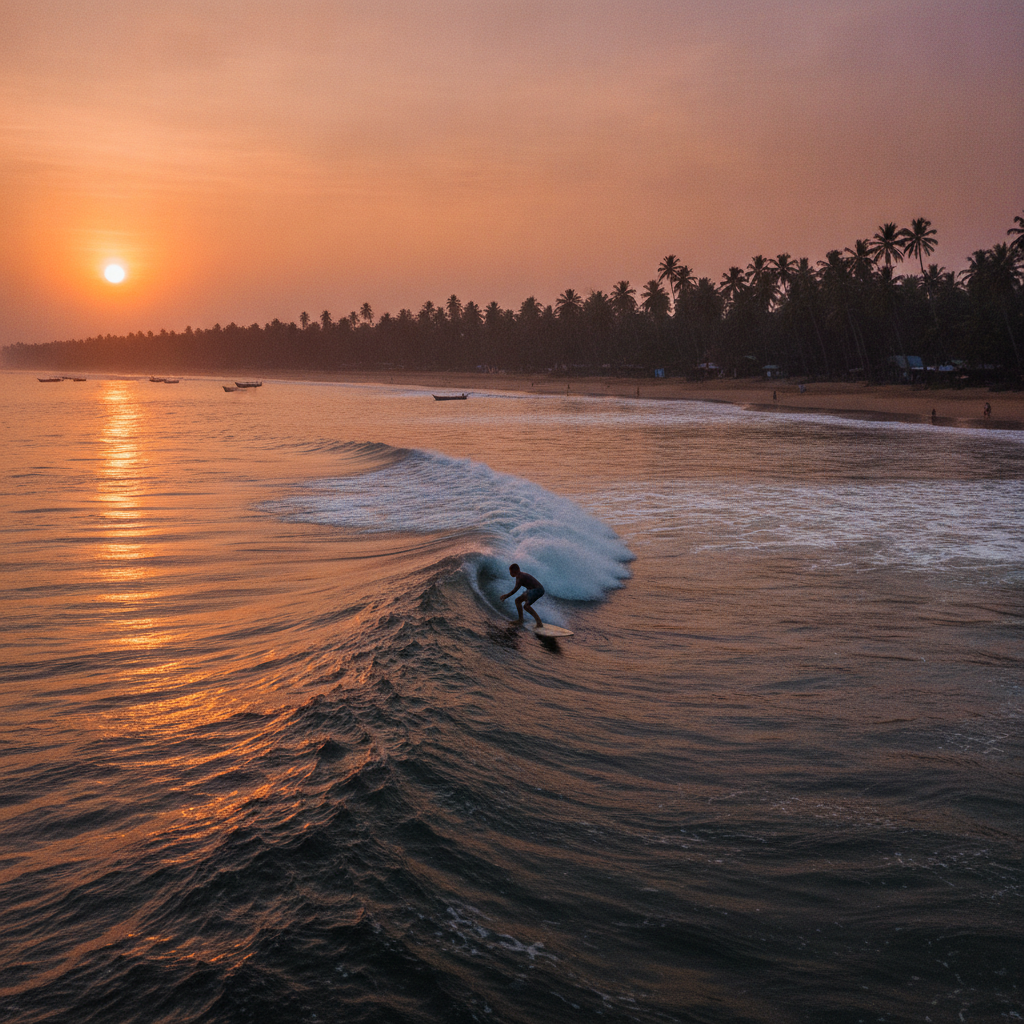
Sri Lanka's Full Picture: World-Class Surfing at Arugam Bay, 10,000 Ancient Reservoirs & Blue Sapphires
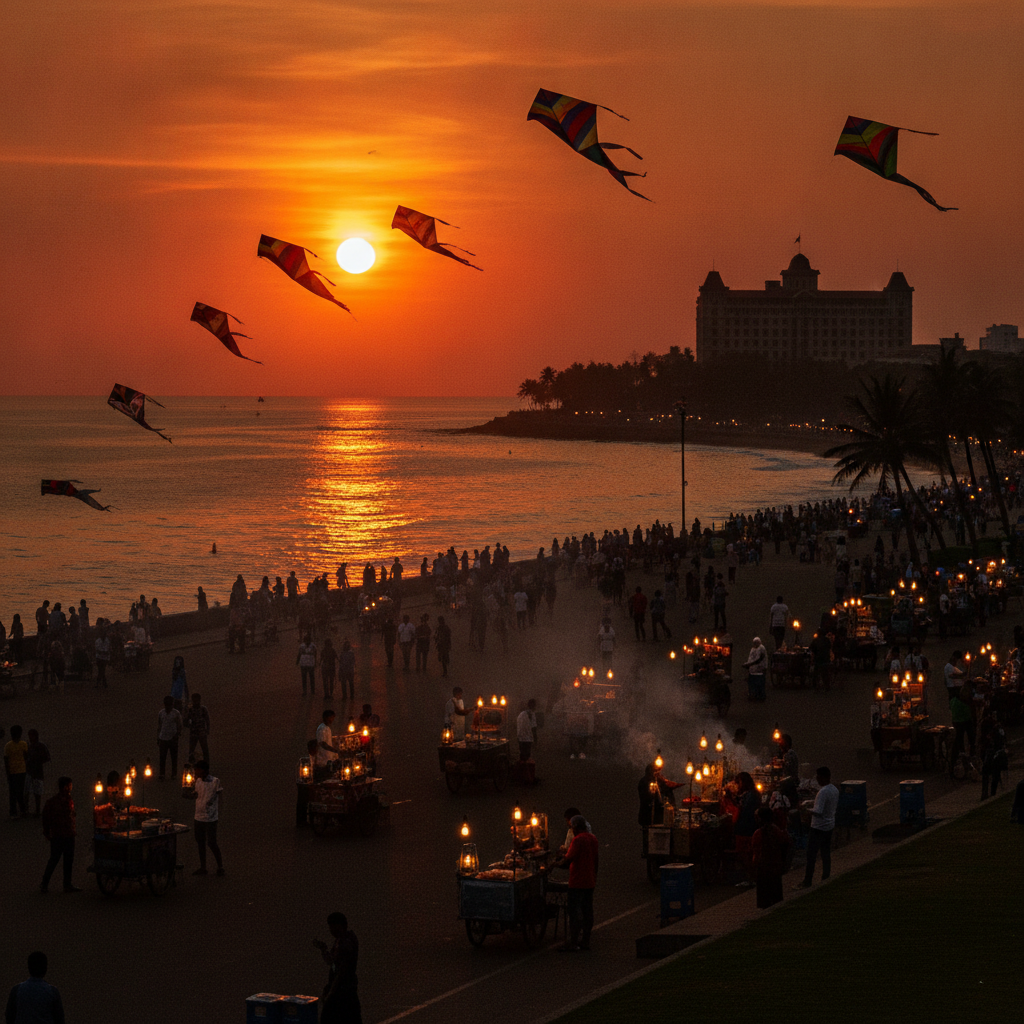
Colombo Essentials: Pettah's Candy-Striped Mosque, Galle Face Sunset & Hoppers for Breakfast
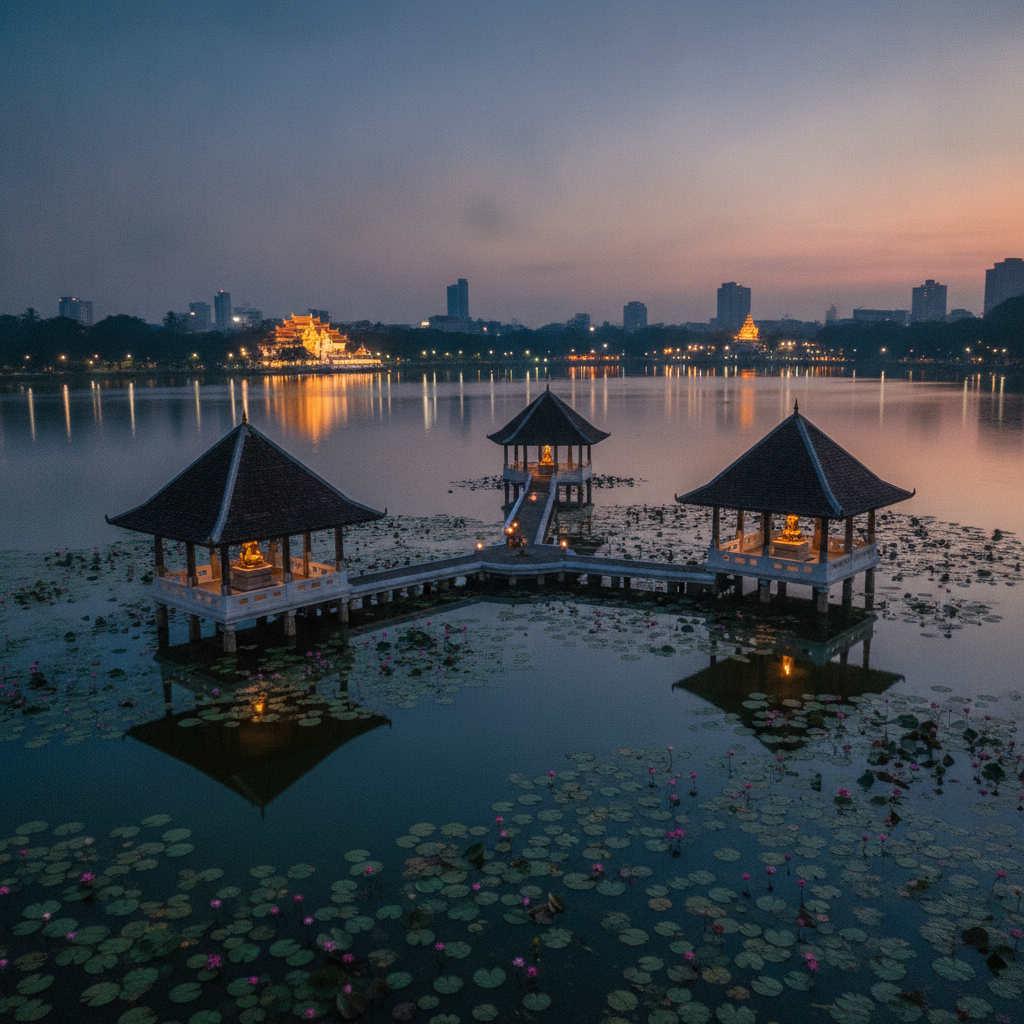
Colombo's Layers: Geoffrey Bawa's Floating Temple, Dutch Burgher Lampries & Ceylon Coffee Revival