Colombo's Soul: Kottu Roti's Street Clang, Geoffrey Bawa's Tropical Modernism & Tamil History
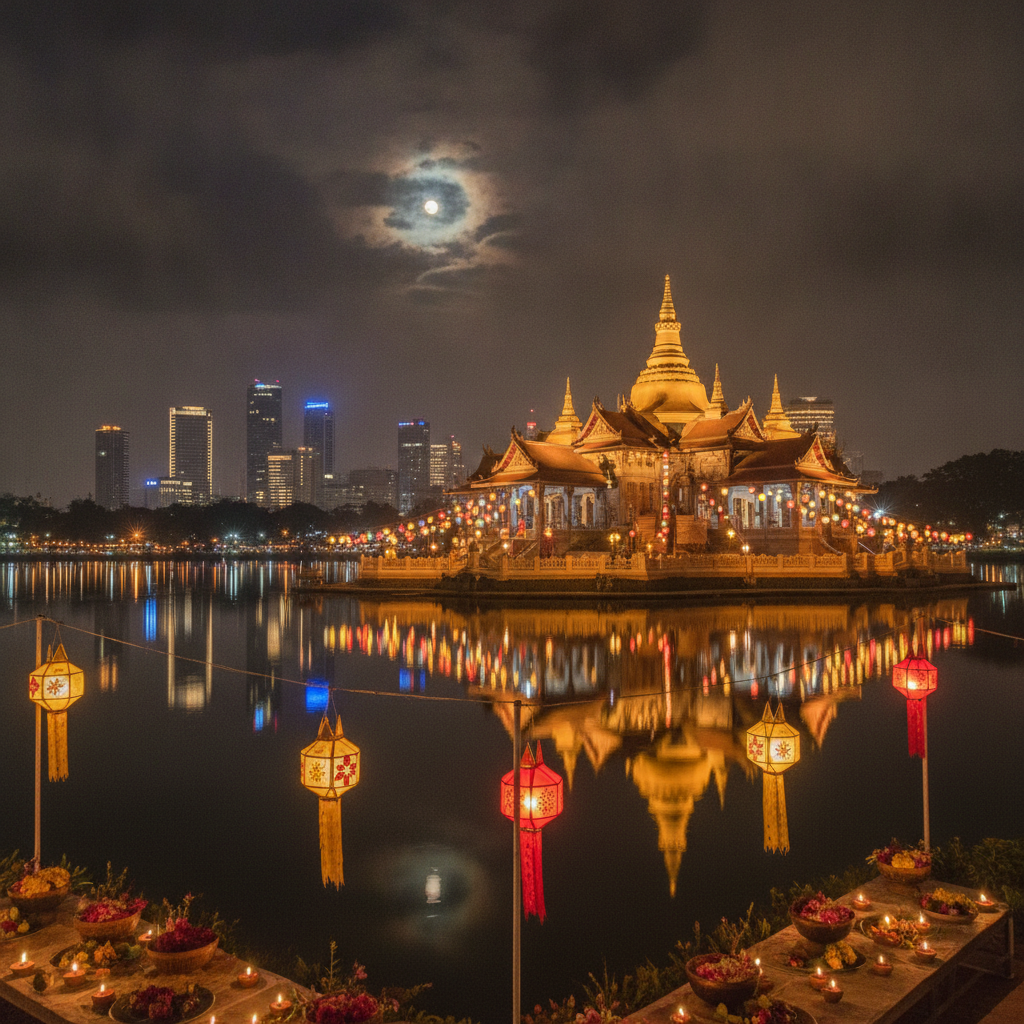
Experience Colombo's living culture—the rhythmic metal clang of kottu roti blades on iron griddles at midnight (Sri Lanka's defining street sound), Ceylon tea at the world's largest single-source auction running since 1883, Geoffrey Bawa's Tropical Modernism (Sri Lanka's Parliament, a floating lake temple, an Indian Ocean estate developed over 50 years), and the Gangaramaya Temple's extraordinary museum of Buddhist gifts from Thailand, Japan, and China on Beira Lake.
- 1
Kottu Roti – Colombo's Street Food Signature
Kottu roti—shredded flatbread (roti) stir-fried on a hot iron griddle with vegetables, egg, and meat—is Colombo's most iconic street food and one of South Asia's great culinary inventions. The rhythmic clanging of the metal blades chopping the roti is the defining sound of Colombo's night streets. The dish originated in Jaffna (northern Tamil region) but is now ubiquitous throughout Sri Lanka. Every street-side kade (small shop) sells kottu roti from sunset onwards; the best versions use fresh-baked Jaffna-style roti. A plate costs LKR300–500 (€0.80–1.40).
- 2
Ceylon Tea Culture – High Tea & Estate Visits
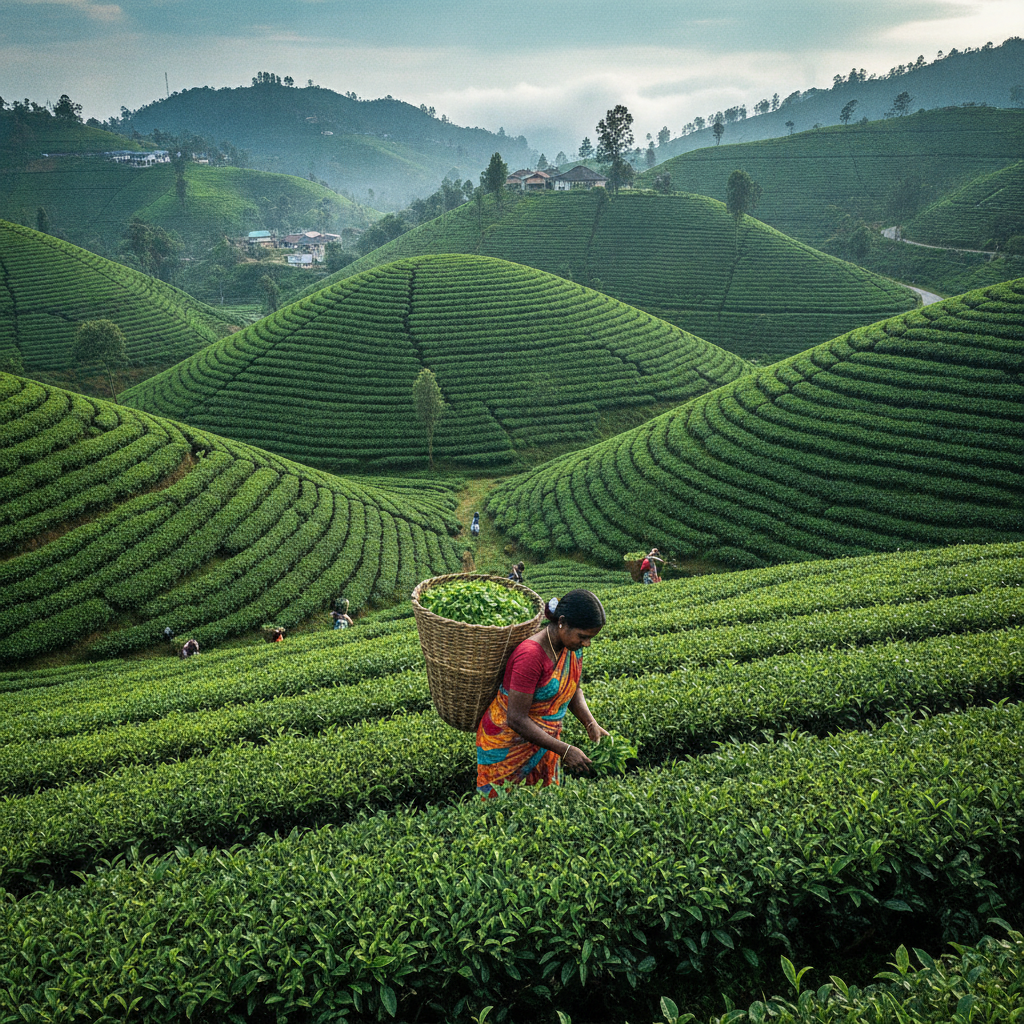
Ceylon tea—Sri Lanka's defining export product and one of the world's most recognised geographic indicators—is grown at three altitudinal levels: low-grown (below 600 m, robust and malty), mid-grown (600–1,200 m, balanced), and high-grown (above 1,200 m, delicate and aromatic). The Dilmah Tea Experience in Colombo and the Mackwoods Tea Estate near Nuwara Eliya offer structured tea tasting and factory tours. The Colombo tea auction (started 1883) is still the world's largest single source tea auction; buyers from 35 countries bid weekly.
- 3
Colombo's Nightlife & Rooftop Bars
Colombo has emerged as South Asia's most sophisticated nightlife destination—the rooftop bars of the Shangri-La, the Kingsbury, and the Cinnamon Grand Hotels overlook the Indian Ocean and the Fort; Sky Bar (33rd floor, Movenpick) and the Botanical Bar (Anantara Colombo) are the current favourites. The Colombo nightclub scene (Amuseum, Dutch Hospital precinct, Rhythm & Blues) has expanded rapidly since the civil war's end. Beer (Lion Lager—brewed in Nuwara Eliya since 1881) and arrack (Sri Lankan coconut or grain spirit) are the local drinks.
- 4
The Tamil Community & Sri Lanka's Ethnic History
Sri Lanka's civil war (1983–2009) between the Sinhalese Buddhist majority government and the Tamil Tiger separatist organisation LTTE (fighting for an independent Tamil homeland in the north and east) killed approximately 100,000 people and displaced millions. The war ended in May 2009 with the military defeat of the LTTE; the final stages involved allegations of serious war crimes by both sides. Colombo's Tamil community (concentrated in Wellawatte and Bambalapitiya) has rebuilt; the north (Jaffna, 395 km from Colombo) is accessible by train and A/C bus—the most distinct cultural experience in Sri Lanka.
- 5
Colombo's Geoffrey Bawa Legacy
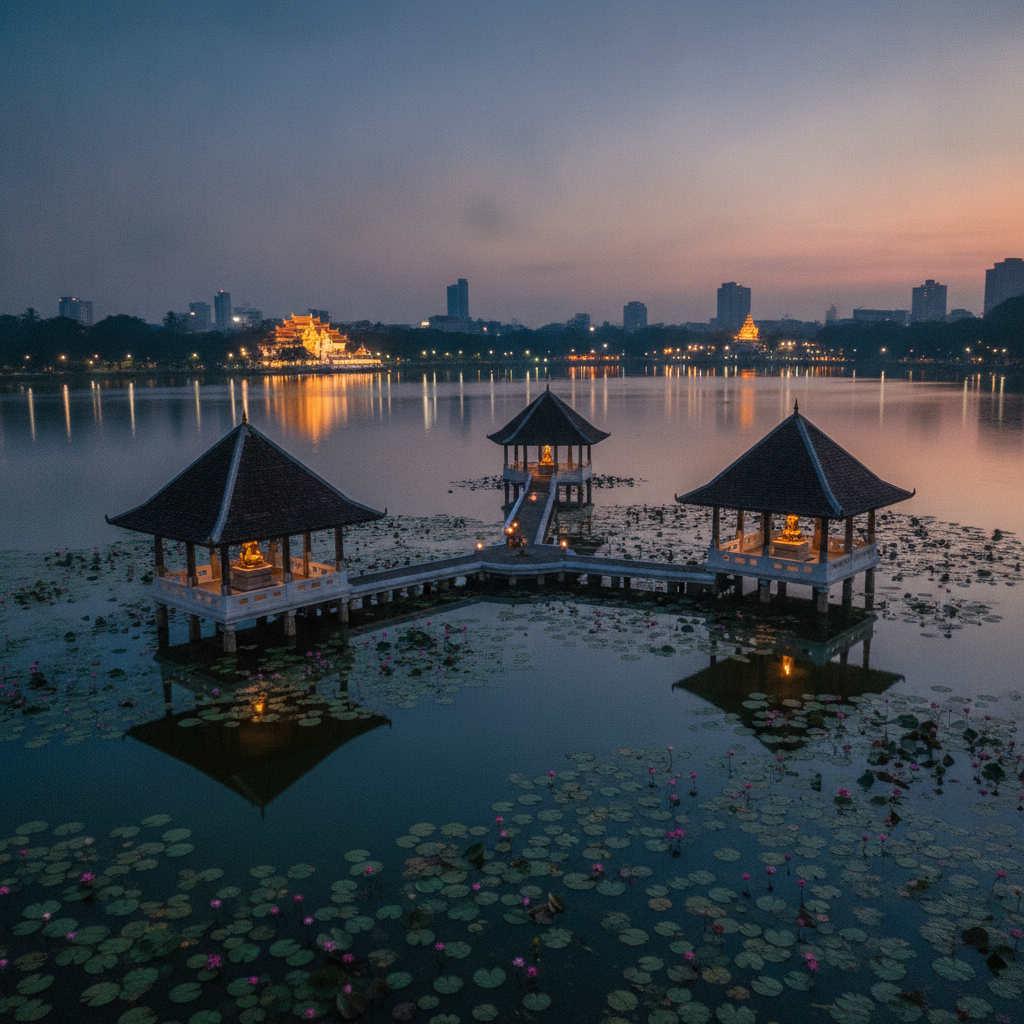
Geoffrey Bawa (1919–2003)—Sri Lanka's greatest architect—developed Tropical Modernism: a synthesis of colonial, vernacular Sri Lankan, and modernist architecture that influenced a generation of Asian architects. His Lunuganga estate (90 km south of Colombo) is the most complete expression of his design philosophy—a garden estate of extraordinary beauty developed over 50 years. In Colombo, the Sri Lanka Parliament building (1982, Sri Jayawardenepura Kotte), the Seema Malaka (floating temple on Beira Lake), and the Cinnamon Grand Hotel are major Bawa works. The Geoffrey Bawa Trust runs architectural tours.
- 6
Colombo's Religious Diversity
Colombo is one of South Asia's most religiously diverse cities—Sinhalese Buddhist (majority, 70%), Tamil Hindu (14%), Muslim (9%), and Christian (7%) communities live in close proximity with their respective temples, mosques, and churches. The Gangaramaya Buddhist Temple (1885, incorporating a remarkable museum of Buddhist art and Thai, Japanese, and Chinese donations) is the city's most visited religious site. The Jami Ul-Alfar Mosque (Pettah, 1909), St Lucia's Cathedral (Kotahena, 1873—Sri Lanka's largest Catholic church), and the Beira Lake Hindu temple form Colombo's religious skyline.
Walk this route with audio
Stories play automatically as you reach each stop — no tapping needed.
More in Colombo
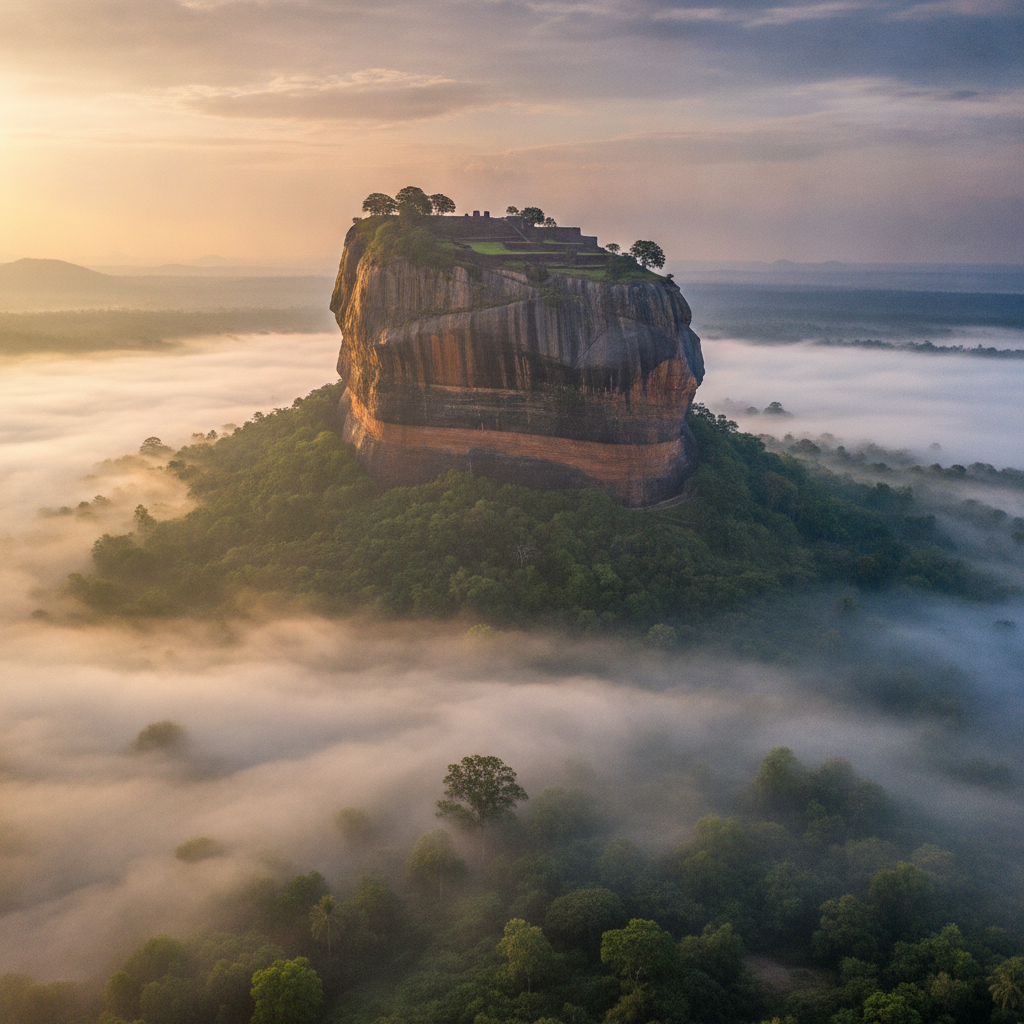
Sri Lanka from Colombo: Sigiriya's Cloud Maidens, Kandy's Buddha Tooth & World's Best Leopard Sightings
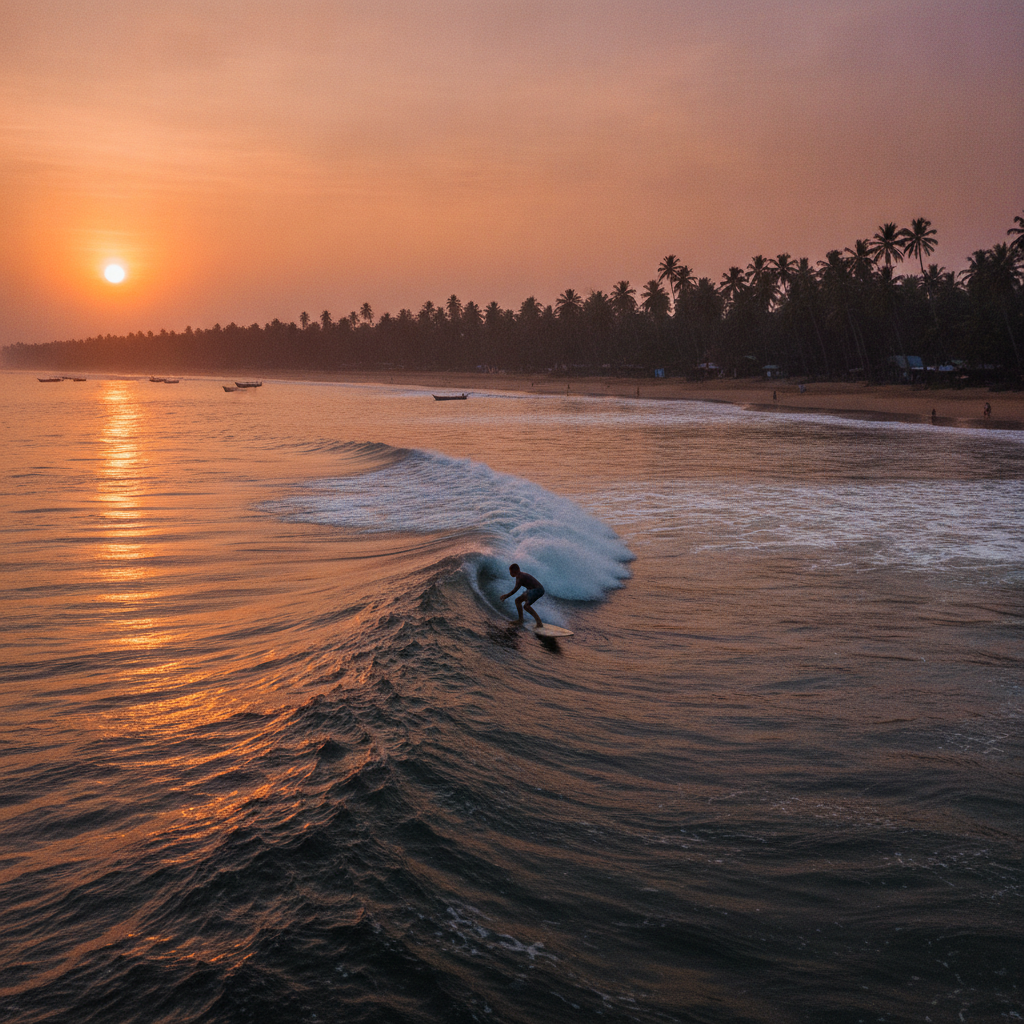
Sri Lanka's Full Picture: World-Class Surfing at Arugam Bay, 10,000 Ancient Reservoirs & Blue Sapphires
Colombo Practical Guide: 40-Minute Airport Train, 2022 Economic Crisis Recovery & Ceylon Cinnamon
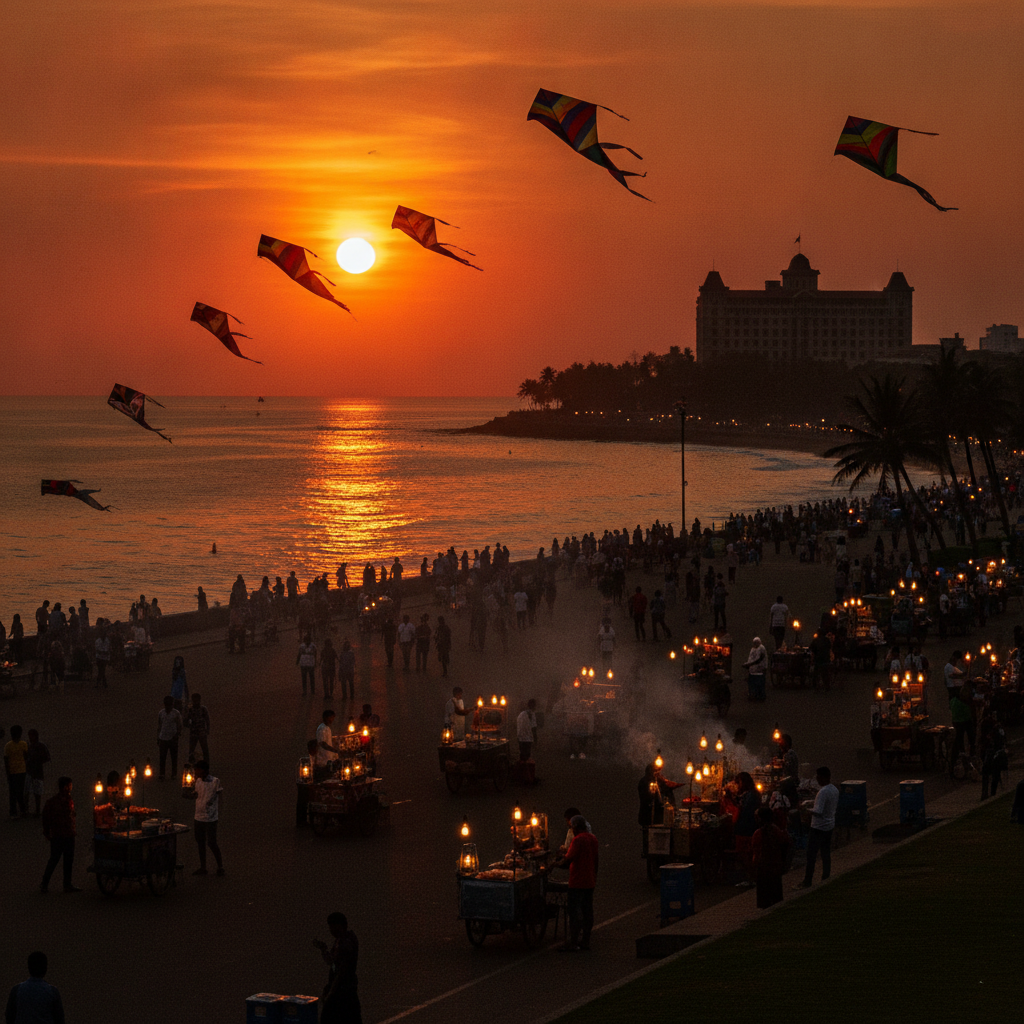
Colombo Essentials: Pettah's Candy-Striped Mosque, Galle Face Sunset & Hoppers for Breakfast