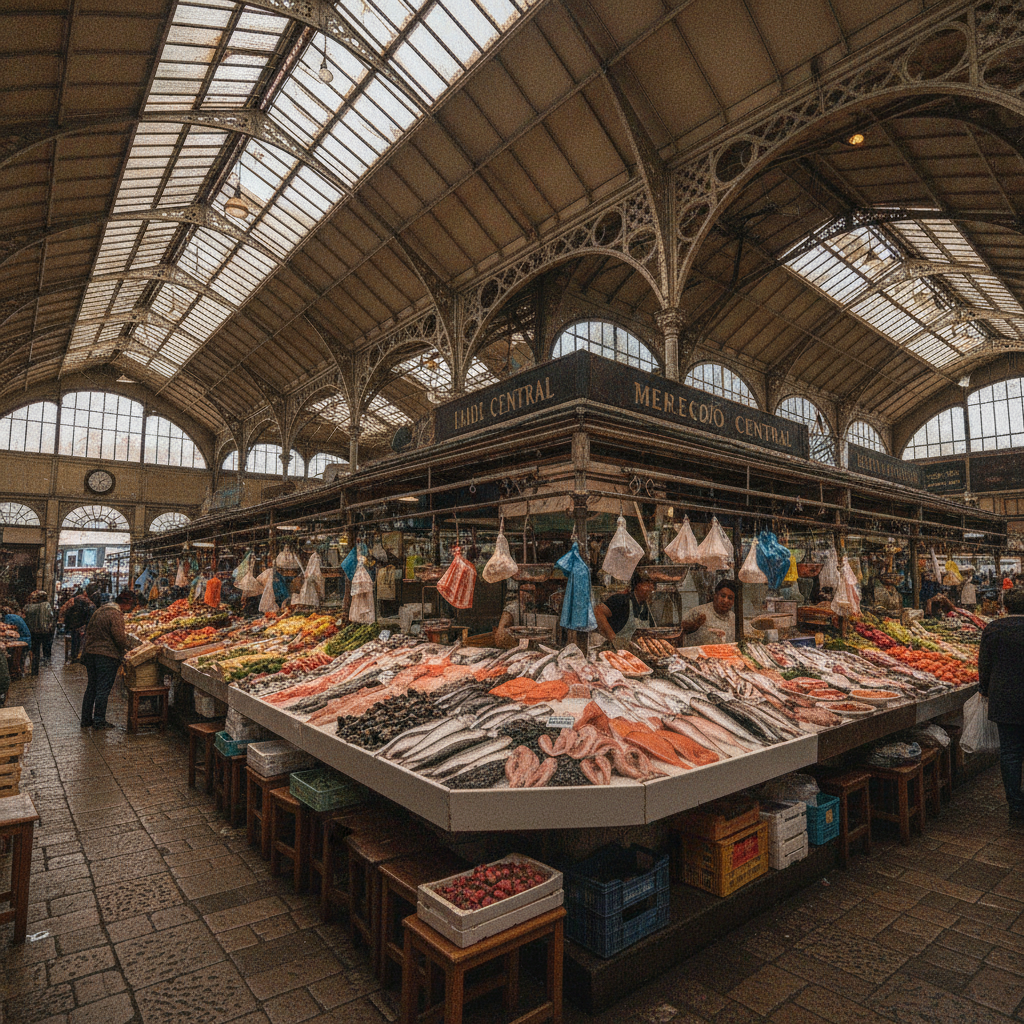
Concepción Essential: The Biobío River, the Gran Catedral, Parque Ecuador, the Universidad de Concepción Murals, Cerro Caracol, and the Gateway to Chilean Lake District
The Concepción essential route covers the Plaza de la Independencia as the civic heart of the eighth-largest Chilean city, the Gran Catedral de la Santísima Concepción as the most historically significant religious building in the Biobío region, Parque Ecuador as the most pleasantly wooded urban park in the city, the Universidad de Concepción murals as the most politically significant Mexican-influenced fresco cycle in Chile, Cerro Caracol as the most accessible viewpoint over the Biobío River valley, and the Galería de la Historia as the most complete diorama-based regional history museum in southern Chile.
- 1
Plaza de la Independencia: The Civic Heart of Concepción
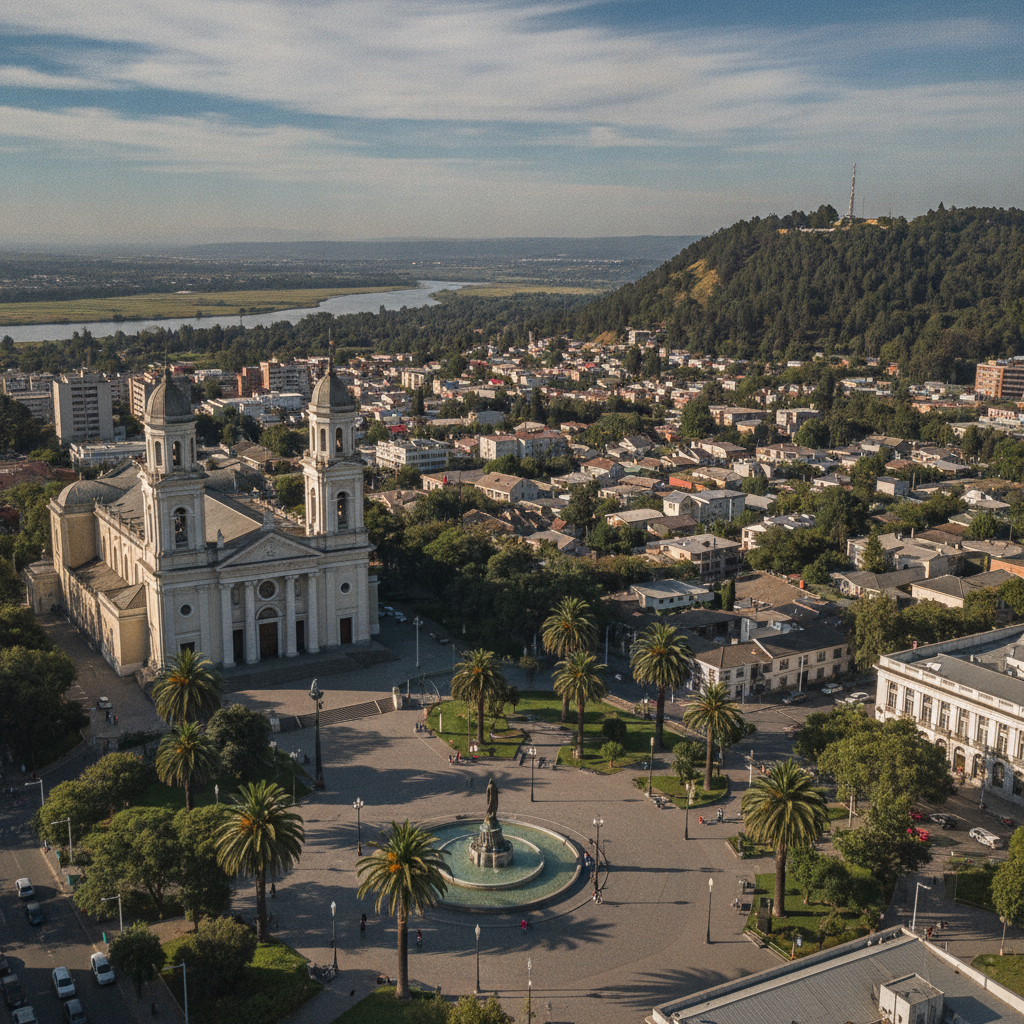
The Plaza de la Independencia in central Concepción is the most historically significant single urban square in the Biobío region and the site of the first Chilean Declaration of Independence in 1818, making it the most politically important single plaza in Chilean independence history outside Santiago. The surrounding colonial and neoclassical government buildings, the central fountain, and the palm-lined promenades create the most formally composed civic space in southern Chile and the essential starting point for any exploration of the city that most completely defines the agricultural-industrial character of Chilean provincial urbanism.
- 2
Gran Catedral de la Santísima Concepción: The Neoclassical Cathedral
The Gran Catedral de la Santísima Concepción facing the Plaza de la Independencia is the most architecturally imposing religious building in the Biobío region, rebuilt in neoclassical style after multiple earthquake destructions that have shaped Concepción's architectural history more than any other single force. The twin-towered facade, the vaulted interior with the stained glass nave windows, and the crypt with the remains of regional bishops constitute the most complete religious heritage experience available in a city whose repeated reconstruction after seismic events makes it the most earthquake-resilient single urban settlement in Chilean history.
- 3
Parque Ecuador: The Linear Hilltop Park
Parque Ecuador stretching along the Avenida Víctor Lamas ridge above the Concepción city center is the most pleasantly designed single urban green space in the Biobío region, created in 1918 as a centennial independence monument and preserving native coigüe and roble trees in the most naturally atmospheric single urban park in central-southern Chile. The bandstand, the Galería de la Historia museum pavilion at the park's western end, and the views over the Biobío River valley through the park's eastern lookout points create the most varied single urban park experience available in Concepción.
- 4
Universidad de Concepción Murals: The Mexican Fresco Legacy
The Universidad de Concepción campus murals painted by Mexican artist Jorge González Camarena in 1964 in the main university building Casa del Arte are the most politically significant and artistically accomplished single fresco cycle in Chile, depicting Chilean and Latin American history in the most explicitly left-nationalist symbolic vocabulary available in any public building in the country. The campus setting with its Romanesque revival arcades, the botanical garden, and the Pinacoteca university art collection constitute the most culturally complete single university campus experience available in southern Chile.
- 5
Cerro Caracol: The City Viewpoint Forest
Cerro Caracol rising 195 meters above the Concepción city center within a protected native forest reserve is the most accessible single viewpoint over the Biobío River valley and the Concepción urban grid, reached by a 45-minute trail through the most biologically intact native forest remaining within a major Chilean city boundary. The summit mirador provides the most comprehensive single aerial view of the Biobío River bends, the Talcahuano port complex, and the coastal range visible on clear days, making it the most rewarding single half-day natural excursion from the city center.
- 6
Galería de la Historia: The Regional Diorama Museum
The Galería de la Historia housed in the Parque Ecuador pavilion is the most complete single diorama-based regional history museum in Chile, presenting the Biobío region's history from the Mapuche pre-Hispanic settlements through the Spanish conquest and the independence wars to the twentieth-century industrial development in the most miniaturized and theatrically lit single museum format available in the country. The Mapuche ethnographic section, the independence battle recreations, and the nitrate and coal industry dioramas constitute the most accessible single introduction to the history of southern Chile available in the region.
Walk this route with audio
Stories play automatically as you reach each stop — no tapping needed.
More in Concepción
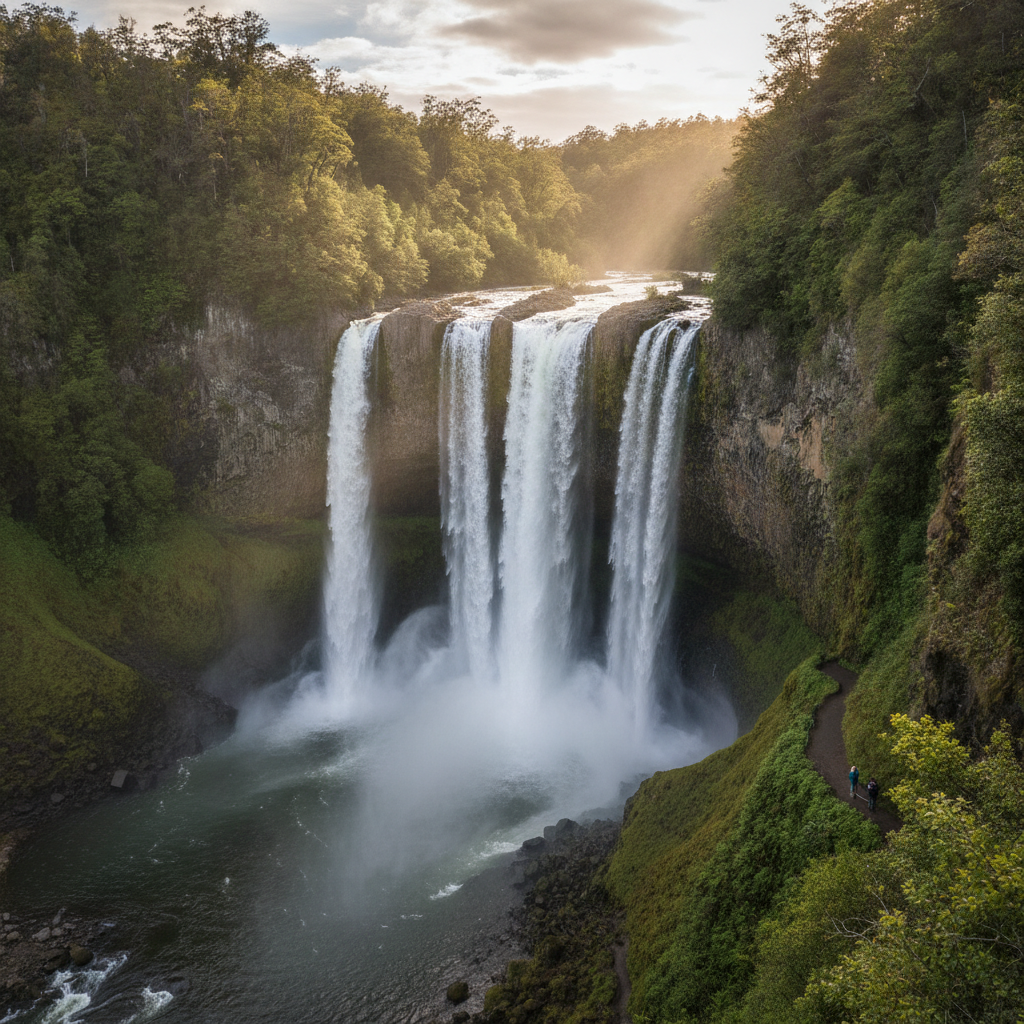
Salto del Laja and Laguna del Laja: The Waterfall Circuit, Antuco Volcano, the Biobío River Canyon, and the Andean Frontier
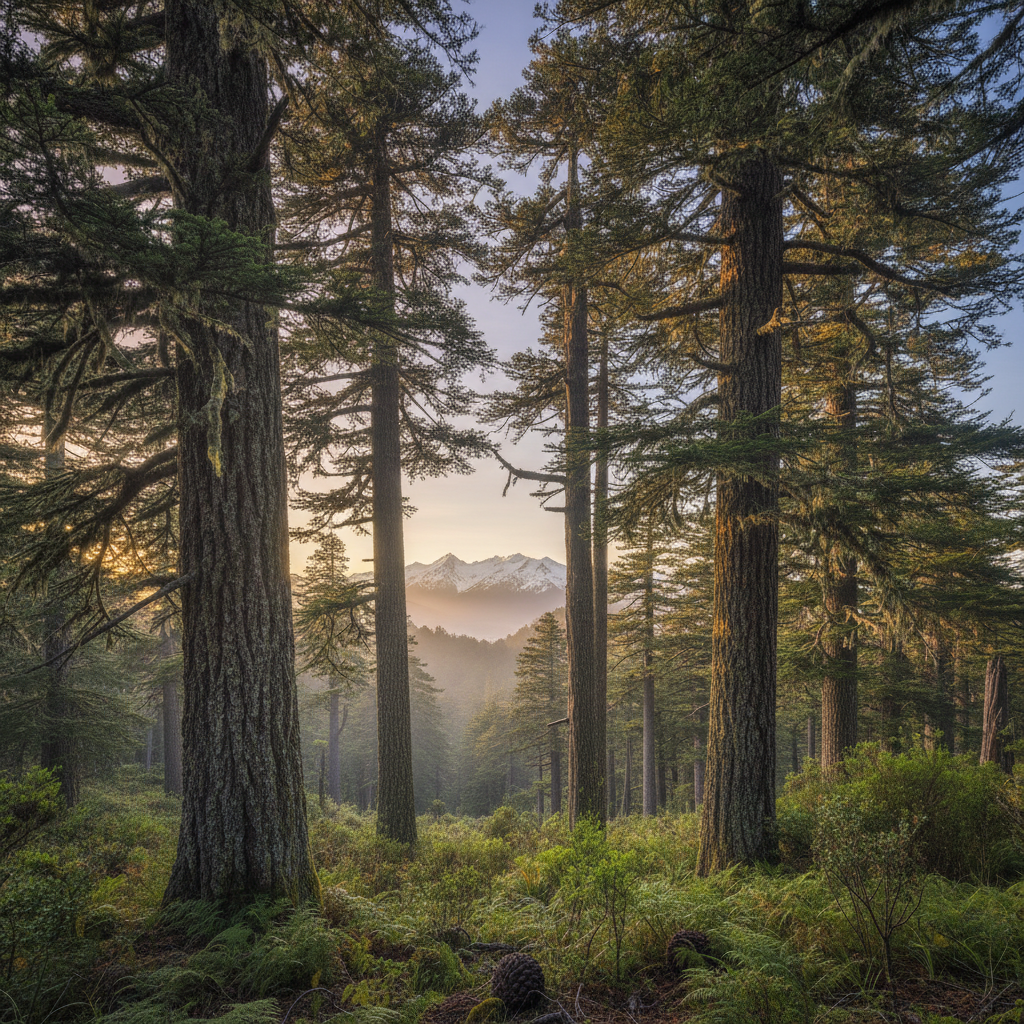
Nahuelbuta National Park: The Araucaria Forest, Angol City, the Purén Mapuche Heritage, and the Coastal Range Wilderness
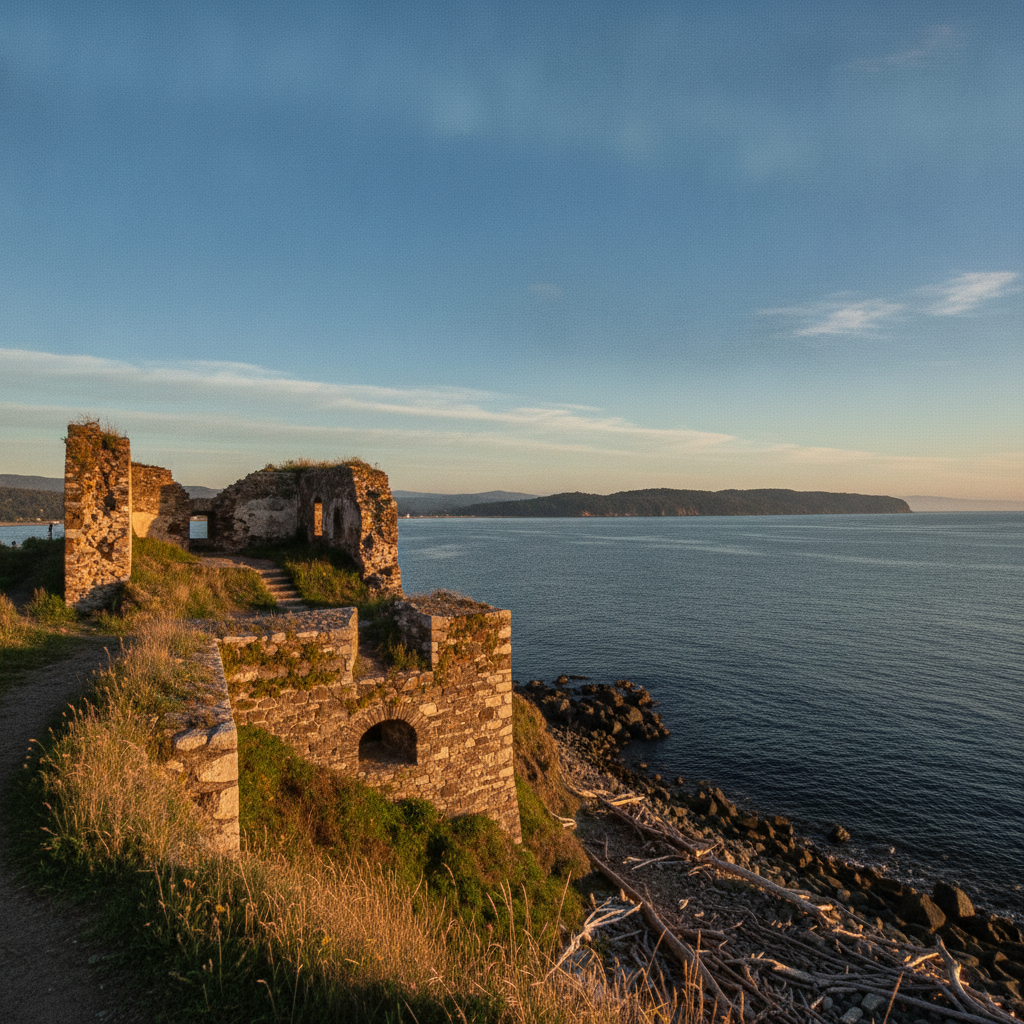
Concepción Bay Colonial Circuit: The Penco Fort, Lirquén Port, the Bahía de Concepción Coastline, and the Yumbel Pilgrimage Shrine
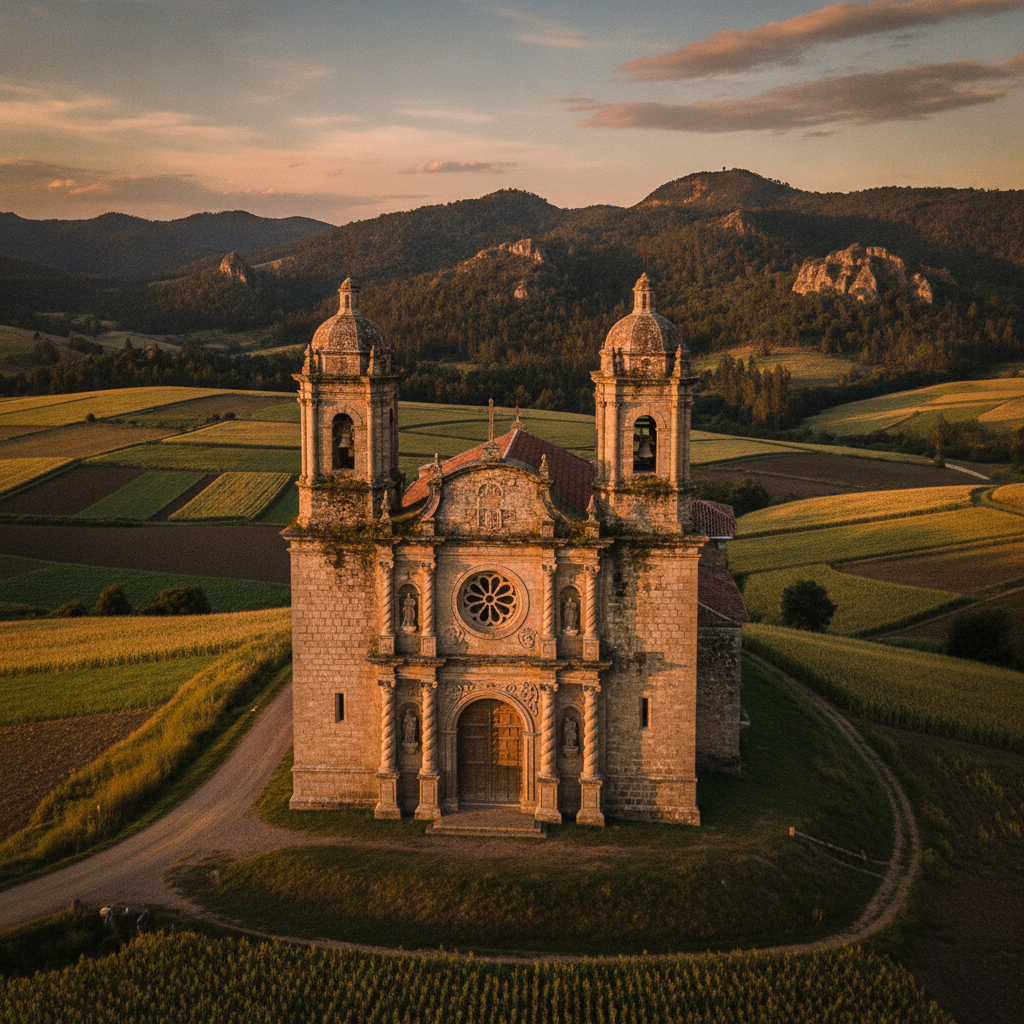
Concepción Interior Day Trips: Cabrero, Yumbel Pilgrimage Town, Coelemu Colonial Church, and the Biobío Pre-Andean Villages
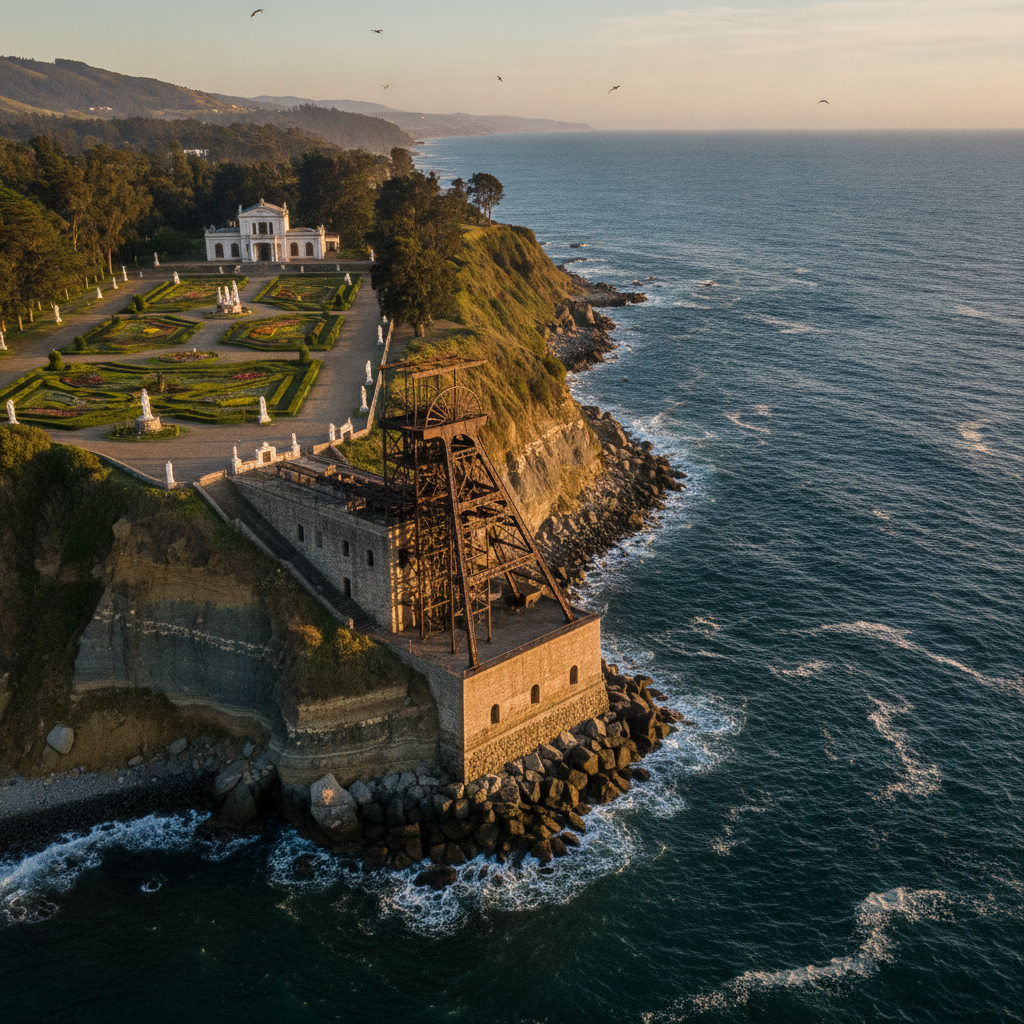
Lota Coal Heritage: The Chiflón del Diablo Mine, Parque Isidora Cousiño, the Coal Mining Museum, and the Arauco Province Industrial Legacy