Cusco Living Andean Culture: Inti Raymi, Qoyllur Riti, and Contemporary Quechua Life
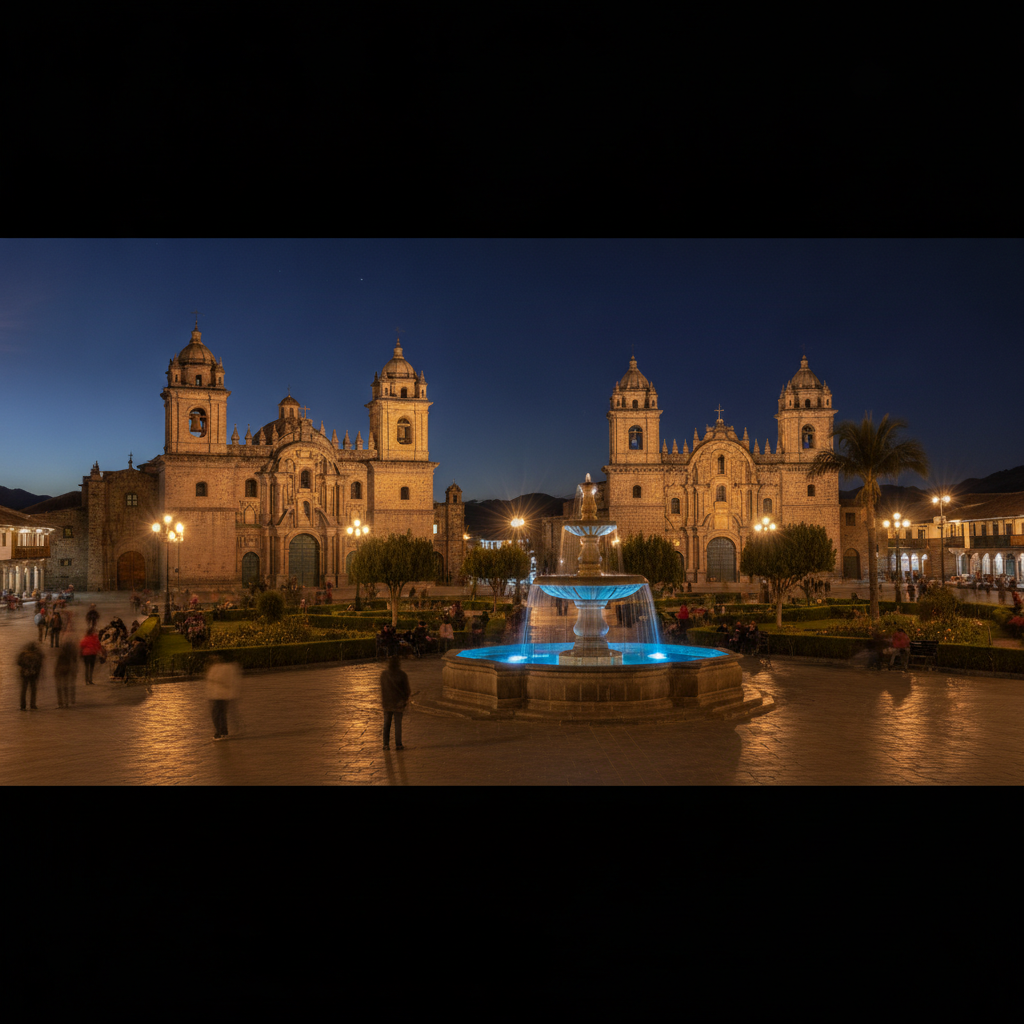
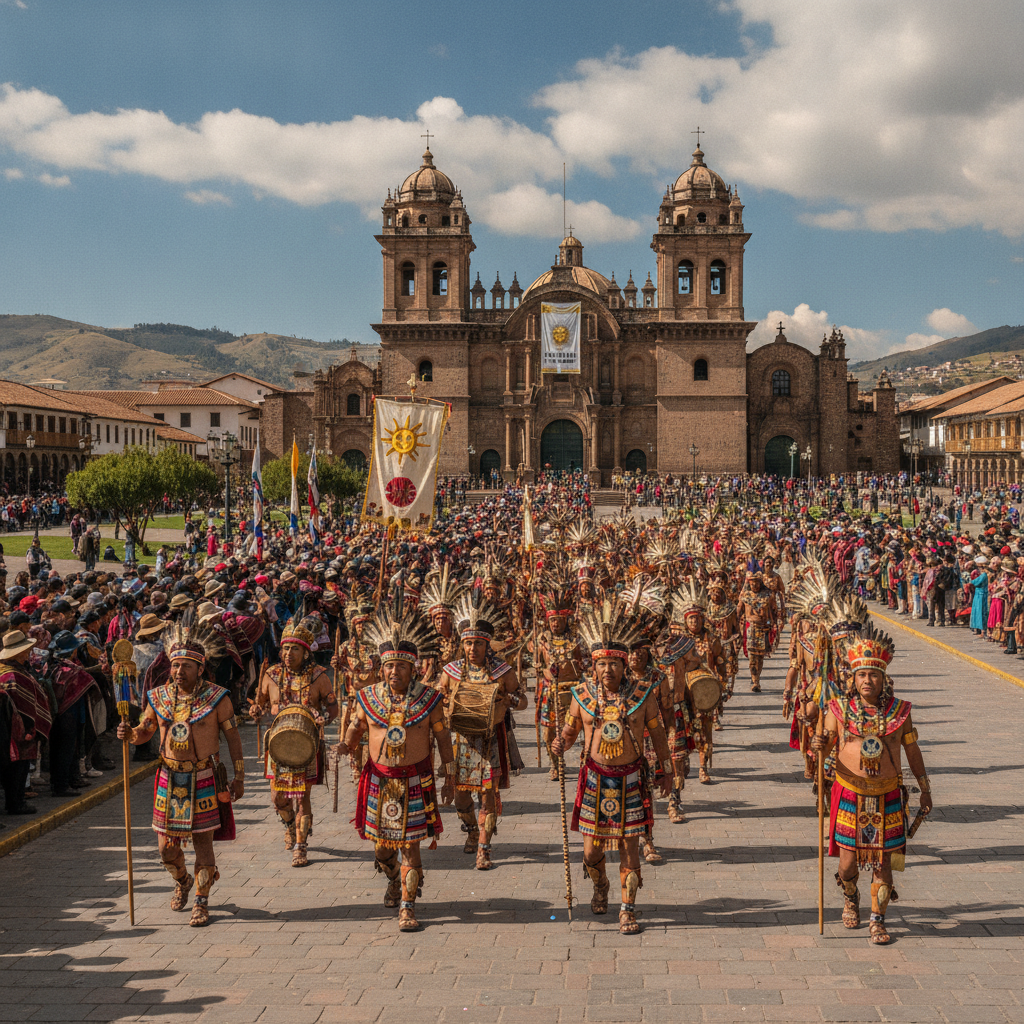
Cusco is not only an archaeological destination but a living Andean city where Quechua cultural traditions have survived 500 years of colonial pressure and continue to be practiced in the surrounding communities and expressed in the city festivals. The Inti Raymi festival of the sun, held each June 24 at Sacsayhuaman and the Plaza de Armas, is the largest pre-Columbian revival festival in South America and draws 200,000 spectators. The Qoyllur Riti pilgrimage to the Sinakara Valley glacier each May or June is one of the most remarkable surviving indigenous religious events in the Americas, blending Andean mountain worship with Catholic iconography in a combination that has endured since the 18th century.
- 1
Inti Raymi: The Festival of the Sun at Sacsayhuaman
Inti Raymi, the festival honoring Inti the sun god, was the most important annual celebration of the Inca calendar, held at the winter solstice of the Southern Hemisphere on June 24 and involving a multiday sequence of ceremonies, fasting, sacrifices, and feasting. The Spanish suppressed the festival as idolatry but it was revived as a theatrical reenactment by Faustino Espinoza in 1944 with Quechua dialogue based on historical sources. The contemporary Inti Raymi is performed by actors from the Cusco community in full Inca ceremonial costume on three stages simultaneously: the morning ceremony at Qorikancha, the midday procession through the Plaza de Armas, and the late afternoon performance at Sacsayhuaman where the main theatrical sequence is enacted for audiences of up to 200,000. The Sacsayhuaman performance requires purchased tickets for the best viewing sections; free viewing from the surrounding hillsides accommodates large overflow crowds. Hotel prices in Cusco during Inti Raymi week are the highest of the year.
- 2
Qoyllur Riti: The Snow Star Pilgrimage in the Sinakara Valley
The Qoyllur Riti pilgrimage, which takes place each May or June in the Sinakara Valley at approximately 4,700 meters altitude below the Ausangate glacier, is one of the most remarkable surviving expressions of Andean religious syncretism in the Americas, combining pre-Christian mountain spirit worship with Catholic devotion to an image of Christ that appeared miraculously to a shepherd boy in a documented 18th century event. Between 50,000 and 100,000 pilgrims from throughout the Cusco region and Bolivia travel to the sanctuary, with many making the journey on foot over the high passes. The ukuku, costumed figures representing bear-human mythological beings who maintain ritual order at the pilgrimage, traditionally climbed to the glacier surface at night to bring blocks of ice back to their communities; a UNESCO concern about climate change and the shrinking glacier has led to prohibitions on the ice-cutting in recent years. The pilgrimage is one of the most visually and anthropologically remarkable public events in South America.
- 3
Corpus Christi: The Convergence of Catholic and Andean Religion in Cusco
The Corpus Christi celebration in Cusco, held in June on the ninth Thursday after Easter, is the most spectacular of the syncretic Catholic-Andean festivals and has been described by scholars as the continuation of the Inca Capac Raymi festival by other means. Fifteen life-size statues of saints and virgins from the churches of Cusco and surrounding parishes are carried in procession to the Plaza de Armas, where they are displayed together in an arrangement that recalls the Inca practice of bringing the mummified ancestors of the royal lineage to the Huacaypata plaza for the great festivals. The saints and virgins are treated as living presences, given offerings, dressed in new clothing, and carried with specific ceremonial protocols that mirror the treatment of the Inca mummies. The festival involves eight days of celebration with music, food stalls, and fireworks throughout the historic center, and is considered by Cusquenos themselves as the defining annual event of their city identity.
- 4
The Quechua Language: Still Spoken by 10 Million People
Quechua, the administrative language of the Inca empire, remains one of the most widely spoken indigenous languages in the Americas, with an estimated 8 to 10 million speakers distributed across Peru, Bolivia, Ecuador, and smaller communities in Colombia, Argentina, and Chile. In the Cusco region, Quechua is still used as a daily language in many rural communities and by older urban residents; the Peruvian government has officially recognized it as a co-official language alongside Spanish. Many place names throughout Peru are Quechua words whose meanings provide clues to the original character of the places: Apurimac means speaking lord, Urubamba means flat land of spiders, Huasca means rope. Contemporary Quechua has absorbed Spanish loanwords and varies significantly between the Cusco, Ayacucho, and Ecuadorian dialects. Several language schools in Cusco offer Quechua courses alongside the standard Spanish language instruction, and the interest in Quechua among international visitors has grown alongside the revival of Andean cultural pride.
- 5
Andean Cosmology: Pachamama, Apus, and the Living Universe
The Andean cosmological system, which the Spanish missionaries identified as religion and attempted to eradicate but which survived by blending with Catholic forms, understands the world as animated by relationships between human communities and the natural entities around them. Pachamama, usually translated as Mother Earth, is the living being that encompasses the land, sea, and time itself; offerings of chicha, coca leaves, and food are made to Pachamama at the beginning of agricultural activities, construction projects, and journeys. The apus are the mountain spirits of specific peaks, each with a distinct personality and sphere of influence; Ausangate is the most powerful apu of the Cusco region. The ritual of pago a la tierra, payment to the earth, involves burning a combination of offerings including dried llama fat, sugar figures, and coca leaves in a ceremony conducted by a paqo, a traditional Andean spiritual practitioner. These practices are widespread in the Cusco region and visible to respectful observers at community events.
- 6
Shamanic Tourism and the San Pedro Cactus Tradition
The growth of spiritual and shamanic tourism around Cusco reflects both genuine Andean healing traditions and a commercial adaptation of those traditions for international visitors. The San Pedro cactus, containing mescaline and used in northern Peru in healing ceremonies by curanderos for thousands of years, has become a significant draw for visitors seeking plant medicine experiences in the Andes; Cusco and the Sacred Valley have developed a concentration of operators offering ceremonies alongside the established Peruvian tradition centered on Huancabamba in the north. The distinction between authentic healing practice conducted by trained practitioners for therapeutic purposes and commercial ceremonies packaged for tourist consumption is significant; the former involves extensive preparation, specific protocols, and a practitioner with years of training, while the latter may involve minimal preparation and safety assessment. Visitors interested in genuine engagement with Andean plant medicine traditions should research practitioners and operators carefully.
Walk this route with audio
Stories play automatically as you reach each stop — no tapping needed.
More in Cusco
Machu Picchu: The Lost City of the Inca
Cusco Practical Guide: Altitude, Getting There, Neighborhoods, and Costs
Cusco Beyond the Main Sites: Wari Ruins, Colca Canyon Connection, and the Amazon Approach
Cusco History: The Rise and Fall of the Inca Empire
Quechua Culture: The Living Legacy of the Inca