Cusco Beyond the Main Sites: Wari Ruins, Colca Canyon Connection, and the Amazon Approach
Most visitors to Cusco focus exclusively on the Inca trail and Machu Picchu, missing a series of significant sites and journeys that extend the Cusco experience in different directions. The Wari empire that preceded the Inca left substantial ruins at Pikillacta south of Cusco. The journey south from Cusco to Lake Titicaca passes through Puno and the remarkable floating islands. The road west over the Andes toward Arequipa and the Colca Canyon connects the Cusco highland experience with the deep canyon and condor country of southern Peru. And the road north from Cusco drops toward the Amazon, reaching the cloud forest and jungle at Manu National Park.
- 1
Pikillacta: The Wari Empire Before the Inca
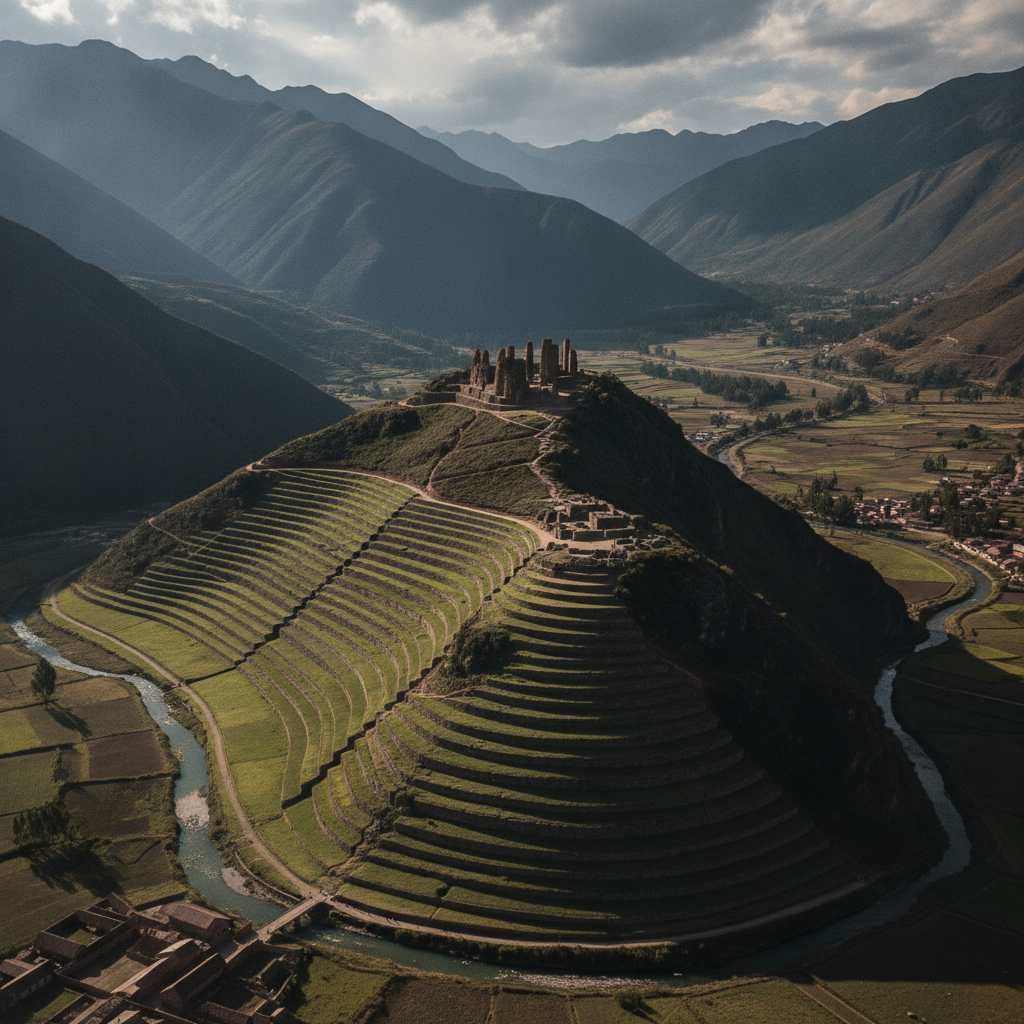
Pikillacta, located 30 kilometers southeast of Cusco near the village of Lucre, is the most significant surviving urban site of the Wari civilization that dominated the Andes from approximately 600 to 1000 CE, several centuries before the Inca rose to prominence. The site covers approximately 2 square kilometers and consists of a planned orthogonal grid of small rooms, corridors, and plazas built from roughly cut stone without the mortar-free precision of the later Inca. The Wari were the first imperial culture in the Andes, establishing administrative centers throughout what is now Peru and Bolivia and developing the road network and administrative concepts that the Inca later elaborated into the Tawantinsuyu system. Pikillacta is frequently visited as a brief stop on the road to Puno and Lake Titicaca but deserves more time than the standard 30-minute visit; the scale of the planned urban grid becomes apparent only by walking its interior streets.
- 2
Cusco to Puno: The Altiplano Journey to Lake Titicaca
The road and railway south from Cusco to Puno and Lake Titicaca crosses the high Andean plateau, the altiplano, at an average elevation above 3,800 meters, passing through landscapes of vast open grassland dotted with llama and alpaca herds and small Quechua and Aymara communities. The PeruRail Titicaca train, operating this route on selected days, provides the most comfortable and scenic version of the journey and stops for brief visits to Raqchi, the spectacular Inca temple of Viracocha with its enormous central adobe wall, and the small city of Pucara with its distinctive pottery tradition. The journey by bus takes approximately six to seven hours on a modern highway and is the most economical option. Puno on the shores of Lake Titicaca is the base for boat trips to the Uros floating reed islands and the island of Taquile, which has its own distinctive textile tradition recognized by UNESCO.
- 3
Manu National Park: The Cloud Forest and Amazon from Cusco
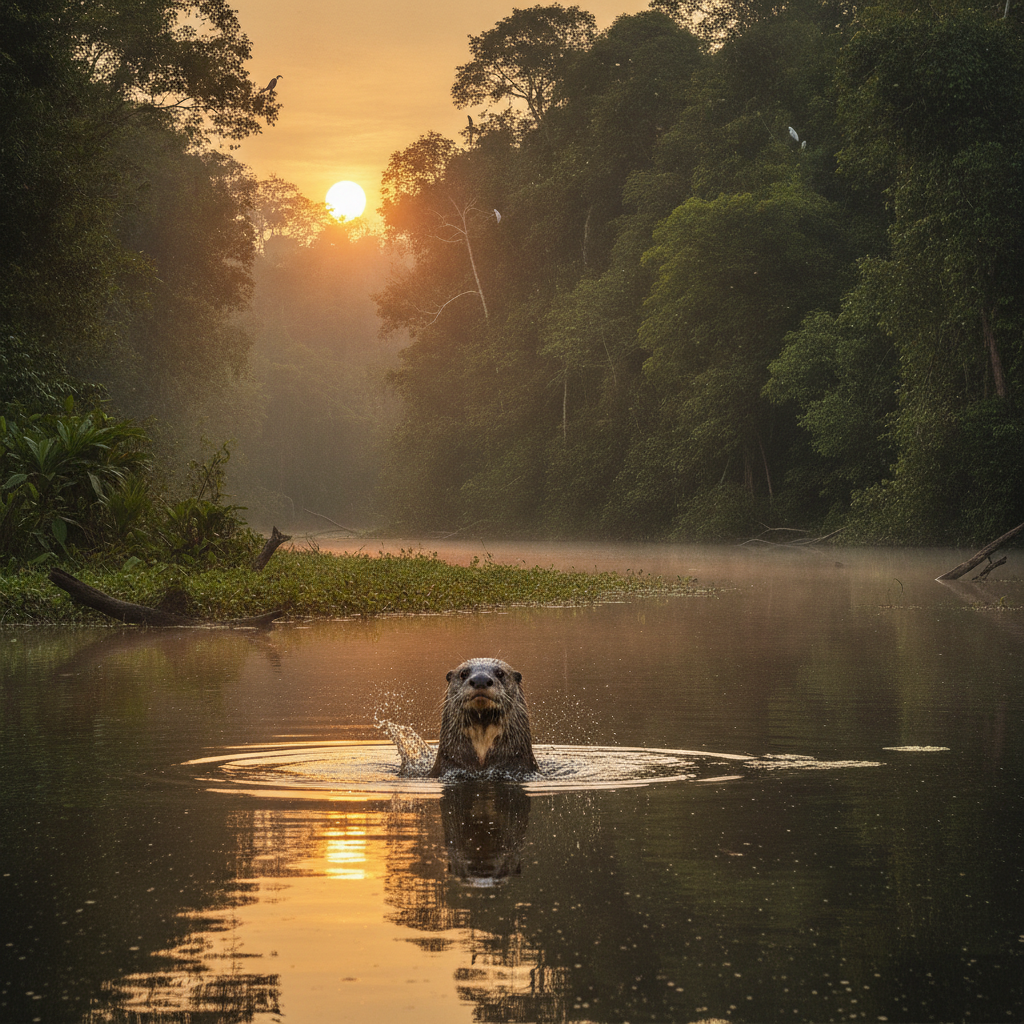
The road north from Cusco over the Andes crest and down into the cloud forest eventually reaches the Manu National Park, one of the most biodiverse protected areas on earth and considered by many ornithologists and wildlife biologists as the finest Amazon wildlife destination accessible from any city. The park encompasses a complete gradient from the Andean cloud forest above 3,000 meters through multiple rainforest zones to lowland Amazon at approximately 300 meters, and this elevational diversity supports an extraordinary species count: over 1,000 bird species, 200 mammal species including giant otters, jaguars, tapirs, and all six Neotropical cat species, and insect diversity beyond enumeration. Access requires either a multi-day guided expedition by vehicle and boat or a short flight from Cusco to the Boca Manu airstrip. The park is divided into a strictly protected core accessible only with certified guides through licensed operators, and a buffer zone with less restrictive access.
- 4
Cusco to Arequipa: The Southern Highlands Circuit
The road west from Cusco toward Arequipa, approximately eight to nine hours by bus, passes through the southern Peruvian highlands and is part of the standard overland circuit connecting the main southern Peru tourist sites. Arequipa, the white city built from sillar volcanic stone, is the second city of Peru and has a colonial center designated UNESCO World Heritage. The Santa Catalina monastery complex, a miniature city within the city covering 20,000 square meters, is the most remarkable colonial religious complex in Peru. From Arequipa, the Colca Canyon, twice the depth of the Grand Canyon and home to one of the largest condor populations in the world, is a two-day excursion with condor sightings from the Cruz del Condor viewpoint almost guaranteed in the morning hours. The Arequipa-Colca-Lake Titicaca-Cusco circuit, doable in six to eight days, covers the essential southern Peru highland experience.
- 5
Andean Textiles in Depth: The Chinchero Weaving Cooperative
The Chinchero weaving cooperative on the plateau between Cusco and the Sacred Valley offers the most structured and educational textile experience in the Cusco region, with demonstrations organized by the cooperative members who walk visitors through the complete sequence from raw alpaca or sheep wool to finished woven piece. The washing, carding, spinning with a hand spindle or drop spindle, natural dyeing with plant and mineral sources, and finally weaving on a backstrap loom are demonstrated sequentially with interpretation in Spanish and often English from cooperative members. The cooperative sells its pieces at prices reflecting the genuine labor involved, making it one of the best places in Peru to purchase authenticated handwoven textiles from known producers. The community of Chinchero has maintained its weaving tradition as a genuine economic and cultural practice rather than a tourist performance, which creates a different quality of engagement than the more theatrical market demonstrations in Pisac.
- 6
Cusco Nightlife and the Gringo Trail Social Scene
Cusco has a concentrated and occasionally raucous nightlife scene centered on the streets around the Plaza de Armas and the Procuradores alley, nicknamed Gringo Alley, which concentrates bars and clubs marketing heavily to the backpacker and young tourist demographic. The typical Cusco night out involves free pisco sour samples offered by restaurants as enticement to dine, dinner with chicha or local beer, and then movement to the bars and clubs of Gringo Alley or the slightly more upscale options around the Plaza Regocijo. The altitude significantly amplifies the effect of alcohol; drinks hit harder at 3,400 meters, and many visitors underestimate this effect and overindulge on their first night. The Ukuku bar on Procuradores has been a Cusco backpacker institution for over two decades, with regular live music and a convivial multinational crowd. The Mama Africa club on Plateros street runs late and plays a mix of Latin and international music popular with the backpacker circuit.
Walk this route with audio
Stories play automatically as you reach each stop — no tapping needed.
More in Cusco
Machu Picchu: The Lost City of the Inca
Cusco Practical Guide: Altitude, Getting There, Neighborhoods, and Costs
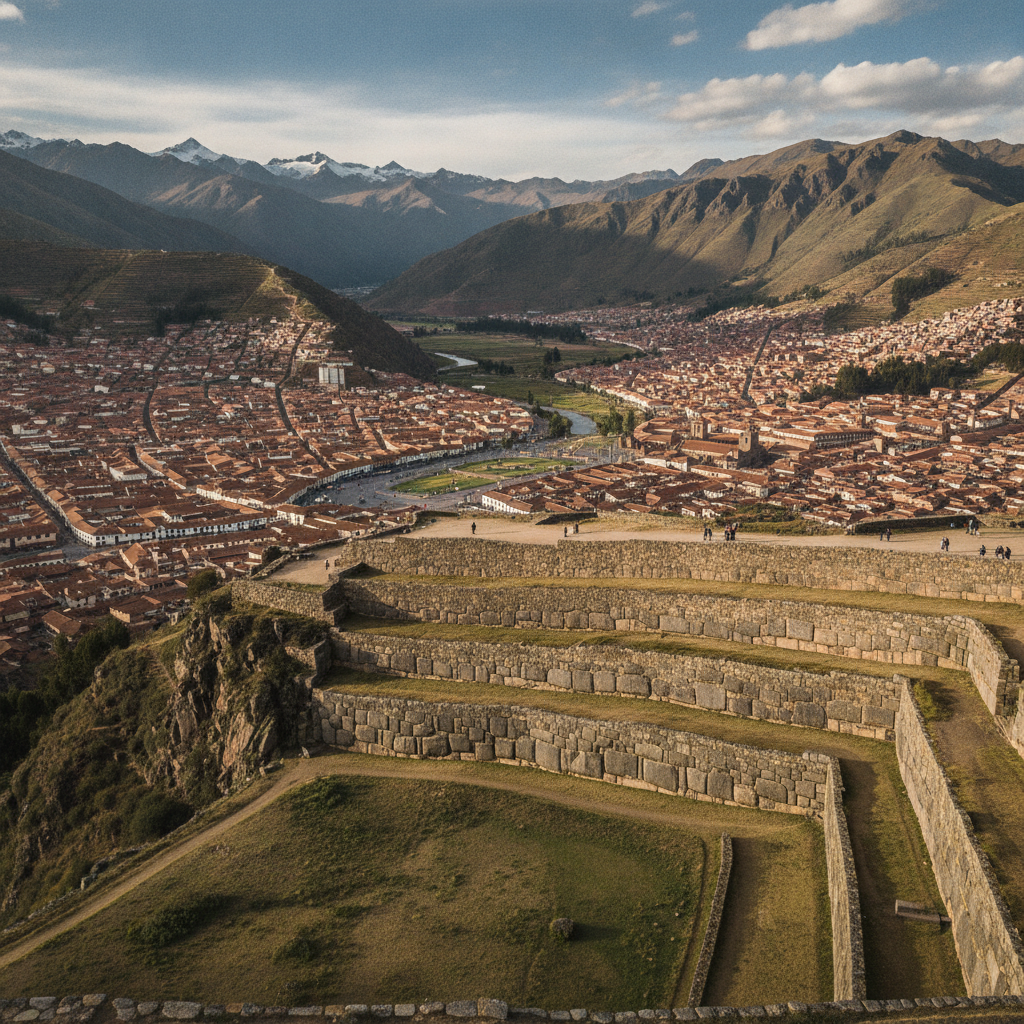
Cusco History: The Rise and Fall of the Inca Empire
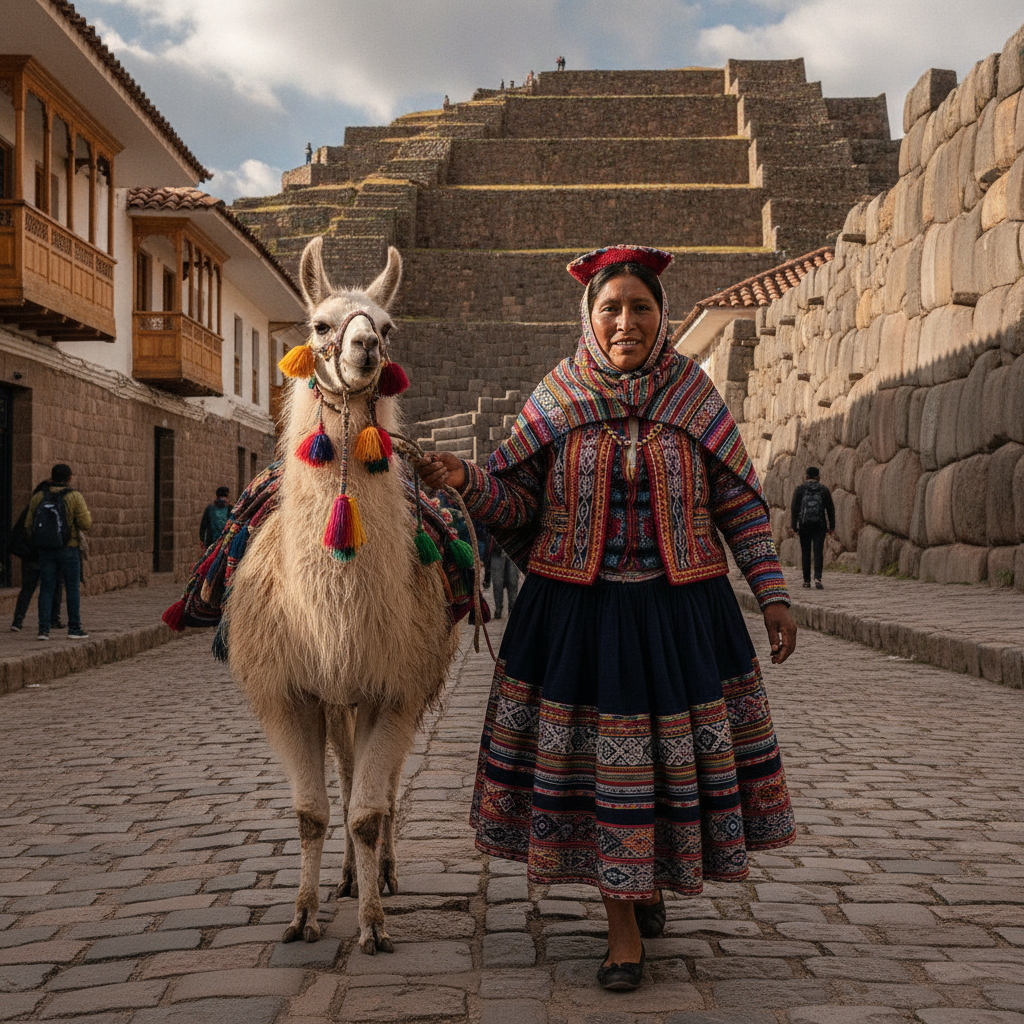
Quechua Culture: The Living Legacy of the Inca
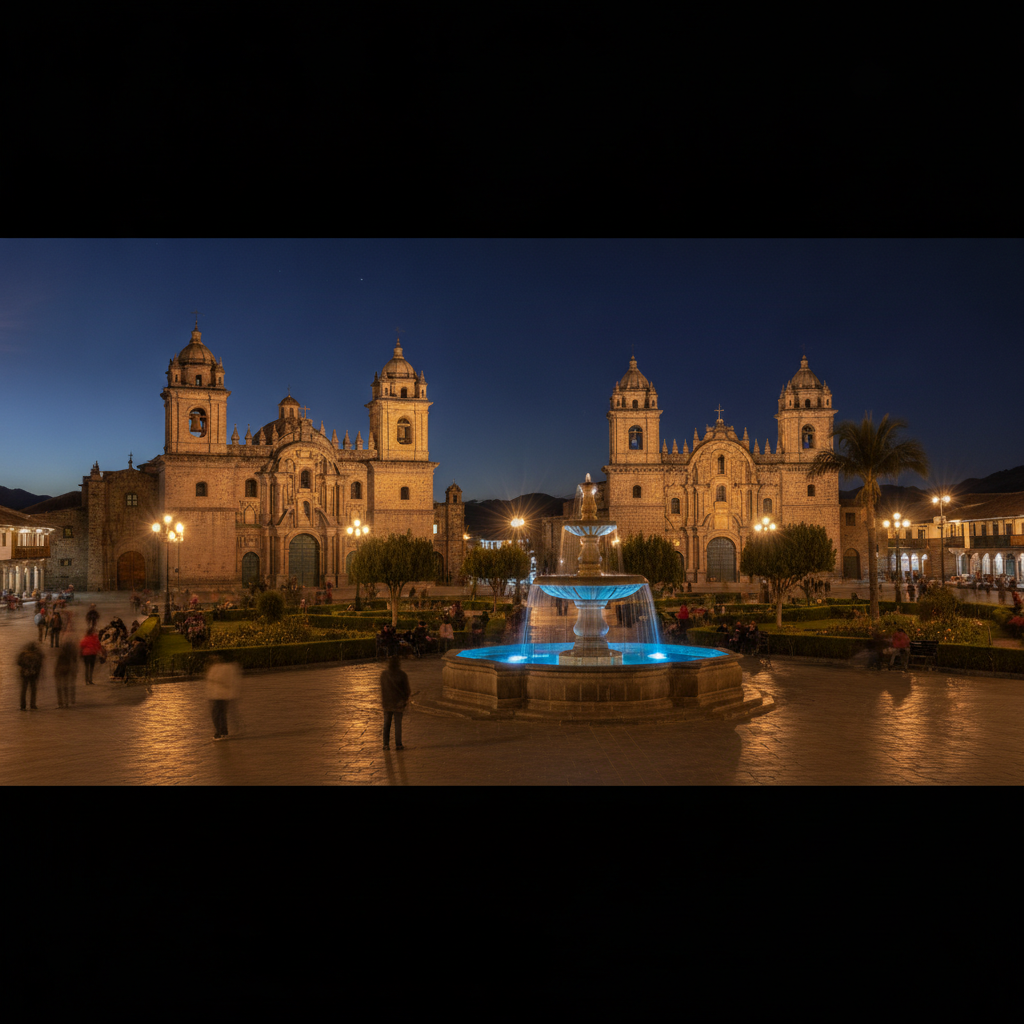
Cusco: The Navel of the World and Capital of the Inca Empire