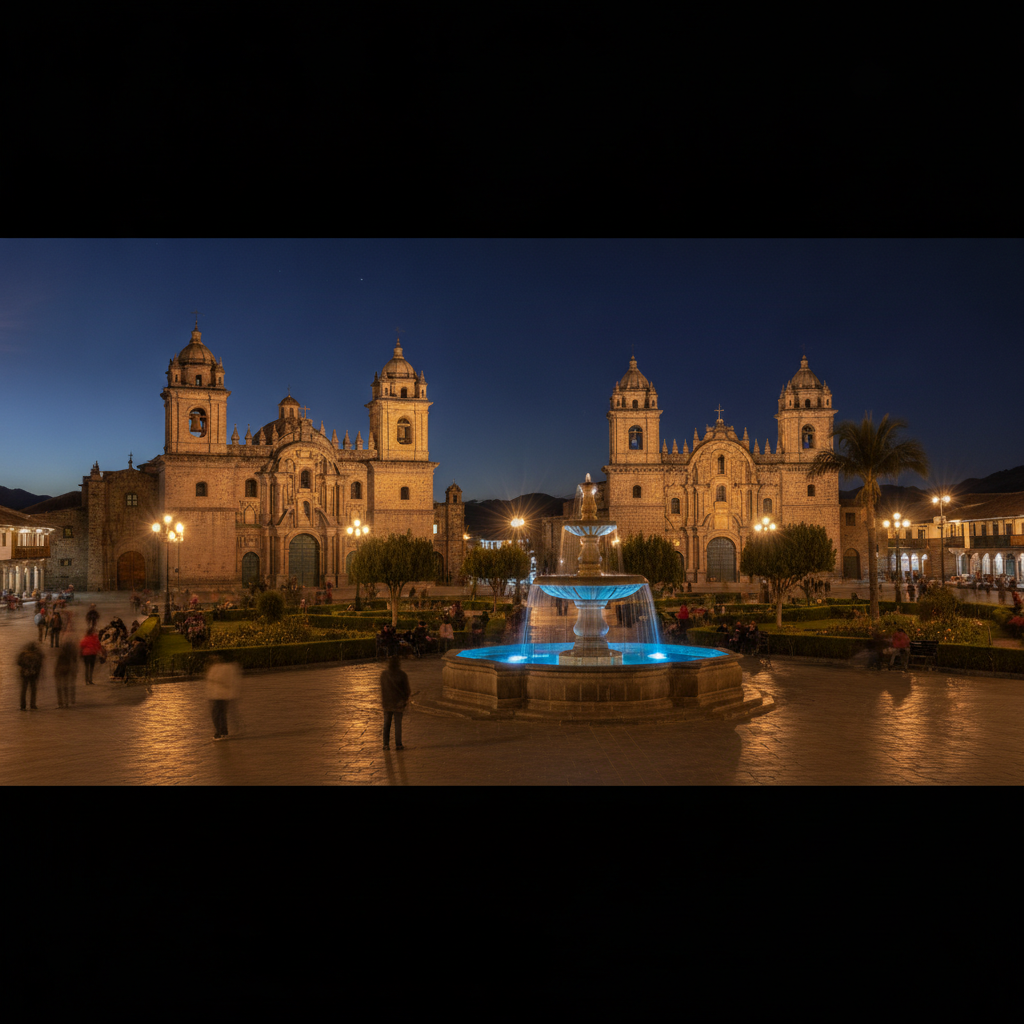
Cusco Food: Cuy, Chifa, Chicha, and the New Andean Cuisine
Cusco food culture sits at the intersection of ancient Andean agriculture, Spanish colonial cooking, Chinese immigration influence, and the contemporary Nuevo Andino culinary movement that has elevated Peru to the top of international gastronomy rankings. The Andean crop complex, domesticated in the highlands over thousands of years and including 3,000 native potato varieties, multiple corn types, quinoa, kiwicha, and coca, provides the raw material. The Spanish added cattle, pork, wheat, and new cooking techniques. The cuy, the guinea pig domesticated in the Andes for 5,000 years, remains the ceremonial protein of highland festivals and an increasingly fashionable restaurant item. This route covers the essential Cusco food and drink experiences.
- 1
Cuy: The Ancient Andean Protein and Its Festival Role
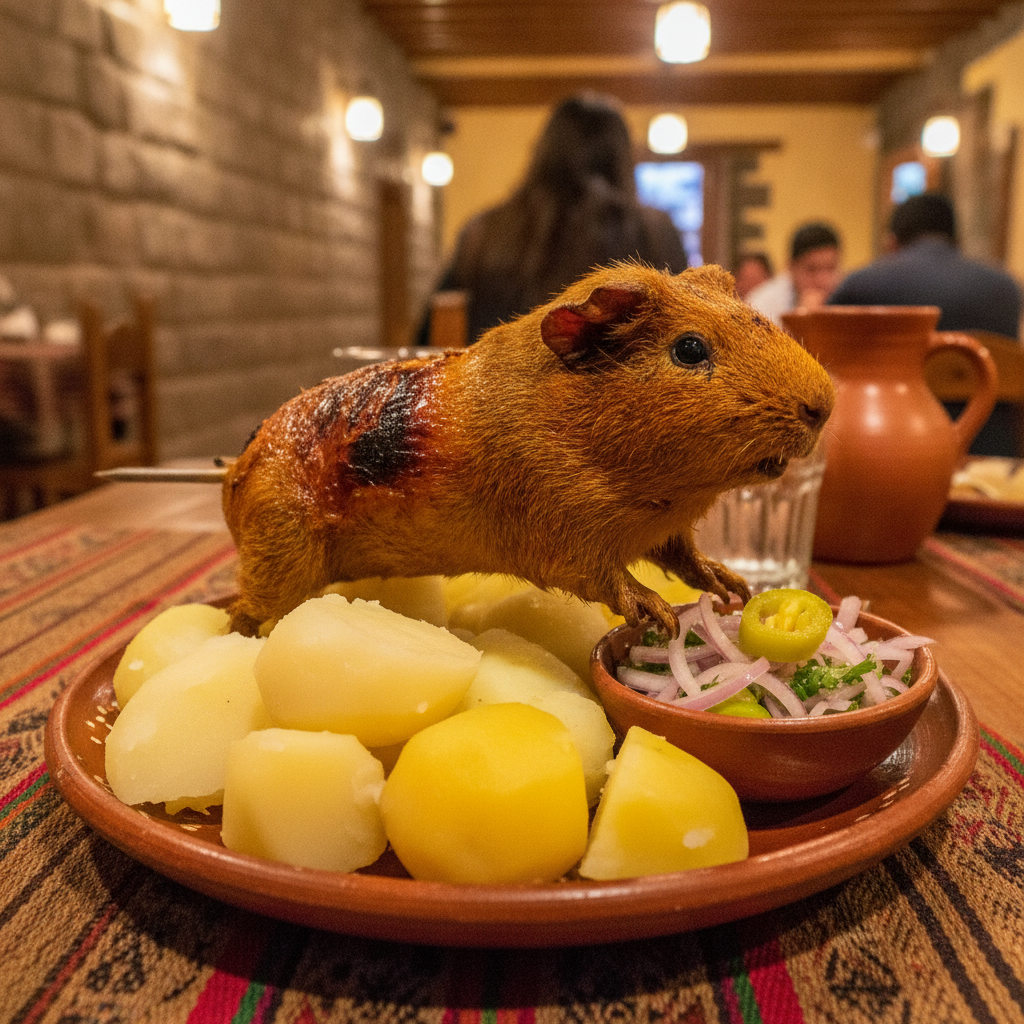
Cuy, the Quechua word for the guinea pig that was domesticated in the Andes approximately 5,000 years ago, is the most culturally significant protein in highland Peruvian cuisine and has been raised in kitchens and homes throughout the Andean highlands continuously from pre-Inca times to the present. In the Cusco region the cuy is primarily a festive food, consumed at family celebrations, baptisms, weddings, and during major agricultural calendar events rather than as everyday protein. Traditional preparation involves marinating the whole animal in a paste of aji panca chili, cumin, and garlic and then roasting or frying it whole, served with boiled potatoes and salsa criolla. Restaurant preparation in Cusco increasingly presents cuy in more refined forms, though the whole-animal presentation remains standard in traditional households. Nutritionally, cuy is high in protein and low in fat relative to beef or pork; the Catholic Church historically classified it as fish, permitting consumption during Lent.
- 2
Chicha: The Sacred Fermented Corn Drink of the Andes
Chicha de jora, the fermented corn beverage produced throughout the Andes for at least 3,000 years, was the sacred drink of the Inca, offered to the sun god Inti in ceremonial libations and consumed in enormous quantities at the great festivals of the Inca calendar. The production process involves germinating corn, drying it, cooking it, and fermenting the resulting liquid with wild yeasts and sometimes chewing to introduce salivary amylase; the chewing step, performed by women in traditional production, has become less common in commercial production. Chicha is still produced in traditional chicherias throughout the Cusco region, identified by a red plastic bag or branch hung above the door. The drink is slightly sweet, mildly alcoholic, and lightly sour, somewhat resembling a thin corn beer. Its cousin, chicha morada, made from purple corn without fermentation, is a non-alcoholic refreshing drink served throughout Peru and available everywhere in Cusco as a table drink.
- 3
Chifa: The Chinese-Peruvian Fusion Cuisine
Peru has the largest Chinese immigrant community in South America, dating from the mass importation of Chinese laborers to work the guano islands and coastal agriculture from the 1850s onward. The culinary fusion that resulted from a century of Chinese community cooking with Peruvian ingredients created chifa, a cuisine that combines wok technique, soy sauce, and Chinese preparation traditions with Peruvian produce including aji amarillo, cilantro, and various native ingredients. Chifa is now ubiquitous throughout Peru including Cusco, where several chifa restaurants serve lomo saltado, the most popular Peruvian dish nationally, alongside authentic wok-fried preparations. Lomo saltado itself is a chifa creation: strips of beef stir-fried with soy sauce, tomatoes, onions, and aji amarillo, then served with both french fries and rice, a double-starch combination that is distinctively Peruvian.
- 4
Mercado San Pedro: The Central Market of Cusco
The Mercado San Pedro, housed in a 19th century iron-frame market building one block from the Plaza de Armas, is the primary public food market of Cusco and the most interesting single food destination in the city for understanding Andean ingredient diversity. The produce section contains dozens of potato varieties distinguishable by color, texture, and intended use; the corn section offers yellow, white, purple, and multicolored varieties. The juice section in the front of the market serves freshly squeezed combinations of local fruits including maracuya passion fruit, lucuma, chirimoya, and various citrus. The lunch counter section offers the best value cooked meals in Cusco at prices of 5 to 8 soles for a two-course menu including soup and a main dish. The market also sells the complete range of Andean dried and fresh chilies including aji panca, aji mirasol, and rocoto, alongside the spices and herbs of highland Peruvian cooking.
- 5
Nuevo Andino: The Fine Dining Scene in Cusco
The Nuevo Andino movement that emerged from Lima under chefs including Gaston Acurio has its Cusco expression in several upscale restaurants around the Plaza de Armas and the San Blas neighborhood that combine traditional highland ingredients with contemporary presentation and technique. The native potato varieties, prepared as mousselines, gnocchi, or paper-thin chips, appear in multi-course tasting menus alongside quinoa risottos, native corn preparations, and fresh highland trout from the rivers of the Sacred Valley. The restaurant MAP Cafe inside the Museo de Arte Precolombino is the most formally ambitious, with an interior designed by Philippe Starck and a menu that consistently appears on regional best-restaurant lists. Chicha restaurant in the Santa Catalina neighborhood, named for the fermented corn drink, is a popular mid-range option applying Nuevo Andino sensibilities to more accessible price points. The expansion of the tourist economy has supported a proliferation of quality restaurants that would not be viable in a smaller city.
- 6
Alpaca Textiles and the Artisan Markets
The artisan market economy of Cusco is built around the Andean textile tradition, particularly the production and sale of items made from alpaca fiber, which ranges from the coarser commercial-grade alpaca used in mass-produced tourist goods to the extraordinarily soft baby alpaca and vicuna fiber used in the finest woven pieces. The main artisan market on Avenida El Sol and the parallel indoor markets sell a combination of machine-made mass-produced goods and genuine handwoven textiles from surrounding communities at wildly varying price points. The San Blas neighborhood market and the weaving cooperatives in the Sacred Valley villages of Chinchero and Pisac offer more direct access to genuine handwoven pieces from specific indigenous communities using natural dyes. The market economy of Cusco is essentially organized around the tourist presence; prices are negotiable in most contexts, and distinguishing genuine handwoven from machine-made requires touching and examining the weave irregularities that characterize backstrap loom production.
Walk this route with audio
Stories play automatically as you reach each stop — no tapping needed.
More in Cusco
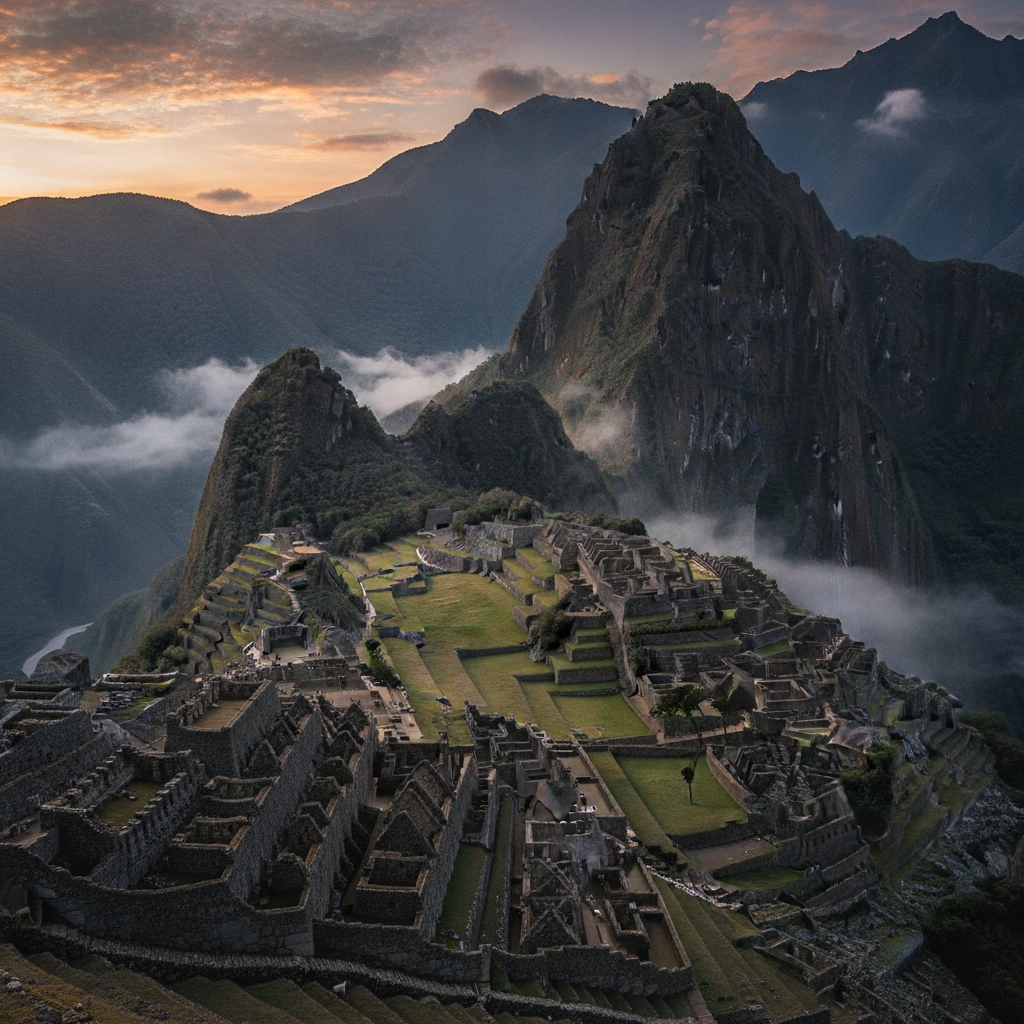
Machu Picchu: The Lost City of the Inca
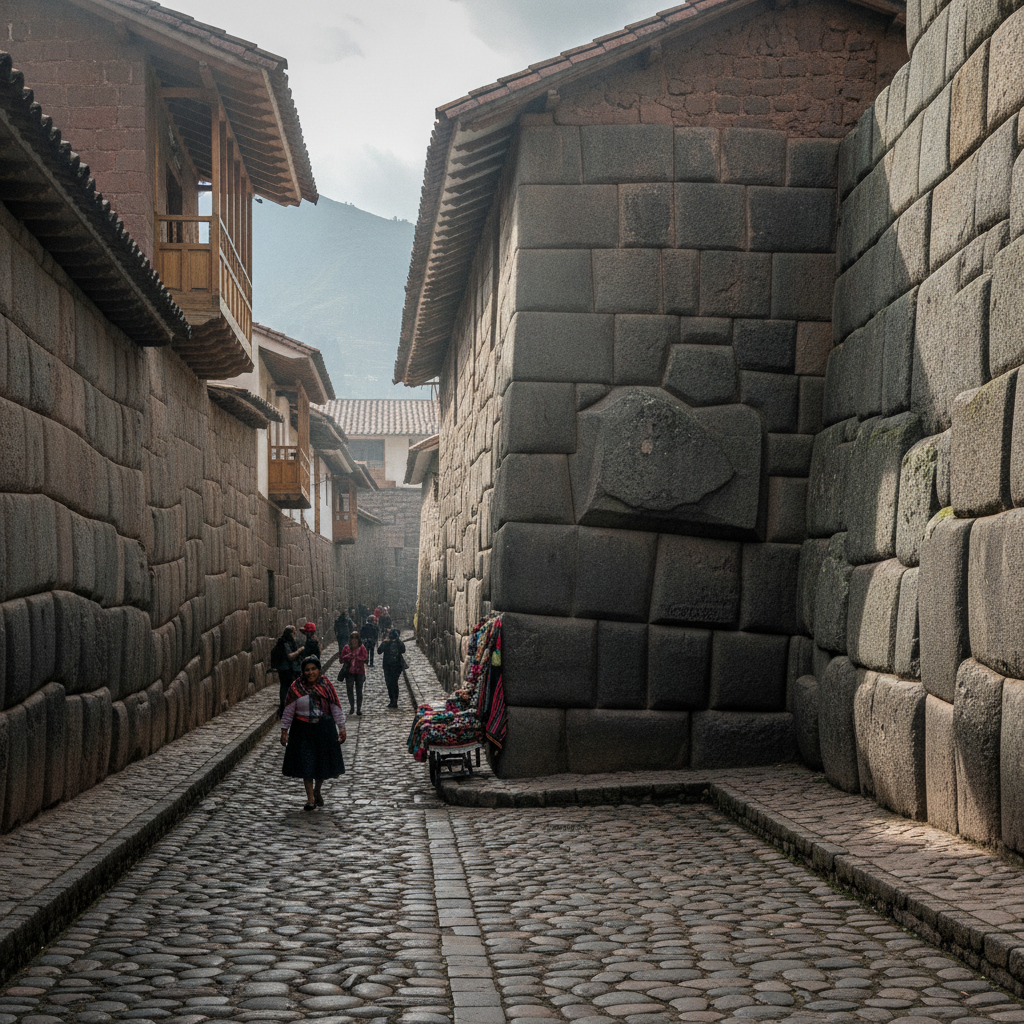
Cusco Practical Guide: Altitude, Getting There, Neighborhoods, and Costs

Cusco Beyond the Main Sites: Wari Ruins, Colca Canyon Connection, and the Amazon Approach
Cusco History: The Rise and Fall of the Inca Empire
Quechua Culture: The Living Legacy of the Inca