Cusco History: The Rise and Fall of the Inca Empire
The Inca empire was the largest in pre-Columbian America and the largest empire in the world at the time of the Spanish conquest, extending from present-day southern Colombia through Peru, Bolivia, and Chile to the Maule River in central Chile, and incorporating 10 to 12 million people under centralized Quechua-speaking administration. It was built in less than a century, from the reign of Pachacuti beginning around 1438 to the Spanish arrival in 1532. Francisco Pizarro captured the emperor Atahualpa at Cajamarca in November 1532, executed him despite a ransom of gold and silver that filled the room where he was held, and marched to Cusco, entering in November 1533. The events of these few months destroyed a civilization that had no iron, no horses, and no experience of the epidemic diseases the Spanish carried.
- 1
Pachacuti: The Emperor Who Built the Empire and Machu Picchu
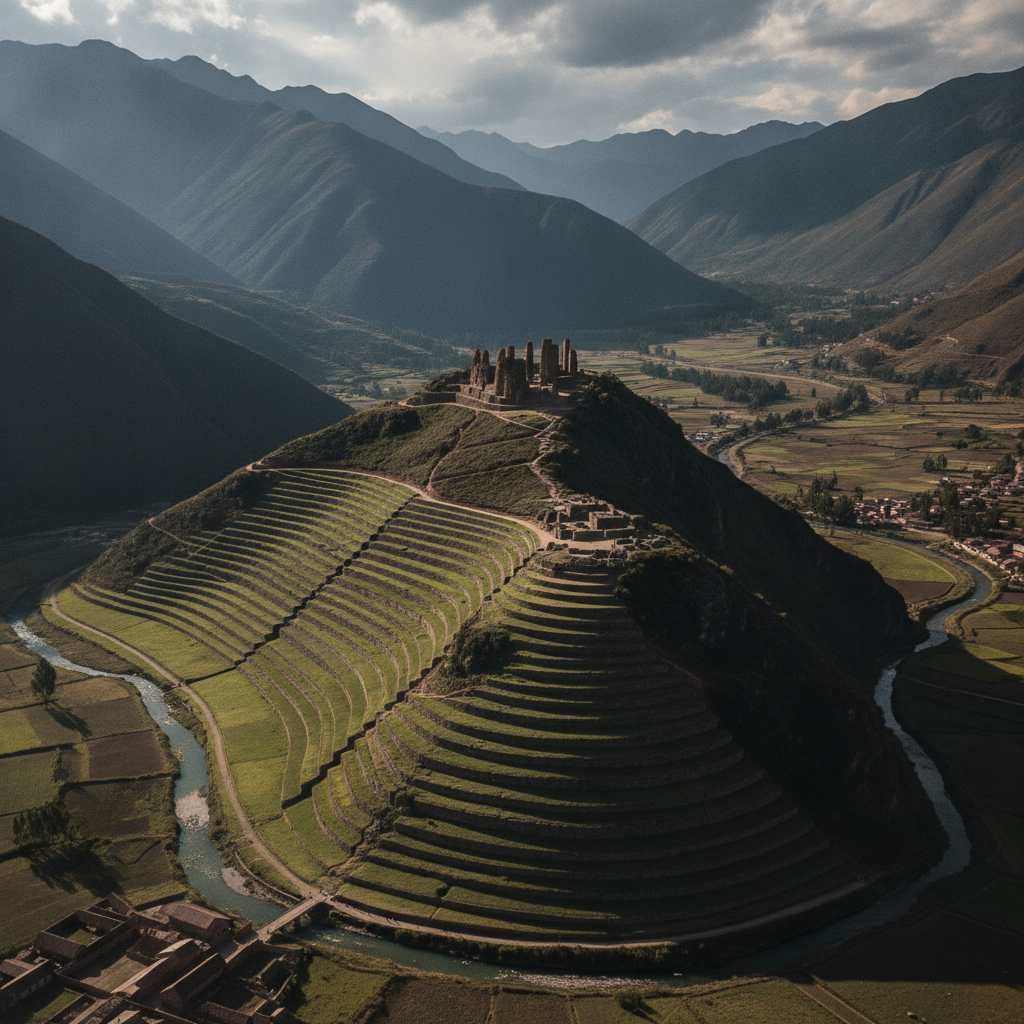
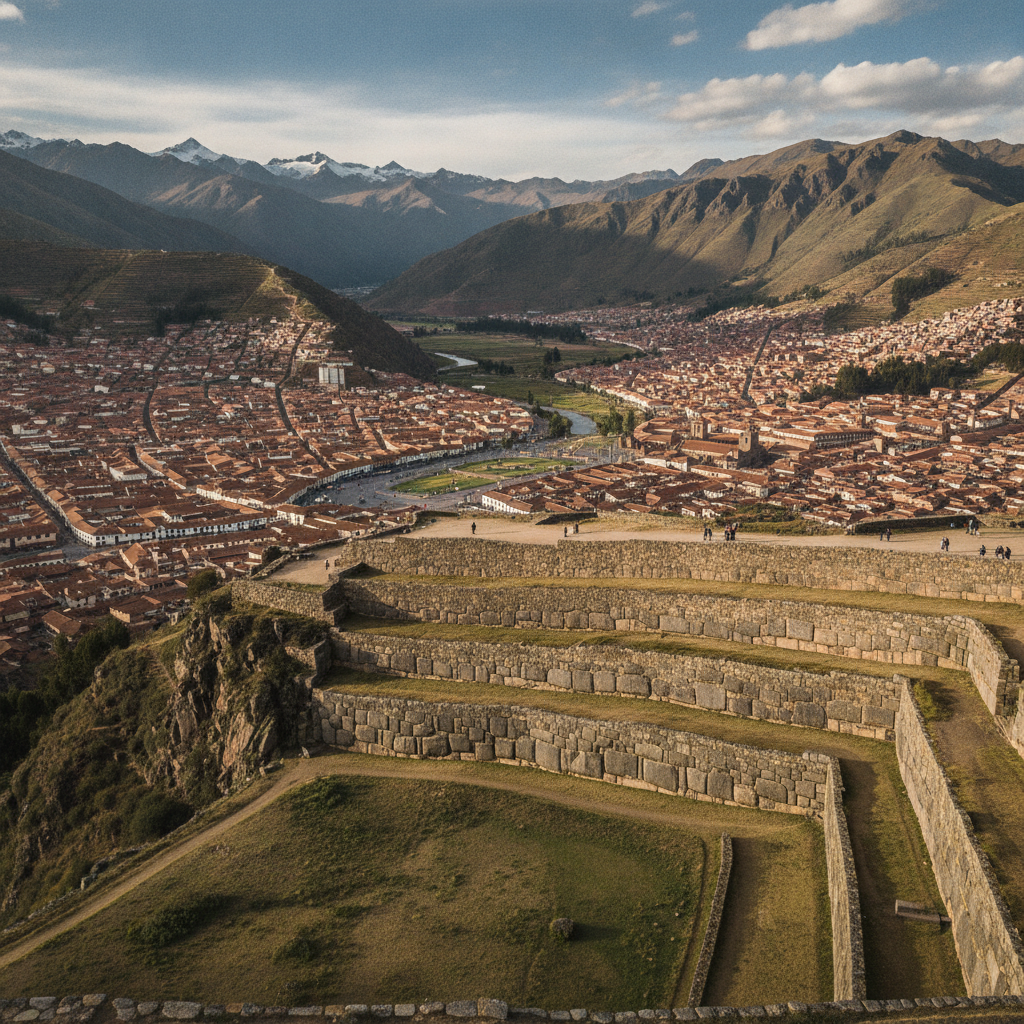
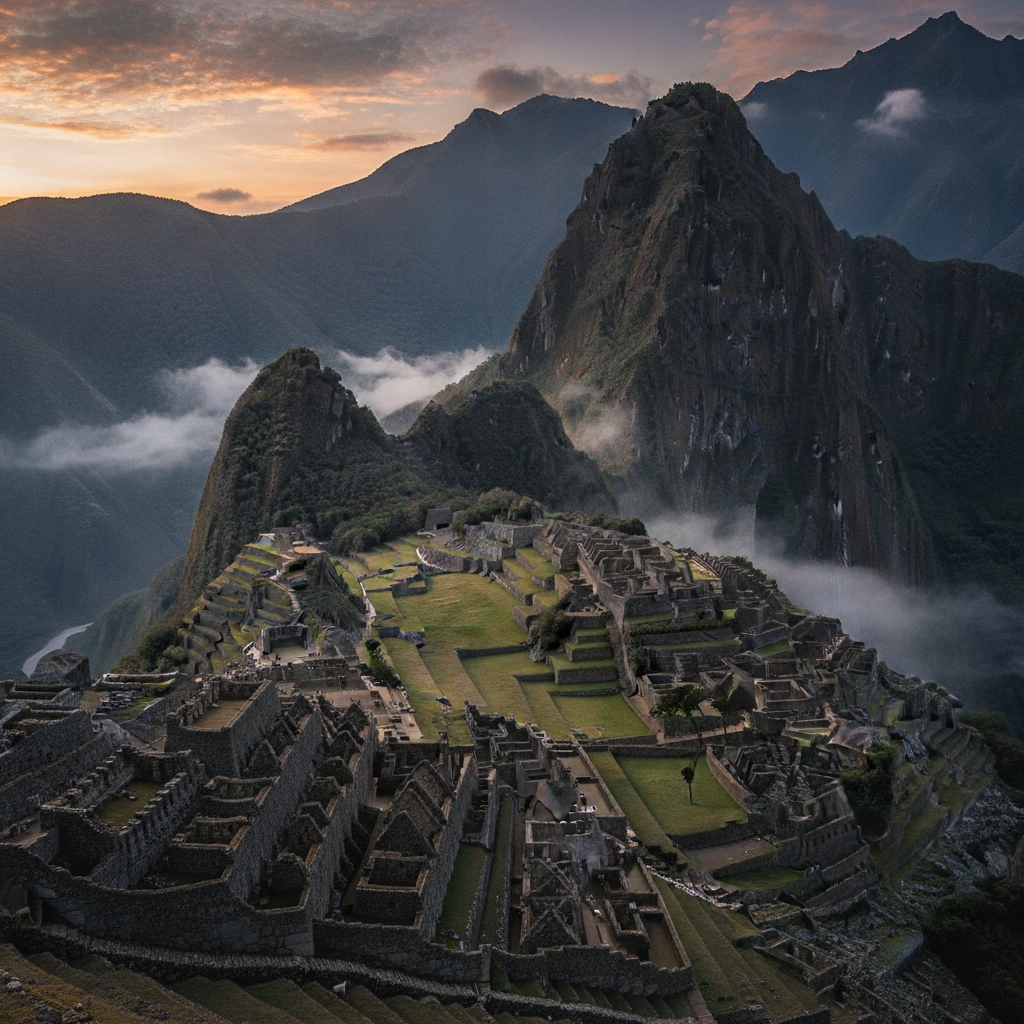
Pachacuti, whose name means earth-shaker in Quechua, took power in Cusco around 1438 in circumstances described by Inca sources as a dramatic emergency: with his father Viracocha fled before an attack by the rival Chanka confederation, Pachacuti rallied the Cusco forces, defeated the Chanka, and then deposed his father to take the throne. Over the following three decades he transformed Cusco from a regional chiefdom into an imperial capital, redesigning the city in the shape of a puma, constructing Sacsayhuaman as the puma head, and building the Qorikancha as the most sacred shrine. He also expanded the empire through military conquest and diplomatic incorporation north through Ecuador and south through Bolivia and Chile. Machu Picchu, which archaeological dating suggests was built primarily during Pachacuti reign around 1450 to 1470, served as his royal estate and ritual retreat in the lower jungle zone below Cusco altitude.
- 2
The Spanish Conquest: Cajamarca, Ransom, and the Fall of Cusco
Francisco Pizarro landed on the Peruvian coast in 1531 with 168 soldiers, 69 horses, and a cannon. He marched inland and met the Inca emperor Atahualpa at Cajamarca in November 1532. In a confrontation whose exact details remain disputed, Pizarro ambushed and captured Atahualpa, killing an estimated 2,000 to 5,000 of his unarmed attendants in the plaza. Atahualpa offered to fill a room measuring approximately 6.7 by 5.2 meters to a height of 2.4 meters with gold, and a smaller room twice with silver, in exchange for his freedom. The ransom was collected, melted down, and distributed to the Spanish soldiers. Atahualpa was then accused of treason and idolatry and garrotted in July 1533. Pizarro marched to Cusco, which fell without significant resistance in November 1533. The speed of the conquest was enabled by the ongoing civil war between Atahualpa and his brother Huascar, and the catastrophic smallpox epidemic that had preceded the Spanish and killed perhaps 40 to 60 percent of the Andean population.
- 3
The Manco Inca Rebellion: The Great Siege of Cusco in 1536
Manco Inca, a son of Huayna Capac installed by the Spanish as a puppet emperor in 1534, escaped from increasingly abusive Spanish custody in 1536 and launched the largest indigenous rebellion of the colonial period, raising an army variously estimated at 100,000 to 200,000 warriors. The siege of Cusco lasted approximately ten months, with Inca forces surrounding the city, seizing Sacsayhuaman, and using fire-bearing slings to set the thatched roofs of the colonial buildings ablaze. The Spanish garrison of approximately 190 soldiers held the central plaza against repeated attacks. A Spanish counterattack retook Sacsayhuaman in a battle that killed many of the Inca defenders. The siege failed to dislodge the Spanish; Manco retreated to the remote jungle fortress of Vilcabamba in the montane forest north of Cusco, where a neo-Inca state persisted until 1572 when the last Inca ruler Tupac Amaru was captured and executed in the Cusco plaza.
- 4
Colonial Cusco: The Overlay of Spanish Empire on Inca Capital
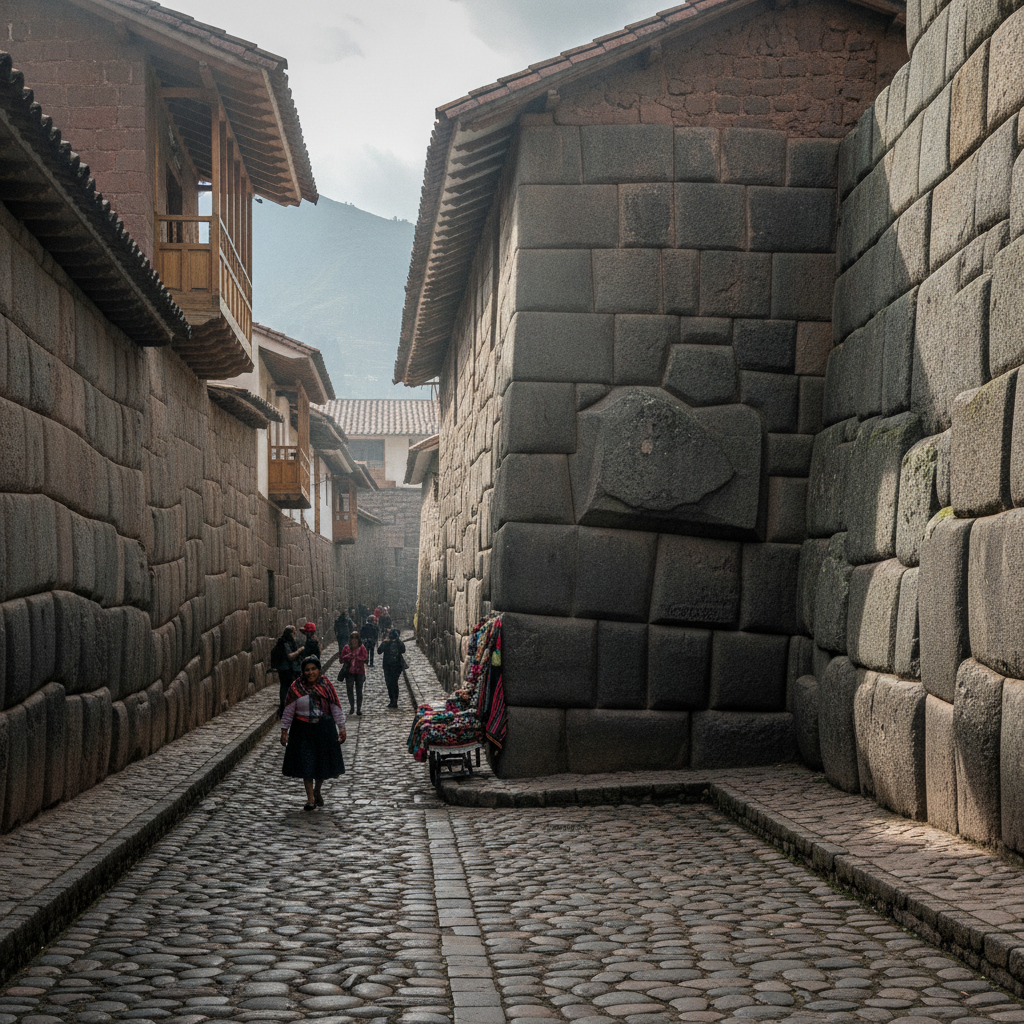
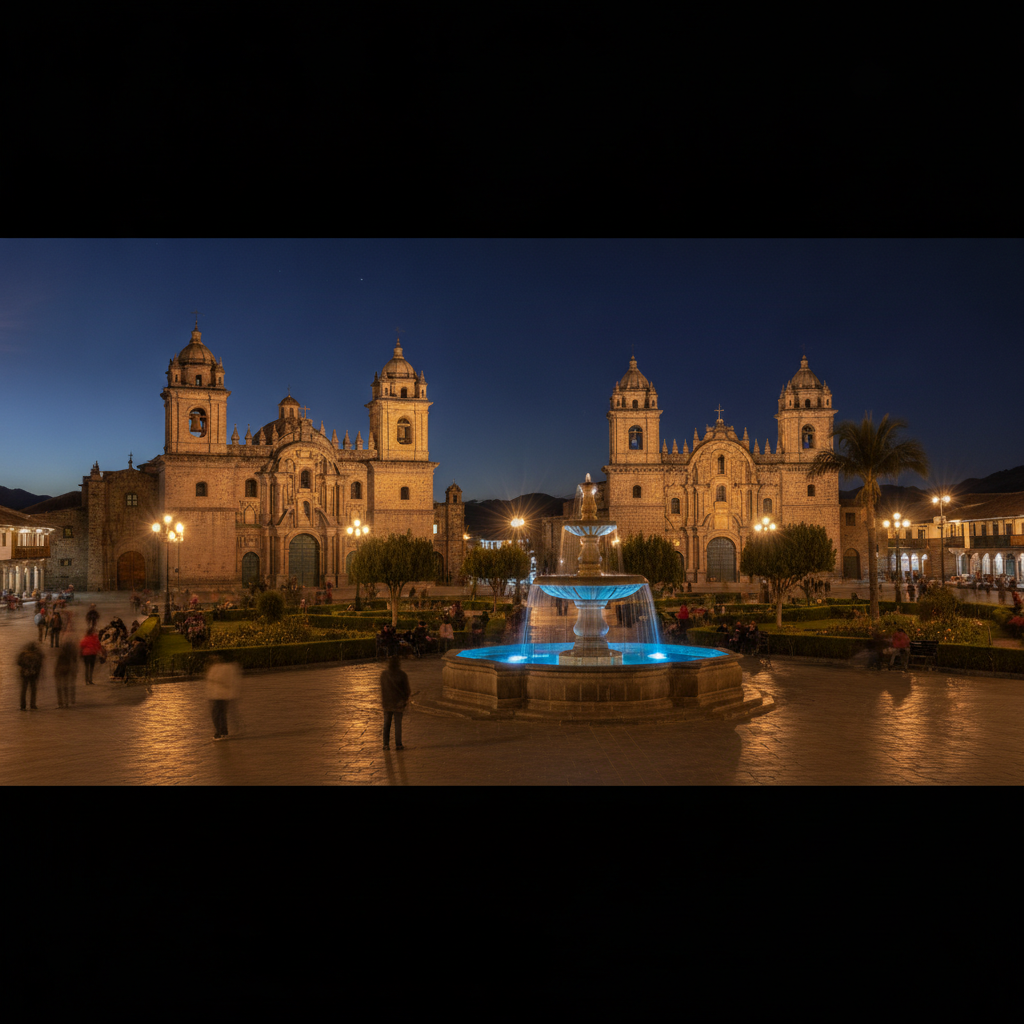
The Spanish colonial city built over Inca Cusco followed the standard colonial urban planning: a central plaza, a cathedral, government buildings, and a grid of streets radiating outward, all imposed on the existing Inca urban fabric. Where possible, the Spanish demolished Inca structures and used the precisely fitted stone blocks as building material; where this was impractical, they built directly on top of the Inca walls, creating the hybrid structures still visible throughout the historic center. The great earthquake of 1650 severely damaged much of the colonial construction but left most Inca walls standing, requiring massive rebuilding of the baroque church facades and domestic architecture. The cathedral, started in 1560 and completed in 1654, consumed the stone of several Inca structures including the palace of Viracocha; it is among the finest examples of colonial religious architecture in the Americas and contains 400 paintings of the Cusco School tradition.
- 5
Tupac Amaru II: The 18th Century Indigenous Uprising
Jose Gabriel Condorcanqui, who took the name Tupac Amaru II in reference to the last Inca ruler, led the largest indigenous rebellion in the Americas between the conquest and independence, beginning in November 1780 in the region around Cusco. He captured and publicly executed the Spanish corregidor Antonio de Arriaga and raised an army of approximately 60,000 indigenous and mestizo followers who besieged Cusco in late 1780. The rebellion was suppressed by a large Spanish military force; Tupac Amaru II was captured, forced to witness the execution of his family members, and then himself killed by being drawn and quartered in the Cusco plaza in May 1781. The rebellion intensified Spanish repression in the Andes but also contributed to the gradual reform of the colonial labor system known as the mita. Tupac Amaru II became a powerful symbol of indigenous resistance and was adopted as a revolutionary icon by multiple later political movements including the Peruvian military government of Velasco Alvarado in the 1970s.
- 6
Modern Cusco: Tourism Economy and the Living Quechua Culture
Contemporary Cusco is both a living Andean city of approximately 450,000 people and the center of the most economically significant archaeological tourism complex in South America. The tourism economy, centered on Machu Picchu but extending to the Sacred Valley and the city itself, generates the majority of the region economic activity and has created a concentration of hotels, restaurants, and tour infrastructure that makes Cusco one of the most visited cities in South America. The Quechua language, spoken by Pachacuti and Atahualpa, remains a living language with approximately 10 million speakers in the Andes; in Cusco and the surrounding communities it is still used as a daily language alongside Spanish. Indigenous ceremonies including the Inti Raymi festival at Sacsayhuaman each June 24 and the Qoyllur Riti pilgrimage to a high-altitude glacier draw both indigenous participants and international observers. The tension between the commercialization of Andean culture for tourism and the preservation of authentic living traditions is a continuing social dynamic.
Walk this route with audio
Stories play automatically as you reach each stop — no tapping needed.
More in Cusco
Machu Picchu: The Lost City of the Inca
Cusco Practical Guide: Altitude, Getting There, Neighborhoods, and Costs
Cusco Beyond the Main Sites: Wari Ruins, Colca Canyon Connection, and the Amazon Approach
Quechua Culture: The Living Legacy of the Inca
Cusco: The Navel of the World and Capital of the Inca Empire